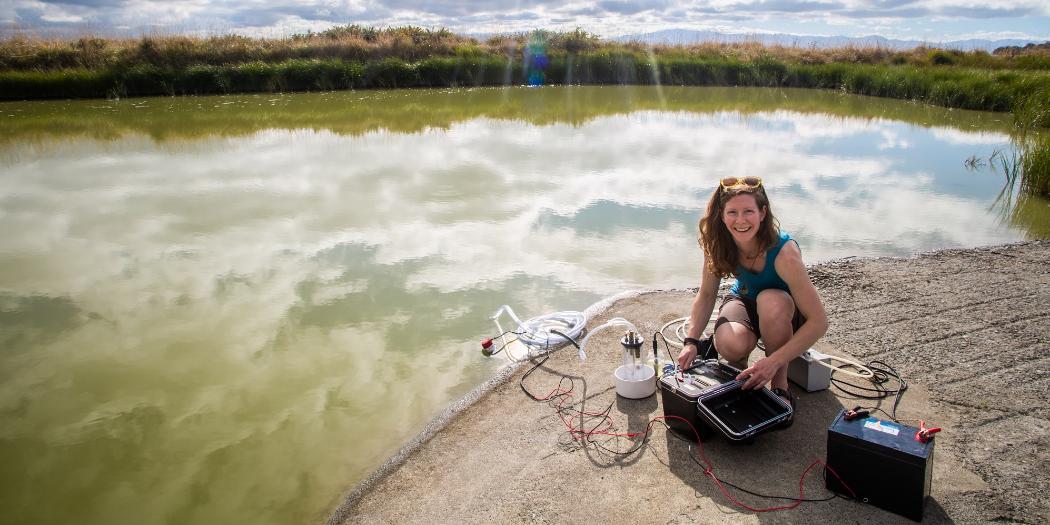


Across land, freshwater and oceans, growing environmental pressure and unsustainable patterns of resource use are reshaping the prospects of people and communities, not just the natural world. Building sustainable futures means more than reducing harm. It means restoring ecosystems, sharing resources fairly, and aligning the policies, institutions and collective behaviours that determine whether communities can thrive within environmental limits, now and for future generations.
In Aotearoa New Zealand, these challenges are close to home. From the Southern Alps to the coast - and as one of only five gateway cities to Antarctica - Ōtautahi Christchurch sits at the meeting point of some of the planet's most important environmental systems. This shapes how the University of Canterbury (UC) studies environmental change: grounded in local landscapes, communities and cultural heritage, and connected to the global systems they depend on.
UC researchers work across many areas of environmental and sustainability research, including:
- biodiversity and ecosystem restoration
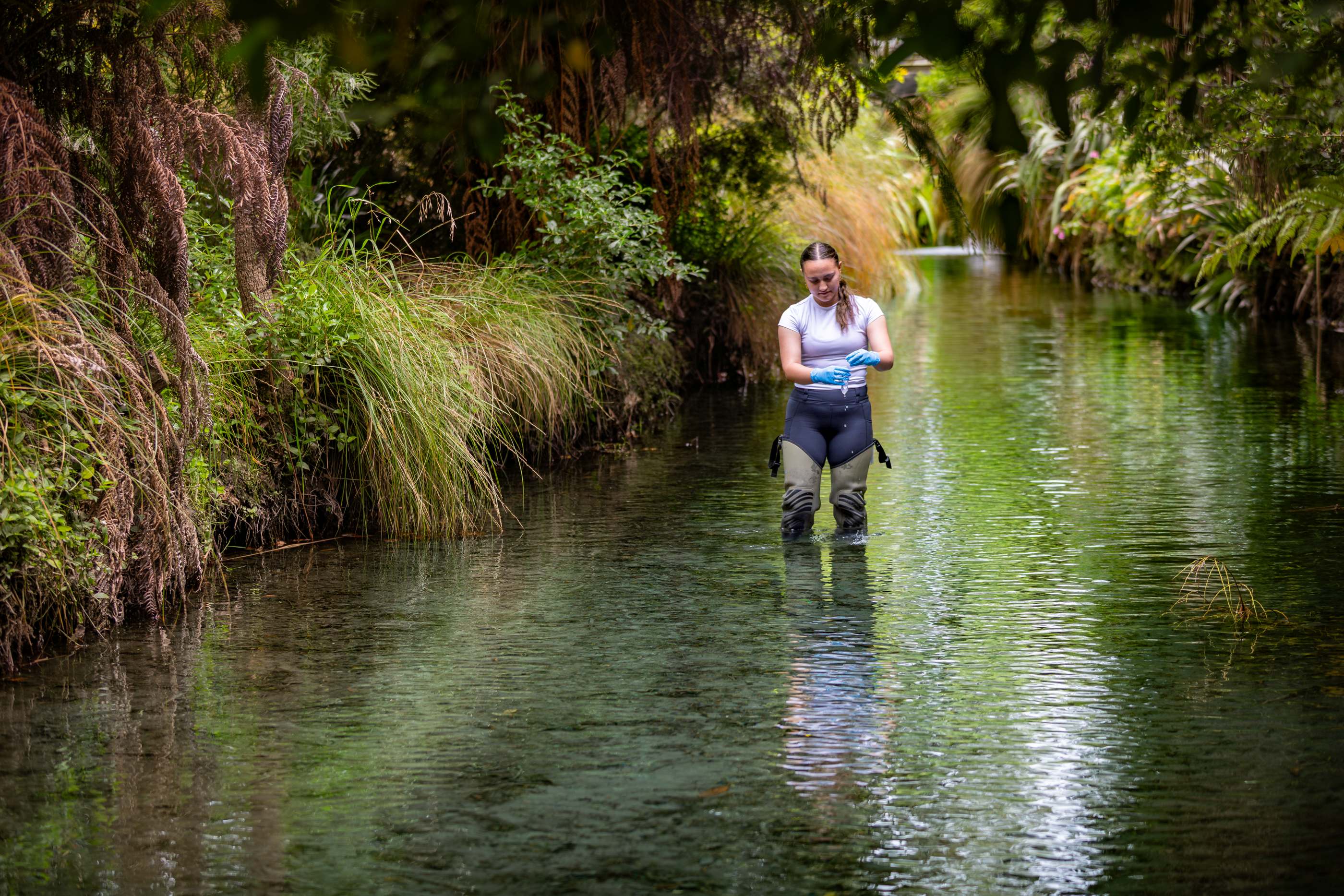
- freshwater science and water management
- sustainable food and energy systems
- climate and atmospheric science
- environmental governance and policy
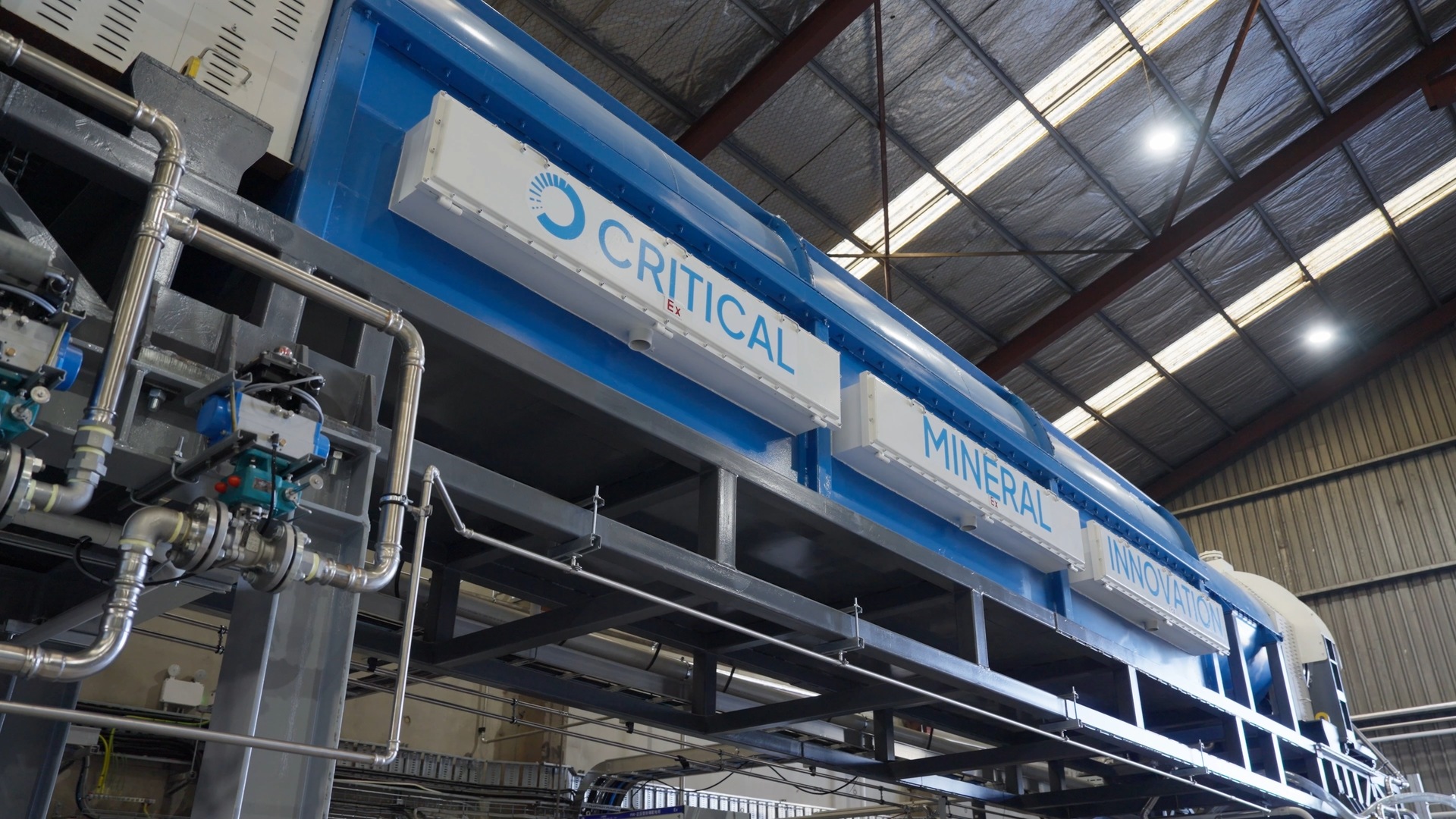
- circular economies and sustainable resource use
- community wellbeing and social equity
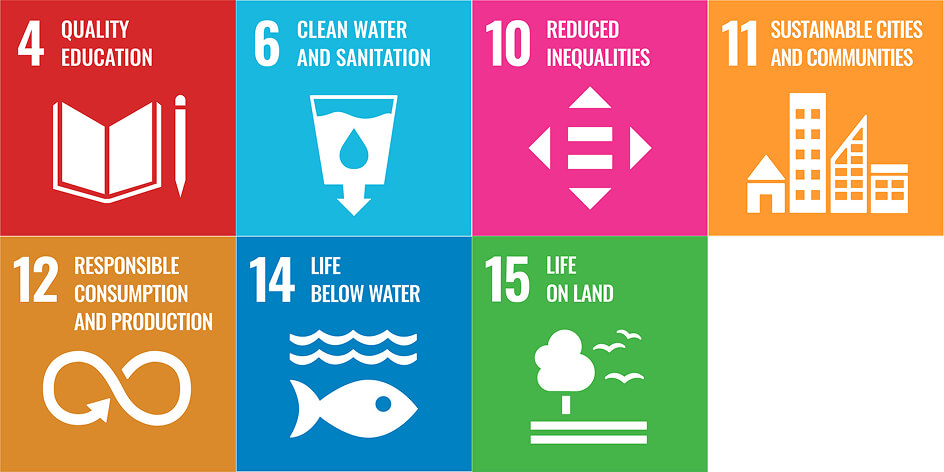
UC's environmental and sustainability research helps advance global priorities for a healthier, fairer planet - contributing to United Nations Sustainable Development Goals.
Sustainable Futures & Stewardship News

Media enquiries
Send your media enquiries to the UC Communications and Events team. Search for a UC researcher or research topic through the UC Research Profile Search. To read the latest UC research stories, visit UC News.

