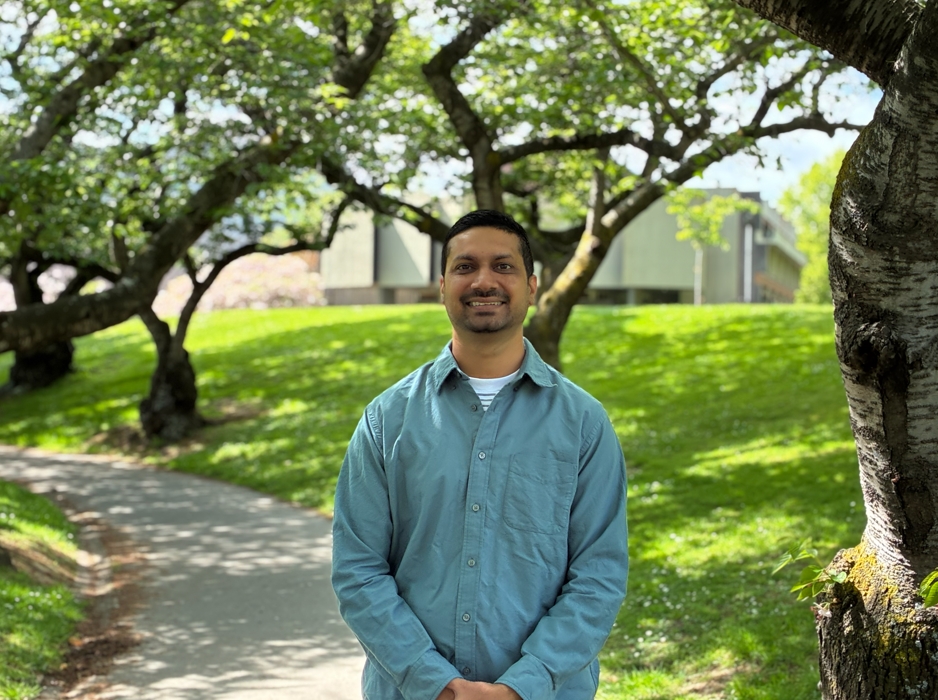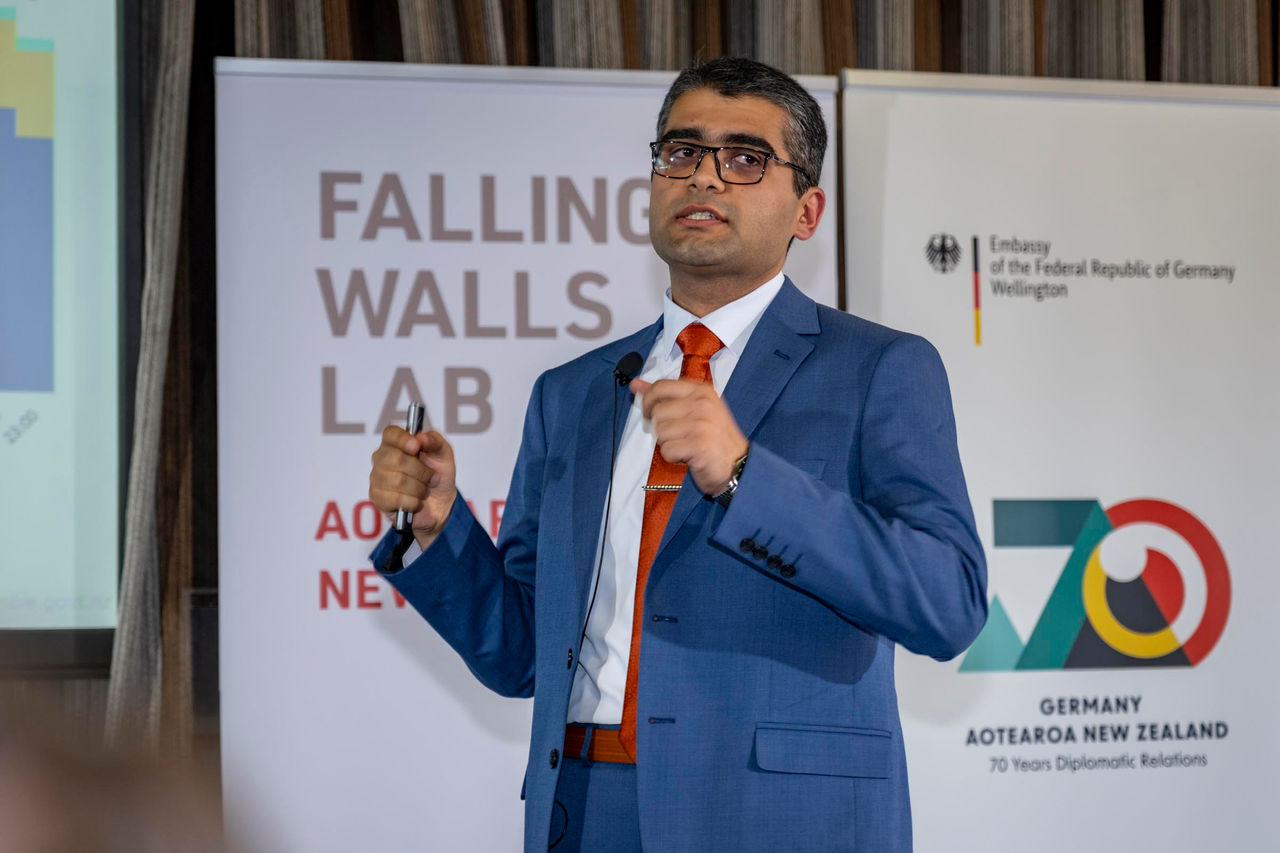


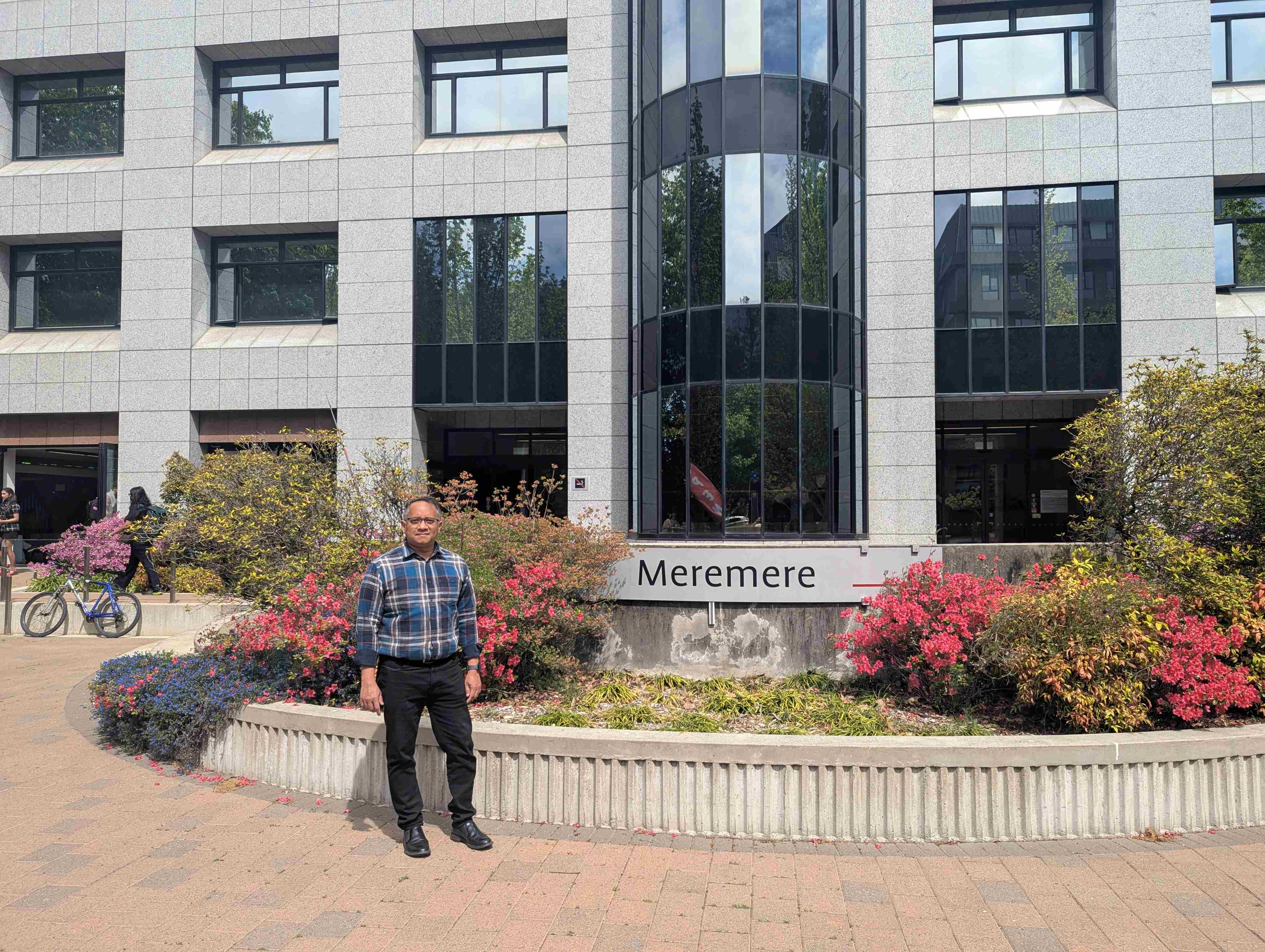
Photo caption: UC’s Civil and Natural Resources Engineering PhD candidate Hadi Vatankhah Ghadim.
A research collaboration between Te Whare Wānanga o Waitaha | University of Canterbury (UC) and the German Aerospace Centre in Stuttgart is exploring how green hydrogen could transform Aotearoa New Zealand’s energy sector and contribute to the global development of green hydrogen as a renewable and sustainable energy source.
The project, known as the New Zealand-German Platform for Green Hydrogen Integration (HINT), aims to identify where green hydrogen can deliver the most significant impact across electricity, heat, transportation, residential and industrial sectors.
UC Civil and Natural Resources Engineering PhD candidate Hadi Vatankhah Ghadim, who is researching industrial energy hubs for HINT, says green hydrogen holds huge potential for industrial decarbonisation, though not all energy needs can, or should, be addressed equally by it.
“The decision to use green hydrogen must always have a clear, rational justification. My focus is on understanding the feasibility and supply chain models for integrating green hydrogen into New Zealand’s industries, which could help decarbonise steel production, sustainable aviation fuels, and fertiliser manufacturing,” he says.
“To understand industrial decarbonisation, we must consider how industries can share resources like green hydrogen, and coordinate the use of others, like biomass-based fuels for aviation and methanol production. It’s about working together to find the best solutions.”
Vatankhah Ghadim says New Zealand’s unique challenges make it the ideal environment to study these applications and solutions up close. As an island nation with no interconnected neighbours, Aotearoa New Zealand also faces challenges achieving long-term energy security and resilience.
“We can address New Zealand’s specific needs while considering how we can contribute globally, particularly in hydrogen derivative markets like sustainable aviation fuels and methanol production,” he says.
“There is a need for strategic clarity. With the cost of green hydrogen production still higher than fossil-fuel-based alternatives, we can’t afford to invest in uses that aren’t economically or technically viable.
“The ultimate goal of the HINT project is to bridge the gap between research findings and real-world implementation. By identifying economically and technically viable use cases for green hydrogen, we aim to accelerate decarbonisation both locally and globally, “Vatankhah Ghadim, says.
 Mapping of hydrogen demand across the 16 regions of New Zealand. The squares on the left of each map show which rungs are included in the underlying data for the maps.
 Sustainable Development Goal (SDG) 7 - Affordable and clean energy.
What to read next
UC geography graduate honoured for global science leadership
UC alumnus Distinguished Professor Emeritus Iain Hay has received a prestigious international Fellowship recognising his contributions to geography and scientific collaboration.

Are Kiwi businesses jumping blindly on the AI bandwagon?
AI doesn’t have to play an inevitably dominant role in our lives, businesses and future, argues a guest speaker for an upcoming UC public lecture.

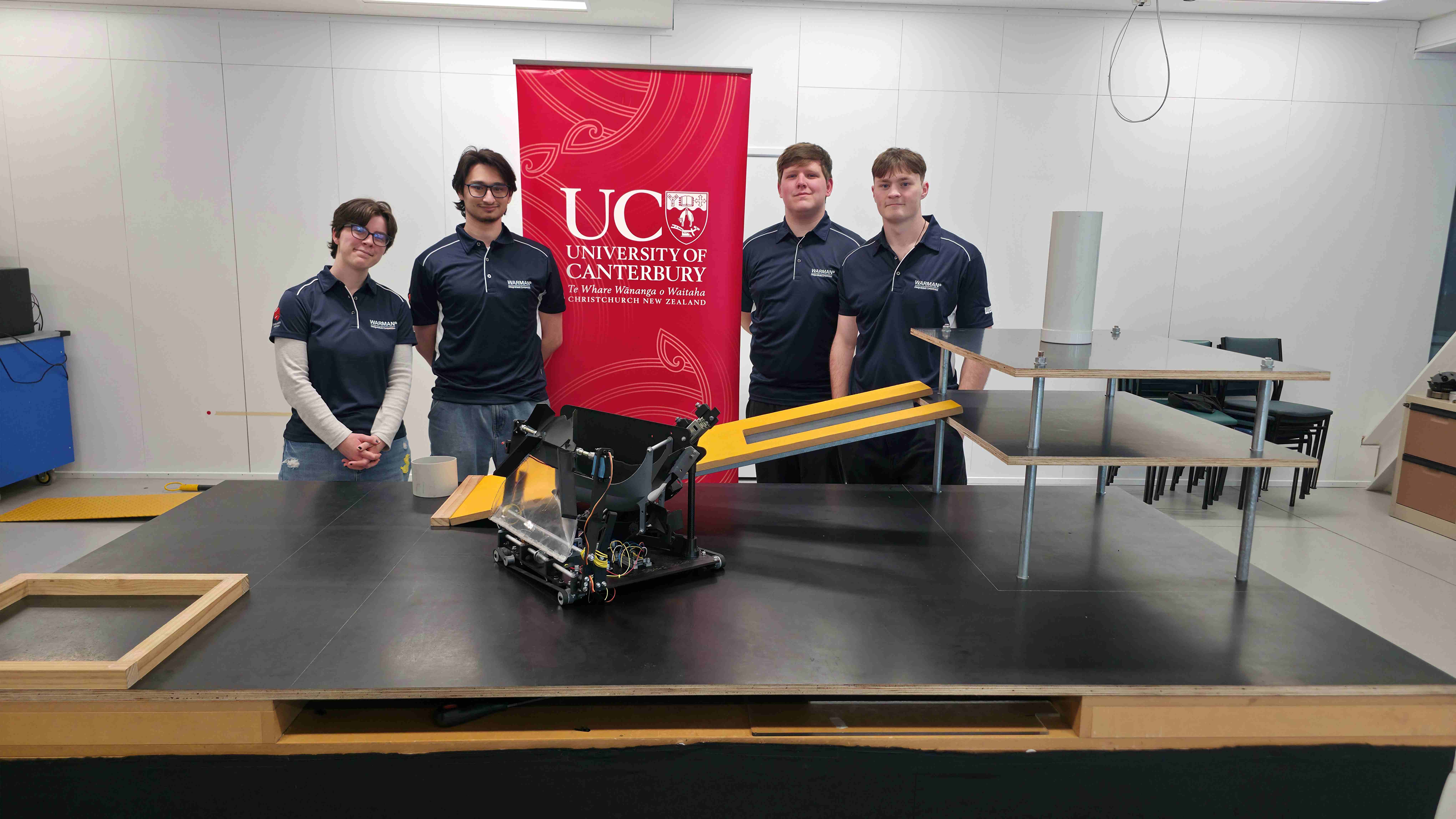
UC engineering students win international competition
A robot designed to transport rocks automatically has helped four UC engineering students claim an international title.
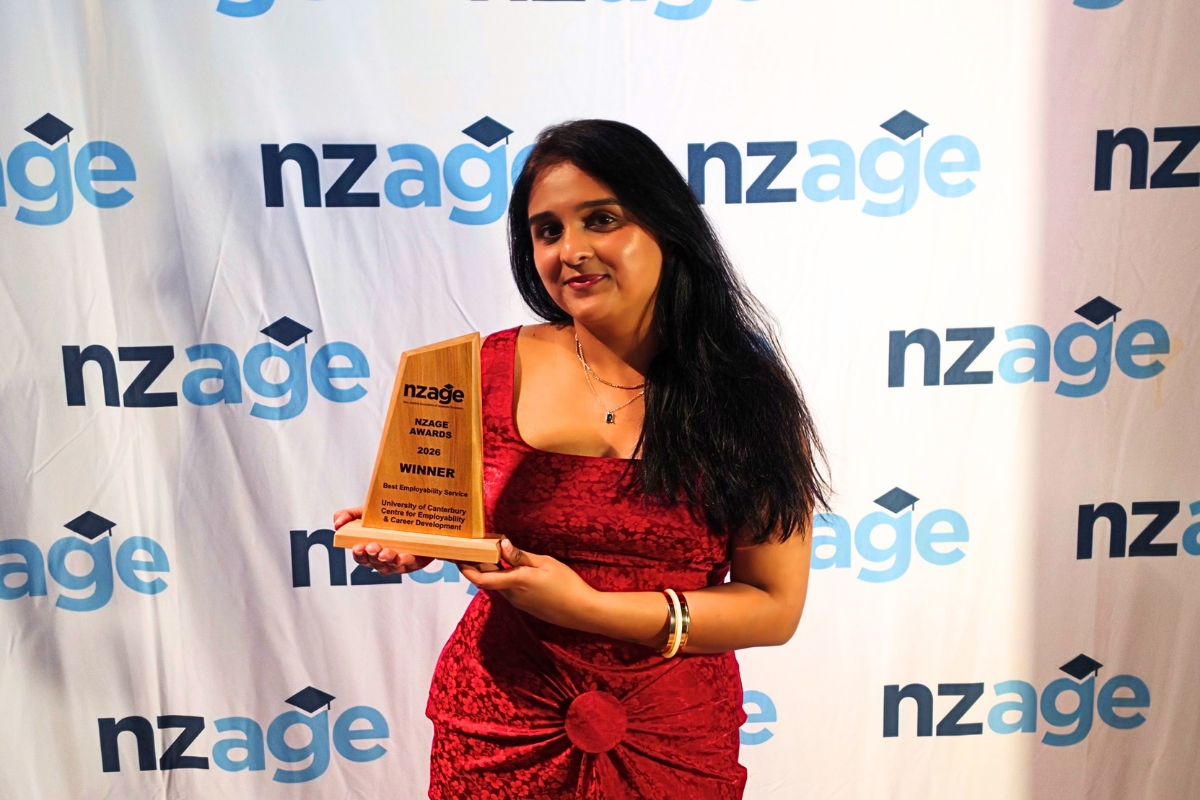
UC wins national award for employability service
UC has been recognised for excellence in helping students develop career-ready skills and connect with employers.
Fair suppliers strengthen business resilience
Businesses are better able to withstand disruption when suppliers make fair decisions and turn strong relationships into flexible action, UC research finds.
Digital models to help predict natural hazards in Kiwi capital
An innovative project using digital simulations to predict future hazards in New Zealand’s capital city takes its name from science fiction.
UC research challenges how we think autistic children learn
New UC research is challenging assumptions about how autistic children learn language.
Tiny robots, big potential: UC PhD explores new frontier
A UC researcher is pioneering laser-controlled robot swarms thinner than a human hair — work he believes could one day transform medicine and manufacturing.
UC research puts local knowledge at heart of resilience
UC research explores how Pacific Island nations can better use place-based knowledge to strengthen disaster planning and resilience.