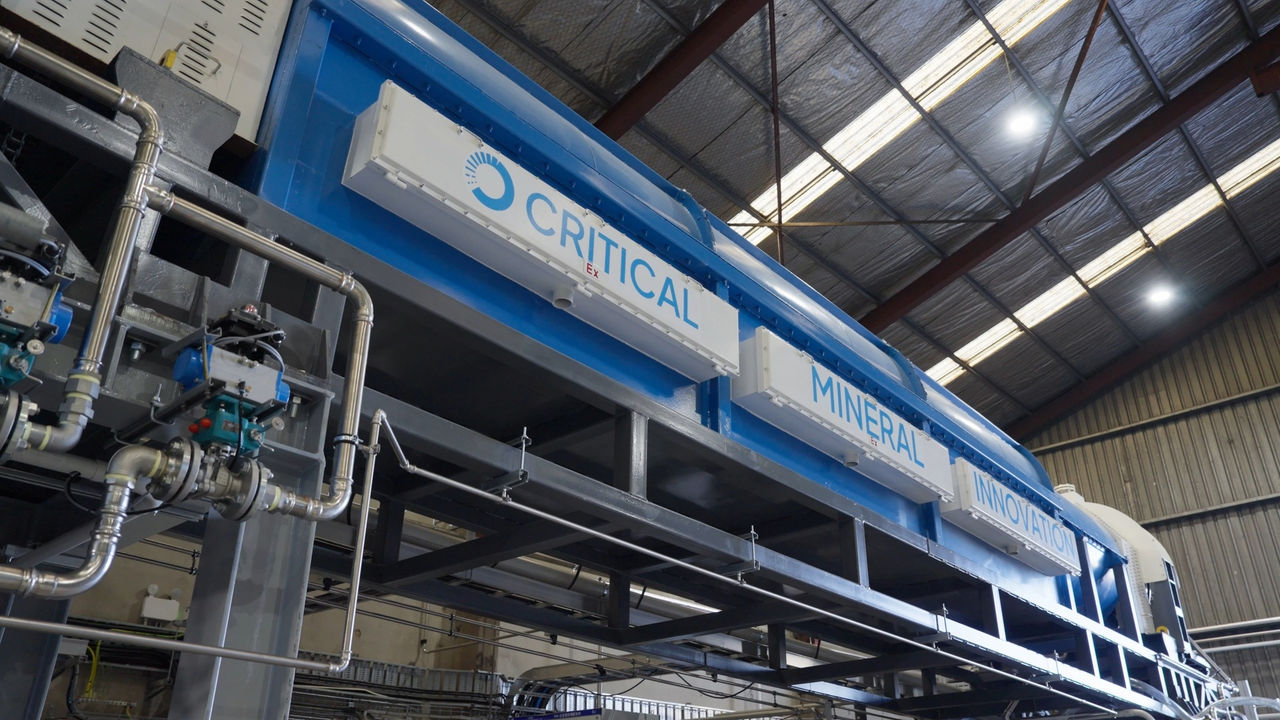


Zethos Business Development Manager Morgan Dolfing says their cleantech process has significant economic and environmental benefits, as well as offering critical mineral supply security.
“We estimate the global recoverable value of critical minerals in steel mill dust is around $10 billion. We’re looking at a $500 billion market for critical mineral refining overall, so the market opportunity is significant.”
Dolfing says the company has been built on the talent flow from Te Whare Wānanga o Waitaha | University of Canterbury (UC). “The majority of our employee-base and 100 percent of our research team are UC graduates,” he says.
The new technology developed by the Zethos team addresses key challenges in traditional critical mineral recovery including zinc, copper, manganese and nickel.
“Steel mill waste dust is a massive pain-point for the sector,” Dolfing says. “Currently the technology for extracting zinc from steel mill dust is very energy intensive and reliant on fossil fuels. It was developed over 100 years ago and while there have been incremental improvements, the fundamental chemistry has remained the same.
“However, our patented metal refining platform uses selective reduction and electrochemical technology to extract minerals from industrial waste, to be turned into ingots (a solid block of pure material) ready for sale. This means Zethos’ new technology uses 70 percent less energy than existing methods, with up to 50 percent lower operating costs and up to 95 percent lower carbon emissions.”
The company was founded in 2021 by Chief Executive Jonathan Ring, and Tech and Innovation Lead and current UC Chemical and Process Engineering Professor Aaron Marshall. From initial lab and pilot operations housed at UC, the company secured $16 million in equity funding to rapidly scale up and recently opened a world-first demonstration scale facility in Bromley, Christchurch.
Housed in the new 2500m2 building, the demonstration facility is 100 times the size of the pilot at UC and is the last research and development stage before full commercialisation. Zethos has also just entered a partnership with New Zealand Steel, which will enable the facility to process byproduct from New Zealand Steel’s new electric arc furnace facility.
“This facility will prove that the technology is commercially viable and scalable,” Dolfing says. “In moving from research to large-scale operations, we’ve learned a lot – we had a strong research base but had to rapidly build our large project delivery muscle. We have also been managing rapid operational growth, with the team size doubling in the last year to 17 FTE. The next step up will be full scale commercial operations.”
“Our aim is to install plants near major steel mills around the world, with the ability to size the plant to suit the market. This will enable us to reduce the amount of waste going to landfill while securing a circular, fully local supply of critical minerals back to these mills. By providing local supply of critical minerals, we can protect customers from global market disruptions.”
While the operation has now moved off-campus, Dolfing says the company retains strong links with UC.
“Zethos had its start with UC and that integration remains a key part of the company. In the years since the company was founded, we have greatly benefited from UC’s expert staff, resources, and facilities. We have also been lucky to utilise UC’s access and connectivity to the wider support ecosystem for start-ups, such as the MacDiarmid Institute, KiwiNet, Invest New Zealand and ChristchurchNZ.”
What to read next
UC celebrates its Manaaki New Zealand scholar
After completing their studies at the University of Canterbury, 15 Manaaki New Zealand scholars are preparing for the next chapter of their journeys.

NZ study reveals gaps in women's heart healthcare
A review of 25 years of New Zealand research has revealed significant gaps in women's heart healthcare, highlighting opportunities to improve diagnosis, treatment and outcomes.

History goes hi-tech at Awaroa Godley Head
The University of Canterbury's HIT Lab is helping Awaroa Godley Head visitors enjoy a more immersive experience of the World War II heritage site.

UC geography graduate honoured for global science leadership
UC alumnus Distinguished Professor Emeritus Iain Hay has received a prestigious international Fellowship recognising his contributions to geography and scientific collaboration.

Are Kiwi businesses jumping blindly on the AI bandwagon?
AI doesn’t have to play an inevitably dominant role in our lives, businesses and future, argues a guest speaker for an upcoming UC public lecture.

UC engineering students win international competition
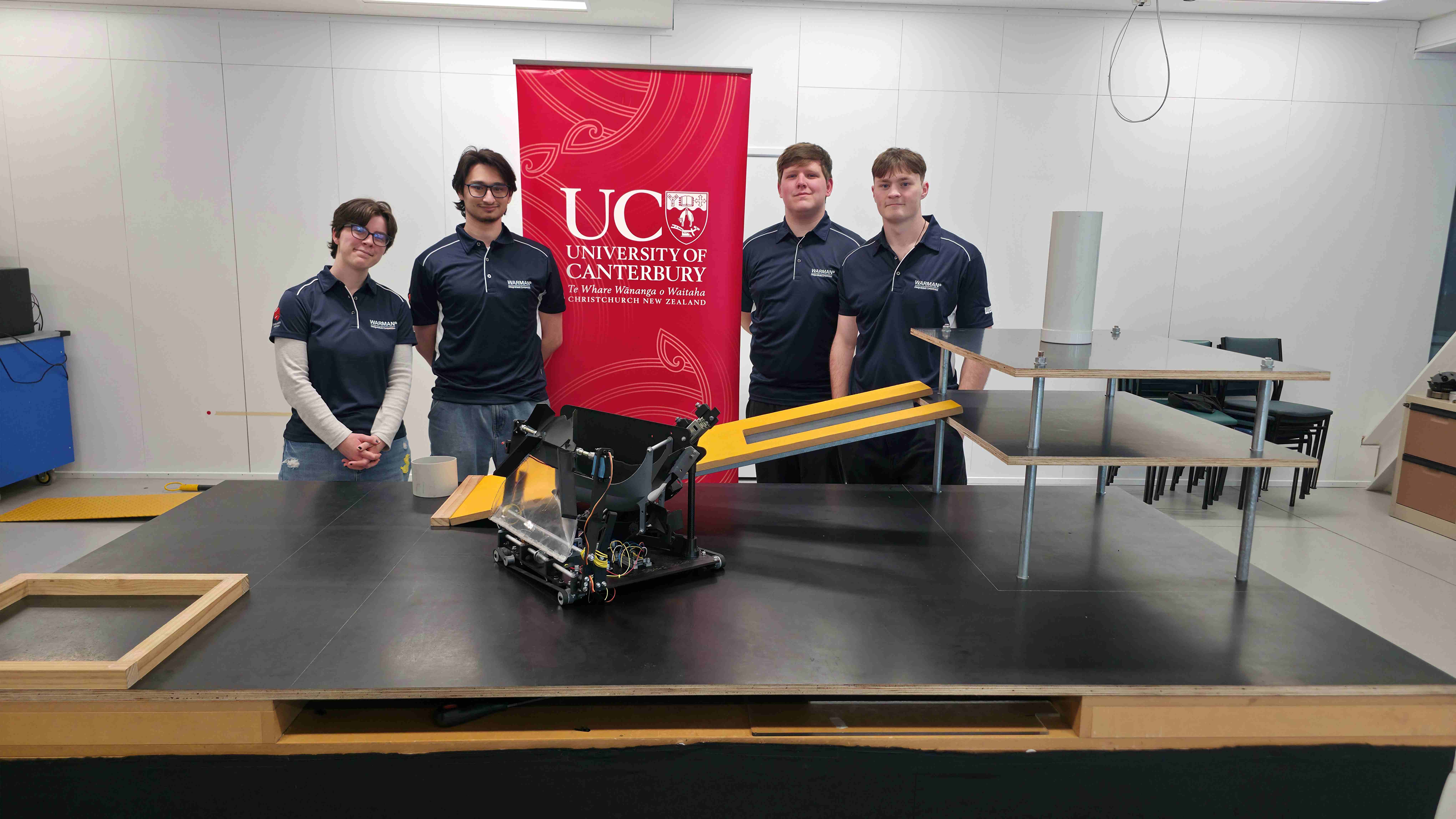
A robot designed to transport rocks automatically has helped four UC engineering students claim an international title.
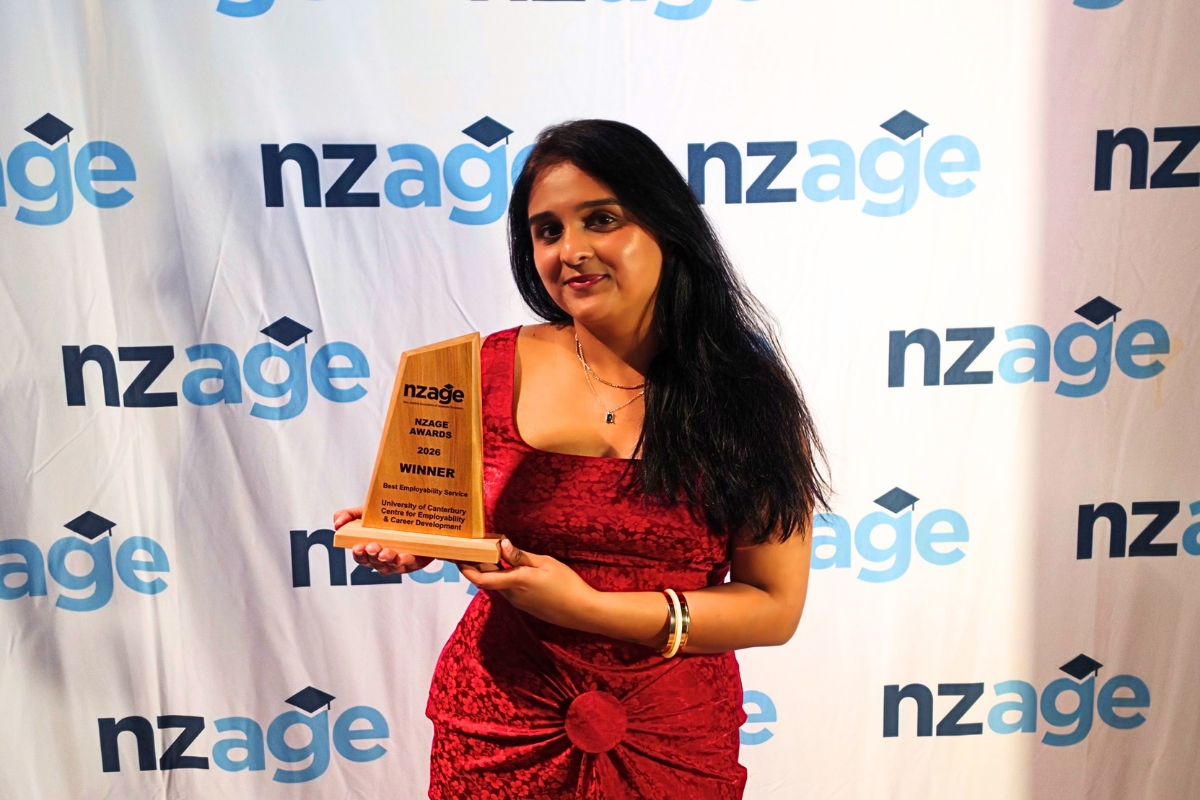
UC wins national award for employability service
UC has been recognised for excellence in helping students develop career-ready skills and connect with employers.
Fair suppliers strengthen business resilience
Businesses are better able to withstand disruption when suppliers make fair decisions and turn strong relationships into flexible action, UC research finds.
Digital models to help predict natural hazards in Kiwi capital
An innovative project using digital simulations to predict future hazards in New Zealand’s capital city takes its name from science fiction.