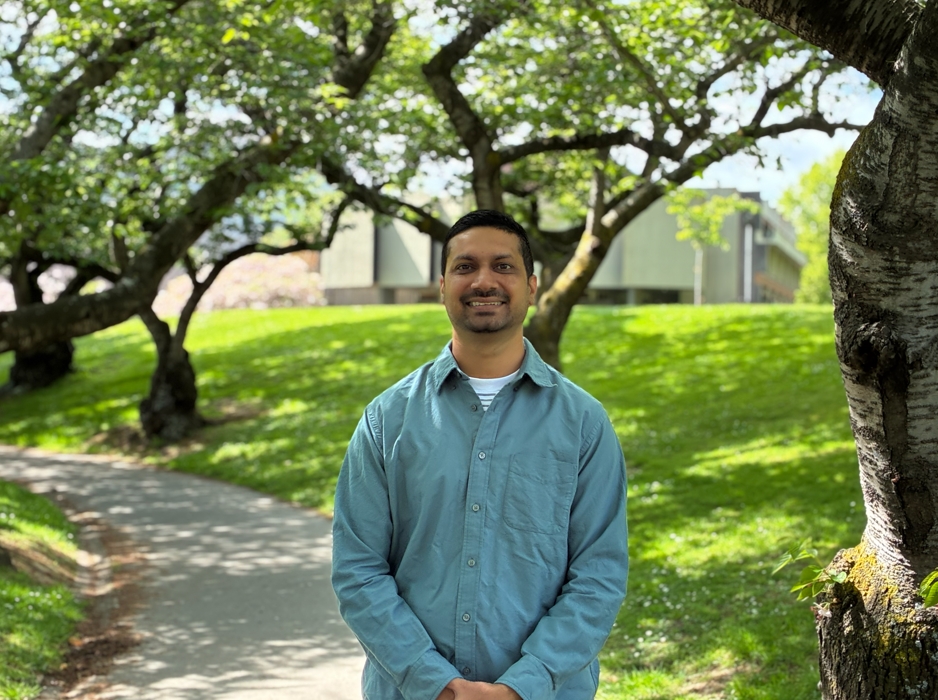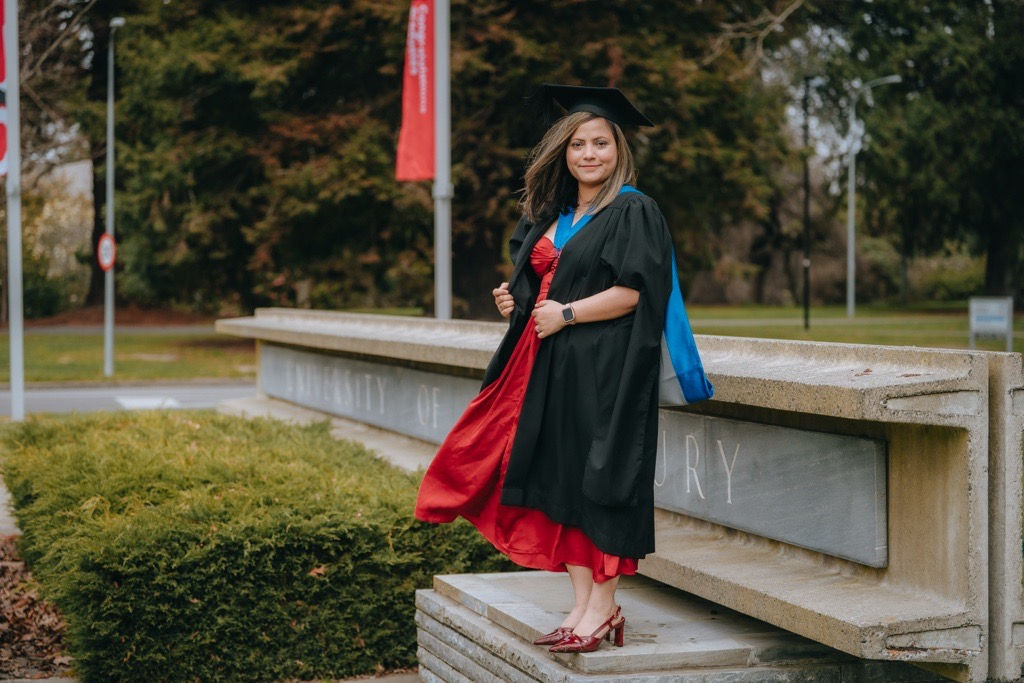


Photo caption: University of Canterbury Master of Geospatial Data Science graduate Bhawana Kafle
Te Whare Wānanga o Waitaha | University of Canterbury (UC) Master of Geospatial Data Science (GIS) graduate Bhawana Kafle is now working as a geospatial analyst at Northland Regional Council.
Her work includes creating maps, field tools and dashboards for internal teams, including a civil defence emergency management dashboard that brings key information into one place during emergency events.
“In an emergency, GIS data can help us prepare,” she says. “After an event, it can help us understand what people need, whether that is shelter, food or other support.”
Her work shows how practical GIS can be in an emergency.
“GIS is not just a map, it’s a tool for solving real-world problems. Dashboards help emergency managers respond before, during and after an emergency. You can make a lot of difference with one dataset and one map,” she says.
Kafle’s interest in GIS began while she was studying forestry in Nepal. After moving to Aotearoa New Zealand, she saw GIS as a way to build on that background and open new career options.
“I was exposed to remote sensing before and I thought it was so interesting,” she says. “GIS felt like a way to keep building on that.”
UC’s Master of Geospatial Data Science appealed because of its professional focus, particularly the internship component, and the opportunity to build coding and technical skills alongside geospatial expertise.
“The internship was what stood out, to be honest. I wanted to get exposed to the real-world job here as well, so I thought the internship would be the best way.”
Returning to study was challenging at first. Kafle had not done coding before and says she initially thought GIS was mostly about maps. The programme pushed her to build new skills, while support from lecturers, supervisors and classmates helped her keep going.
“When I started, I thought I might give up because it was really difficult,” she says. “But over time, I realised I was building skills that I use in my work.”
The internship became an important step into work. At Christchurch City Council, she helped build a tsunami response dashboard with Environment Canterbury, giving communities clear guidance on evacuation zones, routes and safe places.
Christchurch also played a part in her decision to study at UC. After living in Wānaka, she was drawn to the city’s energy and community.
“Christchurch is like my second home."
For Kafle, the work is ultimately about helping people.
“I really want to help communities. If we can help make the world better, then why not?”
What to read next
UC geography graduate honoured for global science leadership
UC alumnus Distinguished Professor Emeritus Iain Hay has received a prestigious international Fellowship recognising his contributions to geography and scientific collaboration.
Are Kiwi businesses jumping blindly on the AI bandwagon?
AI doesn’t have to play an inevitably dominant role in our lives, businesses and future, argues a guest speaker for an upcoming UC public lecture.
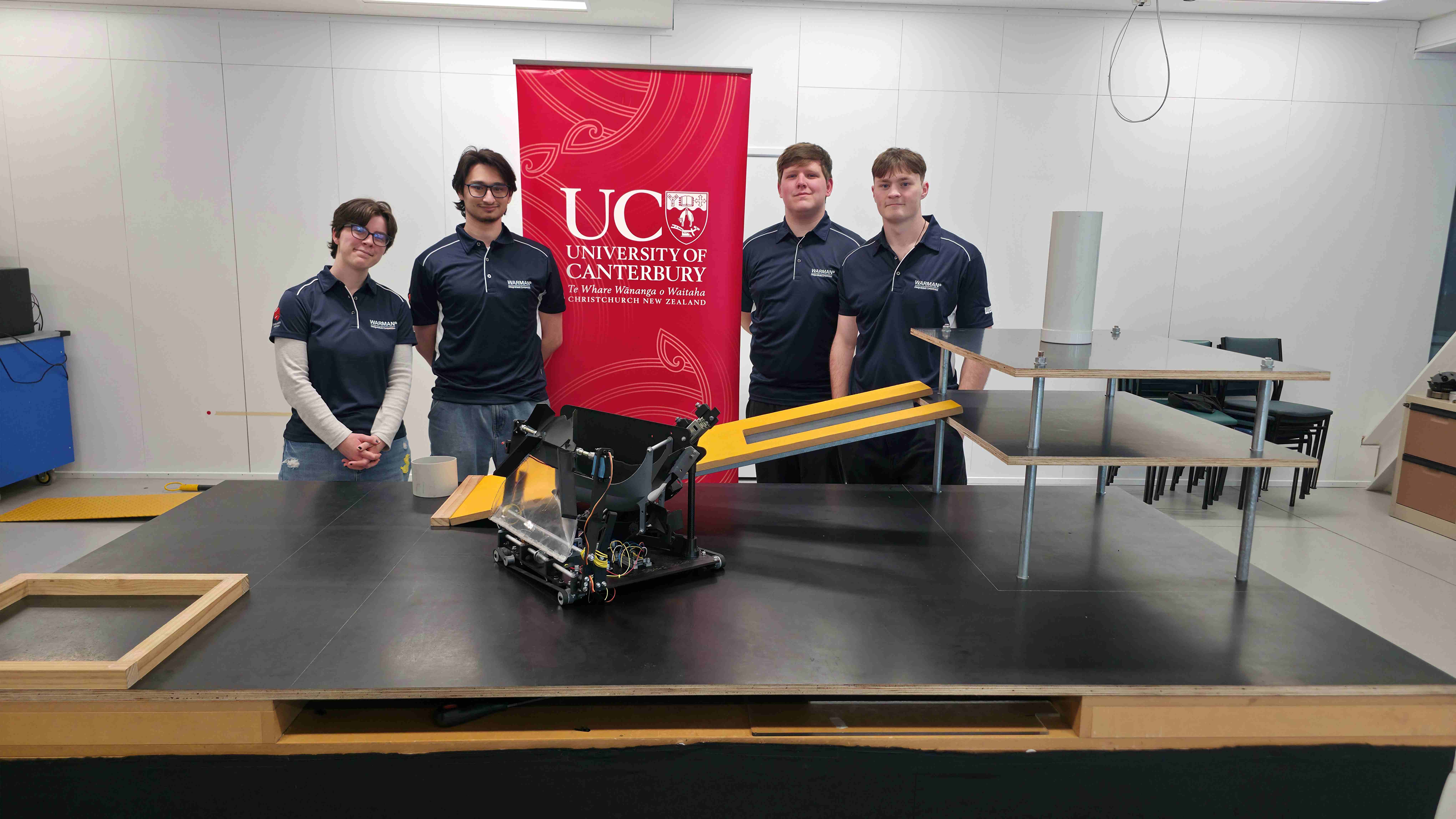
UC engineering students win international competition
A robot designed to transport rocks automatically has helped four UC engineering students claim an international title.
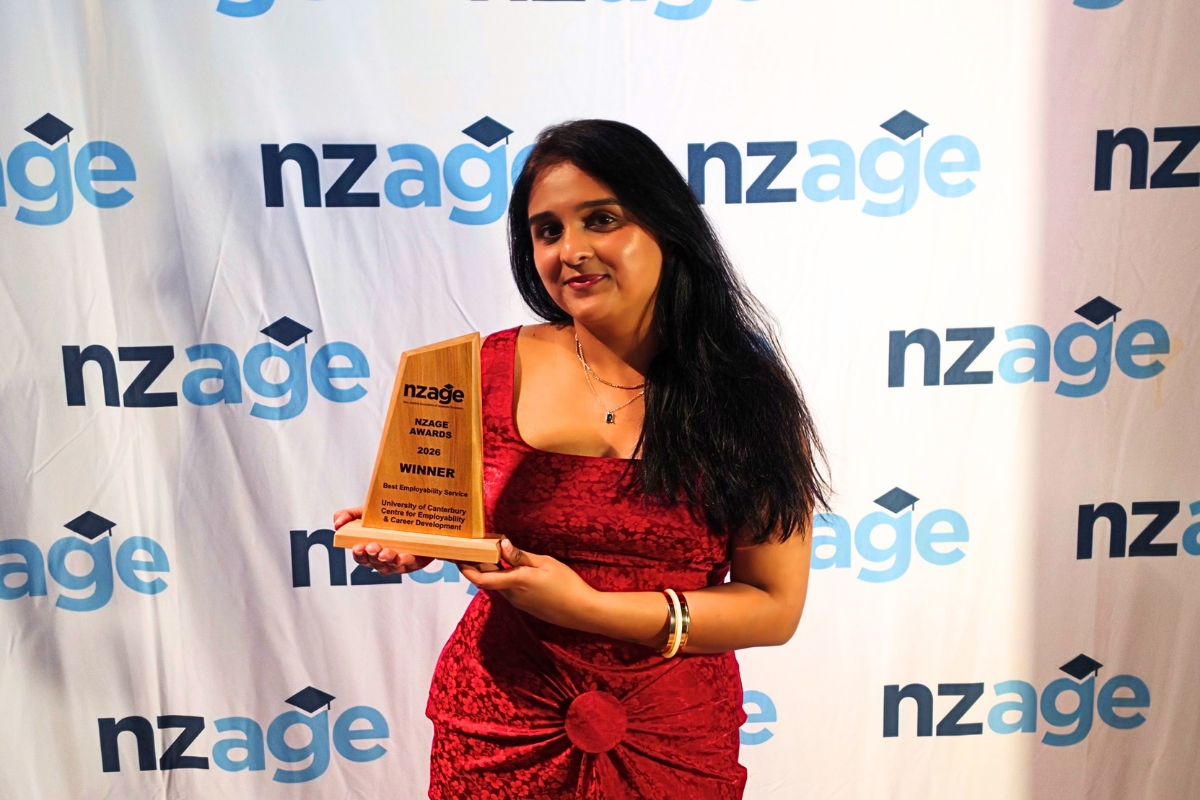
UC wins national award for employability service
UC has been recognised for excellence in helping students develop career-ready skills and connect with employers.
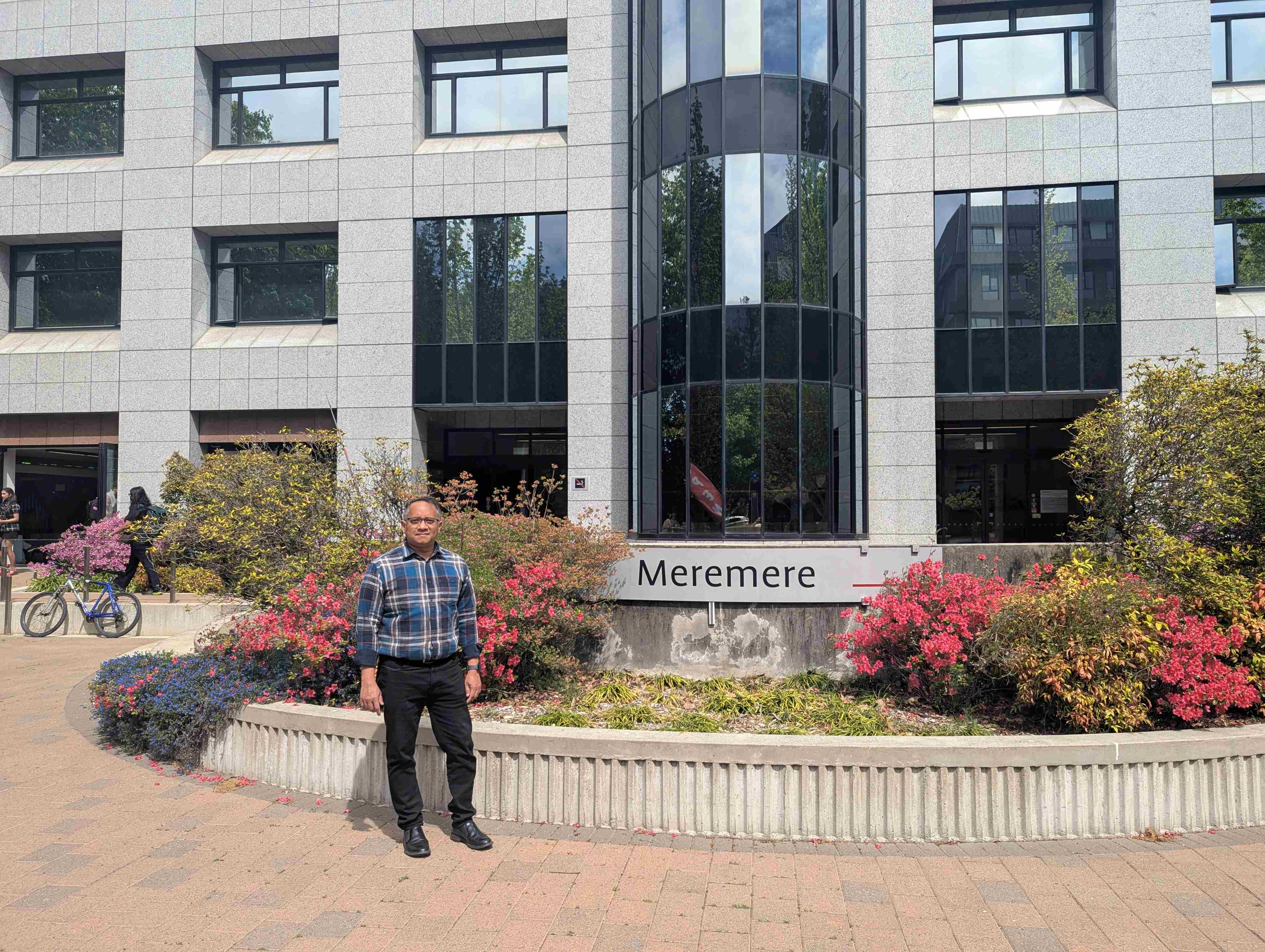
Fair suppliers strengthen business resilience
Businesses are better able to withstand disruption when suppliers make fair decisions and turn strong relationships into flexible action, UC research finds.
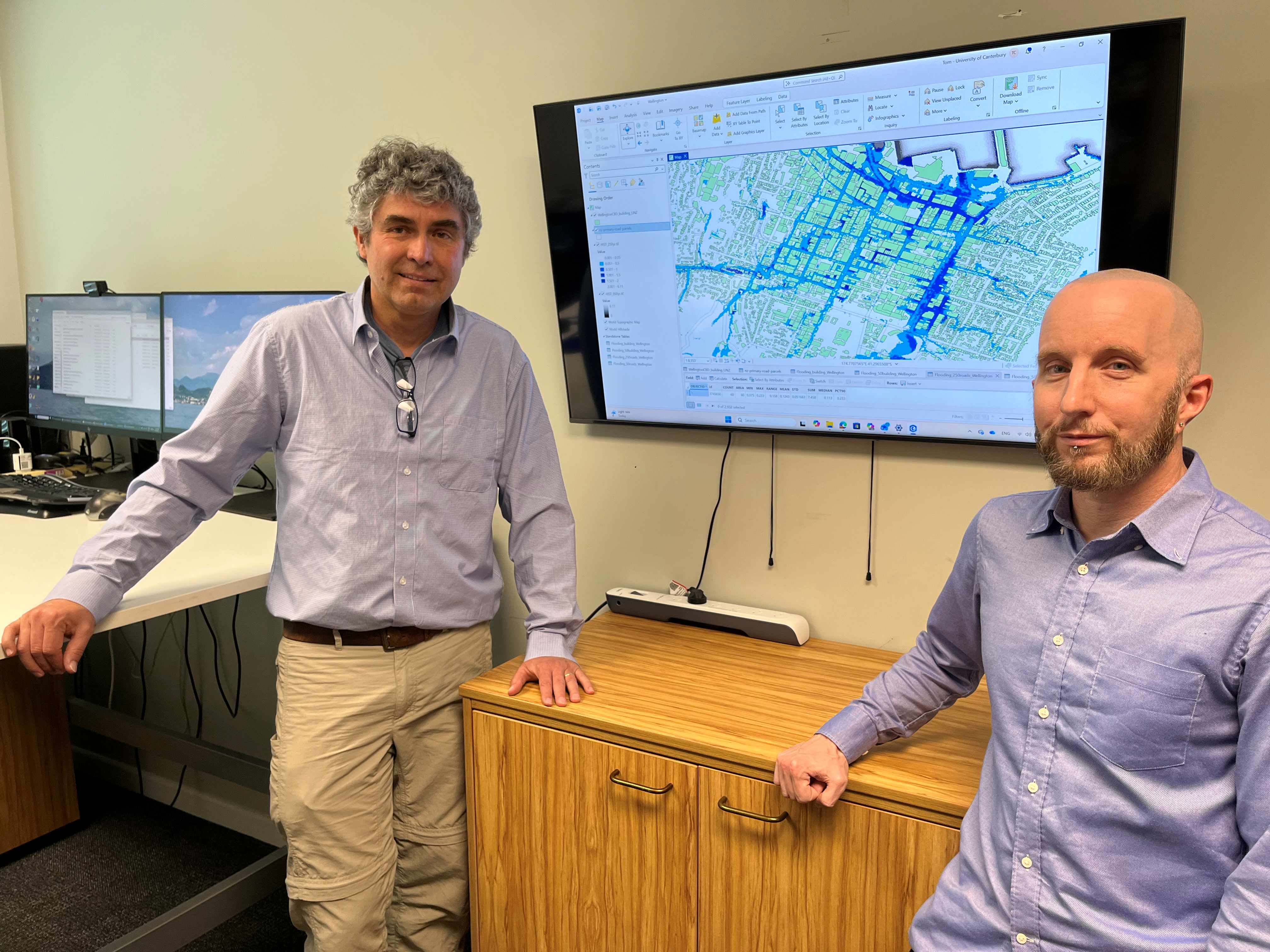
Digital models to help predict natural hazards in Kiwi capital
An innovative project using digital simulations to predict future hazards in New Zealand’s capital city takes its name from science fiction.
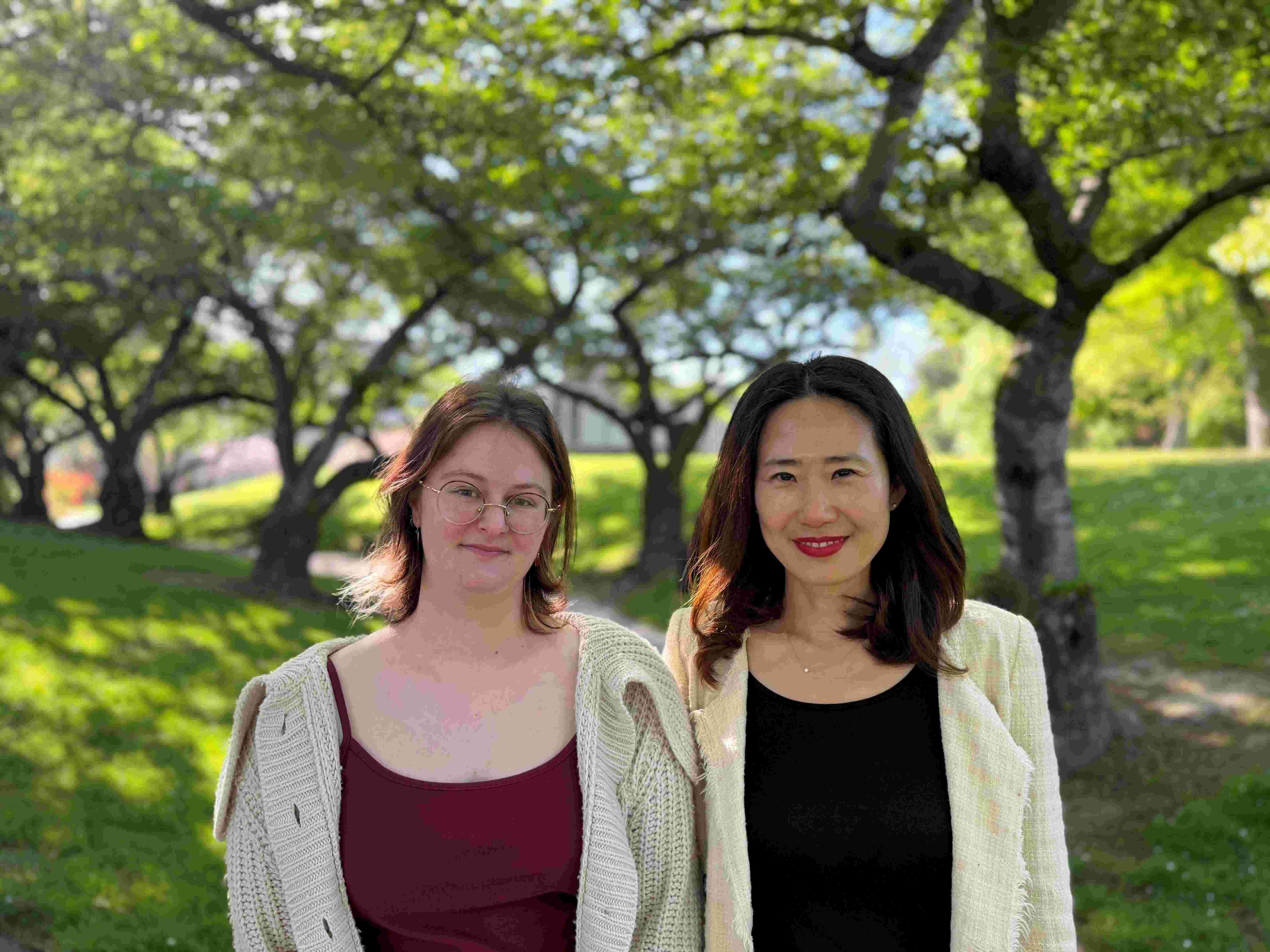
UC research challenges how we think autistic children learn
New UC research is challenging assumptions about how autistic children learn language.
Tiny robots, big potential: UC PhD explores new frontier
A UC researcher is pioneering laser-controlled robot swarms thinner than a human hair — work he believes could one day transform medicine and manufacturing.
UC research puts local knowledge at heart of resilience
UC research explores how Pacific Island nations can better use place-based knowledge to strengthen disaster planning and resilience.