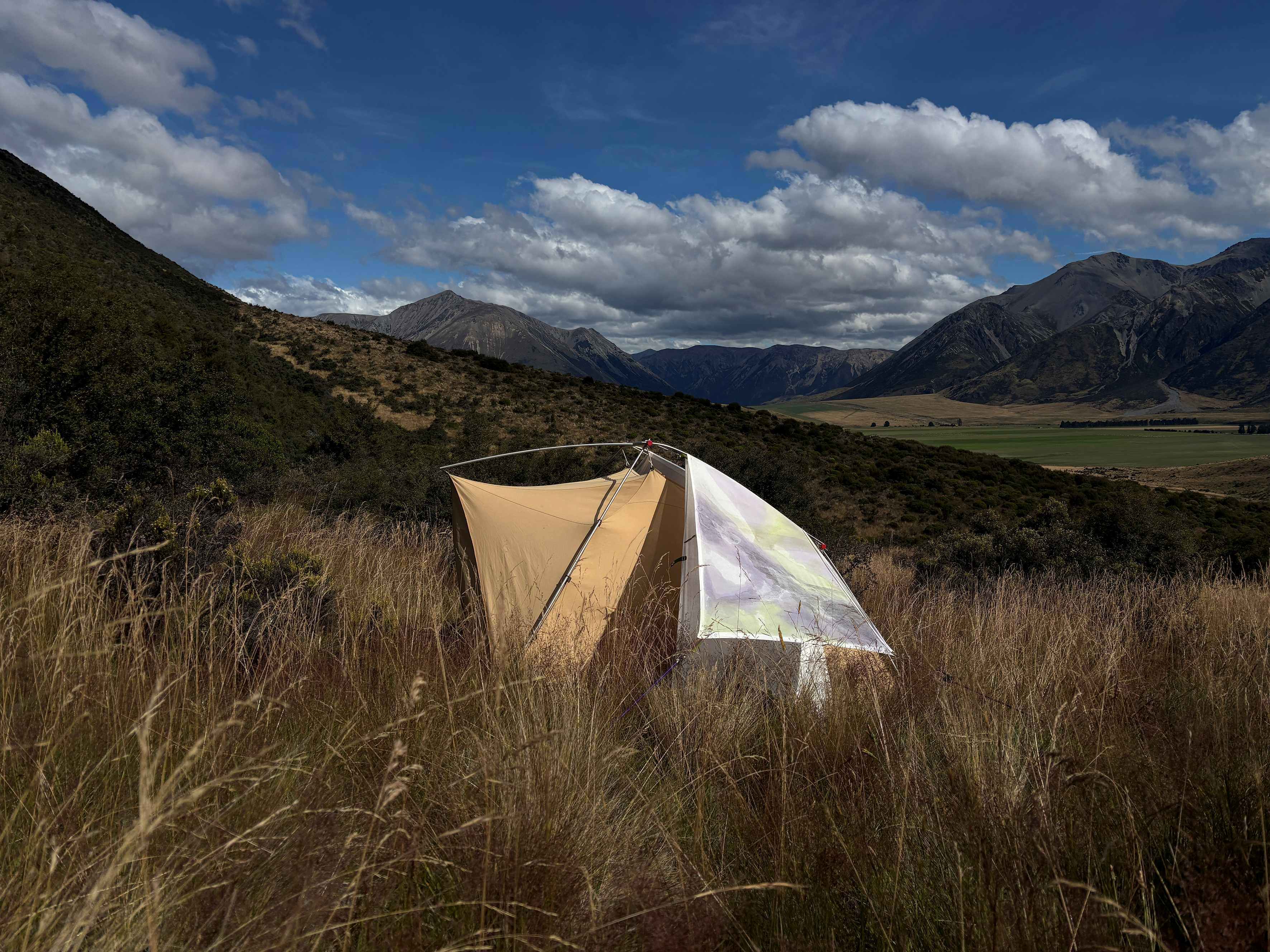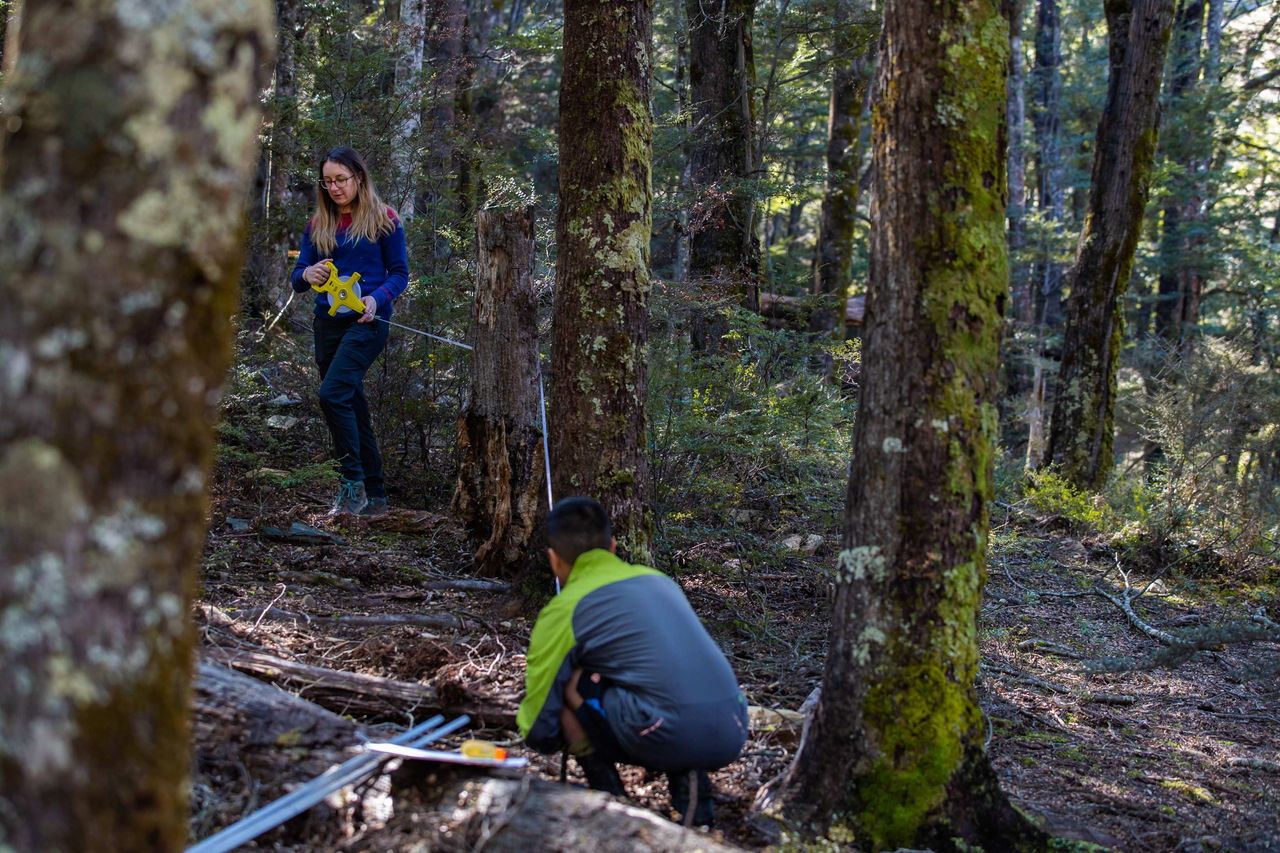

Photo caption: UC students gain hands-on research experience in the Southern Alps.
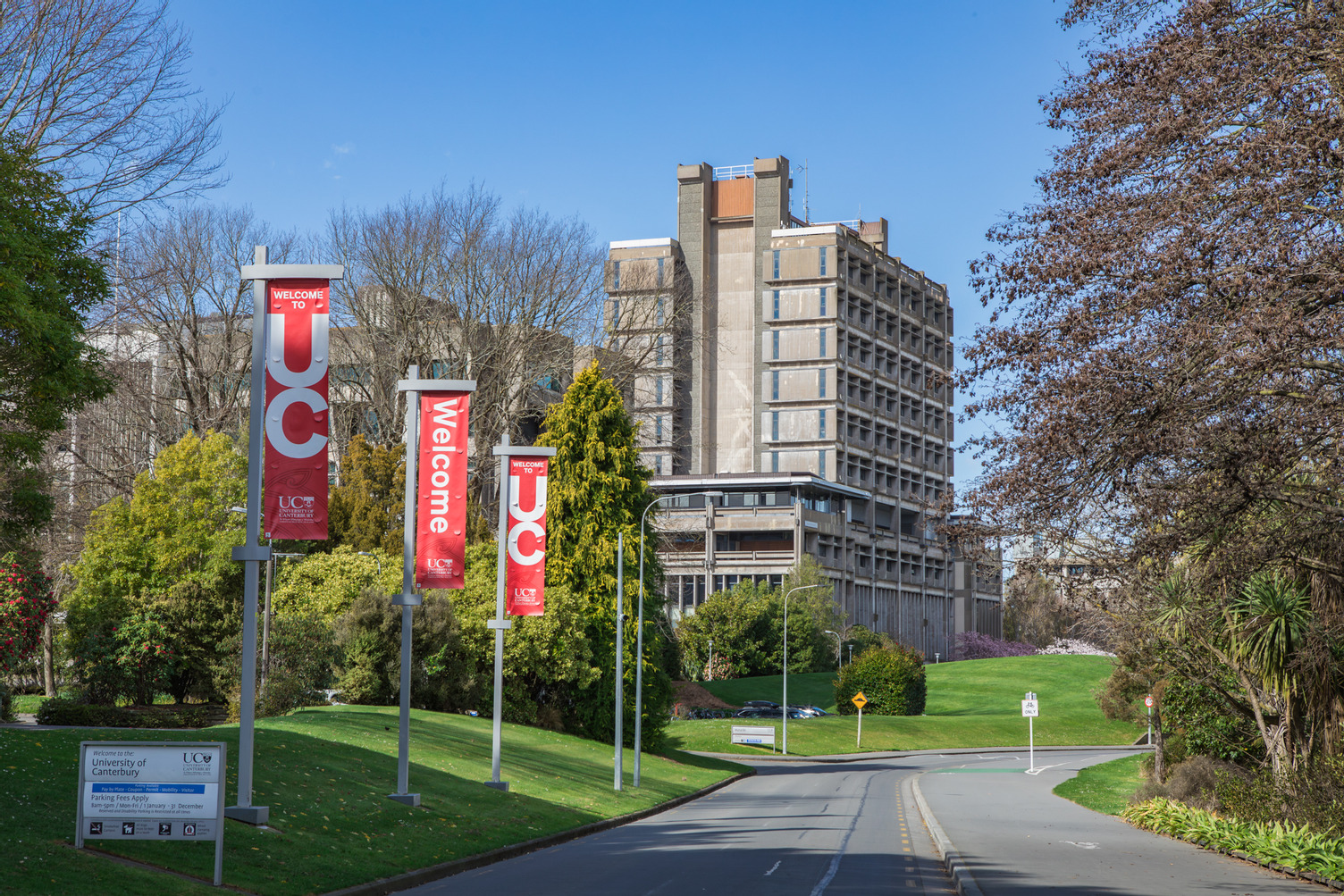
The Field Ecology course (BIOL275) at Te Whare Wānanga o Waitaha | University of Canterbury (UC), takes students into the Southern Alps, where they contribute to long-term ecological datasets while building practical fieldwork, data analysis and scientific communication skills.
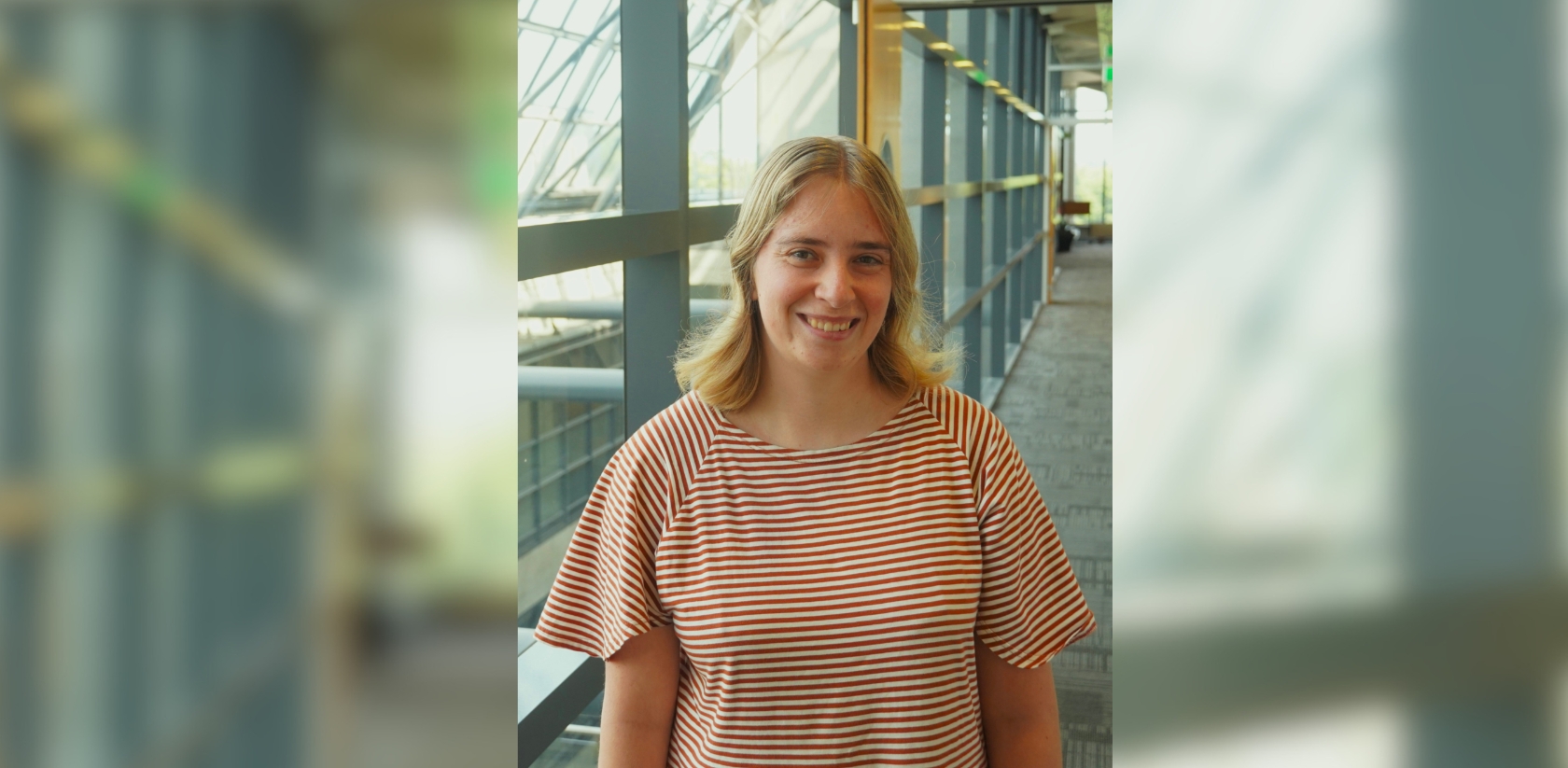
Dr Sara Kross, from UC’s School of Biological Sciences, says the course gives students a rare opportunity to contribute to real-world ecological research while developing skills that are essential for future science careers.
“It’s a mini kind of career training in a couple of days up in the mountains,” Dr Kross says. “For students who haven’t had much fieldwork experience, it can be truly life changing. A field course like this led me down the path of becoming an ecologist, because it opened my eyes to what it was like to collect data in the real world, where you don’t always know what’s going to happen, and it felt good to contribute to something bigger.”
Students learn practical research skills including plant and animal identification, ecological monitoring, data collection, field safety, data analysis and scientific reporting. They measure trees, assess plant cover, check artificial shelters for native lizards, monitor wētā hotels and set light traps at night to study insects in different habitats.
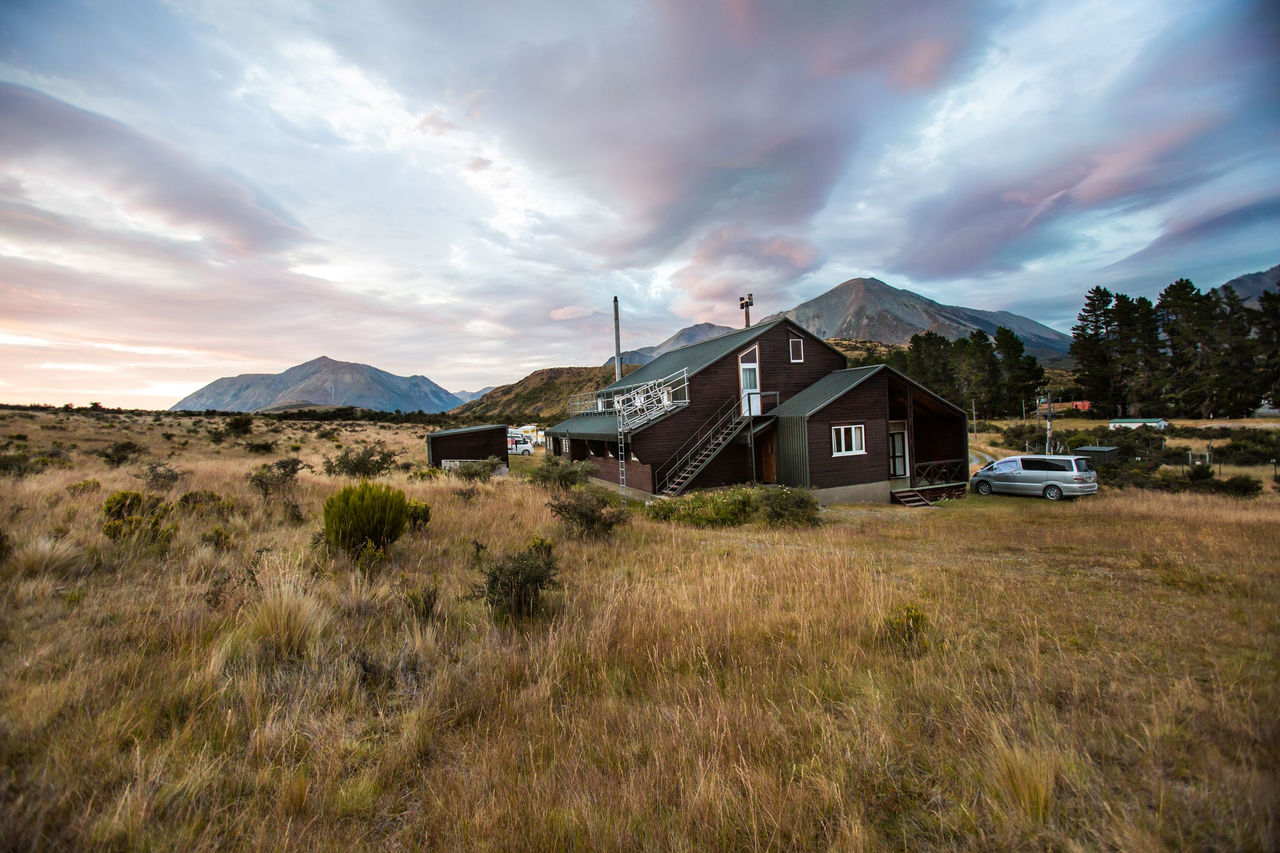
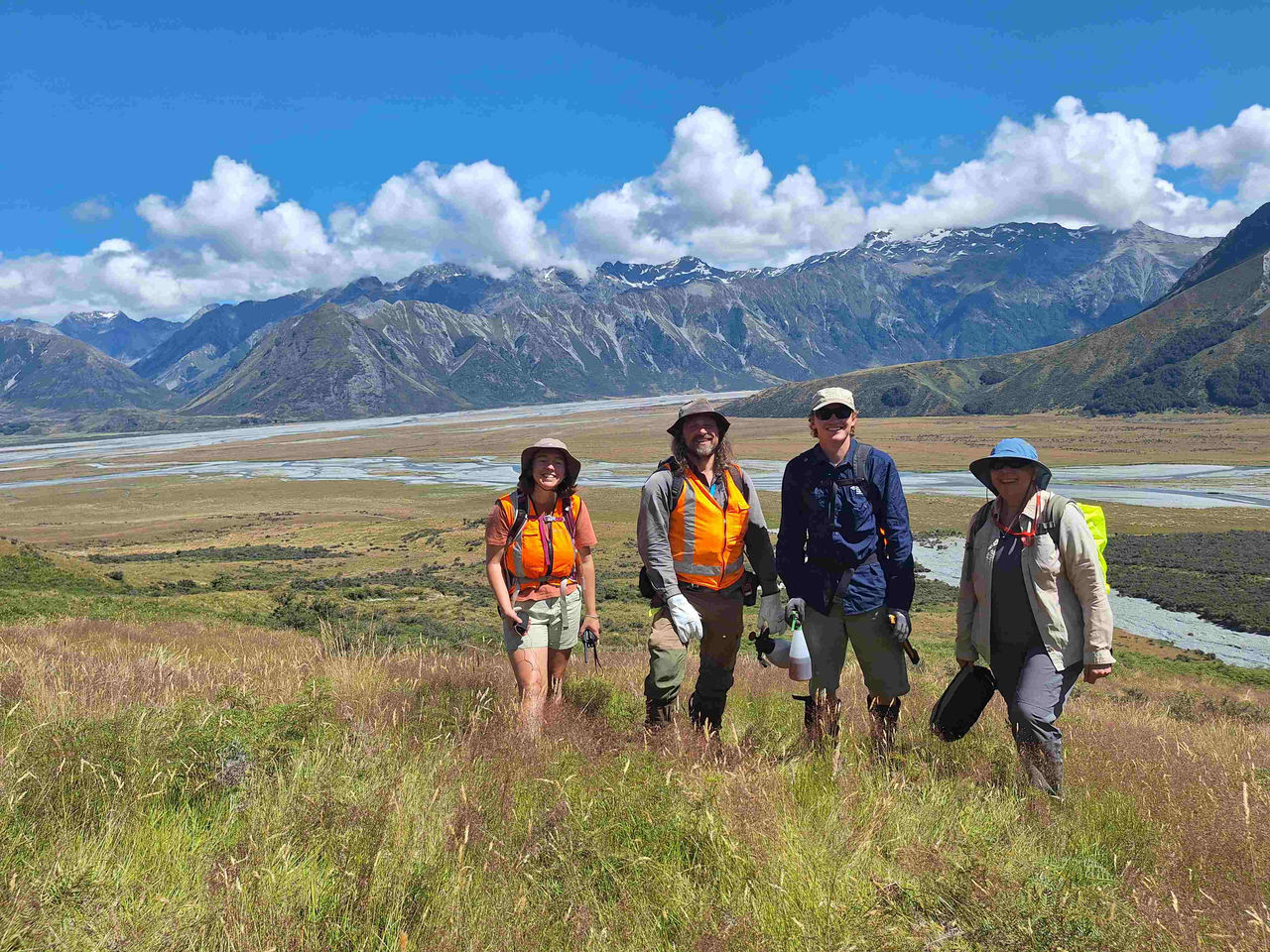
Based at UC’s Cass field station near Arthur’s Pass National Park, the course gives students direct experience in alpine and subalpine environments that cannot be replicated in a classroom or online.
“At Woolshed Hill, students identify trees and shrubs across an area affected by a major windfall event and measure the diameter of trees to estimate how much biomass has returned as the forest recovers,” Dr Kross says.
In another exercise, students monitor native lizard populations in areas affected by fire, comparing burned habitat with nearby unburned sites. They check artificial cover objects to see whether grass skinks or geckos are present, record what they find, and use the data to track how lizard communities change as vegetation recovers over time.
The course’s findings are shared with conservation partners and researchers, including Department of Conservation staff, Environment Canterbury and herpetologists, contributing to wider knowledge about alpine ecosystems, fire impacts and post-fire recovery.
Dr Kross says the work is particularly important as fire becomes an increasing challenge in Aotearoa New Zealand.
“The incidence of fire has increased substantially in New Zealand. It’s not naturally a fire-prone system, and most of our plants and animals have not evolved to deal with fires.
“Having the kind of long-term data that we collect from a course like this allows us to look at not only what happens immediately after a fire, but also what happens five to 10 to 20 years after a fire.”
Dr Kross says the course also builds strong human connections. Students live, eat and work together at Cass Field Station, completing research in teams and supporting each other through the physical and intellectual challenges of fieldwork and data analyses. For many, the shared experience helps build confidence, friendships and a stronger sense of identity as emerging ecologists and scientists.
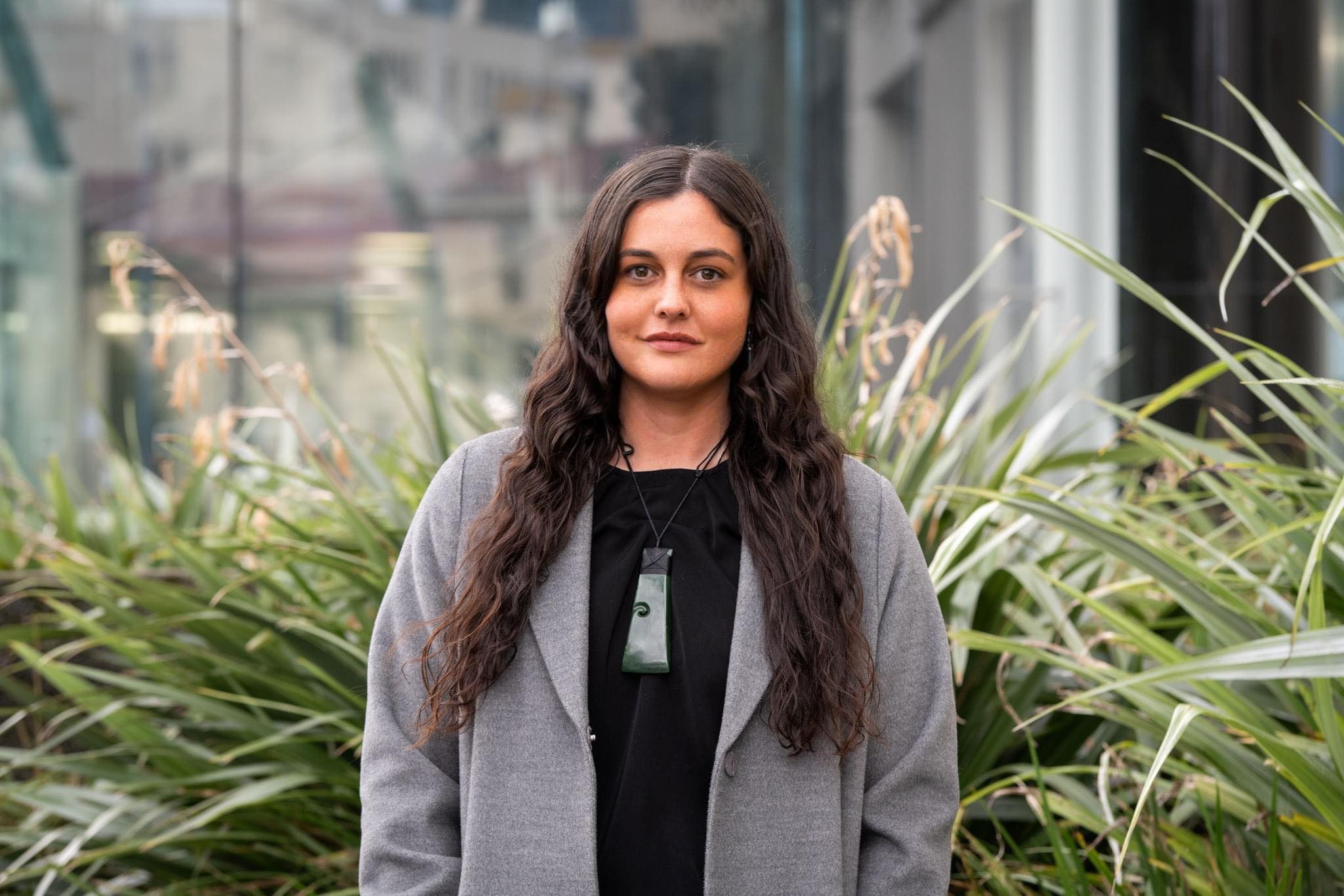
UC graduate Tilly King, who now works as a Biodiversity Advisor at Environment Canterbury, says the skills she learned in BIOL275 are part of her everyday work. “Every day, I am putting the skills I learnt into use, including report writing, field skills, communication and ecological concepts,” she says.
A highlight was seeing native species up close, including wētā and a Southern Alps gecko found beneath an artificial cover object. “Seeing these beautiful creatures in person, in their natural forest environment was special, and it sparked a passion in me that has been lit ever since,” she says. She later completed honours research at UC on mice and lizard interactions, and plans to continue this work through a Master of Ecology next year.
“I’m getting to stand on the shoulders of giants by coming in as a newer lecturer, teaching and building on something that my current colleagues, and now retired and Emeritus colleagues, set up in the first place. It’s becoming a multi-generational science project, which is really special,” Dr Kross says.
“Very few places in the world are as unique as Cass, right on the edge of a national park in the beautiful Southern Alps.
.png)