

Key points
UC researchers combine genomic and demographic data to inform conservation strategies for some of Aotearoa New Zealand's rarest species.
High-performance computing enables the analysis of large genomic datasets, providing deeper insights into biodiversity loss and species recovery.
The research is undertaken in partnership with iwi and hapū, conservation practitioners, and local communities to improve conservation outcomes.
Using genomics to support threatened species
Understanding genetic diversity is critical for the conservation of threatened species. Researchers at the School of Biological Sciences, University of Canterbury (UC) are using genomic and demographic data to better understand and mitigate the consequences of small population size.
Professor Tammy Steeves co-leads the Conservation, Systematics and Evolution Research Team (ConSERT), which uses interdisciplinary approaches to inform the recovery of species on the brink of extinction.
Harnessing high-performance computing
Modern genomic research generates enormous volumes of data that need to be analysed using advanced bioinformatic tools and high-performance computing infrastructure.
By combining genomics, bioinformatics, and high-performance computing, UC researchers can identify patterns of genetic diversity, assess population connectivity, and understand how species respond to environmental change. These insights support more effective conservation actions.
Partnering for conservation outcomes
In partnership with iwi (tribes) and hapū (sub-tribes), conservation practitioners, and local communities, researchers co-develop conservation management strategies for some of Aotearoa New Zealand's most treasured species.
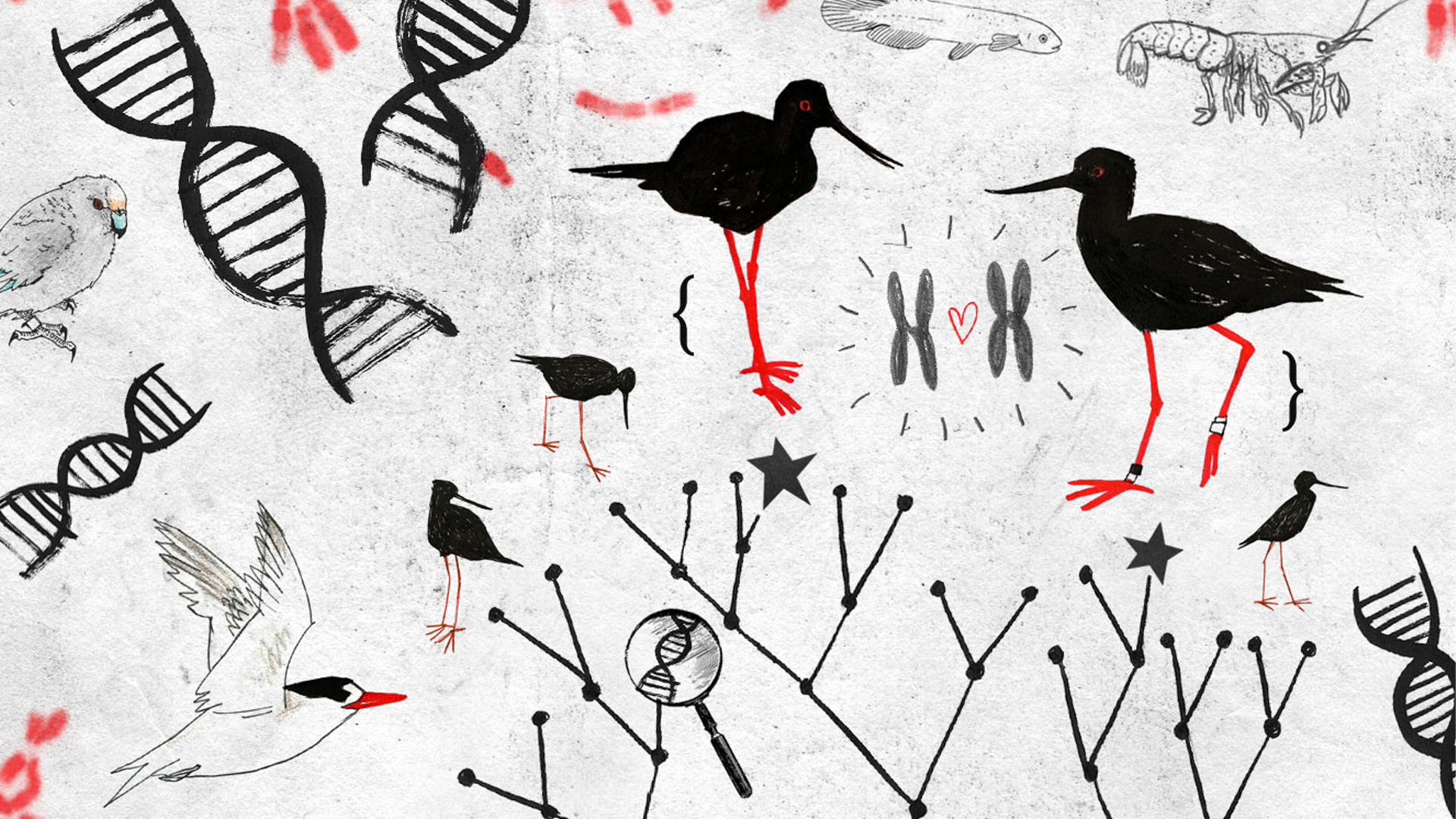
Tammy and ConSERT have contributed to recovery programmes for a range of threatened species, including kakī (black stilt), kākāriki karaka (orange-fronted parakeet), tchūriwat’ | tūturuatu (shore plover) and karure | kakaruia (black robin). Using genomic and demographic data, the team contributes to management decisions that support long-term species recovery by improving the resilience of populations and their ability to respond to emerging threats.
This work is becoming increasingly important as species face growing pressures from habitat loss, introduced predators, climate change, and the spread of diseases such as the highly pathogenic avian influenza (H5N1).
We are privileged to work with some of Aotearoa New Zealand's rarest taonga species in partnership with mana whenua, conservation practitioners, and local communities. By combining high-quality genomic resources and long-term demographic data, we generate insights that help guide recovery efforts while ensuring our research is responsive to the needs and aspirations of the people connected to these species.– Professor Tammy Steeves
A key principle of this work is recognising that taonga (treasured) species, and the genomic data derived from them, are part of the whakapapa (genealogy) that connects people, species, and the environment. Conservation genomics is not only about generating scientific knowledge, but also about working in partnership to ensure research is undertaken in ways that respect tikanga (protocols) and support shared conservation goals.
Supporting the future of conservation
As environmental pressures continue to grow, genomic technologies are providing powerful new tools for understanding and protecting biodiversity. By combining advanced computing approaches that include high-quality genomic data, UC researchers are helping build the knowledge needed to support threatened species and strengthen conservation outcomes across Aotearoa New Zealand.
Talk to Professor Tammy Steeves about conservation, genetics, genomics, biodiversity, species recovery, and species management.
Last updated: October 2026
Related topics
Signature Capabilities
Enabling Infrastructure
Sustainable Development Goals (SDGs)

Contact

We gratefully acknowledging funding from Auckland Council, BioHeritage National Science Challenge, Biomolecular Interaction Centre, Brian Mason Scientific and Technical Trust, Department of Conservation, Genomics Aotearoa, Ministry of Business, Innovation and Employment, Shorebirds Trust, and Te Pūnaha Matatini.
Read other showcases
Take a look at our showcases to see UC’s research expertise in practice.