

Key points
UC researchers are examining the barriers and enablers that influence the adoption of circular economy practices at individual, organisational, and systems levels.
The research explores circular building materials, bioplastics made from food waste, refillable and reusable packaging, plastic waste reduction, plant-based diets, and sustainable consumption.
Findings are informing education, industry practice, and policy in Aotearoa New Zealand and internationally.
Transition to a circular economy
In a circular economy, materials remain in use for longer, systems are designed without waste, and resources are reused and regenerated where possible.
Creating such a sustainable future requires more than technological innovation. It also requires people, organisations, and institutions to change how resources are produced, used, and valued.
Research led by Associate Professor Joya Kemper from the Business School at the University of Canterbury (UC) focuses on understanding the behavioural, organisational, and systemic barriers and enablers that shape the transition to a circular economy. Her research spans a range of sustainability challenges, including circular building materials, bioplastics derived from food waste, refillable and reusable packaging systems, plastic packaging circularity, food waste reduction, and increased consumption of plant-based proteins. Across these areas, the research examines what enables change and what prevents it, helping identify practical pathways for more sustainable production and consumption.
Understanding sustainable behaviour
A key focus of the research is understanding how consumer choices and everyday behaviours can support sustainability transitions.
Joya's work explores questions such as what motivates consumers to adopt refillable packaging systems, reduce food waste, purchase circular products, and shift towards plant-based diets. It also investigates how businesses can encourage sustainable choices in ways that are credible, effective, and meaningful.
By examining behavioural drivers alongside the social, cultural, and structural barriers people face, the research identifies opportunities to support lasting change at scale.
Supporting organisational and systems change
Alongside consumer behaviour, the research examines how organisations and broader systems can enable circular economy outcomes.
This includes exploring how businesses adopt circular business models, how supply chains can support material recovery and reuse, and how policy, infrastructure, and industry collaboration influence the uptake of sustainable innovations. The research highlights that successful sustainability transitions often require coordinated action across consumers, organisations, governments, and communities.
By connecting insights across these different levels, the work helps businesses and policymakers better understand how to scale-up circular and sustainable solutions.
There are ample examples of marketing being used for unsustainable consumption. I'm interested in what drives and motivates behaviour so we can thoughtfully consider how to promote more sustainable behaviours and production that fit within a circular economy.– Associate Professor Joya Kemper
Shaping future sustainability leaders
Joya’s work also extends into teaching and professional education, helping equip current and future leaders with the knowledge and skills required to address sustainability challenges.
She has contributed to the United Nations Responsible Management Education initiatives, climate literacy training, and sustainability-focused business curricula. She also works closely with industry partners to bring real-world sustainability champions into the classroom. These activities connect students with practical examples of sustainability leadership and help bridge research, industry, and education.
Joya is helping develop graduates who understand complex sustainability challenges and can contribute to meaningful organisational and societal change.
Creating impact through systems change
As organisations, governments, and communities seek to reduce environmental impacts and build more sustainable futures, understanding the human dimensions of change is becoming increasingly important.
Through research on circular economy transitions, consumer behaviour, and sustainability marketing, UC researchers are helping identify practical strategies for building a more resilient, low-waste, and sustainable economy.
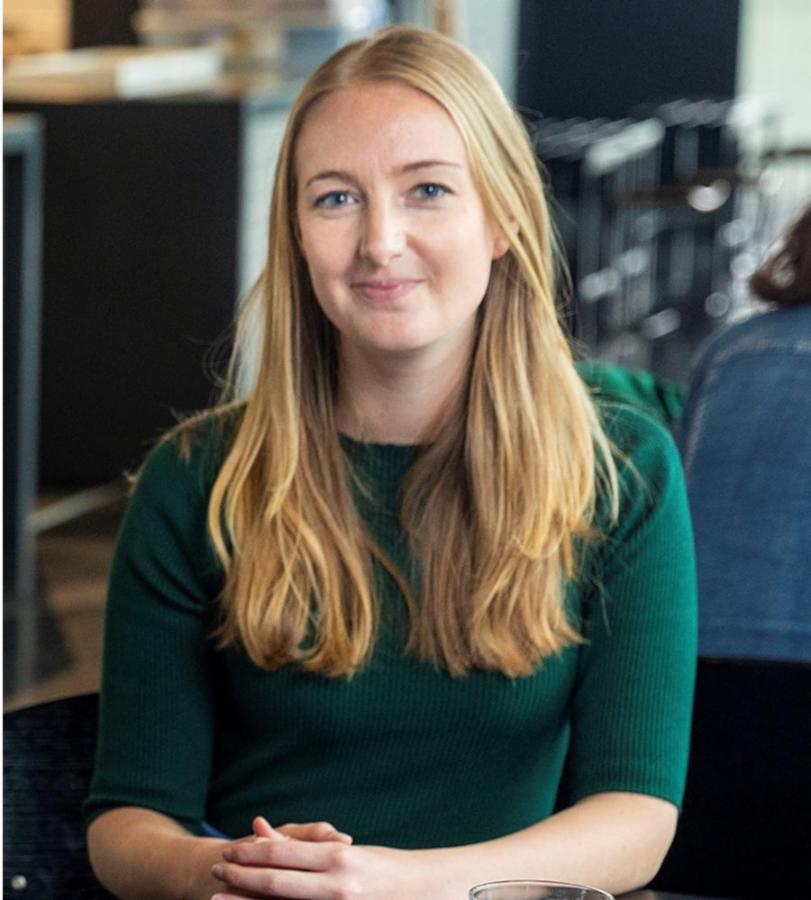
Talk to Associate Professor Joya Kemper about the circular economy and sustainable consumption. Focus areas include circular construction, products made from organic waste, refillable packaging, food waste reduction, plant-based consumption, and understanding and changing behaviour in households, organisations, and society at large.
Last updated: October 2026
Related topics
Research Commitments
Signature Capabilities
Sustainable Development Goals (SDGs)

Contact
We gratefully acknowledge support from all team members and funding bodies, including the Ministry for Business, Innovation and Employment Endeavour Programme Grants, and OECD's Co-operative Research Programme: Sustainable Agricultural and Food System Fellowship.
Read other showcases
Take a look at our showcases to see UC’s research expertise in practice.