

Key points
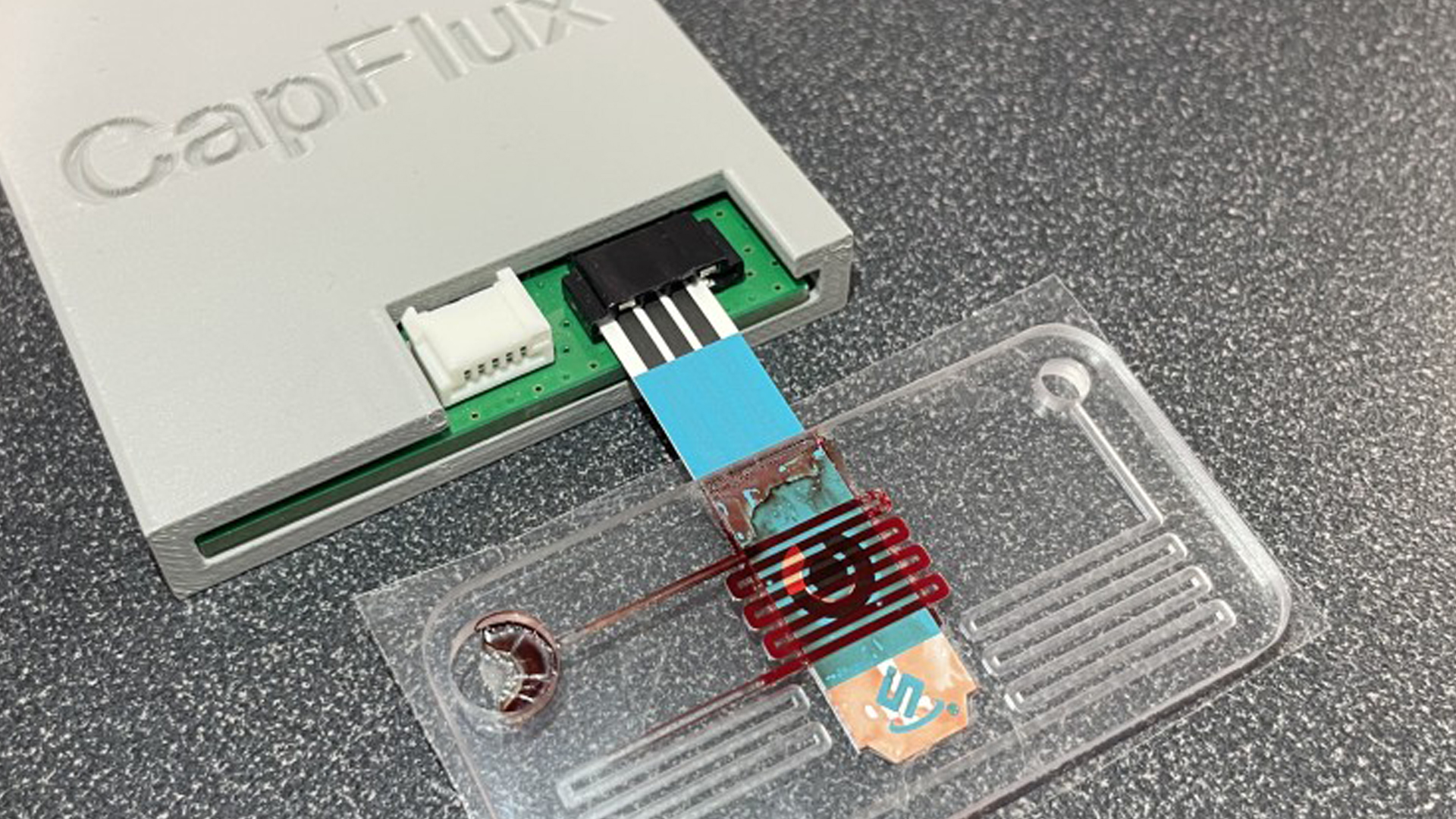
UC researchers are developing a versatile biosensing platform with applications in healthcare, workplace and roadside testing, and the food and beverage sector.
The technology is designed to deliver rapid, low-cost diagnostics outside traditional laboratory settings.
The programme combines expertise in biological sciences, microfluidics, biosensing, synthetic chemistry, and engineering to create commercially viable diagnostic devices.
Developing the next generation of diagnostics
Accurate and timely testing plays a critical role across healthcare, public safety, and industry. However, many current testing methods require specialist laboratories, expensive equipment, and lengthy processing times.
Researchers led by Professor Renwick Dobson from the University of Canterbury’s (UC) School of Biological Sciences, Professor Volker Nock from UC’s Electrical and Computer Engineering Department and Professor Jadranka Travas-Sejdic from the University of Auckland, are developing a novel biosensing platform designed to deliver rapid, reliable, and cost-effective diagnostics in a wide range of settings.
The research programme aims to create biosensing devices that can be used at the point of care, in the workplace, in the field, or during manufacturing processes, reducing the time between testing and decision-making.
From disease detection to winemaking
To demonstrate the platform's versatility, researchers are developing prototype devices for a range of applications. These include tools for the early detection of Alzheimer's disease, multi-drug detection for workplace and roadside testing, and technologies that support quality control in winemaking.
The programme has been shaped through collaboration with clinicians, forensic toxicologists, police, and winemakers, all of whom identified a need for simple, reliable devices capable of delivering rapid results in real-world situations.
Combining biology, engineering, and innovation
The research combines expertise in biological sciences, microfluidic engineering, biomolecular design, and biosensing technologies.
The programme utilises the facilities of UC's Imaging and Characterisation Hub, which provides advanced analytical and imaging capabilities and the Nanofabrication Laboratory in the Electrical and Computer Engineering Department for device fabrication and characterisation. By combining world-class research infrastructure with biological and engineering expertise, the team can accelerate the translation of laboratory discoveries into practical diagnostic devices.
Creating commercial and societal impact
Alongside the development of new technologies, the project is helping build Aotearoa New Zealand's biotechnology capability by training researchers at the intersection of science, engineering, and commercialisation.
The programme demonstrates how university research can be translated into practical technologies with applications across multiple sectors, creating opportunities for new products, new businesses, and economic growth.
Our goal is to develop diagnostic technologies that deliver accurate results quickly and reliably, wherever they are needed. By creating a flexible biosensing platform, we're opening opportunities across healthcare, public safety, and industry.
– Professor Renwick Dobson
From research to real-world adoption
Collaboration with end users is a central part of the programme, ensuring the technologies are practical, effective, and ready for adoption.
By combining world-leading biosensing research with industry engagement and commercialisation pathways, UC researchers are helping create diagnostic tools that could transform how testing is undertaken in healthcare, food production, and public safety.
Talk to Professor Renwick Dobson and Professor Volker Nock about biosensing technologies, diagnostics, biotechnology, microfluidics, and medical device development.
Last updated: October 2026
Related topics
Research Commitments
Enabling Infrastructure
Sustainable Development Goals (SDGs)

Contact

We gratefully acknowledge support from Ministry of Business, Innovation and Employment and the MacDiarmid Institute for Advanced Materials and Nanotechnology.
Read other showcases
Take a look at our showcases to see UC’s research expertise in practice.
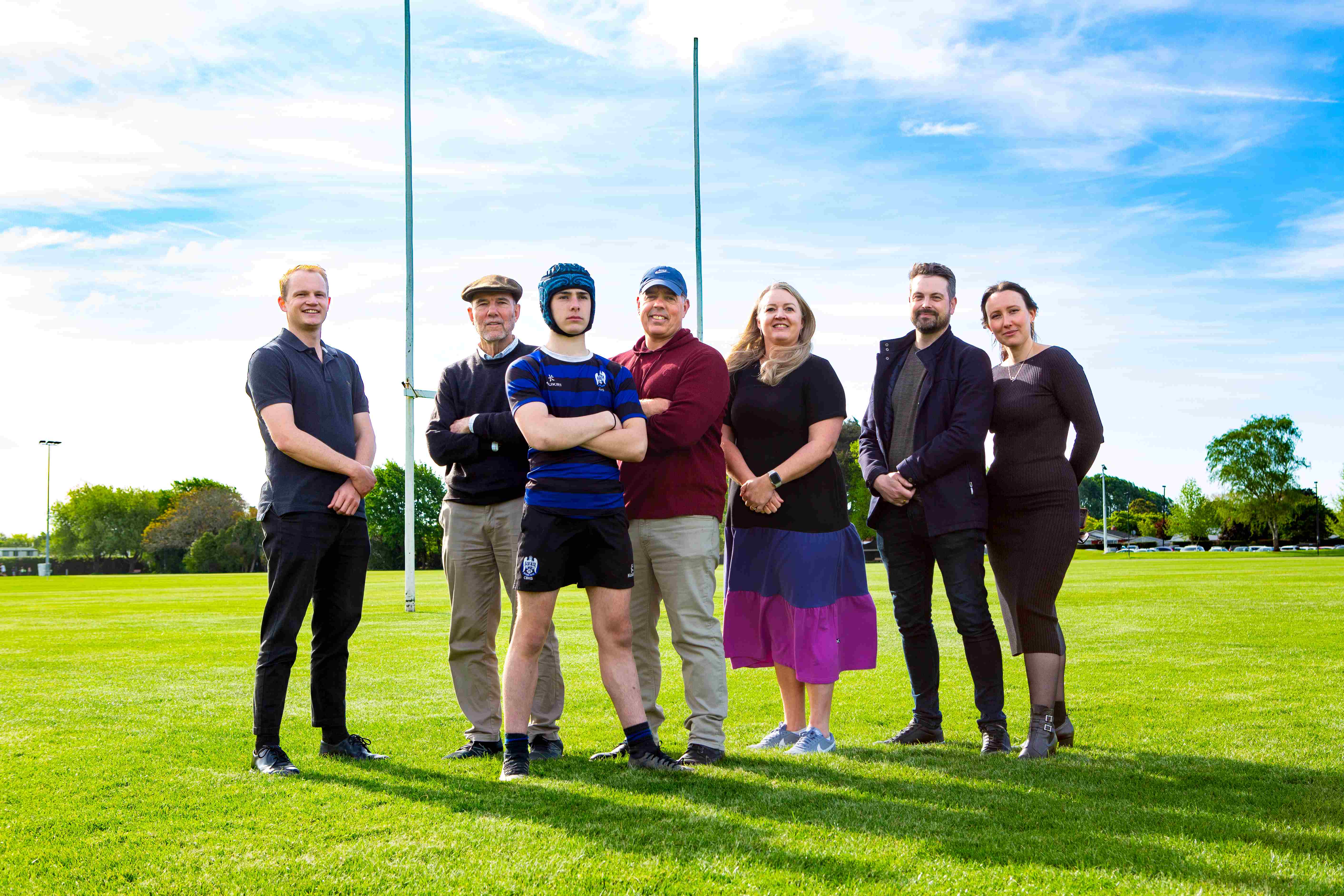
Reducing head impacts in junior rugby
UC-developed protective headgear, named “Ruru”, reduced head impact forces by up to 40% in laboratory testing.
Turning hazard and risk research into action
UC researchers are translating natural hazard and climate risk research into practical approaches that help organisations make better decisions.

Precision Chroma: Improving biological medicine manufacture
UC spinout Precision Chroma is commercialising a new method of chromatography to enhance manufacture of biological medicines.
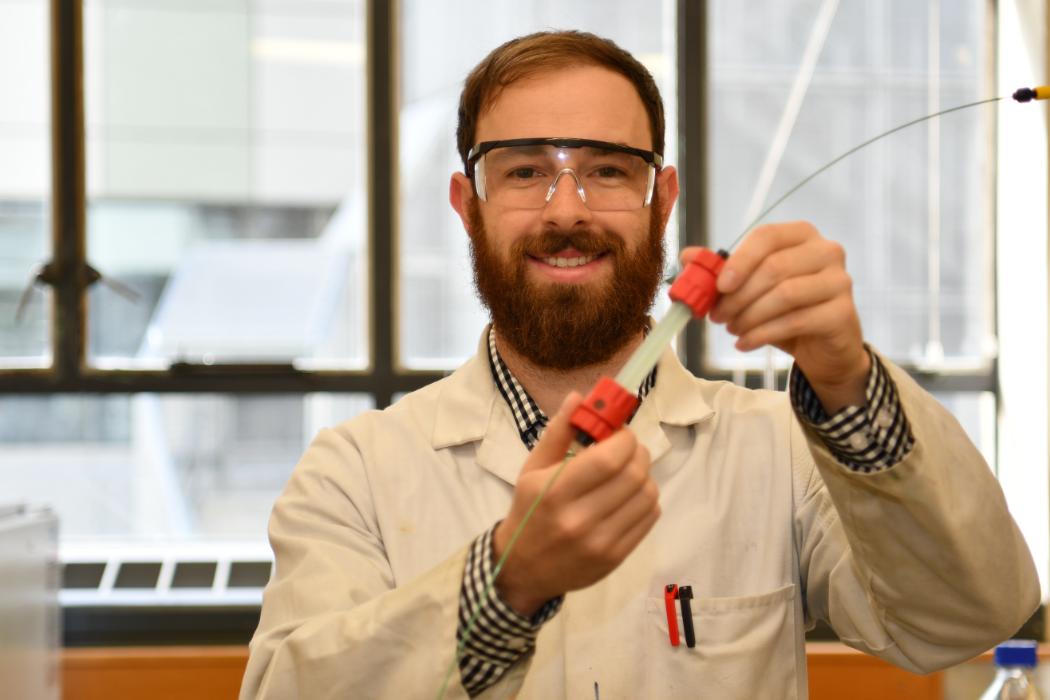
Science for sustainable space development
UC researchers are helping understand potential environmental impacts of a growing space industry with increasing global rocket launches.

Building strong foundations in literacy
UC researchers are showing how structured early literacy teaching can set children on a path to reading and writing success.
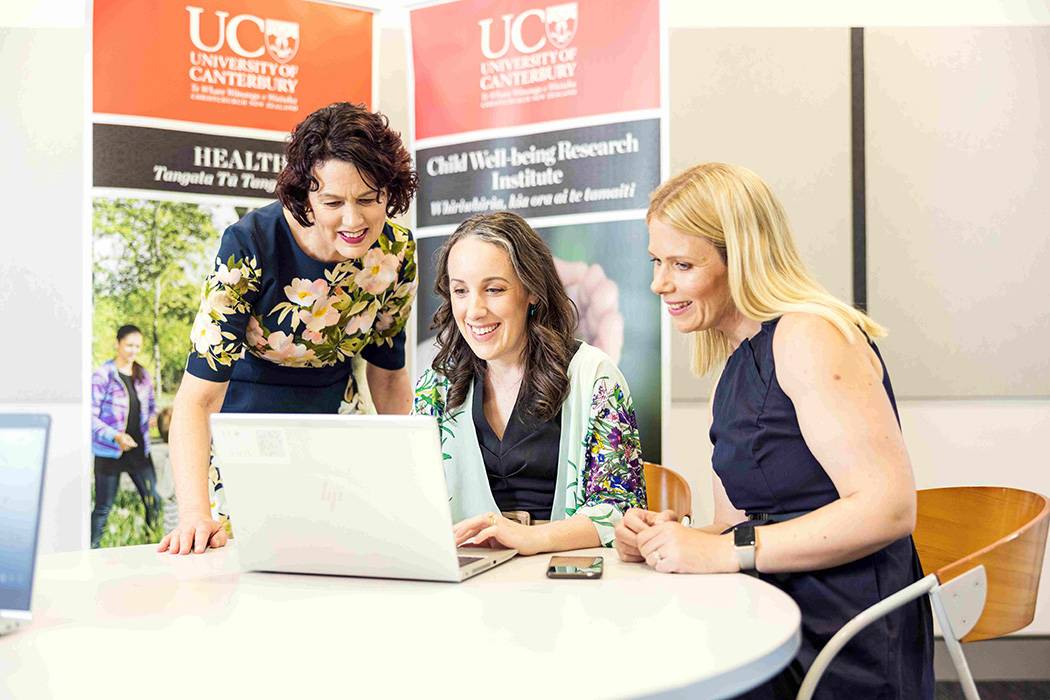
Advancing the circular economy
UC researchers are exploring how businesses, consumers, and policymakers can accelerate the transition to a circular economy.

SwalTech: Restoring swallowing with biofeedback tools
UC spinout SwalTech is helping people with swallowing difficulties regain quality of life through rehabilitation technology.
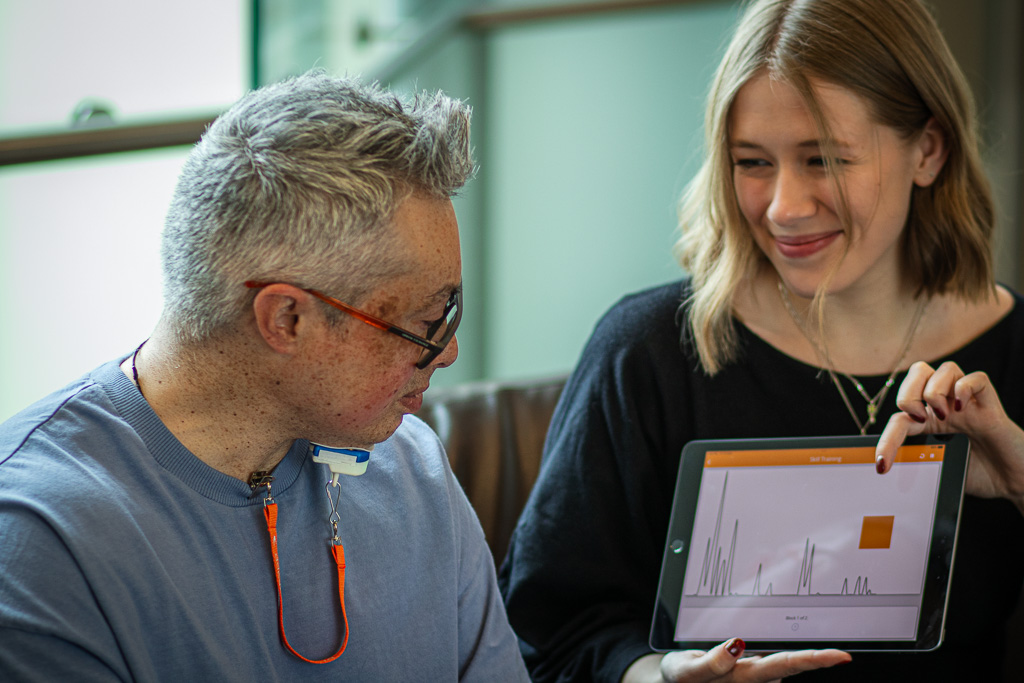
Advancing drug checking with new technology
UC researchers are investigating advanced chemical analyses to improve drug checking services and support harm reduction.

Dispute resolution after disasters
UC research is helping build more effective legal processes and dispute resolution systems for future disasters.