,%20Jake%20Campbell%20(CTO%20and%20co-founder),%20Jamie%20Cairns%20(CEO%20and%20co-founder)%20lowres.jpg/_jcr_content/renditions/cq5dam.web.1280.1280.jpeg)


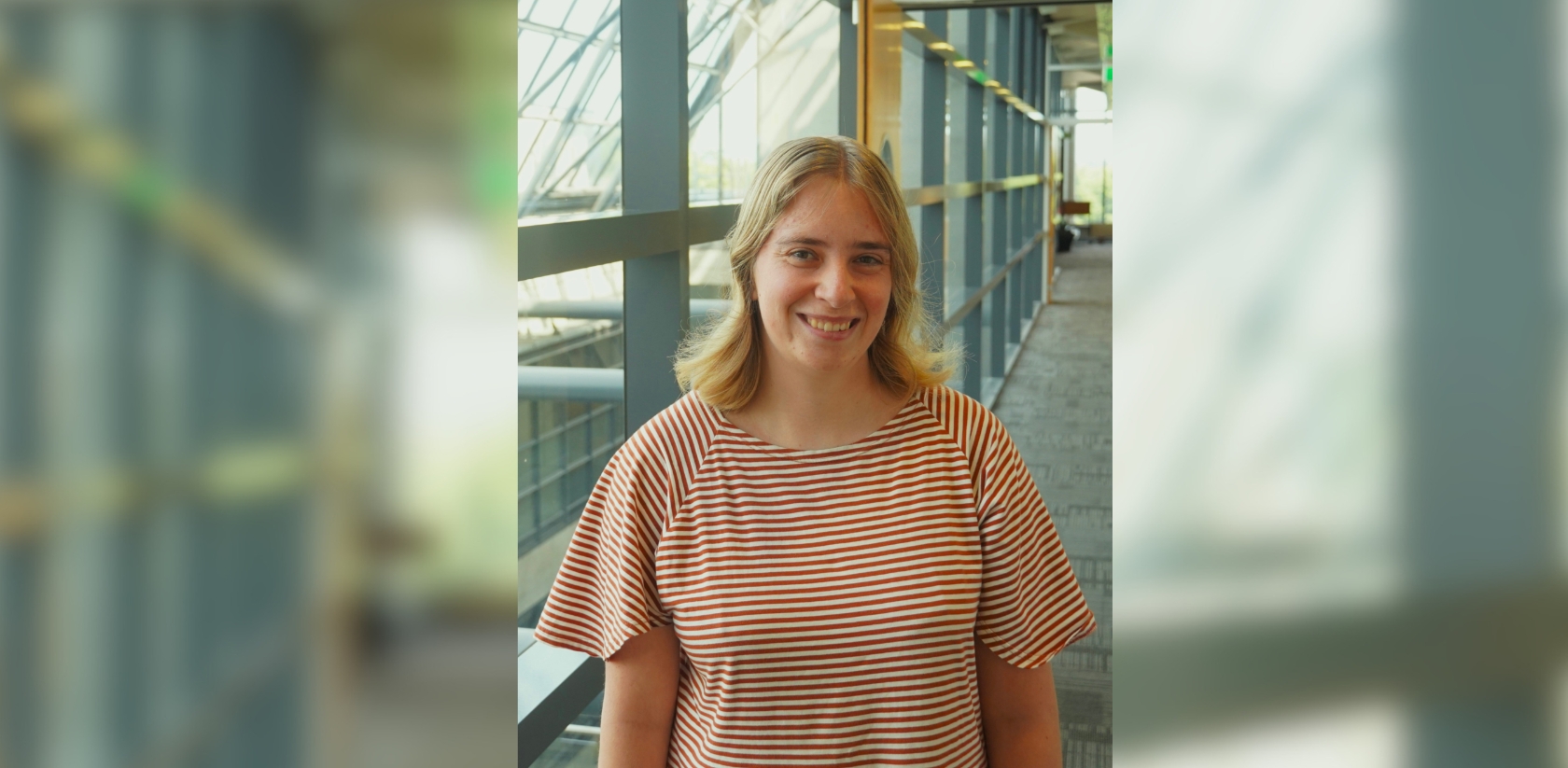
Photo caption: The Zuuka team: Sally Jo (Mechanical Engineer), Jake Campbell (CTO and co-founder), and Jamie Cairns (CEO and co-founder).
Zuuka is creating a wearable drug infusion device aimed at overcoming key limitations of existing insulin delivery systems, with a focus on ease of use and sustainability. The patented technology has been developed by Te Whare Wānanga o Waitaha | University of Canterbury (UC) PhD graduate Jake Campbell (Te Rarawa), who co-founded Zuuka in 2025 with UC Master of Business Administration graduate Jamie Cairns to commercialise the technology. The new venture is based at UC.
Campbell says the company is initially targeting the United States and New Zealand markets.
“Around 2 million people in the US are insulin-dependent, while in New Zealand the figure is about 60,000. Although Pharmac funds insulin pumps for people with Type 1 diabetes, Christchurch has a waiting list of around a year because specialist training capacity is limited. There are also a significant number of people in rural communities who struggle to access specialist care. I wanted to develop a new method of insulin delivery that increases accessibility while putting the end user at the centre of the design.”
Through community engagement supported by the National Science Challenge, KiwiNet, and Te Tītoki Mataora Medtech Research Translator, Campbell identified critical gaps in current insulin pump technology.
“During the Wairoa floods several years ago, some patients couldn't charge their devices for a week, forcing them back to manual injections. This insight drove us to develop a spring-based actuator system that operates for over a year without recharging or battery changes. The pump also connects via a smartphone app to continuous glucose monitors and cloud-based systems, allowing remote monitoring, which could particularly benefit rural patients.”
Campbell says many insulin pump users also said that they struggle with operating the pumps, particularly reloading cartridges. “Our system uses a simple cartridge replacement process every three to seven days, and users discard only the needle and insulin cartridge, while keeping the reusable electronic components, significantly reducing waste.”
Cairns says early feedback from clinicians and potential users has been overwhelmingly positive. "We’ve shown the device to healthcare professionals who immediately saw the benefit of the simplified design, while parents have told us it could make cartridge changes in the middle of the night and everyday activities much easier. We believe it has the potential to be the one of the most intuitive insulin pumps on the market.”
Beyond diabetes, Cairns says the device could have applications for delivering other medications including treatments for Parkinson's and steroid-based therapies. The company has also filed a second patent around the device housing, which uses a silicone ‘skirt’ to improve accessibility for users with limited manual dexterity, potentially expanding the device's application to conditions like arthritis.
UC's Research and Innovation team has supported Zuuka's path toward commercialisation through licensing agreements and access to campus facilities. Cairns says the venture reflects the kind of cross-disciplinary partnership the UC ecosystem is well placed to produce.
"Great technology doesn't become a business on its own, it takes commercial acumen and operating experience to drive the things that have to happen for a venture like this to get off the ground. Jake and I are both products of the UC ecosystem, and it's a real strength of the university that Zuuka could draw on both its engineering and business sides to make the progress that it has."
Zuuka completed a pre-seed funding round in late 2025 and is now seeking further investment to advance prototype development.

.png)