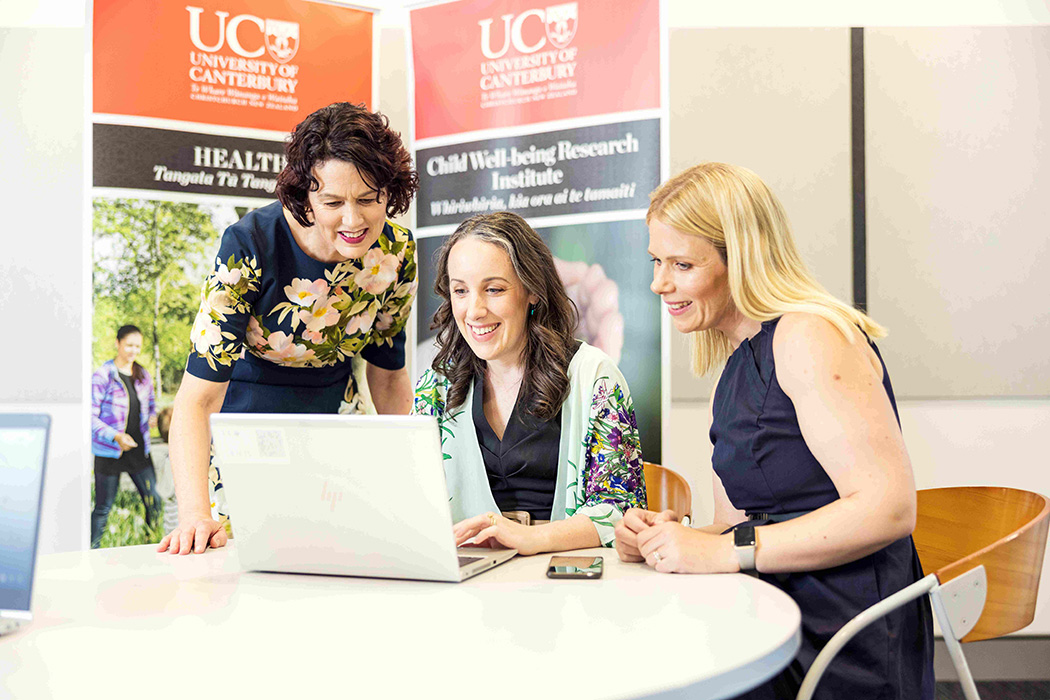


Photo caption: Professor Laurie McLay is researching digital delivery of supports for autistic tamariki and their caregivers.
Key points
- Researchers are developing neuro-affirming digital programmes that help autistic tamariki and their whānau flourish.
- Digital delivery is expanding access to evidence-based autism support across Aotearoa New Zealand.
- New training initiatives are helping healthcare professionals provide more effective and inclusive care for autistic children and their families.
Supporting autistic children and their caregivers
Early support can have a significant impact on the wellbeing of autistic children and their caregivers. However, many families face challenges accessing autism-specific services due to workforce shortages, geographic location, and increasing demand for support.
Researchers led by Professor Laurie McLay from the Faculty of Health are developing new approaches to make evidence-based support easier to access for children, whānau, and healthcare professionals.
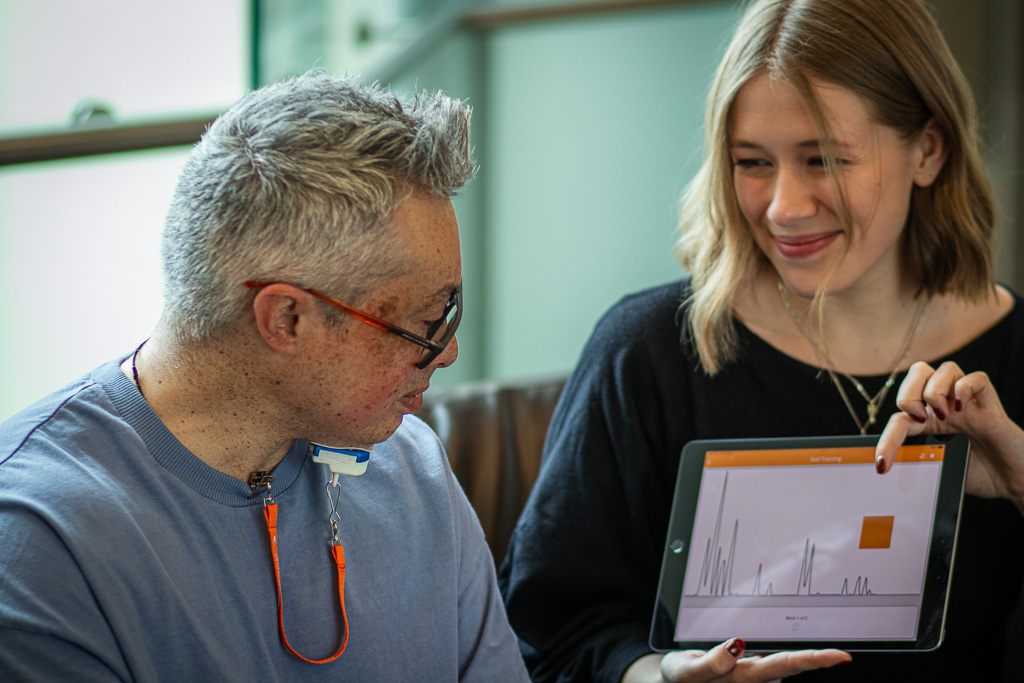
Their research explores how digital platforms can deliver high-quality, neuro-affirming services beyond traditional clinical settings. Using web-based platforms to deliver wellbeing interventions, the research aims to reduce barriers to care and create more equitable access for families across Aotearoa New Zealand.
Co-designing accessible digital solutions
Working alongside Autistic, Māori, and Pacific Advisory groups and healthcare professionals, the researchers are co-designing and evaluating services that recognise autistic people's strengths, experiences, and needs.
This co-design approach helps ensure the resulting programmes are relevant, acceptable, and effective for the people who use them. The research also explores how digitally delivered professional development programmes can help healthcare professionals better support autistic children and their whānau.
Building capability and creating lasting impact
By combining digital technology, co-design, and evidence-based practice, Professor McLay’s research is creating scalable and accessible models of support that improve outcomes for Autistic children and their caregivers, strengthen service delivery across communities, and have the potential to be adapted for children with a wide range of developmental, learning, and support needs.
Too many families face barriers accessing timely autism support. Our research is focused on developing evidence-based, digital solutions that can reach more children, support more whānau, and improve wellbeing outcomes regardless of where they live.– Professor Laurie McLay
The goal is to build a more responsive, inclusive, and capable healthcare system by improving access to effective support while equipping health professionals with the knowledge, skills, and practical tools they need to better support Autistic and neurodivergent children and their whānau.
By strengthening both service delivery and workforce capability, this work aims to ensure more children and families can access timely, appropriate support, contributing to improved wellbeing and more equitable outcomes across Aotearoa.
Talk to Professor Laurie McLay about child wellbeing, autism research, digital health innovation, and neurodiversity.
Last updated: September 2026
Related topics
Research Commitments
Signature Capabilities
Sustainable Development Goals (SDGs)