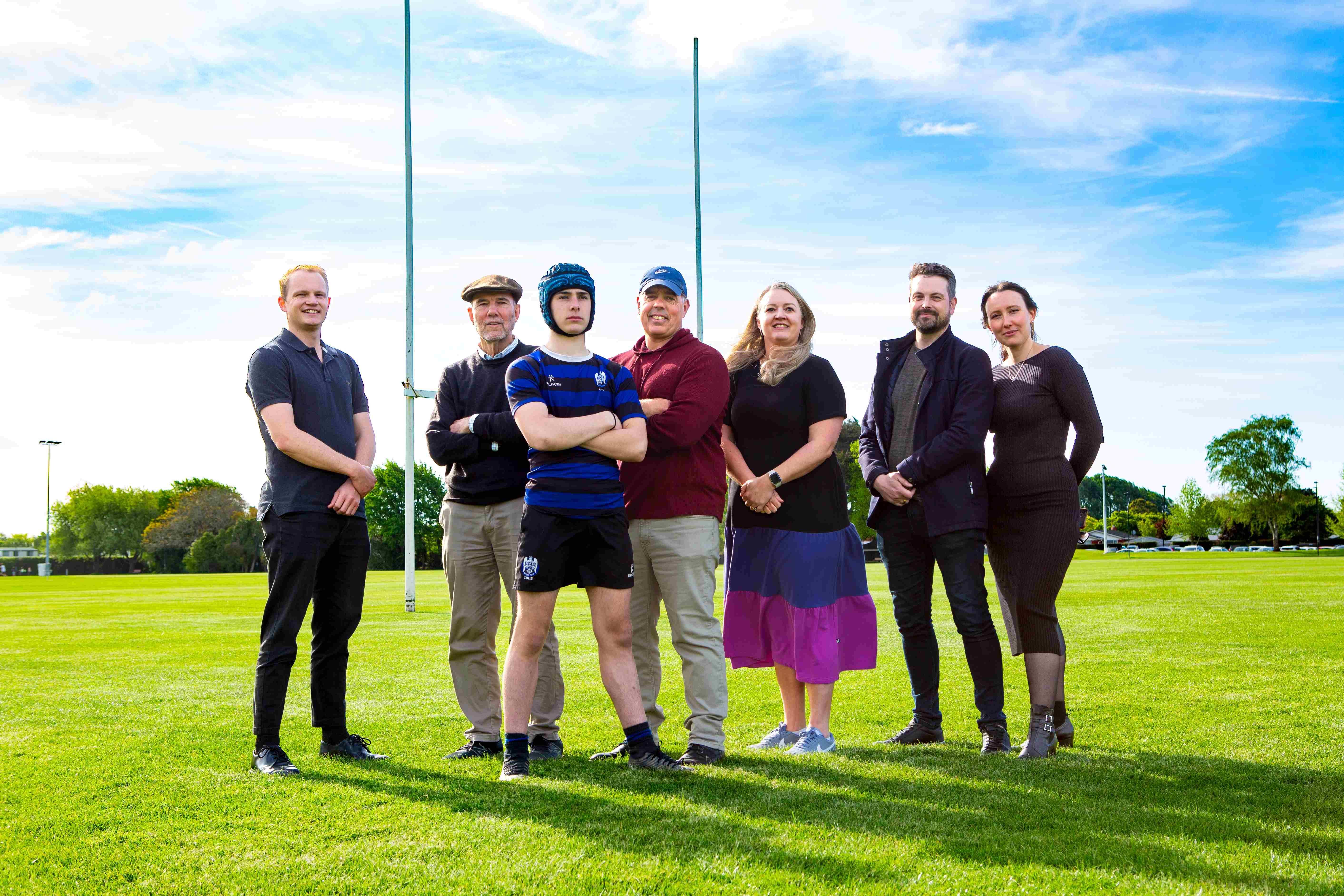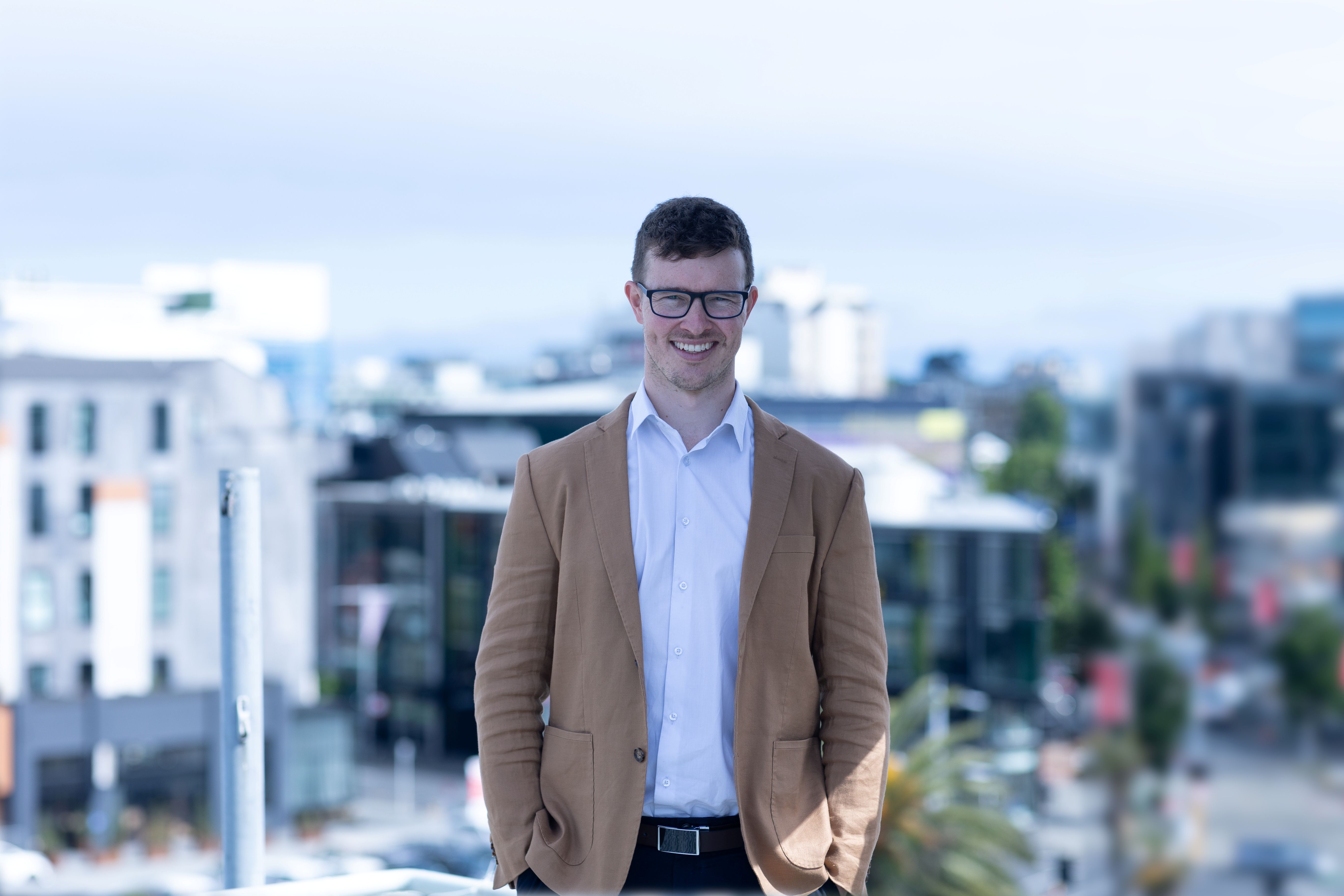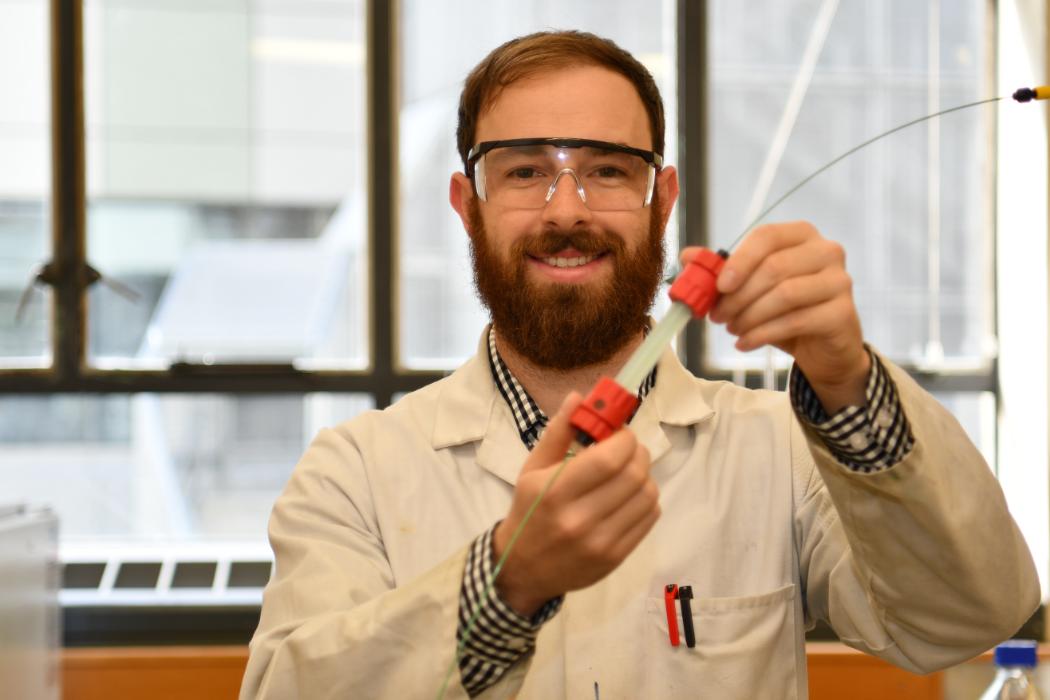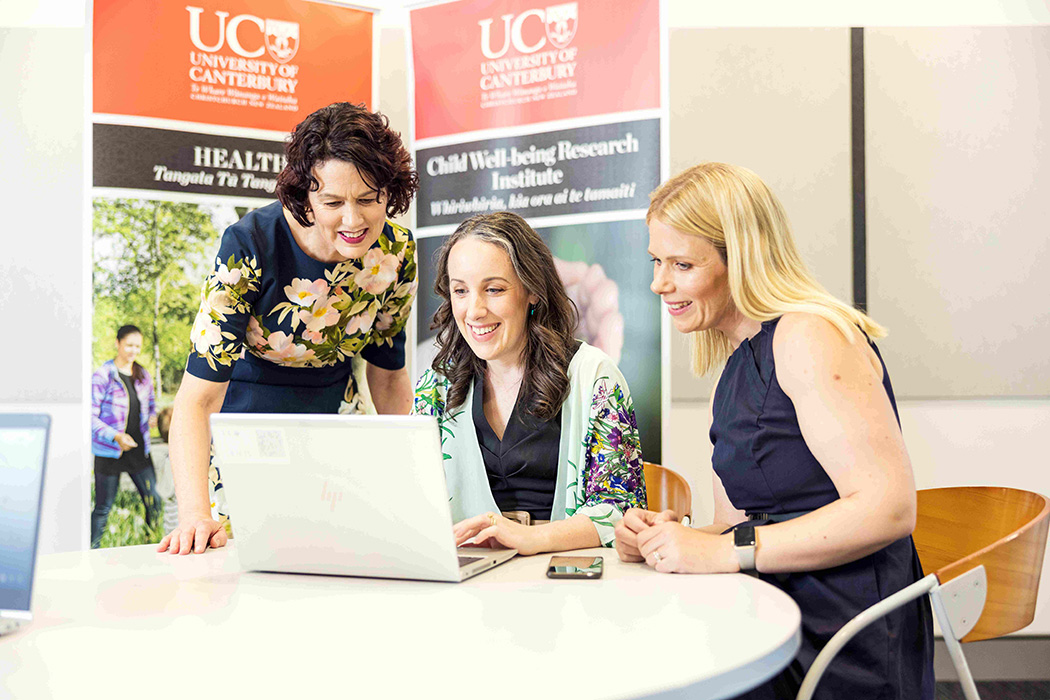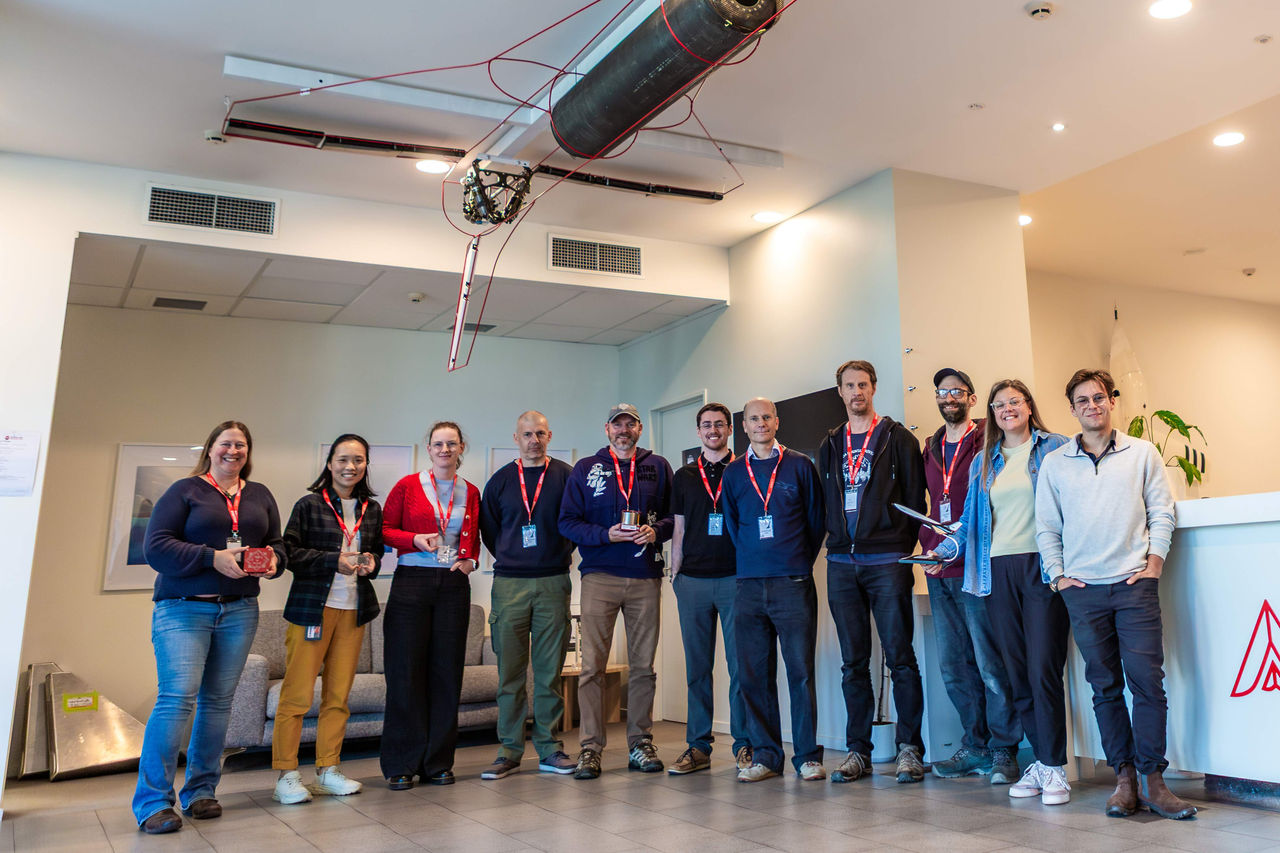


Photo description: Representatives of the UC-led Kiwi Space Activator team with prototypes of research hardware that will be tested during the spaceplane flight campaign. L to R: Sarah Kessans (UC Project Lead), Yiling Sun (UC Postdoc), Olivia Macrae (UC Postdoc), Alek Lazik (Intranel), Dave Sanders (Intranel), Kieran Williams (Asteria), Felix Collins (Intranel), Peter Dunlop (Intranel), Josh Schoolcraft (Intranel), Julia Sothmann (Dawn), and Zach Preston (Dawn).
Key points
- UC researchers have developed a fully automated protein crystallisation laboratory compact enough to operate cost-effectively on commercial space stations and free-flying spacecraft.
- The technology can screen thousands of crystallisation conditions without requiring astronaut involvement, significantly increasing research capacity in orbit.
- Partnerships with aerospace and engineering organisations are helping translate UC research into new commercial and scientific opportunities.
Transforming drug discovery through microgravity research
Many modern medicines begin with understanding the precise structure of proteins associated with disease. By determining a protein's shape at the atomic scale, researchers can identify potential drug targets and design therapies that interact with them more effectively.
A critical step in this process is growing protein crystals. The quality of these crystals directly affects researchers' ability to determine protein structures and identify potential drug targets.
Associate Professor Sarah Kessans from the School of Product Design and her team are exploring how the unique conditions of space can improve this process. In microgravity, crystals can form without many of the disturbances caused by gravity on Earth, producing larger, and higher-quality crystals that provide clearer structural information.
Automating science in space
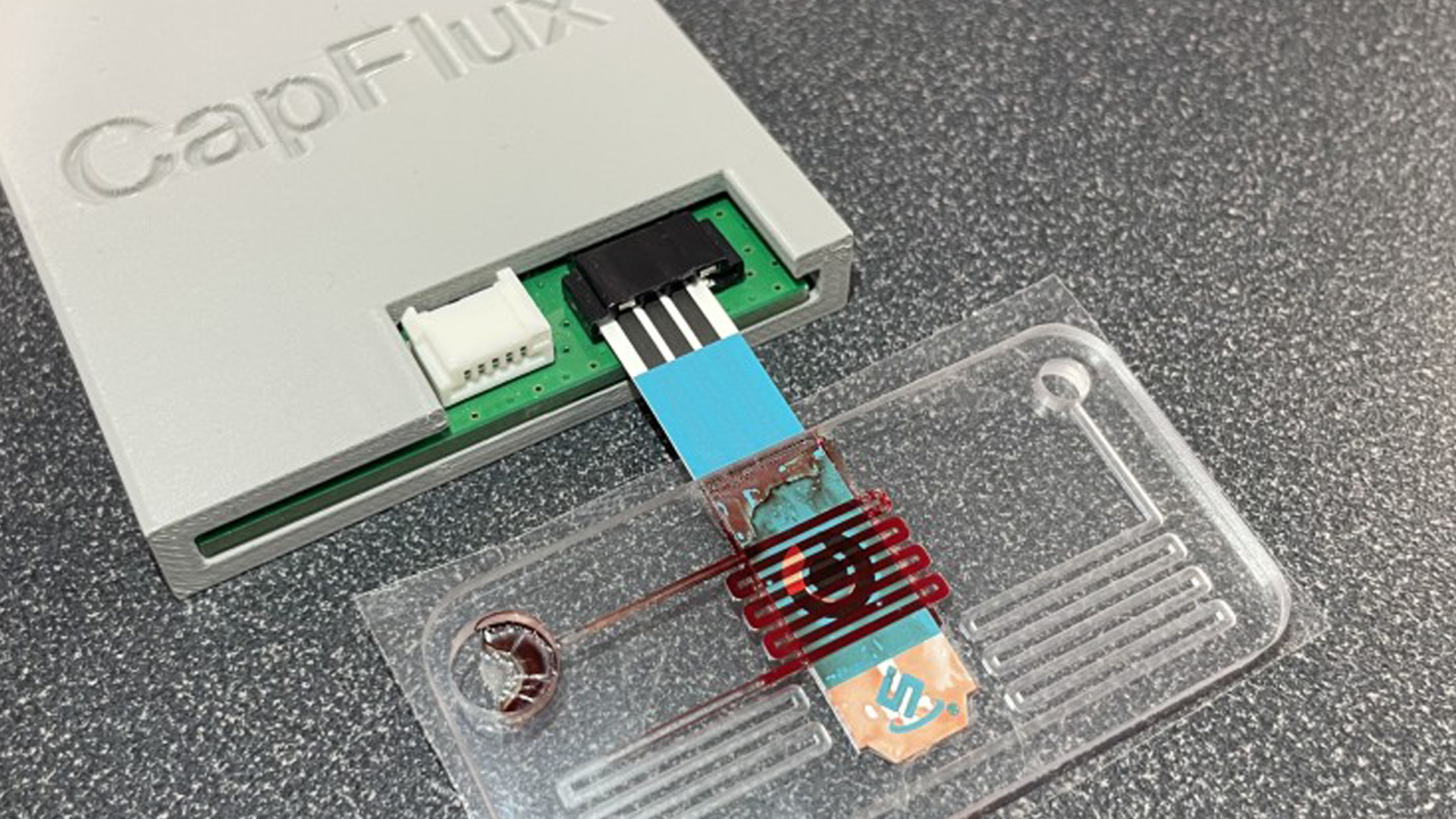
Traditionally, protein crystallisation experiments conducted in space have required valuable astronaut time and oversight, and have limited the number of experiments performed to orders of magnitude lower than would be expected for traditional protein crystal screening on Earth. To address this challenge, the UC team has developed a compact, fully automated platform capable of conducting thousands of crystallisation experiments independently.
By removing the need for direct human involvement, the technology significantly expands the scale and efficiency of biological research that can be conducted in orbit.
From research innovation to real-world application
A prototype of this miniature protein crystallisation laboratory was successfully deployed to the International Space Station in 2024.
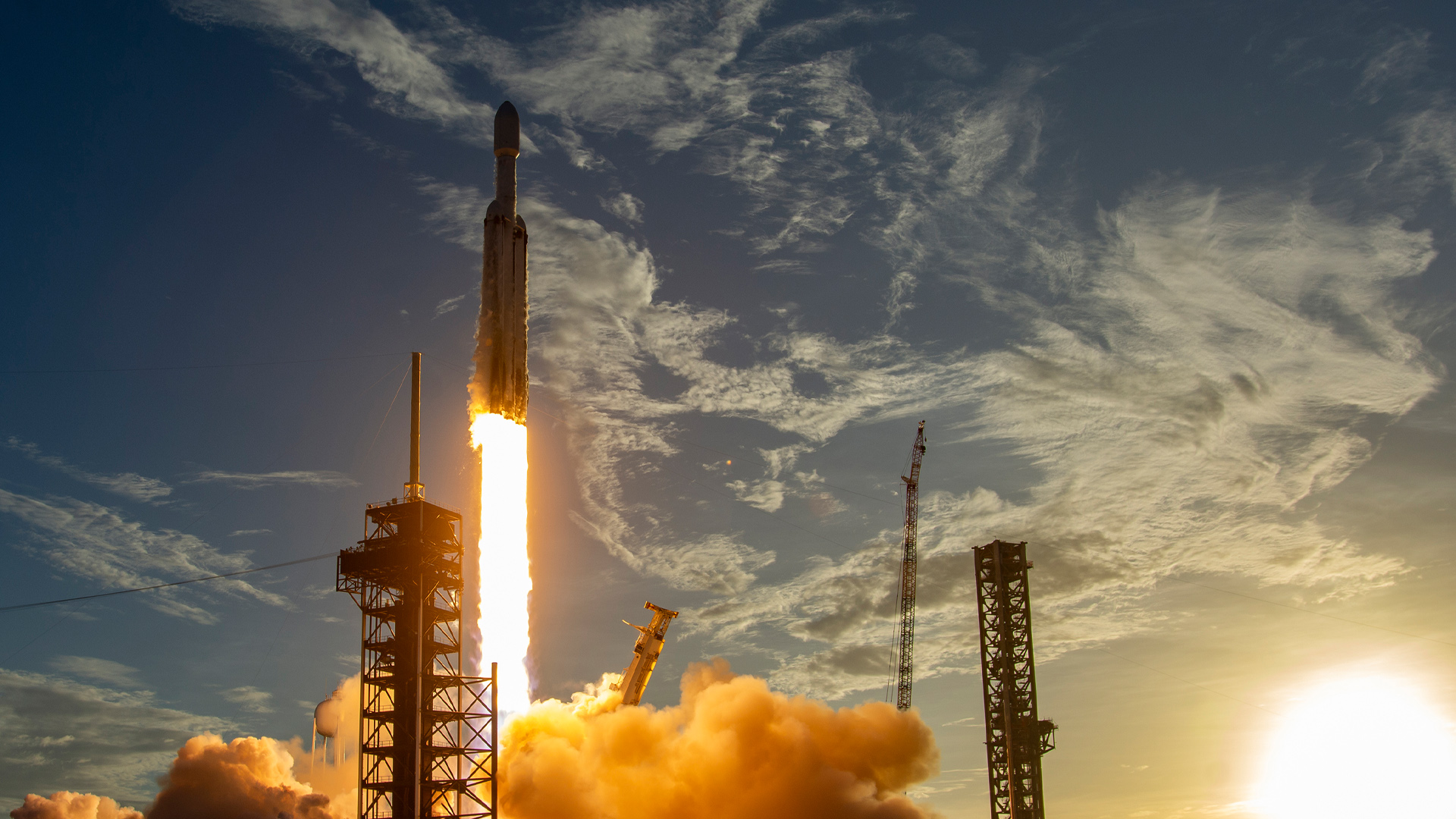
Working alongside project partners Dawn Aerospace, Intranel, and Asteria Engineering, the next phase of the research will test components of the platform aboard Dawn Aerospace’s reusable, uncrewed spaceplane. This vehicle, operating from the Tāwhaki National Aerospace Centre in Waitaha Canterbury, will provide repeated access to microgravity conditions while returning experiments safely to Earth after each flight.
Bringing together expertise in biotechnology, aerospace, and engineering, the project demonstrates how university-industry collaboration can accelerate scientific discovery while creating new commercial opportunities.
Building the future of space-enabled biotechnology
The long-term vision extends beyond individual experiments. The research aims to support future commercial services for pharmaceutical and biotechnology companies seeking to accelerate drug development by creating reliable and scalable systems for protein crystallisation in space.
In microgravity, you get much bigger, more perfect protein crystals. The high atomic-level resolution structures enabled by these crystals allow us to better understand disease proteins and ultimately improve how new medicines are developed.– Associate Professor Sarah Kessans
Through this collaborative research, UC is establishing new pathways for pharmaceutical discovery while contributing to the growth of Aotearoa New Zealand's emerging space sector and creating opportunities for future commercialisation.
Talk to Associate Professor Sarah Kessans about protein crystallisation, drug discovery, space biotechnology, microgravity research, and commercial applications of space-enabled life science.
Last updated: September 2026
Related topics
Research Commitments
Signature Capabilities
Sustainable Development Goals (SDGs)