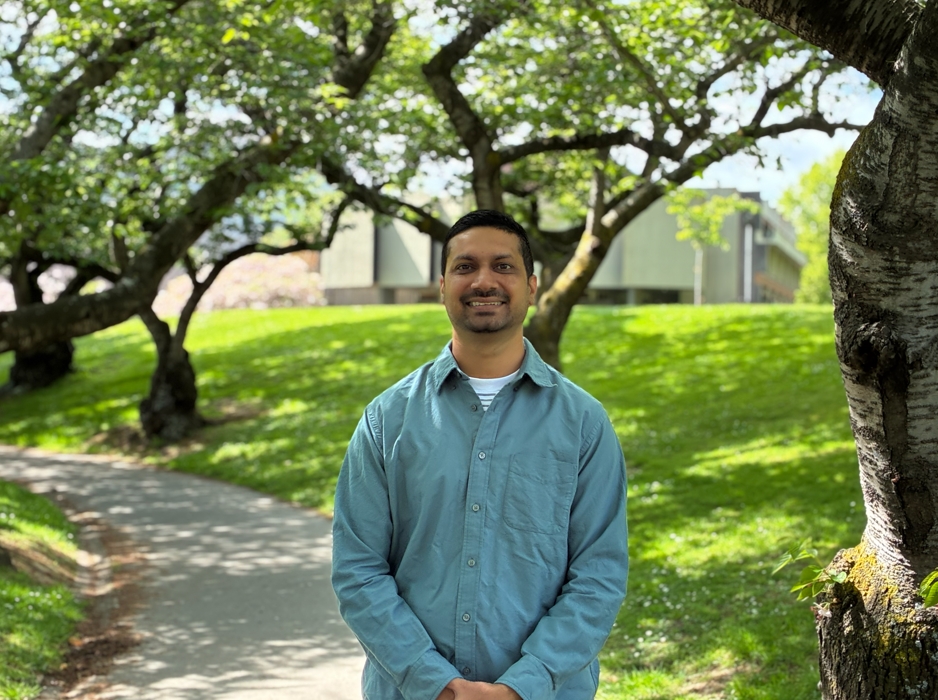

Photo Caption: UC Dr Alberto Ardid developed the streamflow and flood prediction module of the Applied Modelling and Artificial Intelligence course.
The Applied Modelling and Artificial Intelligence (AI) course teaches Te Whare Wānanga o Waitaha | University of Canterbury (UC) engineering students how to use machine learning to model river flow and predict flooding events, using actual data from the Mohaka River catchment in the Hawke’s Bay.
UC Research Engineer Dr Alberto Ardid, who developed the streamflow and flood prediction module of the course, says it presents a significant shift in engineering education, combining traditional physics-based approaches with modern data-driven methods.
“We use real data to develop a flow forecasting model using a neural network, which is an algorithm you can train to reveal hidden patterns in the data and then use to anticipate the future. This allows students to engage with the challenges of modelling in real, uncertain environments, including issues like missing data, data leakage, and model transferability.”
Dr Ardid says the Mohaka catchment dataset also highlights the social implications of data modelling. The course uses it to simulate scenarios where information is limited — such as in remote or rural regions, where environmental monitoring is scarce.
“When students see their code forecast a rising river in the Mohaka catchment, they realise these tools have real potential to save lives and support communities.
"We developed this course in response to emerging job market demands and the skills future engineers will need. With more frequent and severe weather events, the need for graduates who can apply data and AI to predictive modelling is only growing,” Dr Ardid says.
UC Master of Civil Engineering student Aparna Suseela completed the course last year and says it opened her eyes to the potential applications for AI in civil engineering. “I initially approached the idea of AI integration with some hesitation, particularly around concerns of potential job loss, but this course showed me how AI can actually create new opportunities and make tasks easier and more efficient for engineers.
“It was fascinating to see how basic coding skills combined with engineering knowledge could be used to divert potential disasters. Expanding the knowledge and tuning the model to different locations could be a real game changer in town planning and disaster resilience globally.”
As part of the course, students also complete hands-on projects including wildfire forecasting using meteorological data, clustering geotechnical observations around New Zealand based on soil conditions, and analysing London traffic patterns using real-time data.
The flood-focused module, recently featured in the Journal of Hydrology (New Zealand), has been a team effort with Associate Professor David Dempsey and Associate Professor Markus Pahlow, and inspired a new module for a master's course in machine learning for flood analysis, modelling and management.


What to read next
UC geography graduate honoured for global science leadership
UC alumnus Distinguished Professor Emeritus Iain Hay has received a prestigious international Fellowship recognising his contributions to geography and scientific collaboration.

Are Kiwi businesses jumping blindly on the AI bandwagon?
AI doesn’t have to play an inevitably dominant role in our lives, businesses and future, argues a guest speaker for an upcoming UC public lecture.

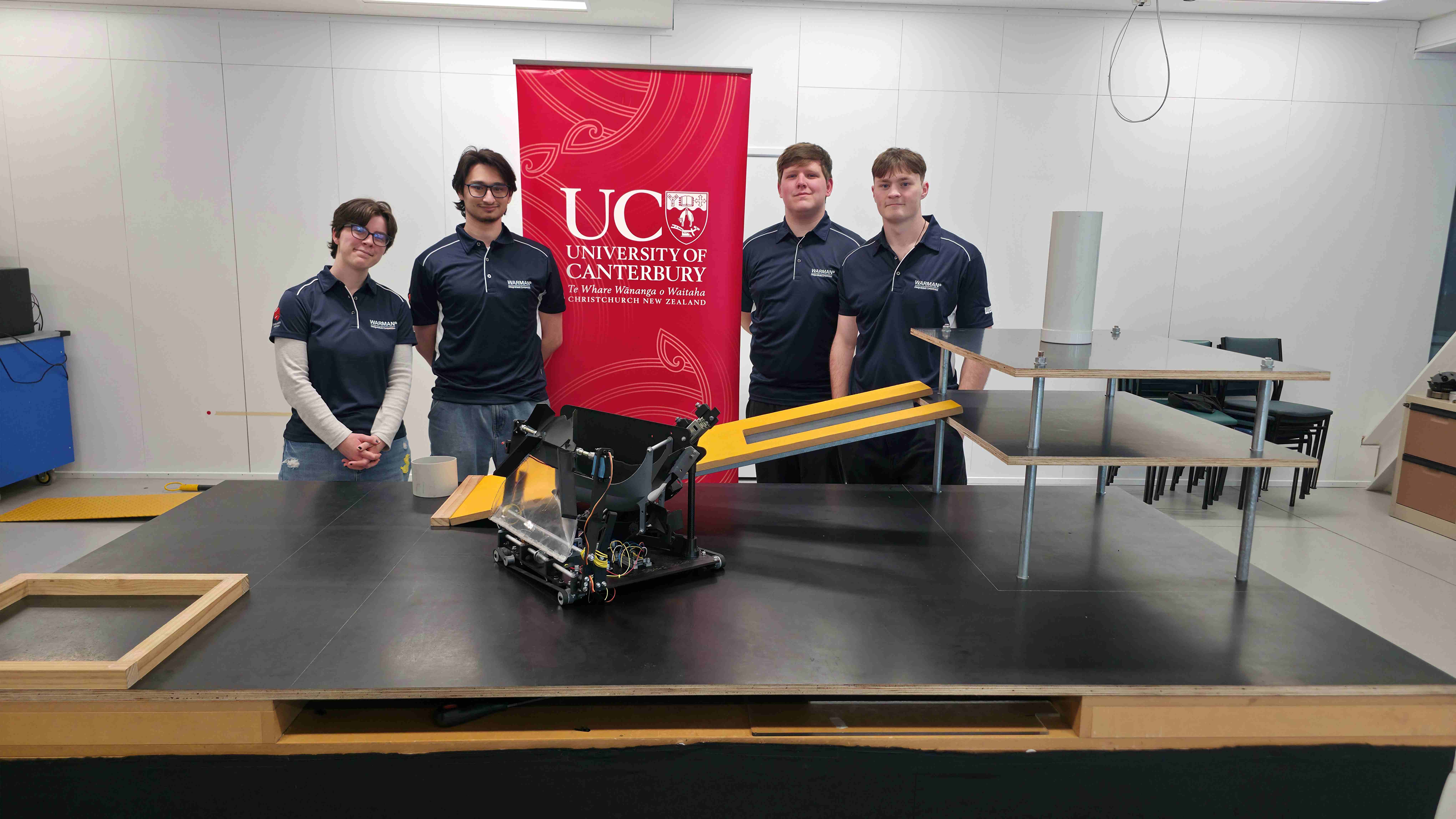
UC engineering students win international competition
A robot designed to transport rocks automatically has helped four UC engineering students claim an international title.
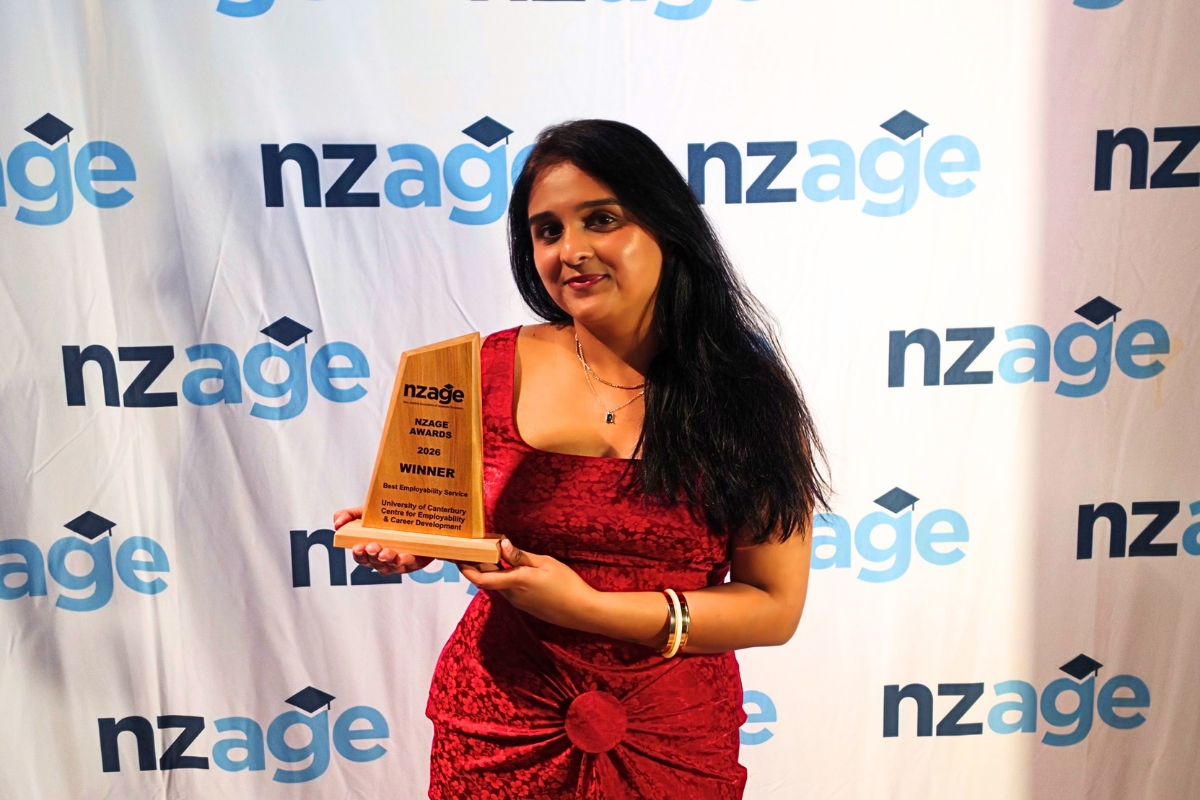
UC wins national award for employability service
UC has been recognised for excellence in helping students develop career-ready skills and connect with employers.
Fair suppliers strengthen business resilience
Businesses are better able to withstand disruption when suppliers make fair decisions and turn strong relationships into flexible action, UC research finds.
Digital models to help predict natural hazards in Kiwi capital
An innovative project using digital simulations to predict future hazards in New Zealand’s capital city takes its name from science fiction.
UC research challenges how we think autistic children learn
New UC research is challenging assumptions about how autistic children learn language.
Tiny robots, big potential: UC PhD explores new frontier
A UC researcher is pioneering laser-controlled robot swarms thinner than a human hair — work he believes could one day transform medicine and manufacturing.
UC research puts local knowledge at heart of resilience
UC research explores how Pacific Island nations can better use place-based knowledge to strengthen disaster planning and resilience.