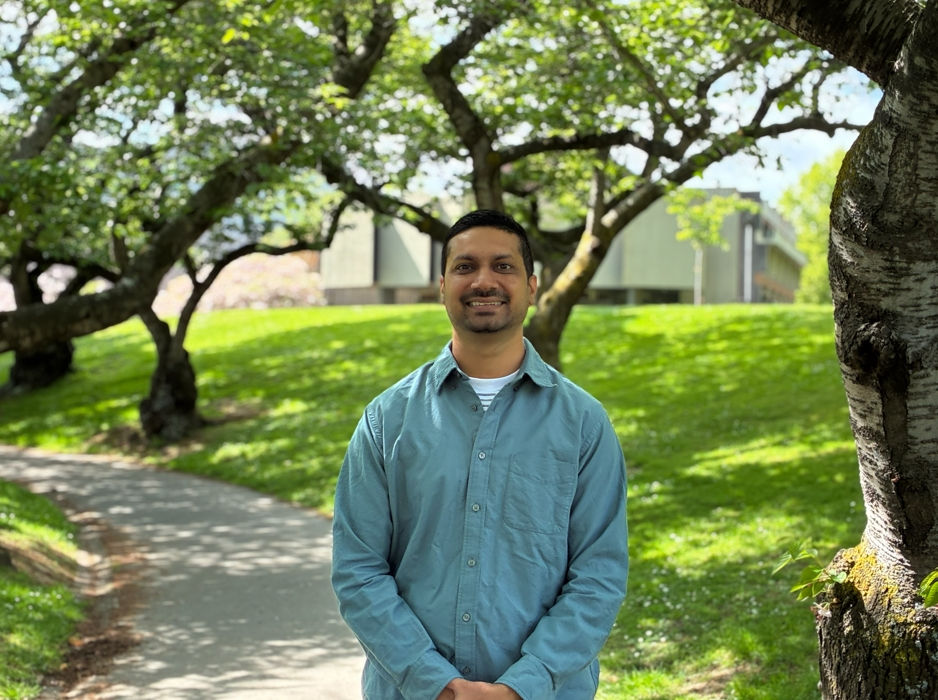


Originally from Fiji, PhD candidate Pratish Raj is studying Law at Te Whare Wānanga o Waitaha | University of Canterbury (UC) and researching how place-based knowledge can be better integrated with formal disaster risk reduction frameworks, with a focus on Fiji and Vanuatu.
“Place-based knowledge systems incorporate all forms of knowledge that exist within a particular community,” UC PhD Candidate Pratish Raj explains.
International disaster risk reduction frameworks increasingly recognise the value of traditional and local knowledge alongside scientific approaches, but Raj says his research suggests there is still work to do to translate those commitments into meaningful practice.
His research focuses on developing a better understanding of how place-based knowledge can be used within the existing state-based system, in line with community desires and needs.
“One of the most interesting things I found was that communities actually want help from government. They want to work hand in hand, rather than simply being left to protect their knowledge and manage on their own.”
He says when disasters strike, communities often rely on their own knowledge systems, while official support can be more focused on recovery than working with communities beforehand to reduce risk and prepare.
Raj says one of the challenges identified through his research is that provincial authorities can be stretched by limited budgets and resources.
“One community said cyclones have been coming for so long, but they still don’t have proper water tanks or even a proper community hall for shelter. After a cyclone they can be left waiting for officials to arrive when the water is already cut.
“Instead of spending so much money in the recovery period, some of that investment could go into pre-planning. In the bigger scheme of things, pre-planning can be more cost effective. For example, something like a water tank is very cheap, but it can help a community prepare for the hazard.”
Longer term, Raj’s work aims to help governments and national bodies assess and improve how they are incorporate place-based knowledge into disaster risk reduction.
“It could also help communities identify whether their place-based knowledge is being meaningfully considered. They can use it as a reflective and advocacy tool for their priorities in Disaster Risk Reduction planning”.
He describes it as a set of criteria that could be applied to a country or agency to check whether community knowledge is genuinely being integrated, rather than simply acknowledged in policy.
“In an ideal situation, officials would know what communities need before a disaster strikes.”
Raj says this would mean developing community-based disaster management plans that bring local knowledge and official systems together, setting out what communities need, what should happen when a disaster occurs, and how recovery should be managed.
His fieldwork was supported by a New Zealand Postgraduate Development Field Research Award, administered by the Aotearoa New Zealand International Development Studies Network on behalf of the Ministry of Foreign Affairs and Trade.
Raj also plans to produce a report on his fieldwork findings and share it with participating communities, which he hopes they can use to support future funding applications and disaster-resilience initiatives.
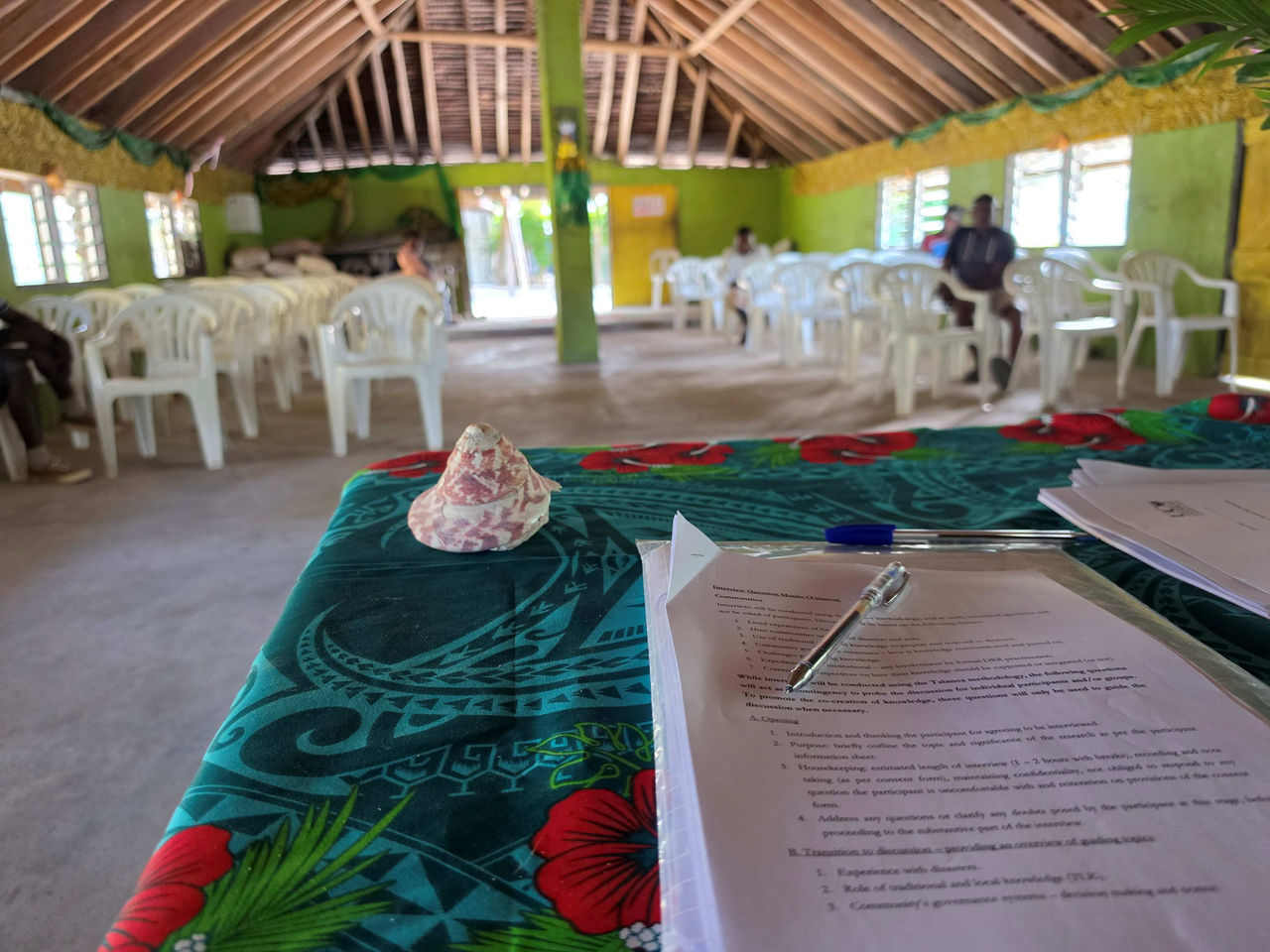
UC PhD candidate Pratish Raj waiting for participants at Marau, Emau Island, Vanuatu.
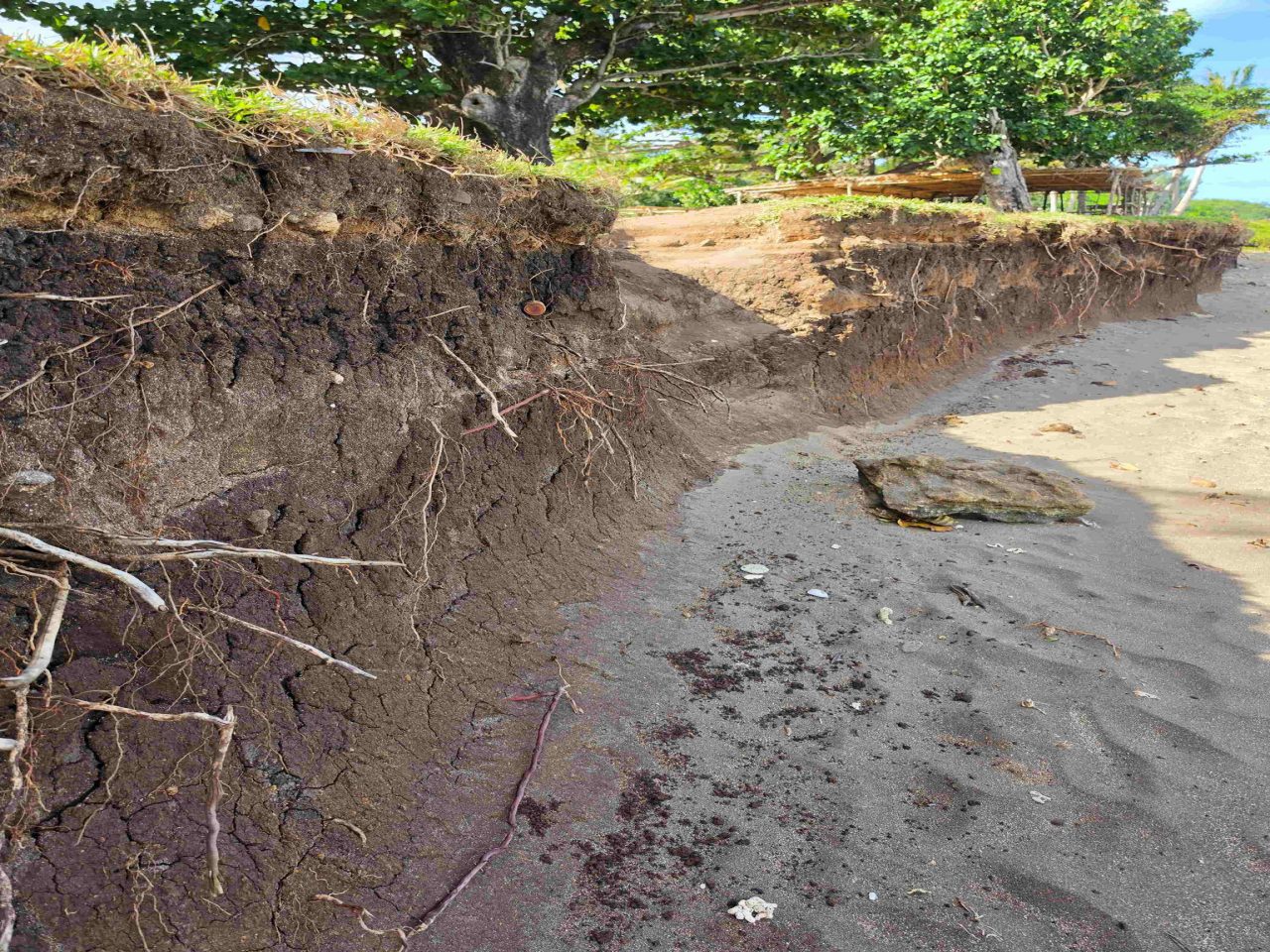
Coastal erosion at Wiana, Emau Island, Vanuatu.
What to read next
UC geography graduate honoured for global science leadership
UC alumnus Distinguished Professor Emeritus Iain Hay has received a prestigious international Fellowship recognising his contributions to geography and scientific collaboration.

Are Kiwi businesses jumping blindly on the AI bandwagon?
AI doesn’t have to play an inevitably dominant role in our lives, businesses and future, argues a guest speaker for an upcoming UC public lecture.

UC engineering students win international competition
A robot designed to transport rocks automatically has helped four UC engineering students claim an international title.
UC wins national award for employability service
UC has been recognised for excellence in helping students develop career-ready skills and connect with employers.

Fair suppliers strengthen business resilience
Businesses are better able to withstand disruption when suppliers make fair decisions and turn strong relationships into flexible action, UC research finds.
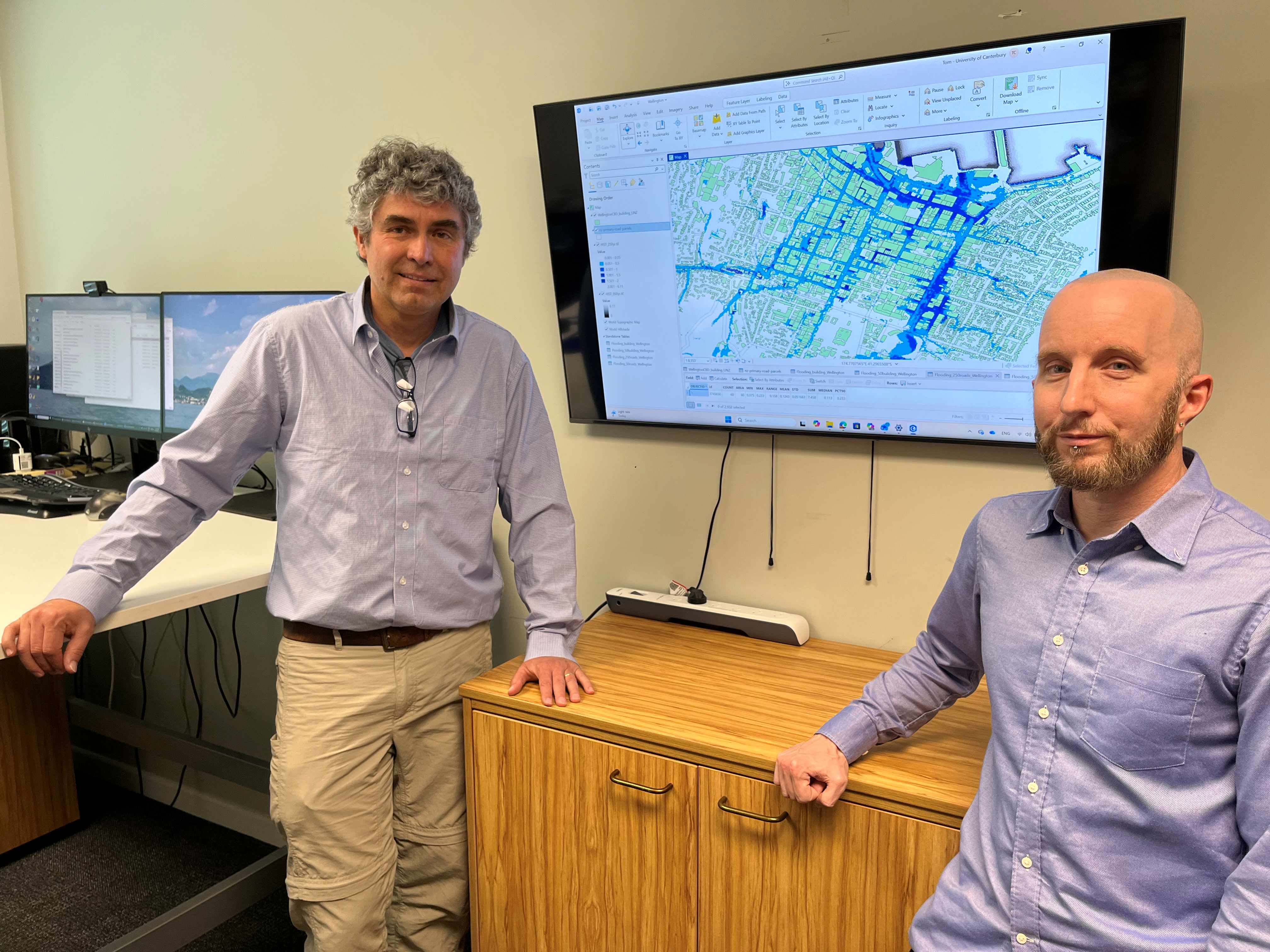
Digital models to help predict natural hazards in Kiwi capital
An innovative project using digital simulations to predict future hazards in New Zealand’s capital city takes its name from science fiction.
UC research challenges how we think autistic children learn
New UC research is challenging assumptions about how autistic children learn language.
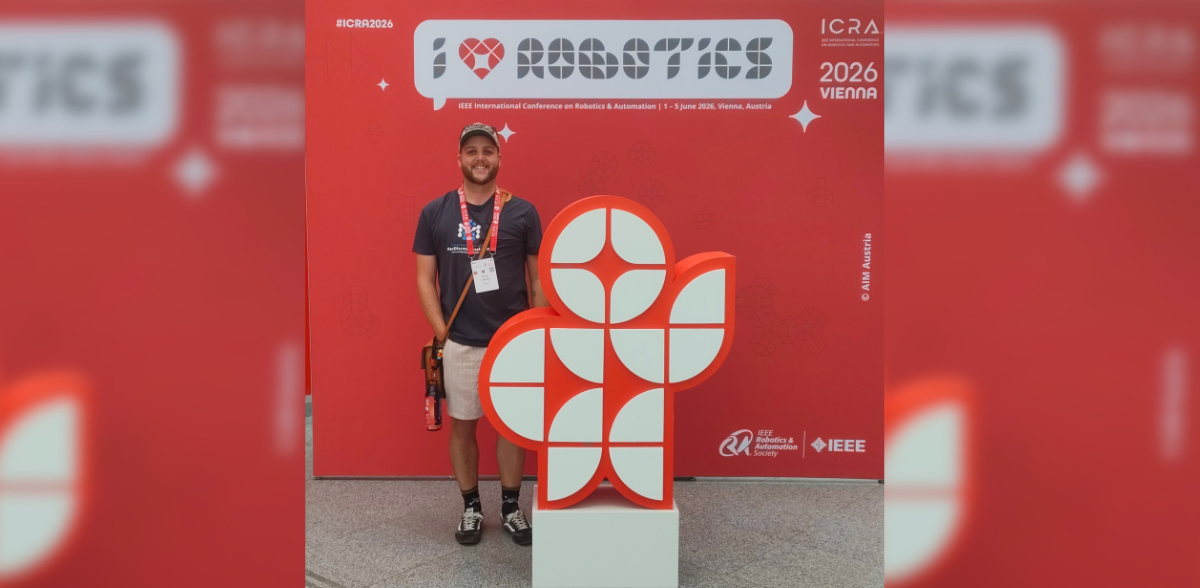
Tiny robots, big potential: UC PhD explores new frontier
A UC researcher is pioneering laser-controlled robot swarms thinner than a human hair — work he believes could one day transform medicine and manufacturing.
Innovative UC research takes a closer look at AI in education
Researchers from UC's Faculty of Education are exploring the influence and reach of generative AI in New Zealand higher education.