

The Turing Test was proposed by British mathematician Alan Turing in 1950 as a way of assessing whether a machine could demonstrate human-like intelligence. In its best-known form, a person communicates with both a human and a machine without knowing which is which and tries to identify the machine.
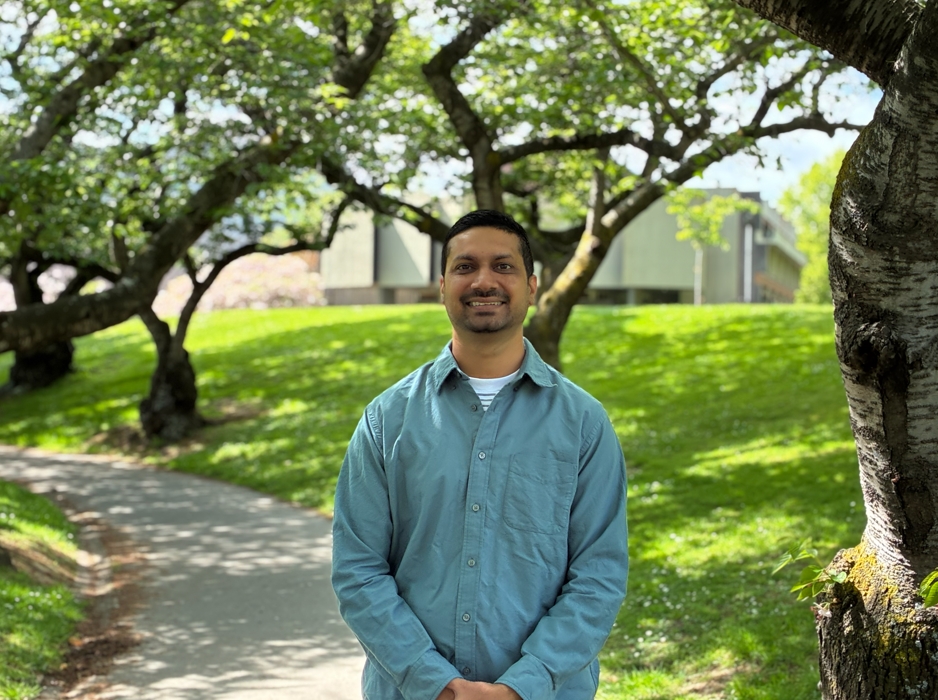
In a new study, Te Whare Wānanga o Waitaha | University of Canterbury (UC) philosopher Professor Diane Proudfoot joins computer scientist PhD student Sharon Temtsin and Professor Christoph Bartneck to argue that many experiments described as “Turing Tests” do not follow the test Turing originally proposed.
The researchers say they have implemented Turing’s original conceptual design experimentally for the first time.
The team examined Turing’s writings from 1948 to 1952, along with early commentary and historical sources, to determine how the imitation game was intended to work.
"Features commonly associated with the Turing Test, including a five-minute time limit and the idea that a machine passes if it fools 30% of judges, were not intended by Turing as rules for passing the test,” Professor Bartneck explains.
"Rather, Turing envisaged a three-player imitation game involving an interrogator, a human and a machine, with open-ended questioning and no fixed time limit. This significantly changes the goalposts and therefore the results for this test.”
To put their interpretation into practice, the researchers ran an experiment using GPT-4-Turbo, an AI language model developed by OpenAI, the company behind ChatGPT.
Participants conversed freely with both a human and the AI system until they felt confident enough to decide which was the machine.
Of 37 participants, 36 correctly identified GPT-4-Turbo — a recognition rate of 97%.
The study also found that 33 participants, or 89%, took longer than five minutes to make their decision. The average conversation lasted 14 minutes, while the longest lasted 46 minutes.
The research raises questions about whether short-duration tests give people enough time to meaningfully probe an AI system.
“Turing’s open-ended format gives interrogators an opportunity to test whether a system genuinely understands a topic, rather than simply producing convincing responses,” Professor Bartneck says.
"When this is taken into account, we’d argue that no large language model has yet been shown to pass a test that follows the design in Turing’s original work.”
The researchers stress that their findings do not show that all current or future AI models would fail. Their experiment used GPT-4-Turbo, and newer models may perform differently.
The study, Why No-One Has Implemented the Turing Test: Identifying Turing’s Design and Putting It Into Practice, published in Philosophy of Science, calls for the experiment to be repeated using different AI models, prompts and participants.


What to read next
UC geography graduate honoured for global science leadership
UC alumnus Distinguished Professor Emeritus Iain Hay has received a prestigious international Fellowship recognising his contributions to geography and scientific collaboration.

Are Kiwi businesses jumping blindly on the AI bandwagon?
AI doesn’t have to play an inevitably dominant role in our lives, businesses and future, argues a guest speaker for an upcoming UC public lecture.

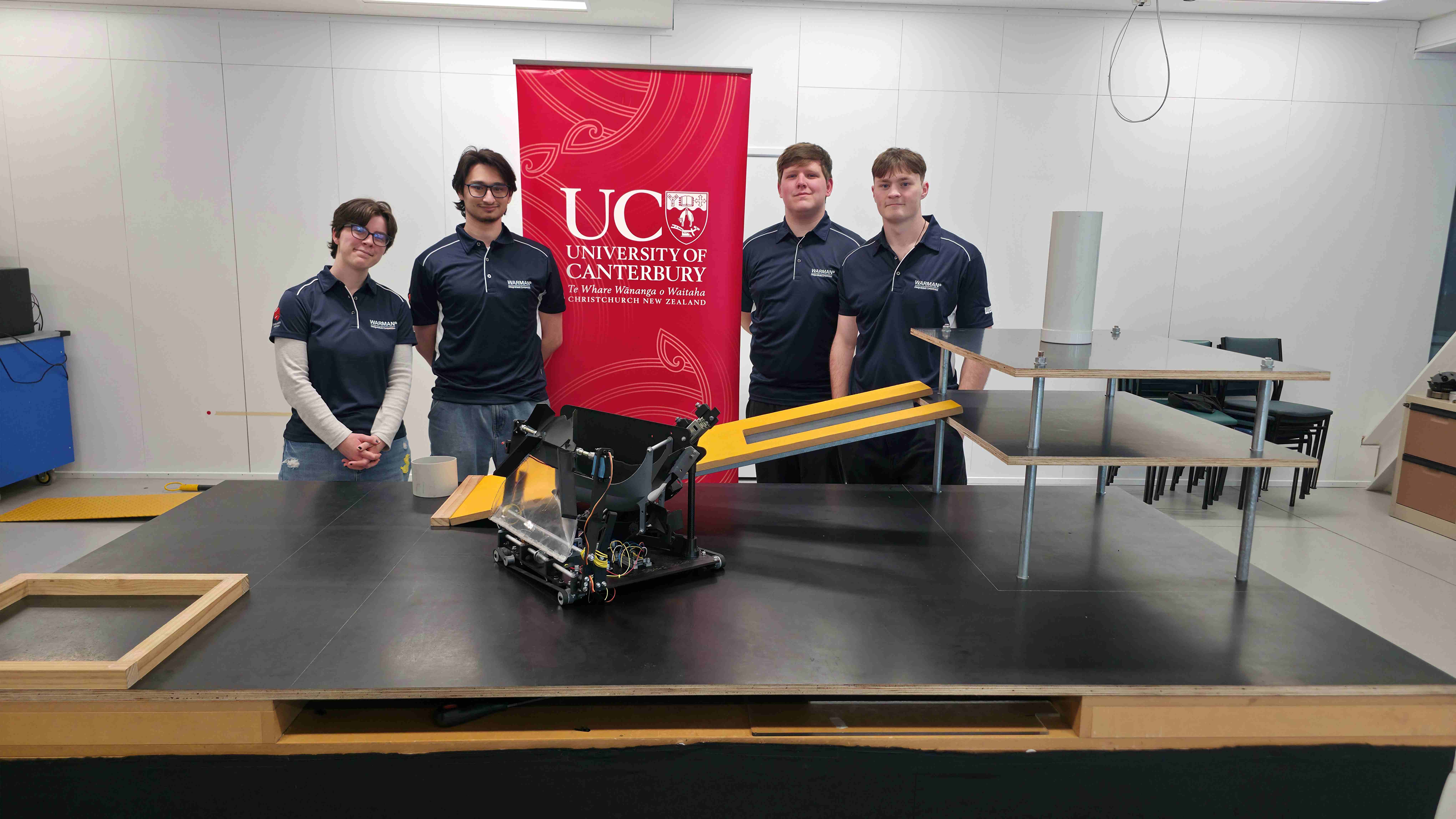
UC engineering students win international competition
A robot designed to transport rocks automatically has helped four UC engineering students claim an international title.
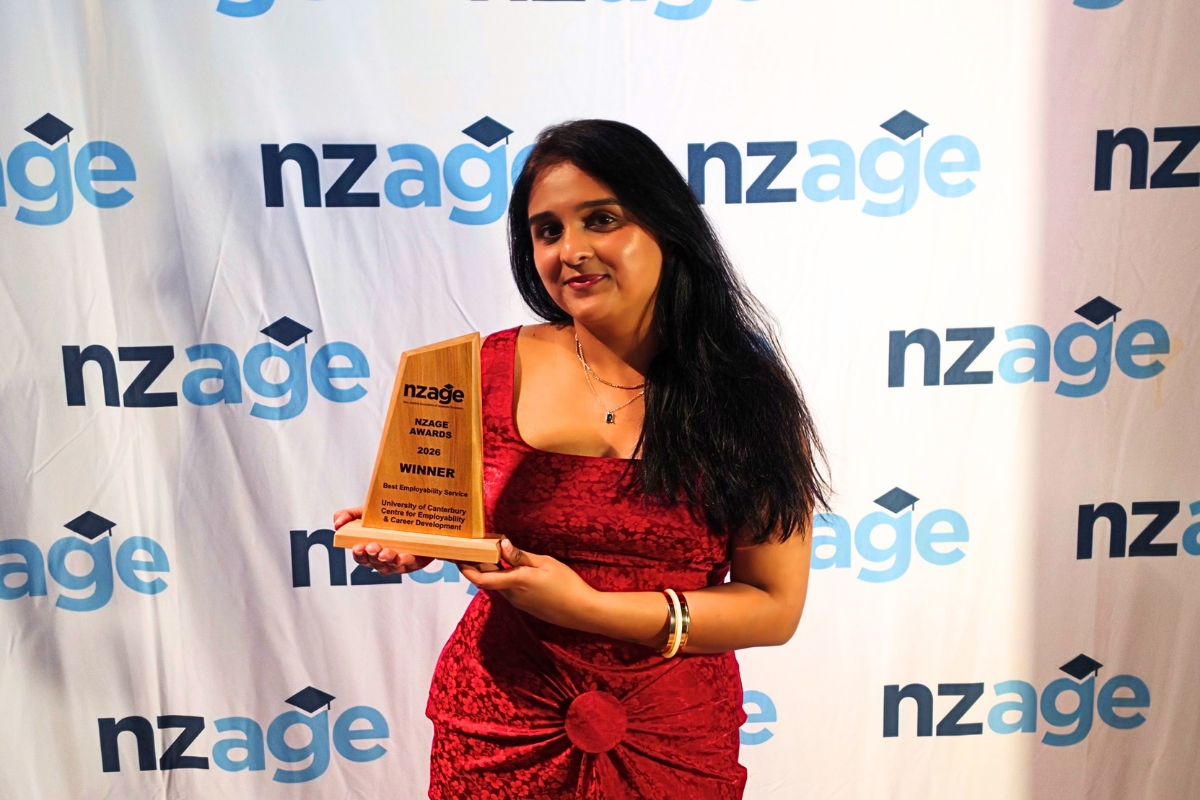
UC wins national award for employability service
UC has been recognised for excellence in helping students develop career-ready skills and connect with employers.
Fair suppliers strengthen business resilience
Businesses are better able to withstand disruption when suppliers make fair decisions and turn strong relationships into flexible action, UC research finds.
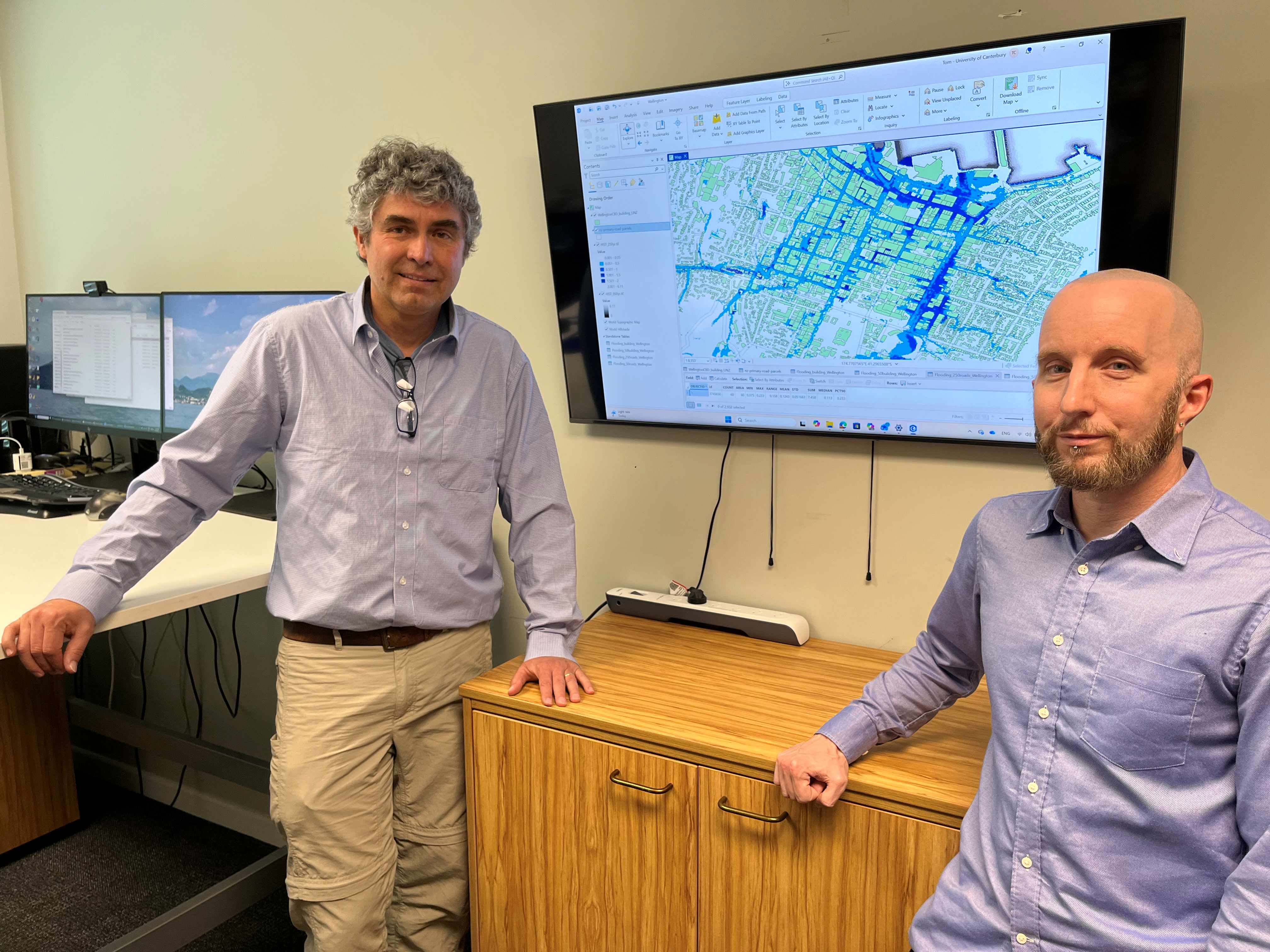
Digital models to help predict natural hazards in Kiwi capital
An innovative project using digital simulations to predict future hazards in New Zealand’s capital city takes its name from science fiction.
UC research challenges how we think autistic children learn
New UC research is challenging assumptions about how autistic children learn language.
Tiny robots, big potential: UC PhD explores new frontier
A UC researcher is pioneering laser-controlled robot swarms thinner than a human hair — work he believes could one day transform medicine and manufacturing.
UC research puts local knowledge at heart of resilience
UC research explores how Pacific Island nations can better use place-based knowledge to strengthen disaster planning and resilience.