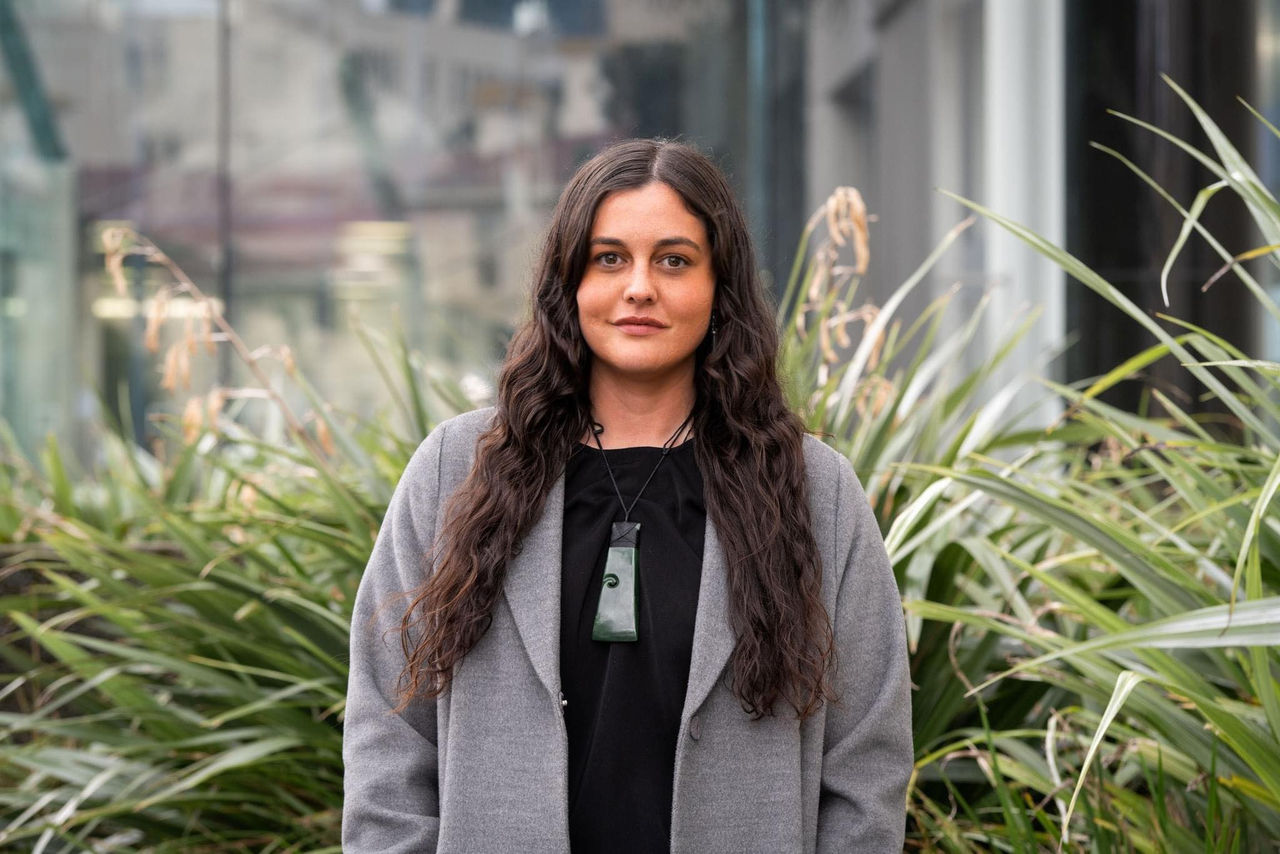


Photo caption: University of Canterbury Senior Lecturer Dr Madi Williams has won a Māori research award from the Royal Society.
Dr Madi Williams (Ngāti Kuia, Ngāti Koata, Ngāti Apa ki te Rā Tō, Rangitāne o Wairau) is a Senior Lecturer in Te Whare Wānanga o Waitaha | University of Canterbury (UC) Aotahi School of Māori and Indigenous Studies.
She has won Te Kōpūnui Māori Research Award from the Royal Society Te Apārangi in recognition for her innovative and boundary-shifting scholarship in the book Ngāti Kuia, He Pūtāke, Hei Pakiaka Ora - A History, published in July this year.
Dr Williams says the account of her iwi, one of the oldest in Te Tauihu o Te Waka a Māui, the region at the top of the South Island, challenges established histories and restores agency to her Ngāti Kuia tīpuna (ancestors). The book grew out of her PhD thesis, which she completed at UC in 2021.
“I wanted to create an accessible resource for whānau and the wider public that platforms a Ngāti Kuia perspective on our history and corrects some existing misinterpretations,” she says.
“Ngāti Kuia have faced significant adversity in our history and at times it is a sad history, but I wanted to ensure that the book spoke to the agency and mana of the tīpuna in the face of that adversity. I wanted to restore and platform Ngāti Kuia voices and perspectives in the historical record."
She is keen for that history to reach the next generation. “My vision for the future is one where we value our history here – in all its complexity. We should ensure our education system values it and educates our young people about our rich histories.”
Dr Williams says the award also recognises the place of the humanities and Māori histories in research. “It’s a real honour to receive this recognition, which is not just about me but also about those who have come before me and supported me on this journey. I am grateful to Te Apārangi for choosing to award it to an arts kaupapa, recognising the importance of our histories in Aotearoa.”
She thanked her PhD supervisors, UC Professor Te Maire Tau, Dr Martin Fisher, and the late Dr Chris Jones.
Dr Williams also acknowledged her whanaunga (relative) Dr Peter Meihana, Te Rūnanga o Ngāti Kuia Trust, the Ngāi Tahu Research Centre, the Judith Binney Trust, Aotahi School of Māori and Indigenous Studies and UC.
Expert evidence from Dr Williams helped resolve the long-running Nelson Tenths case in the High Court in 2023, and her 2021 book Polynesia, 900–1600: An Overview of the History of Aotearoa places the history of Aotearoa New Zealand in its Pacific context during the European Middle Ages.
What to read next
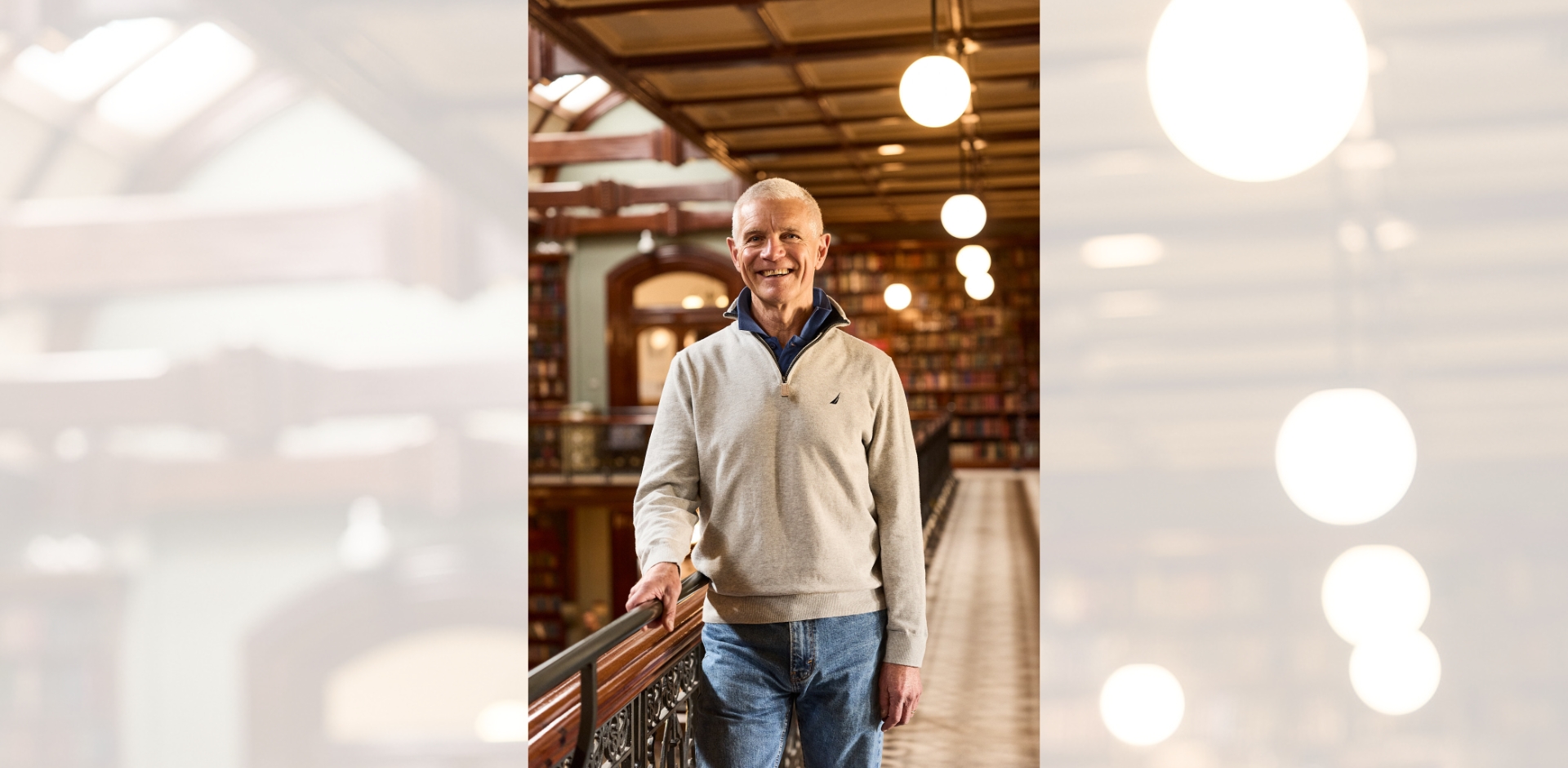
UC geography graduate honoured for global science leadership
UC alumnus Distinguished Professor Emeritus Iain Hay has received a prestigious international Fellowship recognising his contributions to geography and scientific collaboration.
Are Kiwi businesses jumping blindly on the AI bandwagon?
AI doesn’t have to play an inevitably dominant role in our lives, businesses and future, argues a guest speaker for an upcoming UC public lecture.
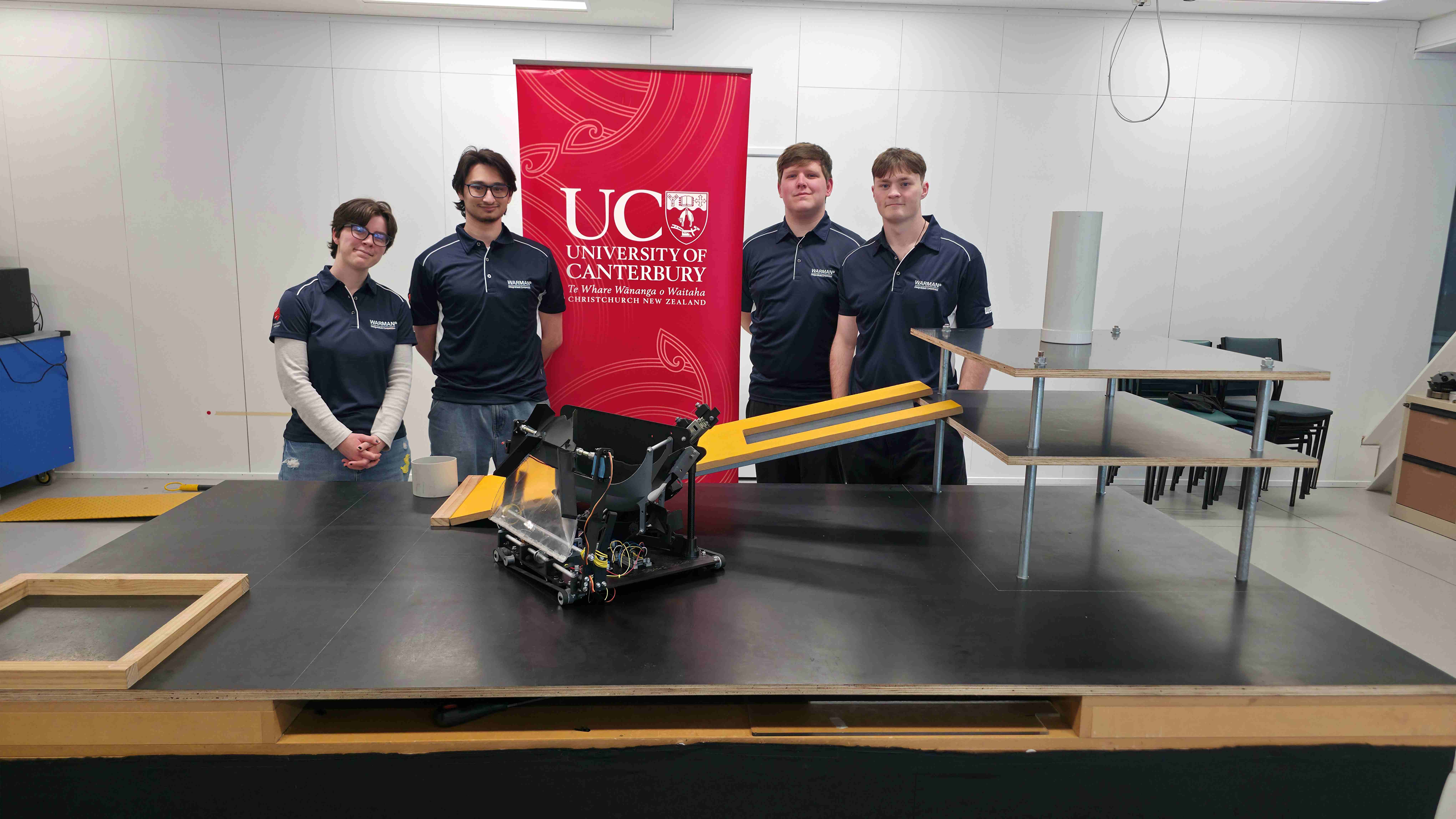
UC engineering students win international competition
A robot designed to transport rocks automatically has helped four UC engineering students claim an international title.
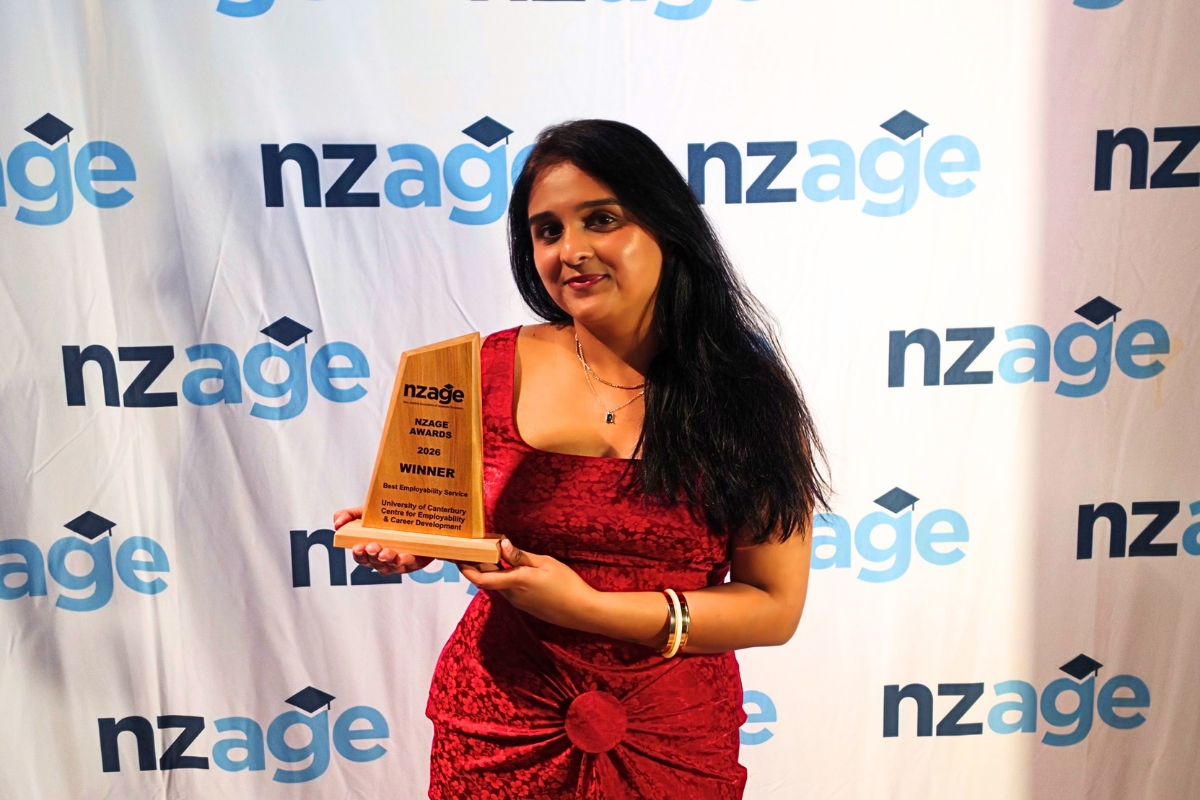
UC wins national award for employability service
UC has been recognised for excellence in helping students develop career-ready skills and connect with employers.
Fair suppliers strengthen business resilience
Businesses are better able to withstand disruption when suppliers make fair decisions and turn strong relationships into flexible action, UC research finds.
Digital models to help predict natural hazards in Kiwi capital
An innovative project using digital simulations to predict future hazards in New Zealand’s capital city takes its name from science fiction.
UC research challenges how we think autistic children learn
New UC research is challenging assumptions about how autistic children learn language.
Tiny robots, big potential: UC PhD explores new frontier
A UC researcher is pioneering laser-controlled robot swarms thinner than a human hair — work he believes could one day transform medicine and manufacturing.
UC research puts local knowledge at heart of resilience
UC research explores how Pacific Island nations can better use place-based knowledge to strengthen disaster planning and resilience.