

Menu

Wananga Landing
Profile image
Wananga Landing
Topic

X-ray Photoelectron Spectroscopy (XPS)

26 February 2026

X-ray Photoelectron Spectroscopy (XPS) is a powerful surface analysis technique used to determine the elemental composition, chemical state, and electronic structure of materials.

HOW TO APPLY

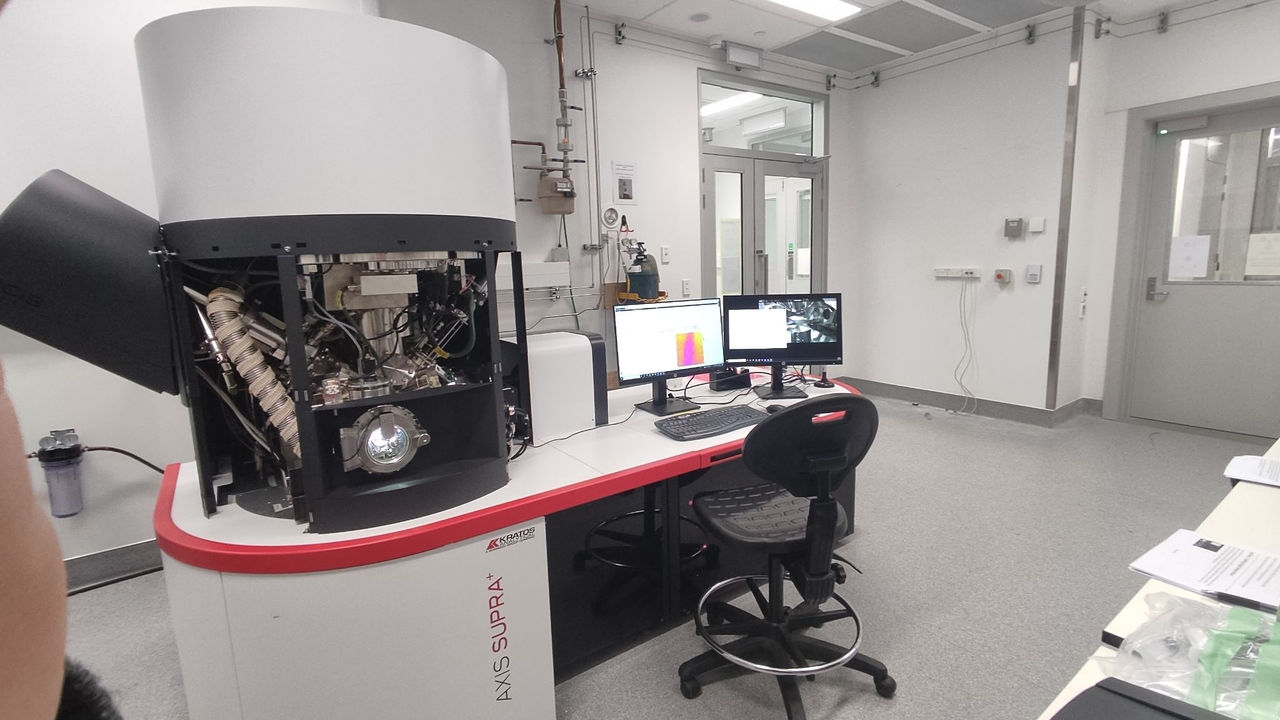
X-ray Photoelectron Spectroscopy (XPS) is a powerful surface analysis technique used to determine the elemental composition, chemical state, and electronic structure of materials. It works by irradiating a sample with X-rays, causing the emission of photoelectrons.

By measuring the kinetic energy of these electrons, we can identify the elements present, their bonding environments and obtain the material's unique signature.

XPS is widely used in materials science, nanotechnology, and semiconductor research, as it provides valuable insights into surface chemistry, oxidation states, and contamination levels. The technique is highly sensitive, analyzing only the top 1–12 nm of a material, making it ideal for studying thin films and coatings.

At our Advanced Materials facilities we can combine XPS with other processing and characterization techniques, to study samples from the nano-scale all the way up to macroscopic bulk materials in a single instrument.

Applications

XPS is an extraordinary useful technique in fundamental and applied science and technology, industry, forensics and biotechnology.

Its sensitivity to surface elements makes XPS ideal for the study of metals, polymers, ceramics and coatings, and for obtaining accurate quantitative analysis of concentrations, oxidation states and bonding environments.

In addition to XPS, at our Advanced Materials facilities we can process materials in-situ via high-energy ion etching or soft cluster bombardment, and use additional x-ray and electron techniques to provide a full suite of analysis capabilities to a wide variety of industries and applications.

Energy

Analysis of electrode surfaces, degradation mechanisms, functionalisation and electrochemical capabilities.

Semiconductor

Crucial for evaluating thin films, oxidation states, and surface treatments that  affects the performance and yield of microelectronics.

Forensics

Analysis of trace evidence, such as paint chips, residues, ink marks. Producing chemical signatures of evidence to help detect forgeries.

Enviromental

Detect contaminants on surfaces, such as heavy metals in soil, airborne  articulates, or pollutants in water treatment membranes.

Privacy Preferences

By clicking "Accept All Cookies", you agree to the storing of cookies on your device to enhance site navigation, analyse site usage, and assist in our marketing efforts.