

Menu

Wananga Landing
Profile image
Wananga Landing
Topic

X-ray Fluorescence (XRF)

26 February 2026

X-ray fluorescence (XRF) is a fast, non-destructive analytical technique used to determine the elemental composition of materials

HOW TO APPLY

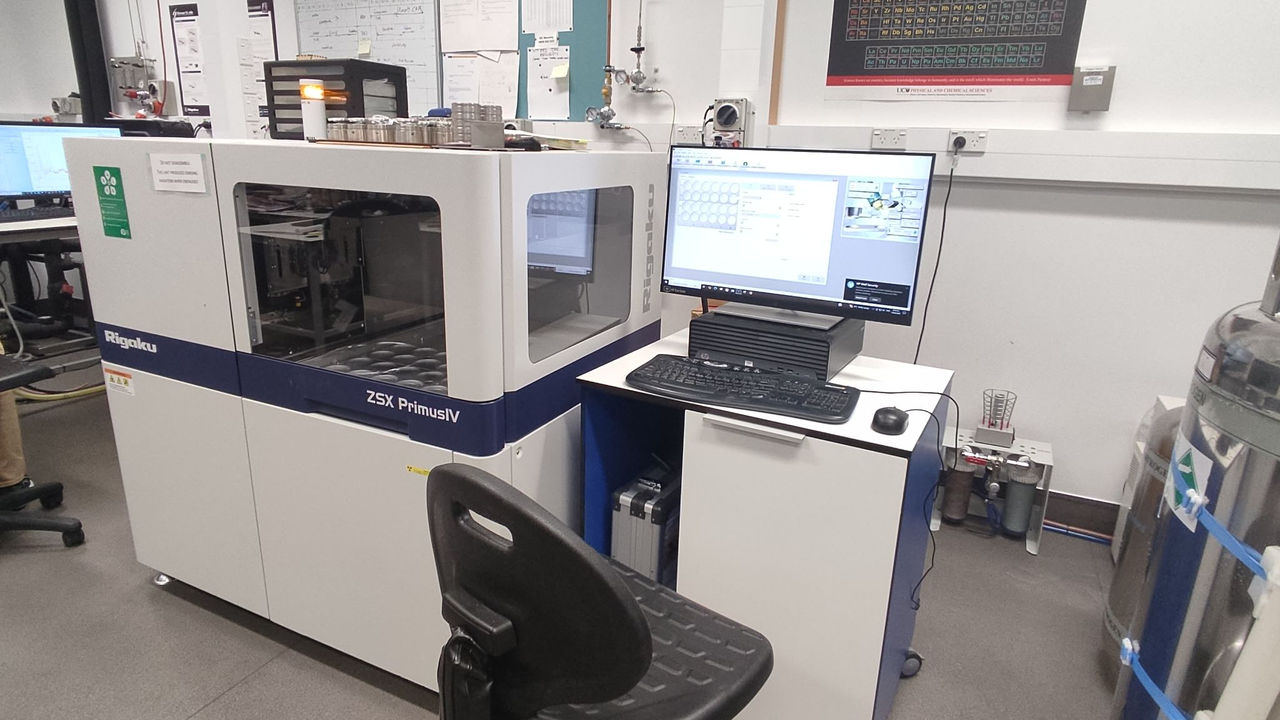
X-ray fluorescence (XRF) is a fast, non-destructive analytical technique used to determine the elemental composition of materials.

As X-rays interact with the sample, they excite electronic transitions in its atoms, causing emission of secondary (or fluorescent) X-rays unique to each element. Measuring the fluorescent emission allows precise, real-time identification and quantification of elements across a wide range of samples.

XRF is renowned for its speed, precision, and minimal sample preparation requirements, making it ideal for both routine analysis and complex research applications.

It is widely used in industries such as mining, environmental science, metallurgy, forensics, and archaeology to analyze solids, powders, liquids, and thin films.

Whether you are interested in material identification, quality control or regulatory compliance, XRF offers a cost-effective and reliable solution for elemental analysis across diverse sample types.

Applications

XRF is a fast and precise tool for elemental identification and mapping, offering great versatility for the analysis of solid and liquid samples, with minimal sample preparation.

The technique probes deep into the material, making it ideal for the study of solids, powders, liquids and bulk samples from geological explorations, manufacturing processes and environmental monitoring, although thin films and nanomaterials can also be analysed.

As a non-destructive technique, XRF is a great tool for art, archaeology and forensic investigations, allowing to obtaining chemical signatures from the sample without sacrificing valuable or irreplaceable materials like artifacts, artworks or forensic evidence.

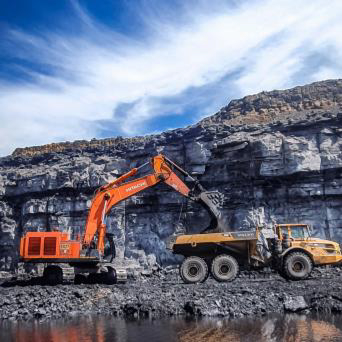
Mining & Geology

Rapid elemental analysis of ores, minerals and soil, to guide exploration and  process control.

FOOD SAFETY

Detection of trace elements and ensuring regulatory compliance in food safety and pharmaceutical environments.

MANUFACTURE

Research on metals, alloys and coatings, detection of trace elements in manufacture processes, quality control.

ENVIRONMENTAL

Detect contaminants on surfaces, such as heavy metals in soil or pollutants in water treatment membranes.

Privacy Preferences

By clicking "Accept All Cookies", you agree to the storing of cookies on your device to enhance site navigation, analyse site usage, and assist in our marketing efforts.