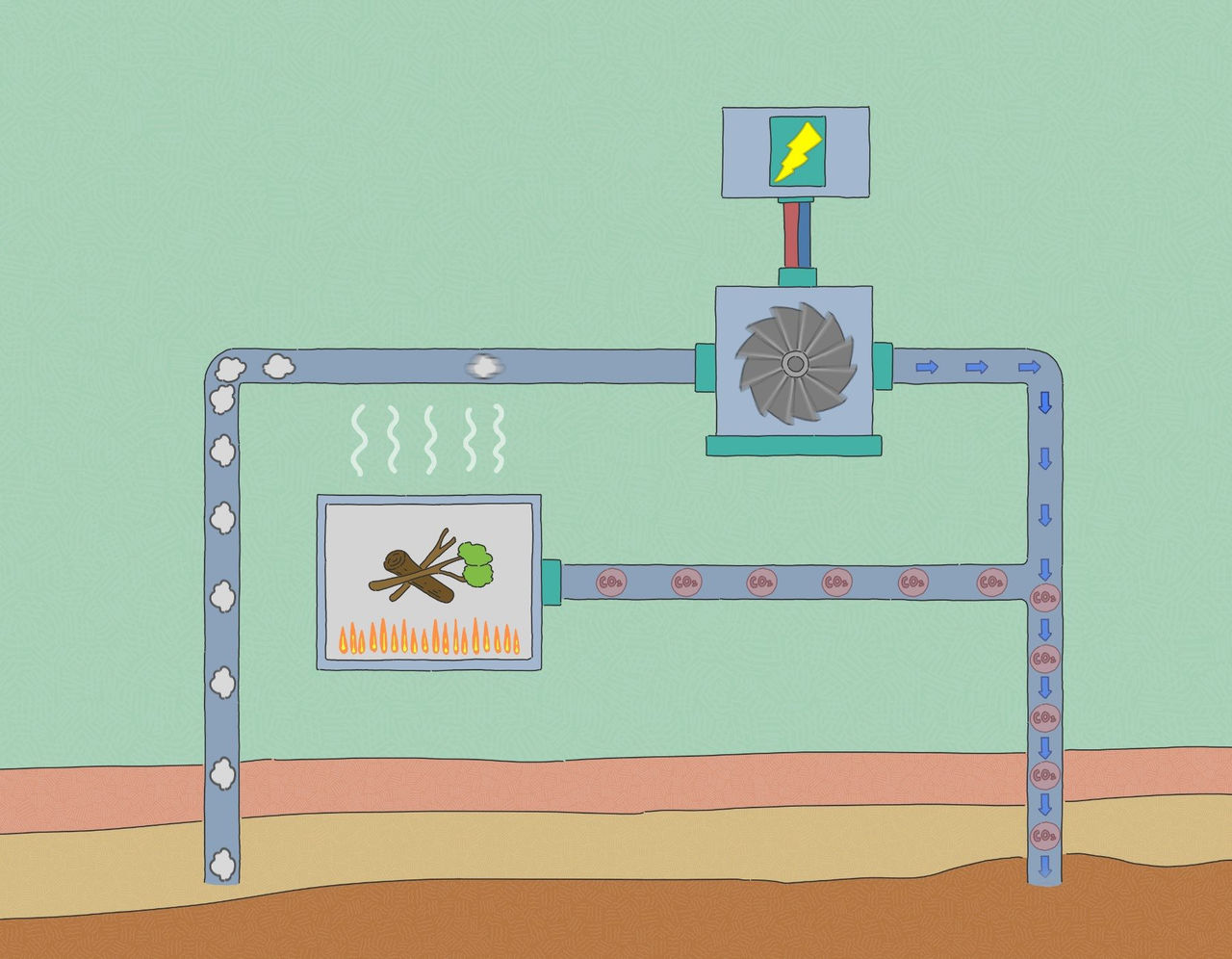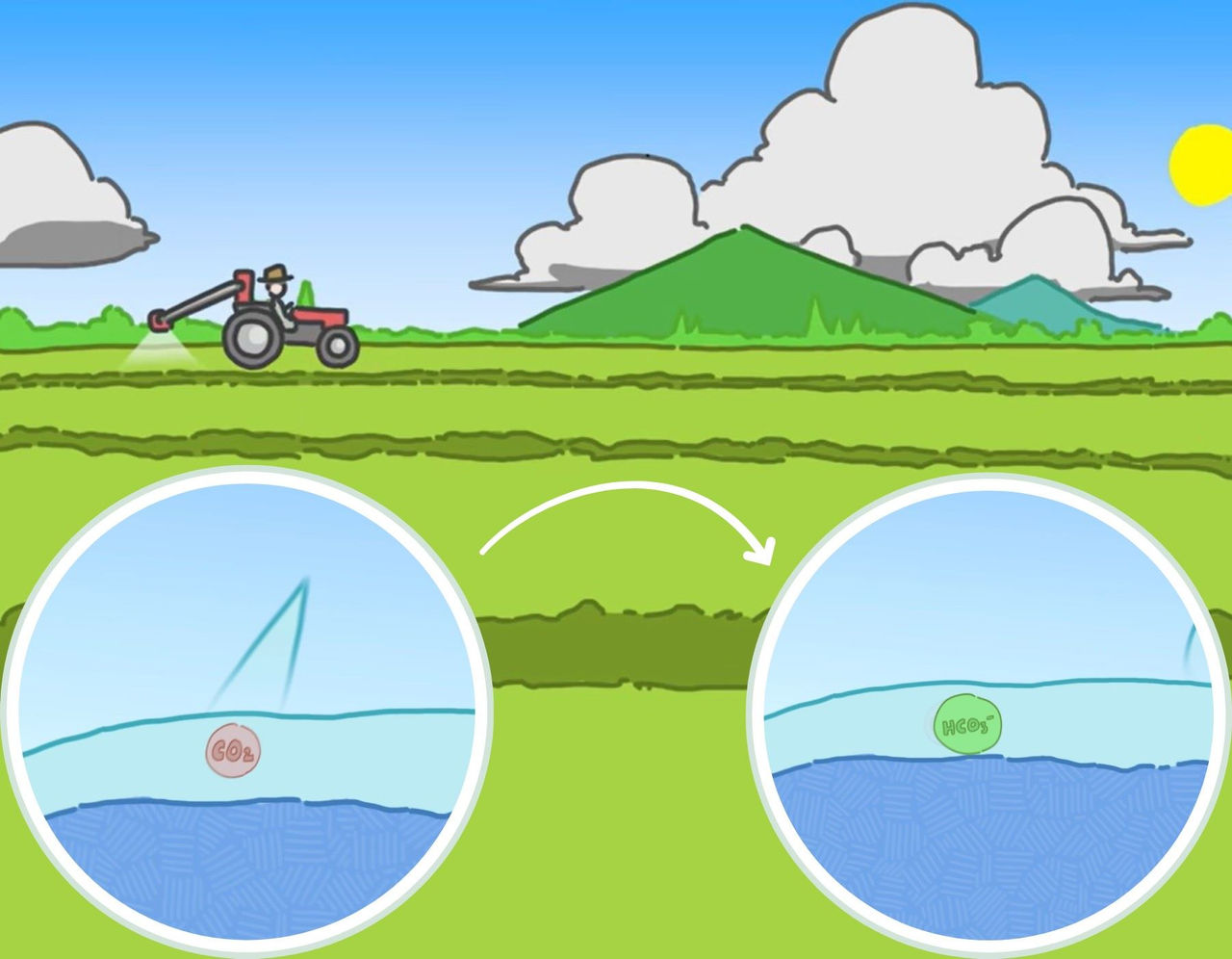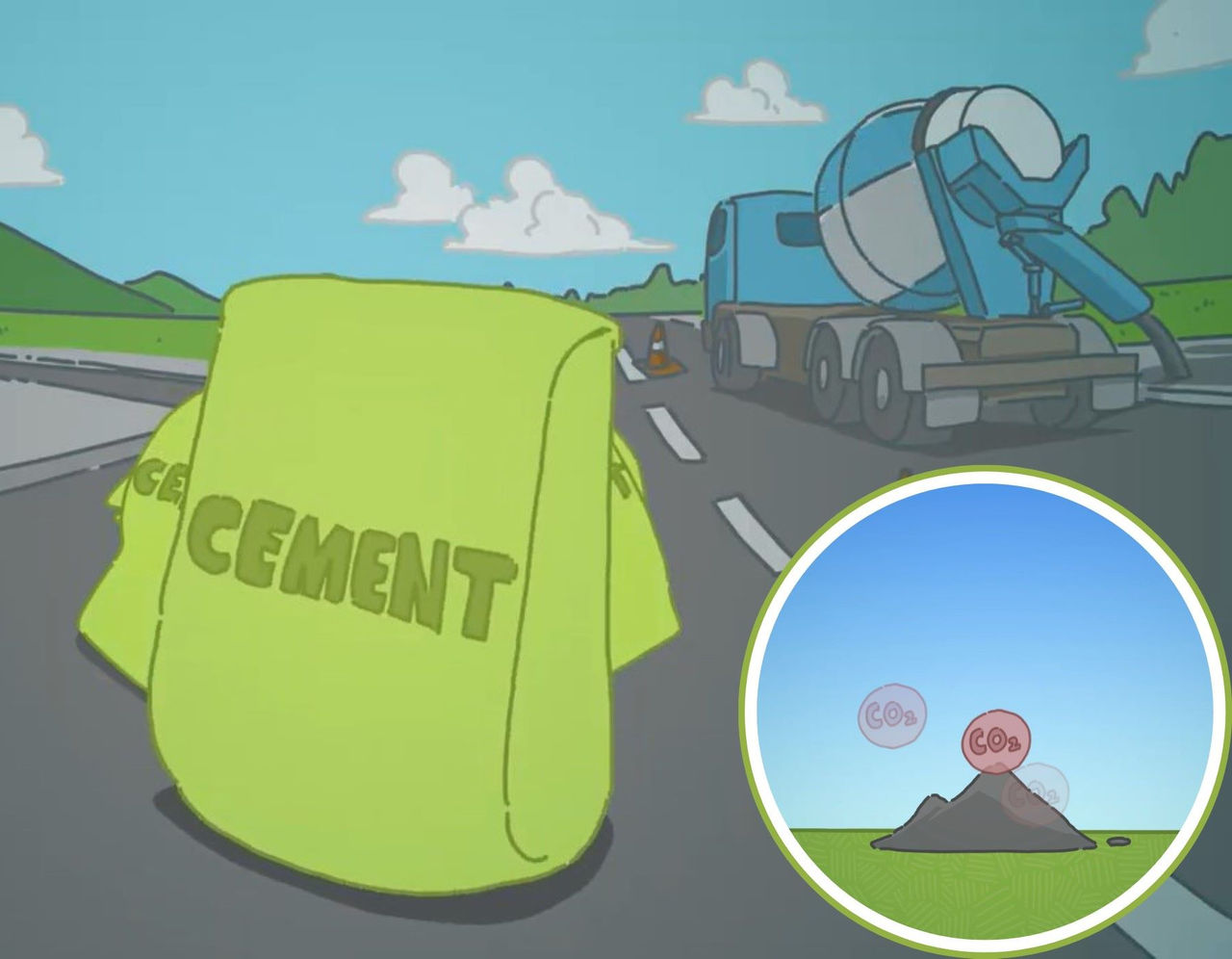


Carbon dioxide (CO2) removal extracts greenhouse gas out of the atmosphere and stores it in a secure form or place so it no longer contributes to climate change. Although it shares similarities with carbon capture – typically, a net-zero process – CO2 removal achieves net-negative emissions.
Large-scale removals will be necessary to achieve national and global climate goals. Initially, carbon removal could balance out hard-to-abate sectors such as aviation. With sufficient incentives, it may be deployed to address legacy emissions and bring down atmospheric concentrations of CO2.
Afforestation has provided the vast majority of CO2 removal to date, both in Aotearoa New Zealand and globally. Releasing their carbon stores when damaged in storms and fires, forests are often a less durable form of removal compared to methods such as biochar application or geological mineralisation.
Our research project, led out of the University of Canterbury, is investigating more durable removal technologies well suited to New Zealand and capable of removing at least one million tonnes of CO2 every year.
Our team of 16 academics, six postdoctoral researchers, 10 PhD students and a community-based researcher from institutes across New Zealand is supported by a grant from the Government’s Endeavour Fund until 2029.
Building on our team’s expertise, we’re focused on three technologies: