

The paper, published in Antarctic Science, draws on a workshop held in October 2024 that brought together 29 stakeholders from across local and national government, academia, tourism, logistics, training providers and local businesses.
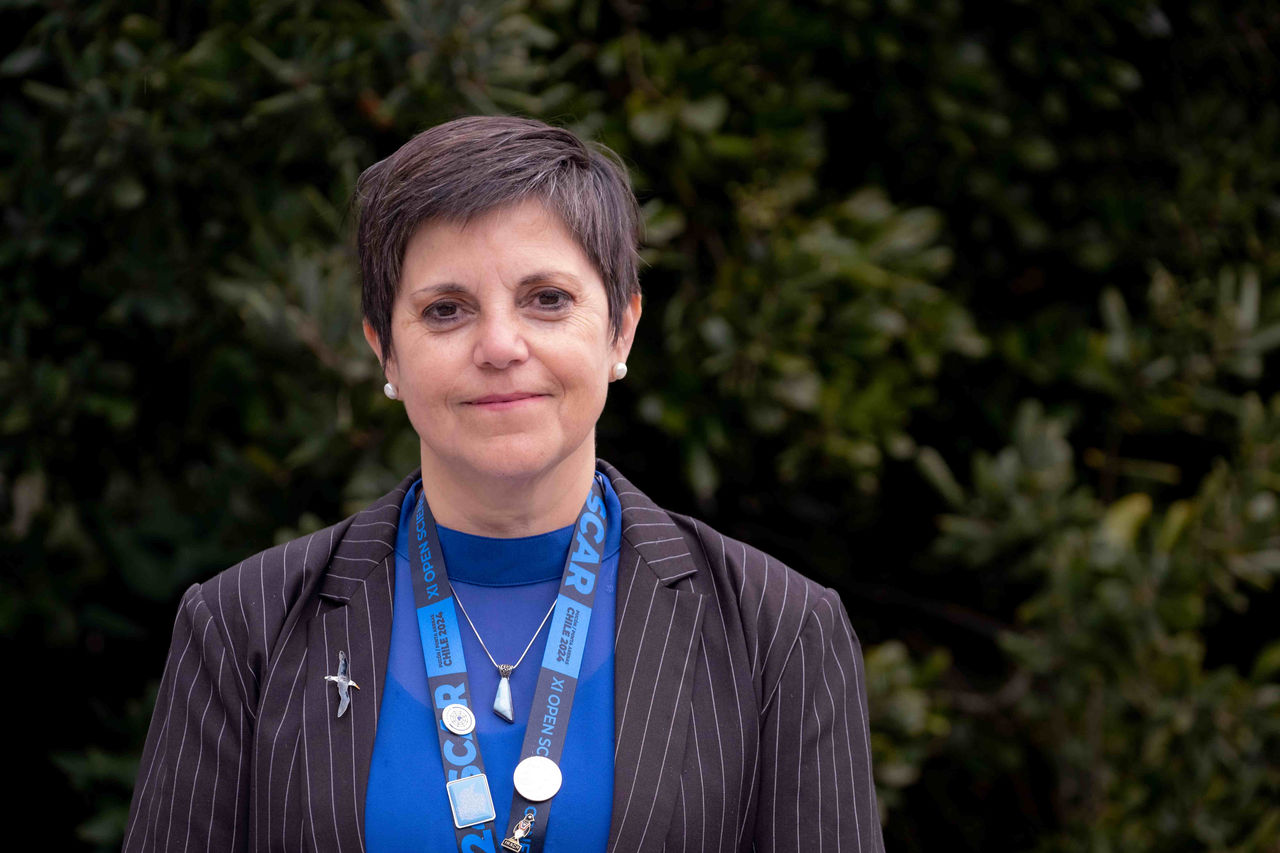
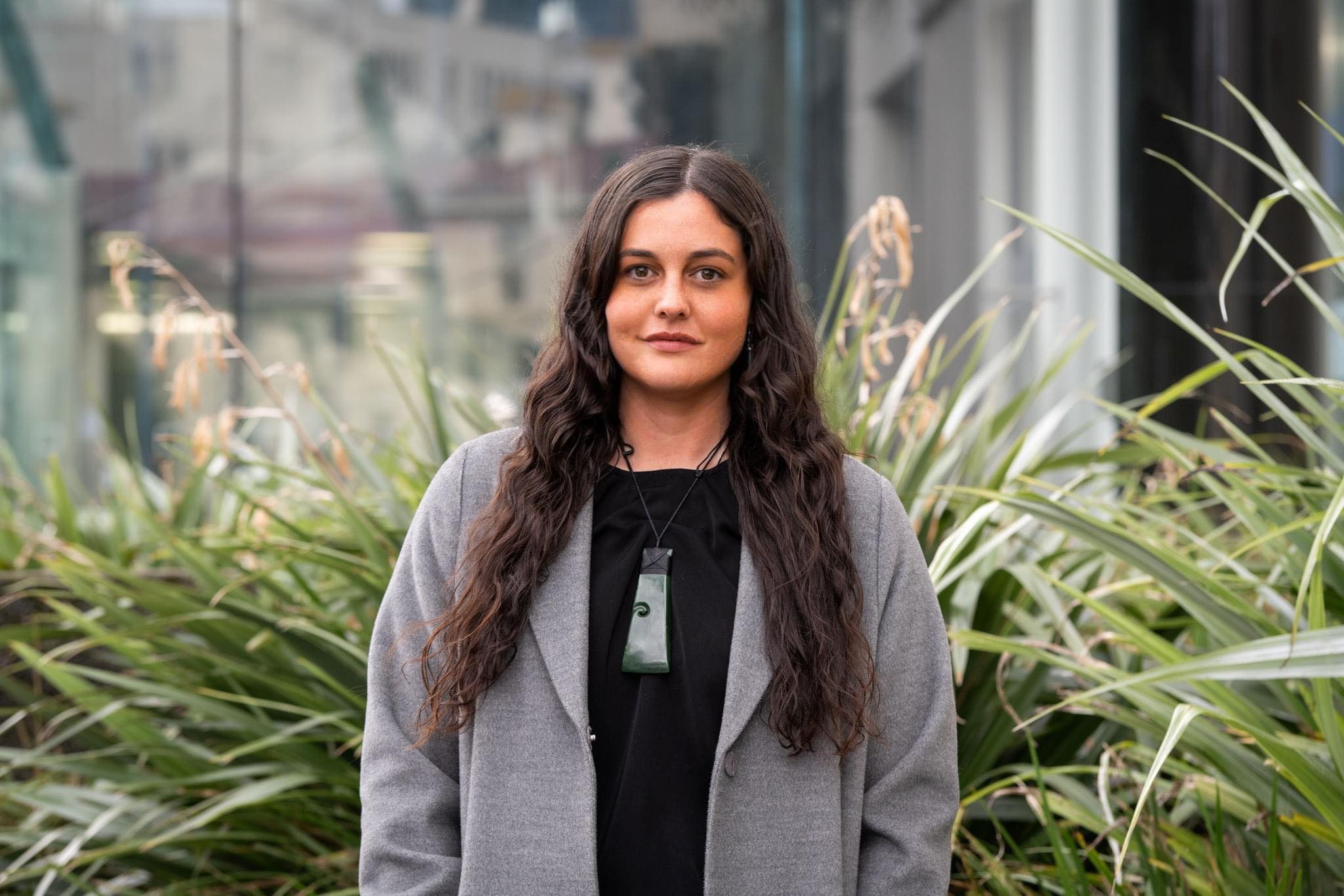
Co-author Dr Gabriela Roldan, a postdoctoral fellow at Gateway Antarctica, School of Earth and Environment at Te Whare Wānanga o Waitaha | University of Canterbury (UC), says it is the first study to map the full range of Antarctic roles based out of New Zealand, from scientists and logistics operators to port workers and educators – not just those who travel to Antarctica.
“We think about Antarctica and Antarctic research as happening in the continent itself, but we don't think about all the organisation, planning, preparation, training and education that has to happen before a single person goes south to work,” Dr Roldan says. “Around 5,800 people in New Zealand work directly or indirectly in Antarctic-related roles, contributing $158.3 million to the Canterbury region and $229.3 million to New Zealand in 2023. This research highlights just how significant that workforce is.”
From tradespeople and port workers to educators, tourism operators and researchers, the Antarctic sector is part of Christchurch’s everyday economy. The research suggests better coordination could help create more jobs, training pathways and business opportunities.
Christchurch is one of five Antarctic gateway cities in the world, alongside Hobart in Australia, Cape Town in South Africa, Ushuaia in Argentina and Punta Arenas in Chile.
A key finding of the research was the opportunity to better connect Christchurch’s Antarctic sector under the existing Antarctic Gateway Strategy.
“Christchurch was the first gateway city to have a strategy dedicated to its Antarctic role. Developed by Christchurch City Council, the strategy provides a strong foundation, and there is an opportunity to further promote and embed it so it can be more widely used by those working across Antarctic affairs,” Dr Roldan says.
“We also found that many stakeholders, despite working in the same sector, largely operated in silos and had limited awareness of each other's work. They knew of each other but had not worked closely together. This highlighted an opportunity to strengthen collaboration through the Gateway Strategy and make the most of that advantage.”
Dr Roldan says that while the gateway cities have historically competed with one another, workshop participants expressed a shift in thinking towards international collaboration rather than competition. “This research comes at a time of significant geopolitical and environmental pressure on Antarctic governance, making international collaboration more important than ever. The Antarctic Treaty System, which operates by consensus, is under strain as member nations face competing priorities and, in some cases, direct conflict. Budget cuts and funding uncertainty for Antarctic programmes also have flow-on effects on Christchurch's workforce and economy.
“Antarctica is designated as a place for peace, science and international collaboration, but decision-making around its future is not keeping pace with the scale of change we are seeing.”
Key recommendations from the workshop include implementing a clear Antarctic strategy that connects local, national and international priorities; improving the visibility of existing skills and capabilities to National Antarctic Programmes; adding Antarctic modules to trades and tertiary training; developing Antarctic tourism connections within Christchurch; and fostering exchange opportunities between gateway cities.
The paper also highlights the role UC plays in developing the skills needed to support Antarctica-related work. “UC plays an important role in offering these opportunities and in training the future workforce, including through the Postgraduate Certificate in Antarctic Studies, which has produced alumni now working in Antarctic research, policy and logistics around the world. The reputation that UC has in Antarctic research has been internationally recognised for decades, and most of the doors are open just because you are connected to UC.”
The paper, "The future of polar work in the Antarctic gateway cities: Christchurch case study", is co-authored by UC graduate and lead author Dr Hanne Nielsen (University of Tasmania), Professor Daniela Liggett (UC), Kasuni Koswatthage (UC) and Professor Emma Stewart (Lincoln University).
The research was supported by the NWO-funded project ANTARC-SHIP: Fostering environmental stewardship among Antarctic tourism governance actors and the Antarctic Science Bursary.



.png)