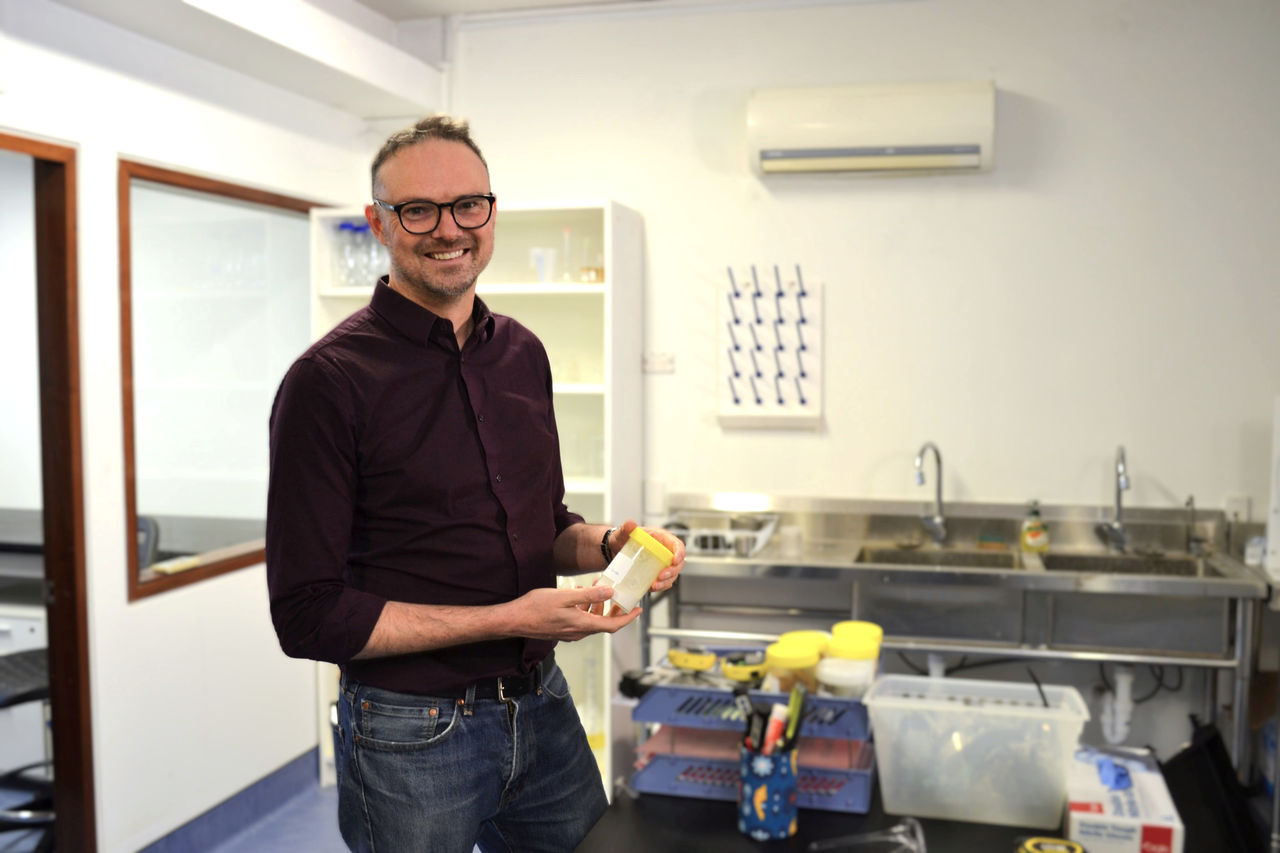


Photo caption: Professor Matthew Watson is one of four University of Canterbury finalists in the 2026 KiwiNet Awards.
Chemical and Process Engineering Professor Matthew Watson, from Te Whare Wānanga o Waitaha | University of Canterbury (UC), is a finalist in the BNZ Researcher Entrepreneur category of the KiwiNet Research Commercialisation Awards 2026.
Professor Watson’s work bridges academic research and commercialisation and he has played a leading role in the establishment of three successful startup companies that support sustainability.
He says his biggest motivation is to apply his chemical engineering expertise to help solve some of the world's most pressing challenges while also creating opportunities and careers in New Zealand for young, motivated graduates.
“This recognition acknowledges the work that my team and I have done over many years to convert research into technologies that can be used by industry and benefit society.”
Professor Watson’s successful startups include; NILO, a plastics recycling company that turns waste plastic products into wood adhesives; Aspiring Materials, a technology company that reduces industrial carbon dioxide (CO₂) by processing olivine; and CullBeck Ltd, which is decarbonising the steel industry, one of the world’s largest industrial sources of CO₂ emissions.
Professor Watson says the greatest research impact comes from solving important problems and commercialising those solutions so that people and the environment can benefit from them.
“Maintaining a strong professional network that spans academia, industry, and New Zealand's investment community is central to this approach. I also try to consider the economic viability of potential solutions early in the research process.”
Professor Watson is currently working with UC collaborators Professor Catherine Bishop and Professor Aaron Marshall on a low emissions process for producing rare earth metals which are used in electric vehicles and smart phones. This work is based on recent results generated by PhD student Kaveh Rahmani.
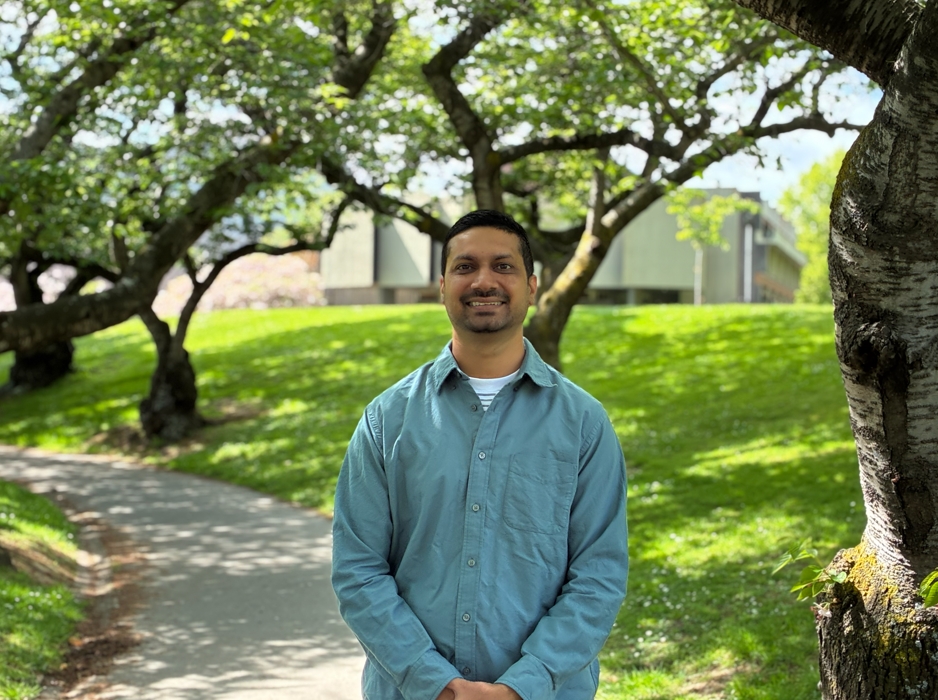
UC PhD Engineering graduate Dr Jake Campbell (Te Rarawa) is another KiwNet finalist in the Breakthrough Innovator award category for his medtech startup Zuuka, which he co-founded last year to meet a real and urgent need in diabetes care. The core technology behind Zuuka is a wearable drug-delivery platform that supports automated insulin delivery for patients. The company is currently targeting the global insulin pump market, valued at US$5 billion and growing. Beyond diabetes, the device could have applications for delivering other medications including treatments for Parkinson's Disease and steroid-based therapies.
There are also two UC student KiwNet finalists; Mark Campbell and Zac Hemmings, who are both in the running for the Momentum Student Entrepreneur award.
Campbell has developed adaptive glasses – Lensare - to protect people with light sensitivities such as epilepsy, migraines and brain injuries.
Hemmings, a Civil Engineering student, is turning thousands of dollars’ worth of unwanted household belongings into a business opportunity through his platform Cluttr.
There are 18 finalists from across New Zealand in the KiwiNet Awards for 2026. The winners will be announced in Auckland on 8 October.
KiwiNet Chief Executive Dr James Hutchinson says the finalists are the standout performers of New Zealand's research commercialisation sector, transforming world-class research into innovations that improve lives, strengthen industries and grow the economy.
"These successes do not happen overnight. They are the result of years of deep research, expert commercialisation support and entrepreneurial drive, all focused on getting breakthrough innovations to market.”
More information
Visit our media enquiries page to contact UC Media.
What to read next
UC geography graduate honoured for global science leadership
UC alumnus Distinguished Professor Emeritus Iain Hay has received a prestigious international Fellowship recognising his contributions to geography and scientific collaboration.

Are Kiwi businesses jumping blindly on the AI bandwagon?
AI doesn’t have to play an inevitably dominant role in our lives, businesses and future, argues a guest speaker for an upcoming UC public lecture.
UC engineering students win international competition
A robot designed to transport rocks automatically has helped four UC engineering students claim an international title.
UC wins national award for employability service
UC has been recognised for excellence in helping students develop career-ready skills and connect with employers.
Fair suppliers strengthen business resilience
Businesses are better able to withstand disruption when suppliers make fair decisions and turn strong relationships into flexible action, UC research finds.
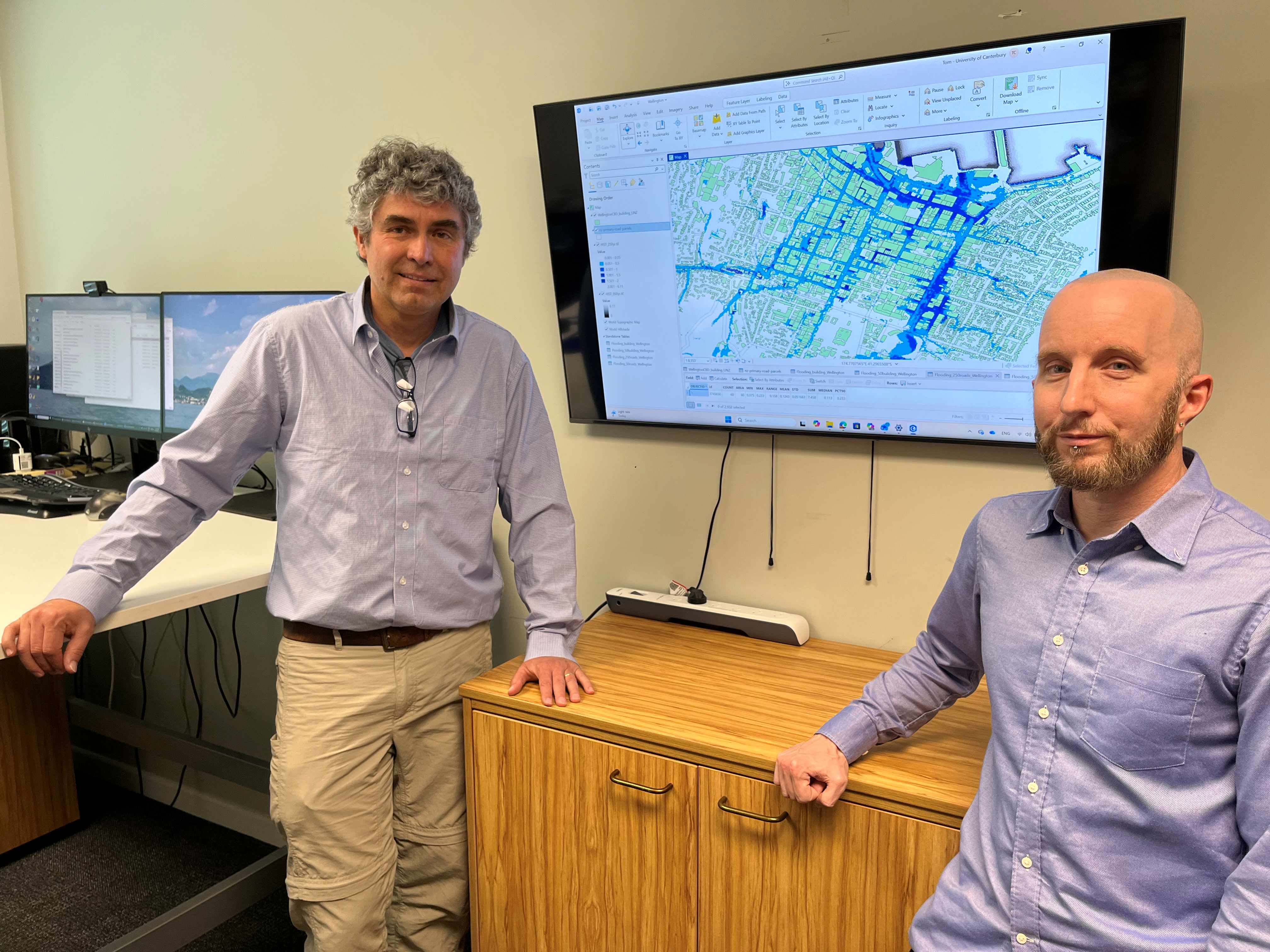
Digital models to help predict natural hazards in Kiwi capital
An innovative project using digital simulations to predict future hazards in New Zealand’s capital city takes its name from science fiction.
UC research challenges how we think autistic children learn
New UC research is challenging assumptions about how autistic children learn language.
Tiny robots, big potential: UC PhD explores new frontier
A UC researcher is pioneering laser-controlled robot swarms thinner than a human hair — work he believes could one day transform medicine and manufacturing.
UC research puts local knowledge at heart of resilience
UC research explores how Pacific Island nations can better use place-based knowledge to strengthen disaster planning and resilience.