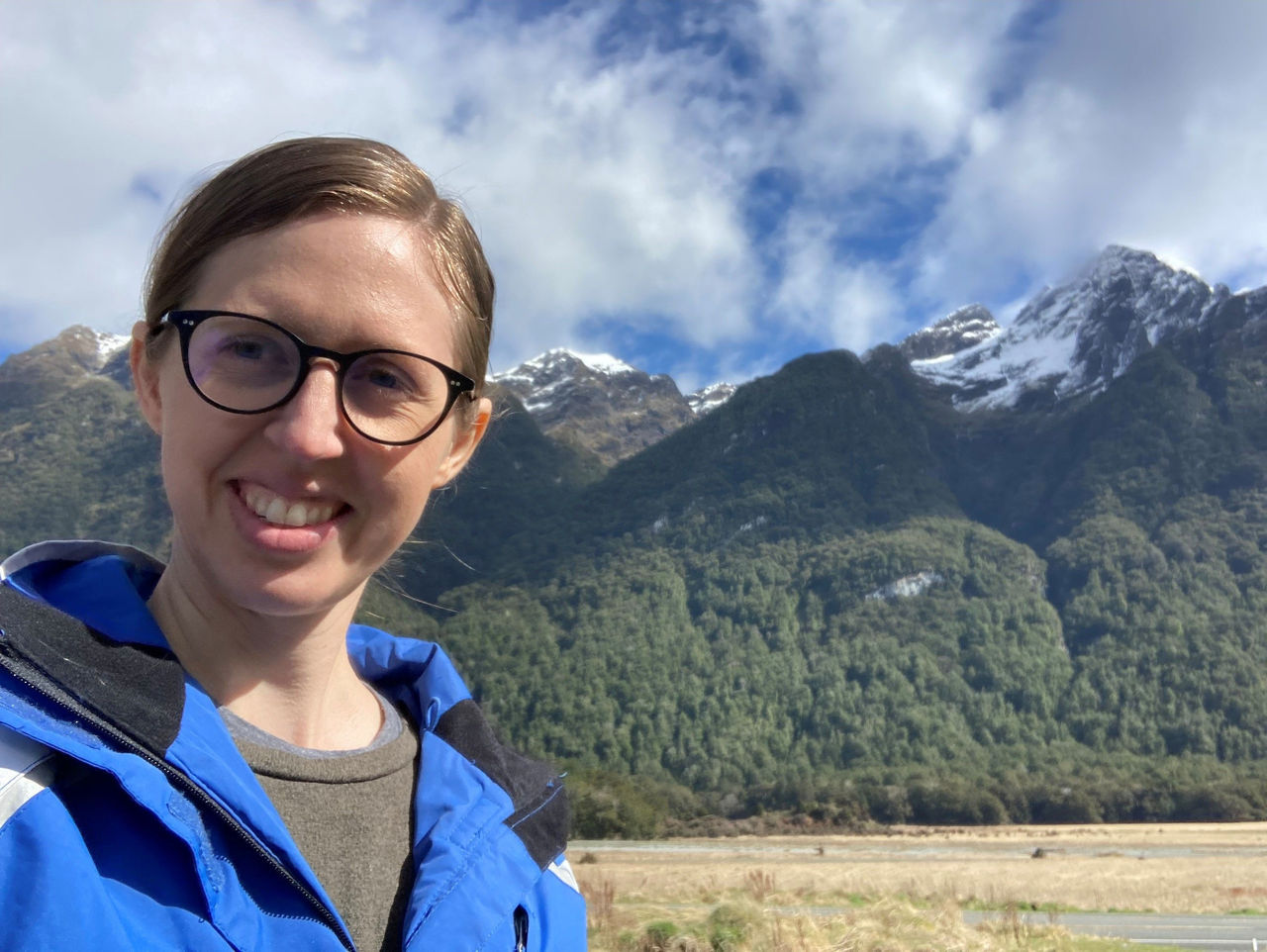


Photo caption: Dr Carolynne Hultquist, Senior Lecturer in the University of Canterbury School of Earth and Environment.
Dr Carolynne Hultquist, a 2026 UC Sustainability Research Award winner, is a Senior Lecturer in the School of Earth and Environment at Te Whare Wānanga o Waitaha | University of Canterbury (UC), studies citizen science, environmental monitoring and disaster resilience. Her work examines how communities collect, use and manage environmental information, and how that knowledge can support decision-making and local action.
Dr Hultquist says that one of the biggest challenges is long-term data management.
“Some people may have 40 years of environmental monitoring data stored on personal hard drives with no long-term repository for preservation.”
In response to this challenge, some projects are finding practical ways to preserve and use environmental records.
One example is the Ōtākaro Living Laboratory, where Dr Hultquist has worked with the team led by UC Emeritus Professor Eric Pawson, where rephotography — capturing the same view over time to track change — is used to document how the red zoned Avon Ōtākaro river corridor has changed over the past 15 years.
Meanwhile, City Nature Lab, led by UC Dr Rob Cruickshank in collaboration with Christchurch City Council, supports citizen scientists to document local biodiversity and share observations through iNaturalist NZ, making the data available for anyone in the world to use.
"These projects are both scientifically valuable and strongly community-driven," says Dr Hultquist. “In the years since the earthquakes, communities have created positive spaces where people can learn, explore and engage with environmental change.”
For Dr Hultquist, the projects reflect the idea of "hopeful spaces", the theme of the upcoming New Zealand Geographical Society and Institute of Australian Geographers conference, where communities respond to challenges by creating opportunities for learning, regeneration and resilience.
“Community-led projects often continue long after research funding ends because people remain invested in the issues that matter to them,” she says. “Over time, they can build valuable records that help communities understand environmental change and inform future decisions.”
Dr Hultquist says as datasets grow, so does the challenge of managing them. "Environmental information is often stored across personal computers, hard drives and local systems, making it difficult to access and maintain over the long term.”
“Often communities have incredibly valuable records. They may simply need support to organise the data, decide how it can be shared, and make sure it remains useful over time.”
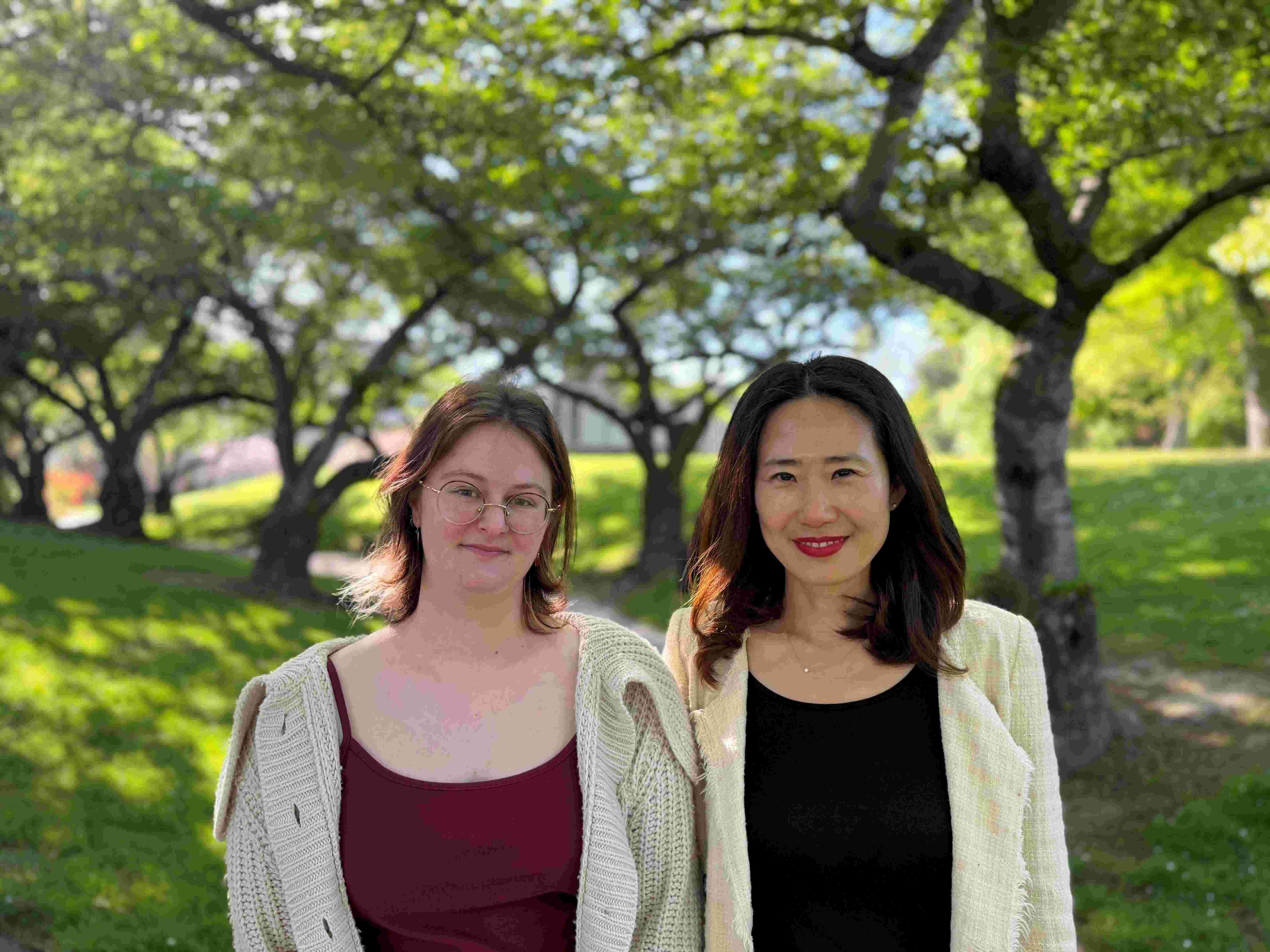
UC students have supported community groups to make environmental information more usable. At Barnett Park, UC geography students Darcy Kusabs, Hannah Smith, Bailey Mourton, Ashley Pedersen and George Gilbertson worked with a community group to organise records held across a shared drive, creating a clearer picture of the data collected over time.
"This kind of collaboration can help communities get the most value from their data and maintain their environmental records, while retaining their role in decisions such as specifying through licenses how that data is shared and used,” Dr Hultquist says.
“Communities can often plug into existing data infrastructure such as the global platform iNaturalist and collectively contribute to environmental knowledge.”

What to read next
NZ study reveals gaps in women's heart healthcare
A review of 25 years of New Zealand research has revealed significant gaps in women's heart healthcare, highlighting opportunities to improve diagnosis, treatment and outcomes.

History goes hi-tech at Awaroa Godley Head
The University of Canterbury's HIT Lab is helping Awaroa Godley Head visitors enjoy a more immersive experience of the World War II heritage site.

UC geography graduate honoured for global science leadership
UC alumnus Distinguished Professor Emeritus Iain Hay has received a prestigious international Fellowship recognising his contributions to geography and scientific collaboration.
Are Kiwi businesses jumping blindly on the AI bandwagon?
AI doesn’t have to play an inevitably dominant role in our lives, businesses and future, argues a guest speaker for an upcoming UC public lecture.
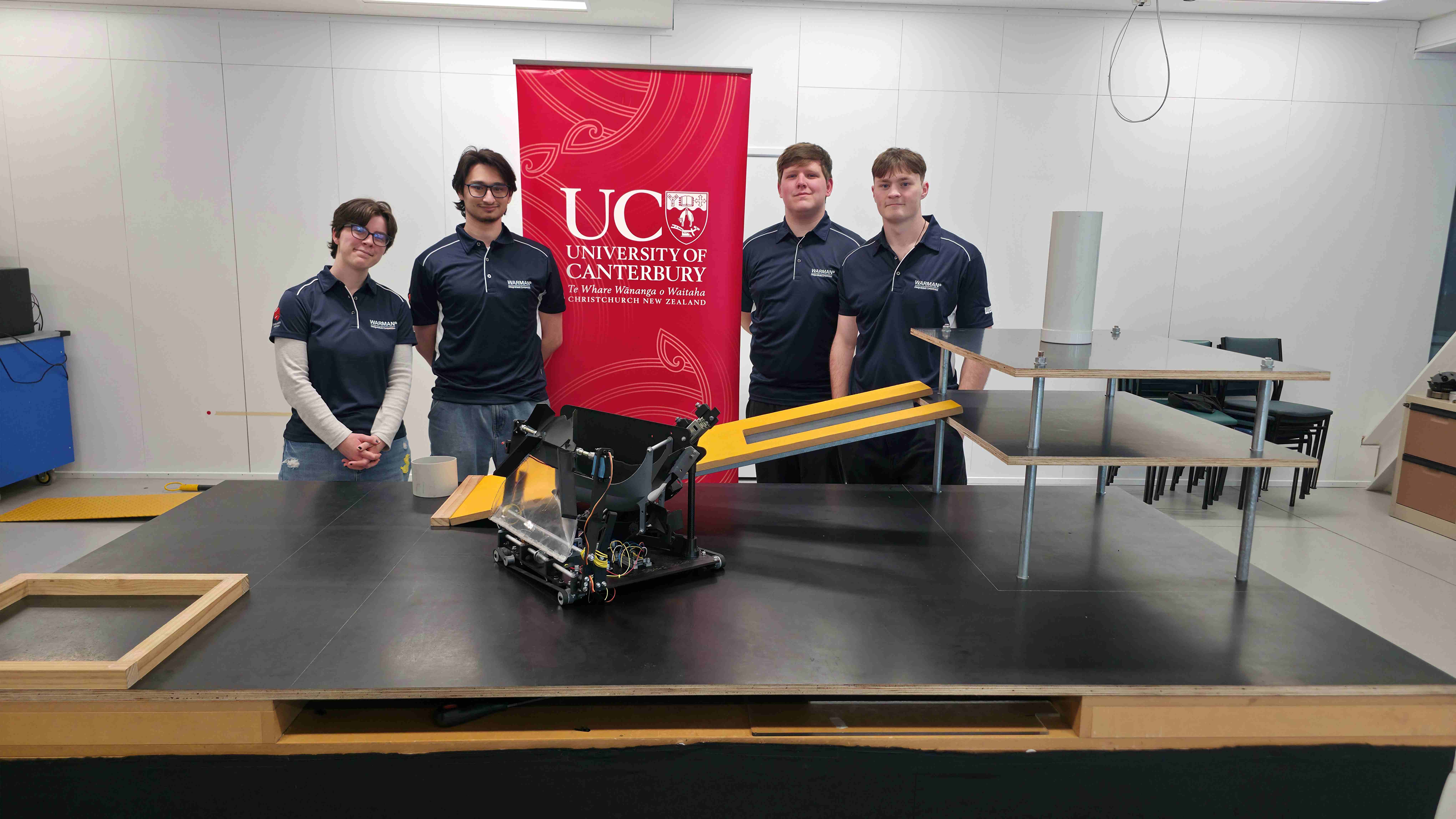
UC engineering students win international competition
A robot designed to transport rocks automatically has helped four UC engineering students claim an international title.
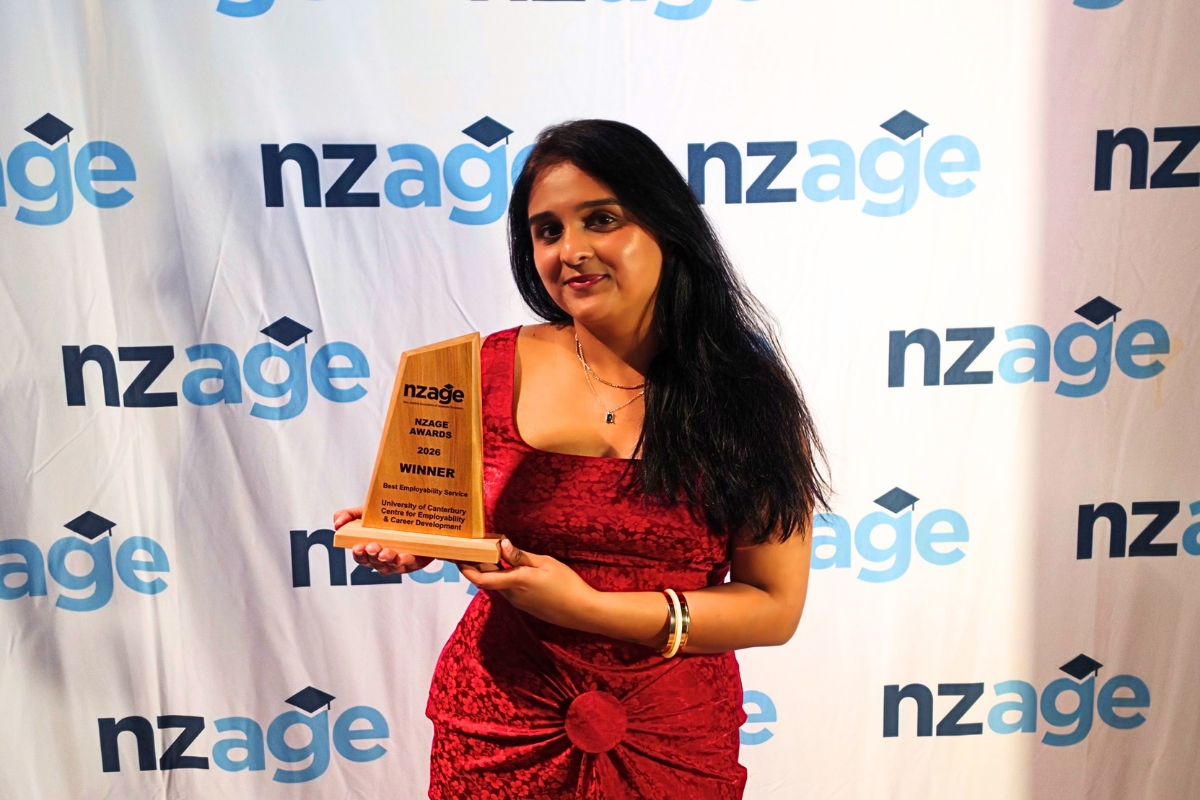
UC wins national award for employability service
UC has been recognised for excellence in helping students develop career-ready skills and connect with employers.
Fair suppliers strengthen business resilience
Businesses are better able to withstand disruption when suppliers make fair decisions and turn strong relationships into flexible action, UC research finds.
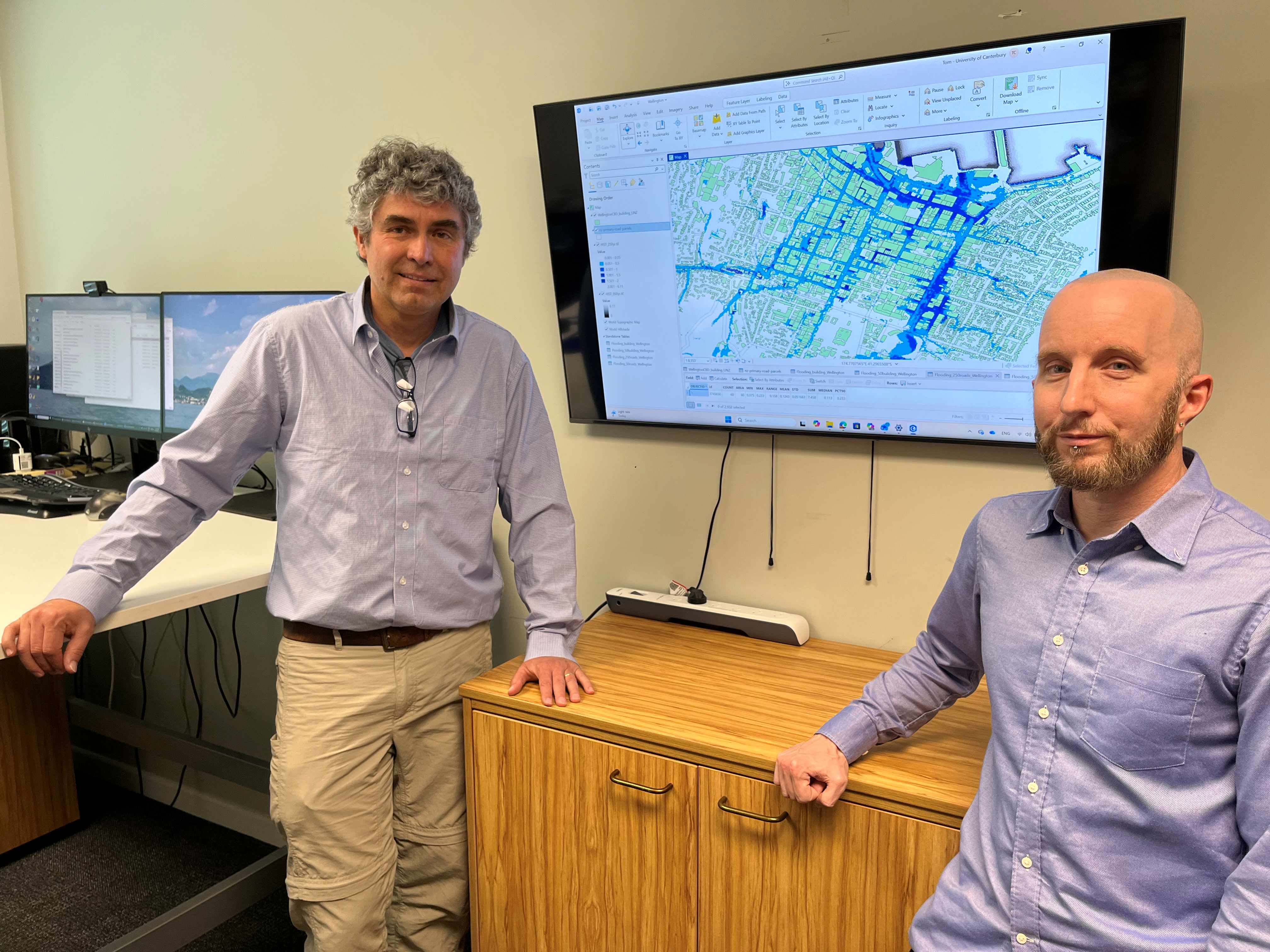
Digital models to help predict natural hazards in Kiwi capital
An innovative project using digital simulations to predict future hazards in New Zealand’s capital city takes its name from science fiction.
UC research challenges how we think autistic children learn
New UC research is challenging assumptions about how autistic children learn language.