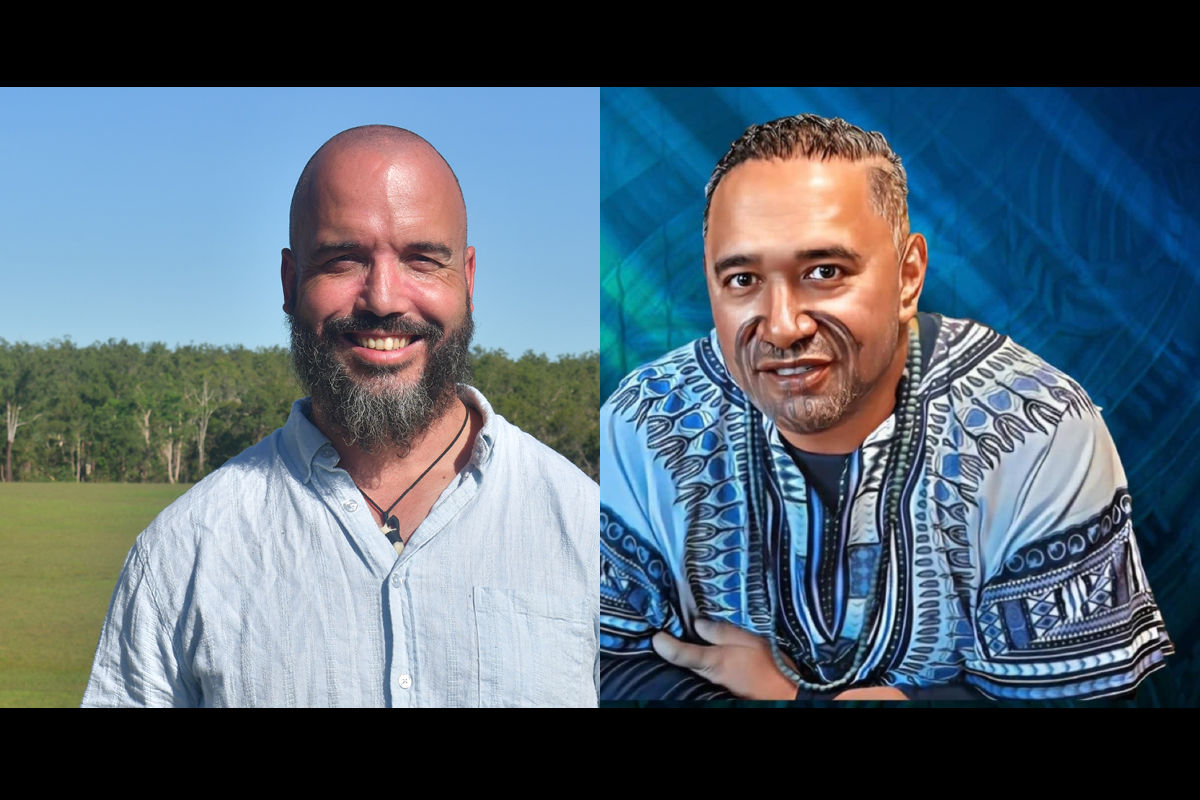


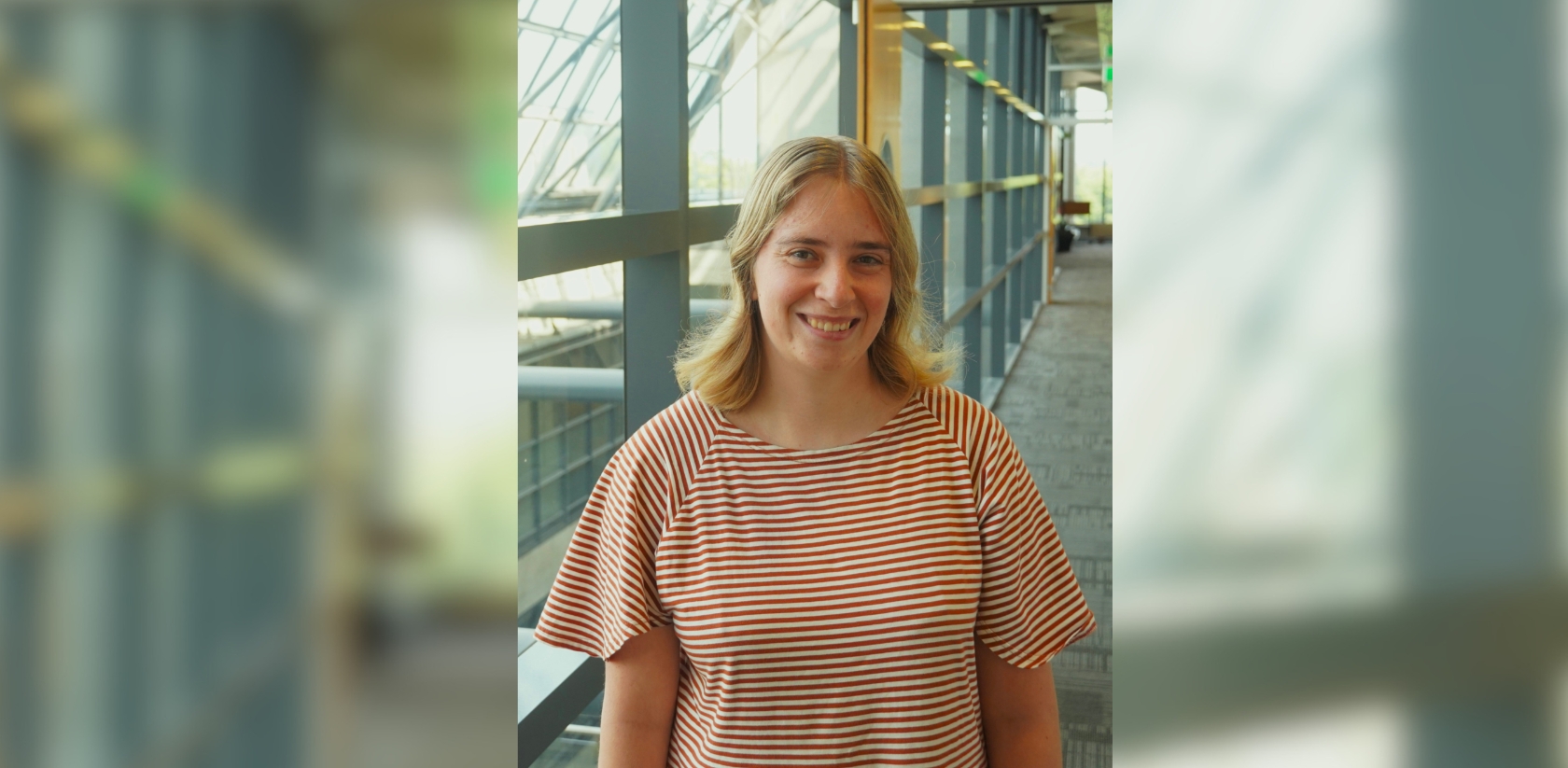
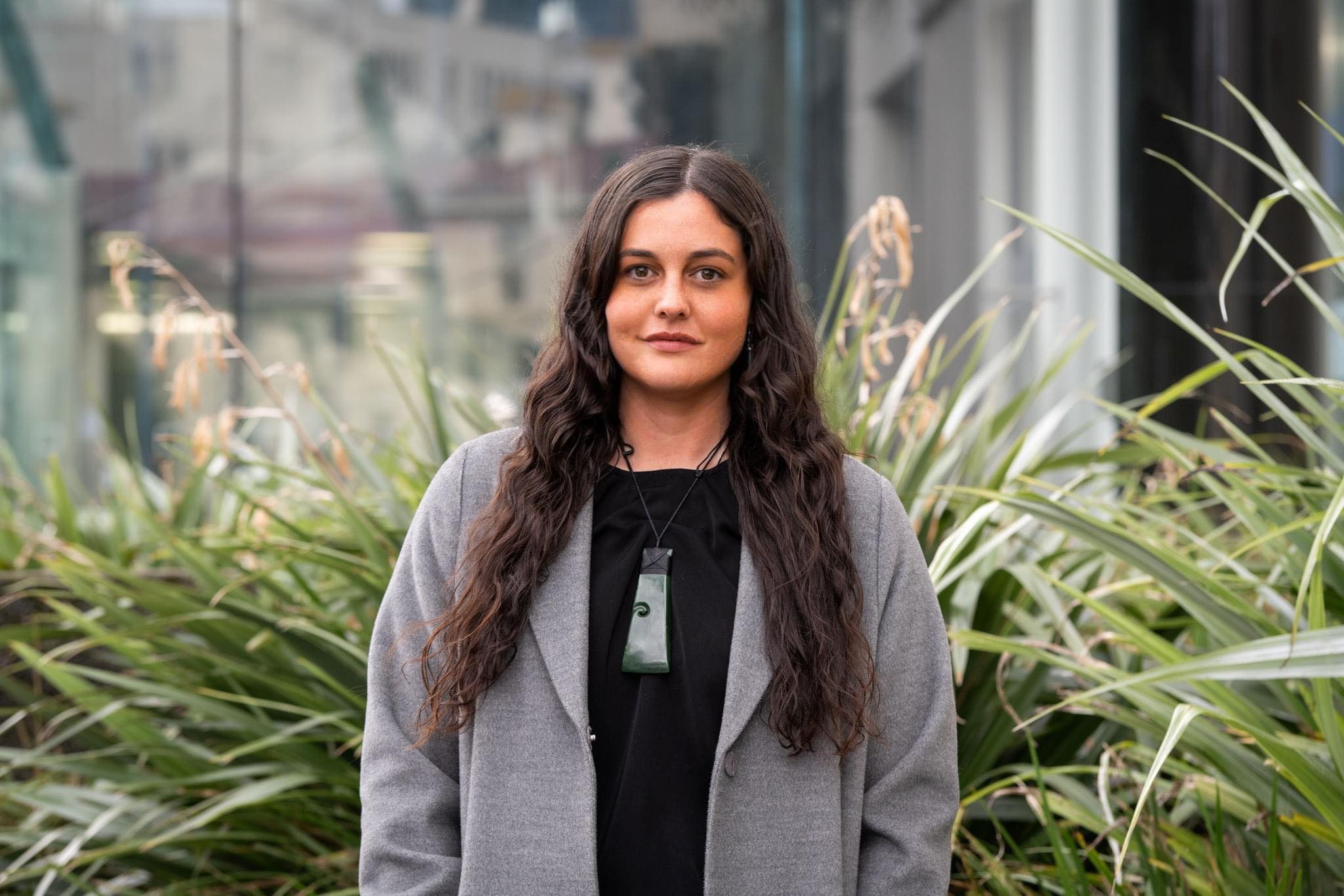
Tamati Bryers (left) and Tarei Patuwairua (right) will celebrate their graduation at UC's Autumn Graduation Celebrations.
Kaitaia-based Tarei Patuwairua (Waka of Tainui, Te Arawa, and Aotea) has recently completed UC's Master of Hōaka Pounamu | Māori Bilingual and Immersion Teaching and Learning (MHP) and he is exploring how Artificial Intelligence can be guided by tikanga Māori.
He is now planning to start his PhD at UC with the aim of enhancing equitable, culturally grounded teaching and learning in kura Māori.
“Central to my new work is the question of how we uphold rangatiratanga, protect mātauranga Māori, and ensure our tamariki and mokopuna benefit from emerging technologies without compromising who they are,” Tarei says.
“Education has always been deeply important to me because it directly impacts the wellbeing and future of our people. My chosen pathway reflects a commitment to kaupapa Māori education, where teaching and learning are grounded in our language, our values, and a life involving my whānau.
“Having worked as a teacher for many years, I have seen both the strengths of our systems and the inequities that still exist.”
The recipient of a TeachNZ scholarship to fund his Masters, Tarei plans to continue contributing to Māori education at both a local and national level, helping to influence policy, and shape future directions for culturally grounded and technologically informed education systems.
Meanwhile, after 10 years teaching in the classroom, Rotorua-based Tamati Bryers (Te Arawa, Ngāti Tura–Te Ngākau, and Ngāti Whakaue) wants to further his education after remotely completing the same master’s.
“I’ve always taught in kaupapa Māori settings, and while I’m primary trained and able to teach across all core subjects, nothing has ever engaged me as deeply as Te Ao Māori. I’ve seen firsthand how transformative mātauranga Māori can be for rangatahi, and I believe the more skilled I become in teaching it, the greater that impact could be.”
Tamati says his new qualification has already opened opportunities to contribute at a higher level – for example, collaborating on strategic planning for a te reo revitalisation project, and assessing a third-year teaching student in Rotorua during his final practicum.
“In short, the degree has opened doors I didn’t even know existed.”
Having also benefitted from a TeachNZ Scholarship, Tamati wants his PhD to focus on rites of passage and how they might be reimagined or redesigned to accelerate educational success for Indigenous peoples.
“This comes from a strong desire to address inequities in our education system. I’ve been exploring cultures that have successfully maintained their language, customs, and traditions while also achieving strong educational outcomes.
“One common thread I’ve noticed is the presence of a clear rite of passage—the transition from child to adult. In my view, this stage is critical. Providing structure, guidance, clear expectations, and strong community support during this time could have powerful implications for success in education as well.”
Tarei and Tamati are both celebrating their graduation at UC’s 2026 Autumn Graduation celebrations.

.png)