

A new artificial intelligence (AI) system being developed by Te Whare Wānanga o Waitaha | University of Canterbury (UC) could transform how farmers manage water, delivering more accurate, near real-time insights into soil moisture at field scale.
Led by Professor Matthew Wilson and researcher Xander Cai from UC’s Toi Hangarau | Geospatial Research Institute, the project aims to address a longstanding challenge in agriculture: knowing exactly how much water is in the soil, when and where it is needed.
“Water is one of the most critical and constrained resources in agriculture,” Professor Wilson says.
“Right now, farmers are often making decisions based on limited or incomplete data. This project is about giving them the information they need to use water more efficiently and sustainably.”
The research team is developing the ANZ Soil Moisture Data Assimilation System (ANZ-SMDAS), a new monitoring platform that combines ground sensors, satellite signals and advanced modelling.
Unlike traditional approaches, which rely on either point-based sensors or low-resolution satellite data, the system will deliver highly accurate, field-scale soil moisture estimates multiple times a day.
“This is about bridging the gap between what’s happening in the soil and what farmers can actually see and act on,” Professor Wilson says.
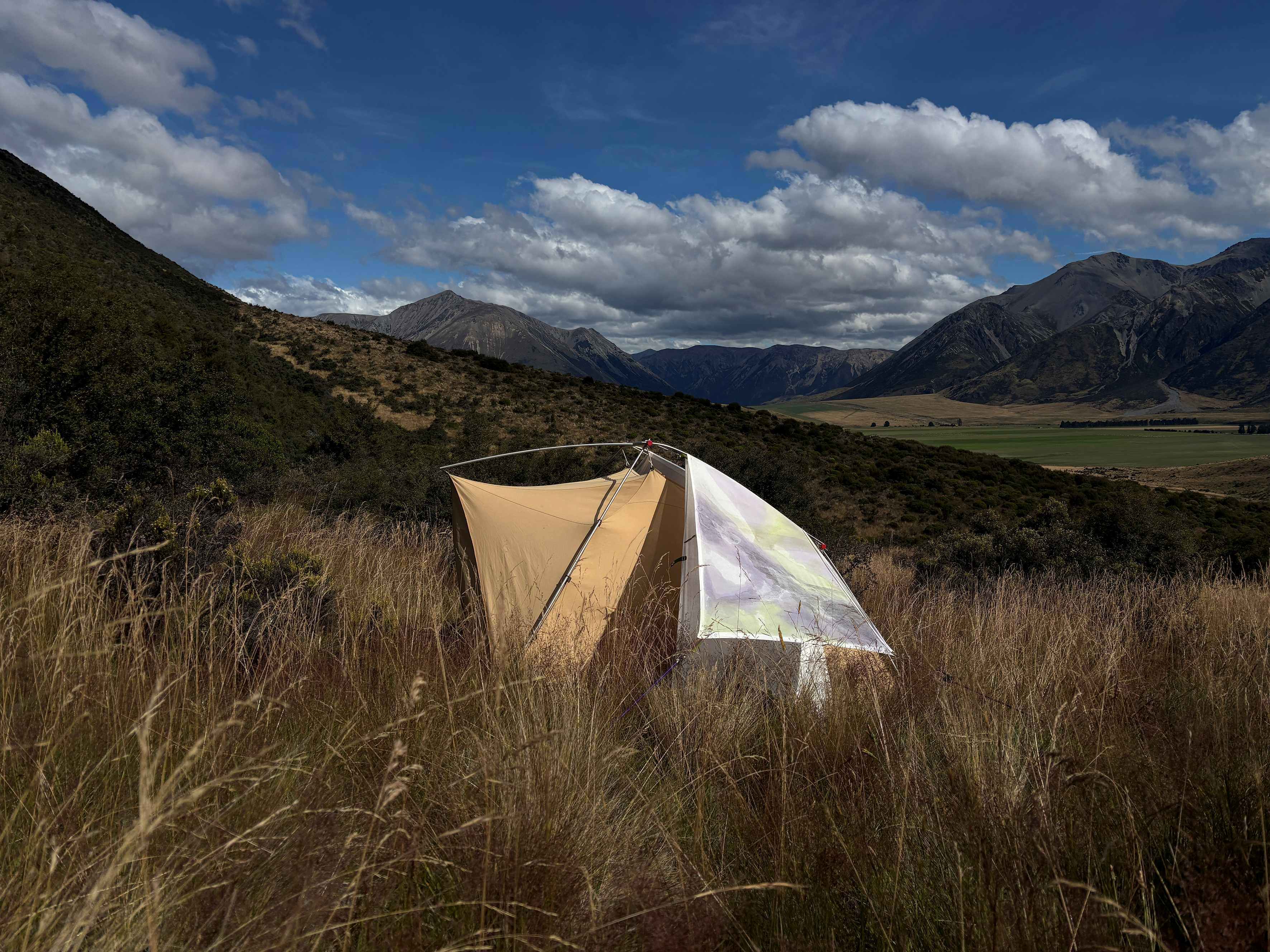
“We’re using signals from global navigation satellites, like GPS, that reflect off the land surface. By analysing those signals with AI, we can determine how much water is in the soil.”
The project brings together researchers from UC and the University of Newcastle in Australia, alongside partners including Monash University and the Soil Cooperative Research Centre.
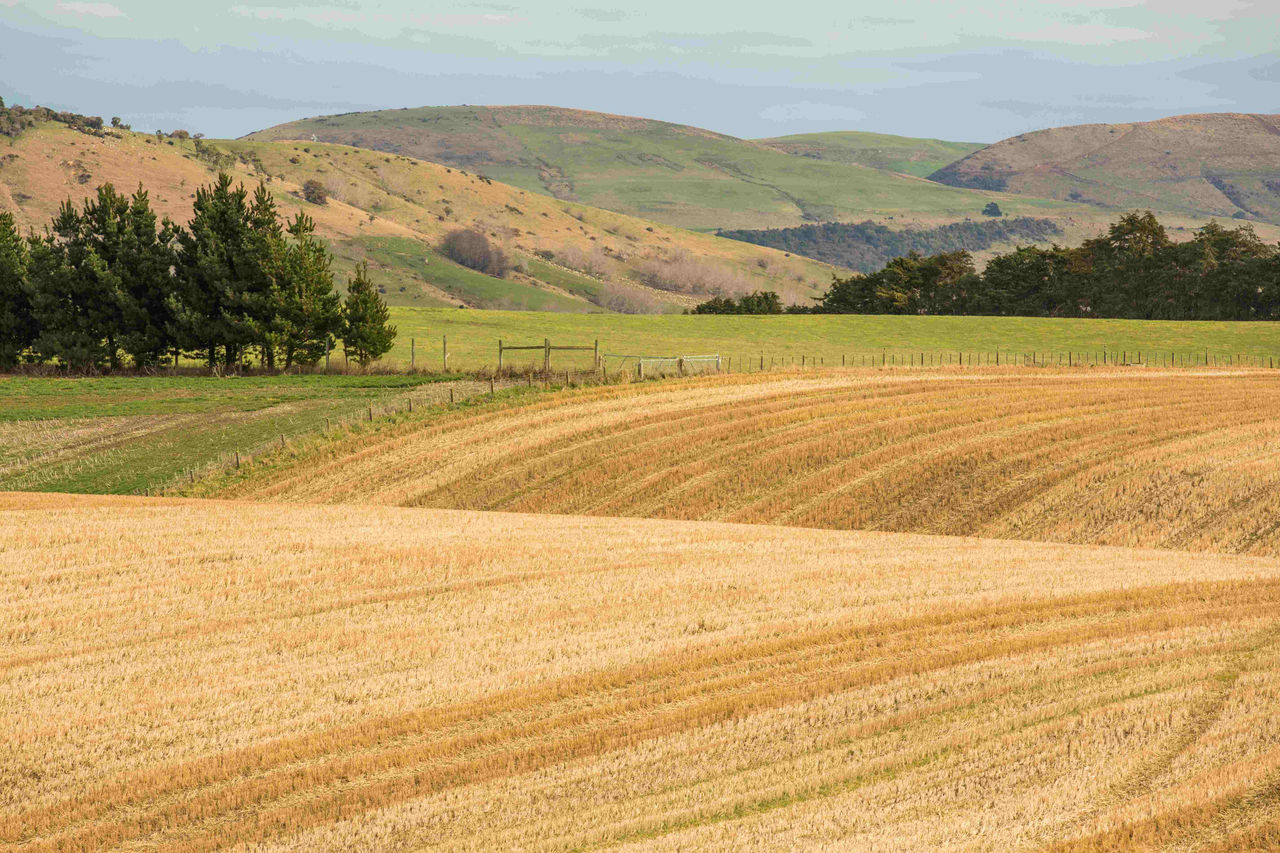
UC PhD student Xander Cai says the system has the potential to support a wide range of agricultural sectors, from dairy and grazing to arable and irrigated cropping systems.
“Better soil moisture data means better decisions,” Cai says.
“For dairy farmers, it can help optimise pasture growth. For cropping systems, it can improve irrigation timing and reduce water waste. Ultimately, it supports both productivity and sustainability.”
The research directly responds to increasing pressure on water resources driven by climate variability and more frequent drought conditions across Australia and New Zealand.
By improving the accuracy and accessibility of soil moisture data, the team aims to support more resilient farming systems and reduce the environmental impact of irrigation.
“We’re not just developing a new technology, we’re building a system that will be publicly accessible and can be used day-to-day by farmers,” Professor Wilson says.
“The goal is to deliver practical tools that make a real difference on the ground.”
The project builds on earlier MBIE-funded research and is now moving into a larger, multi-year collaborative phase, with the aim of delivering a fully operational platform and publicly accessible soil moisture data products.







.png)