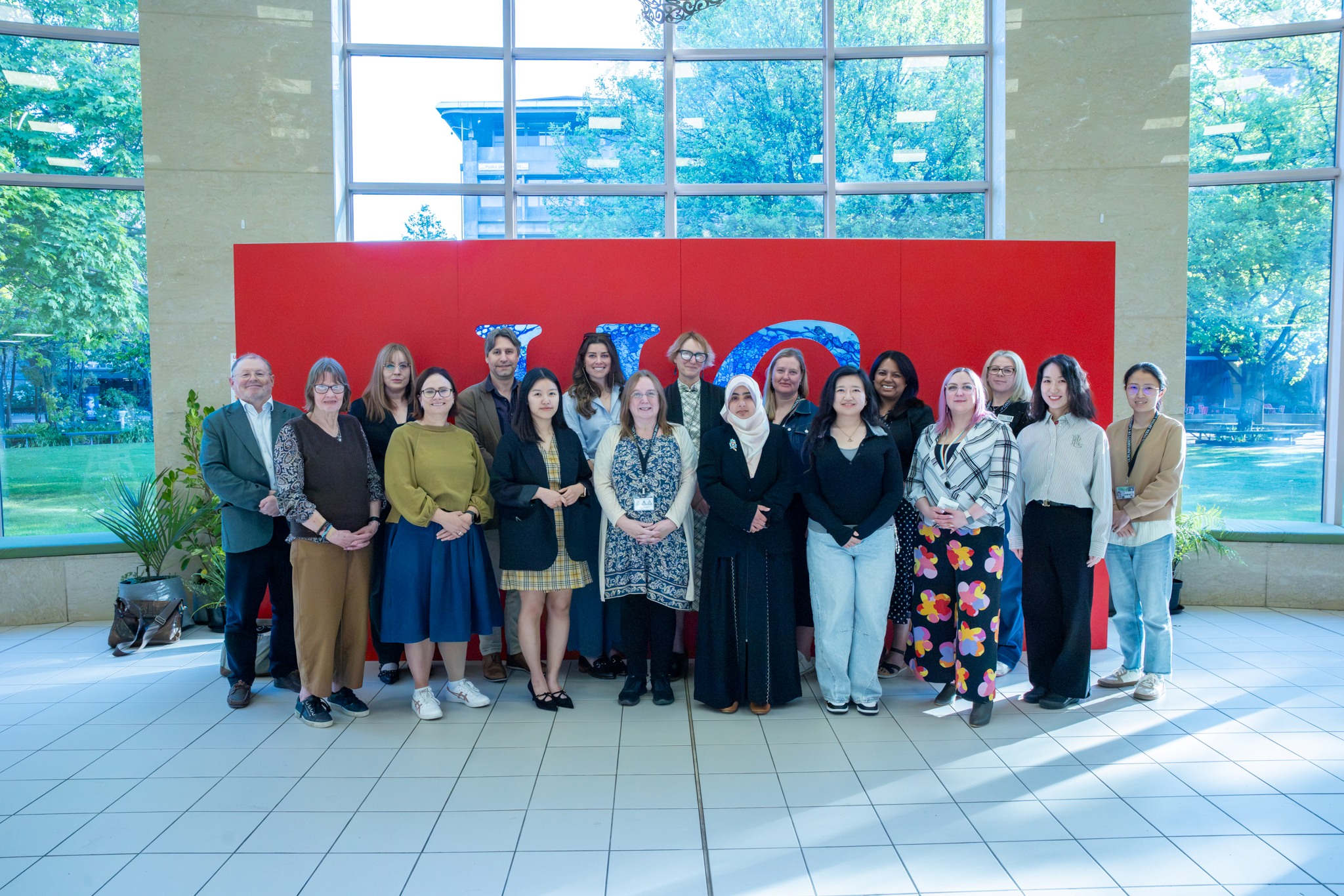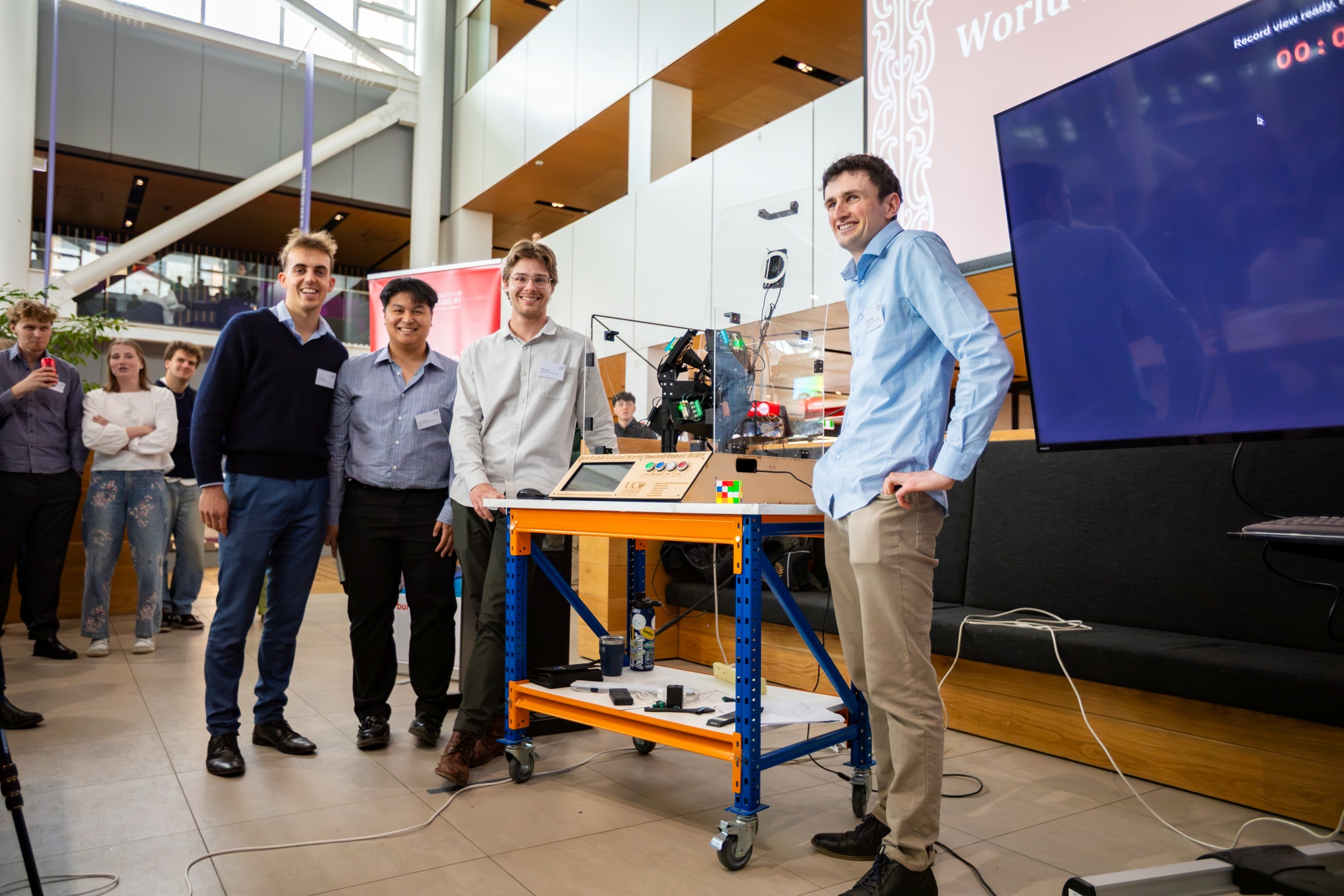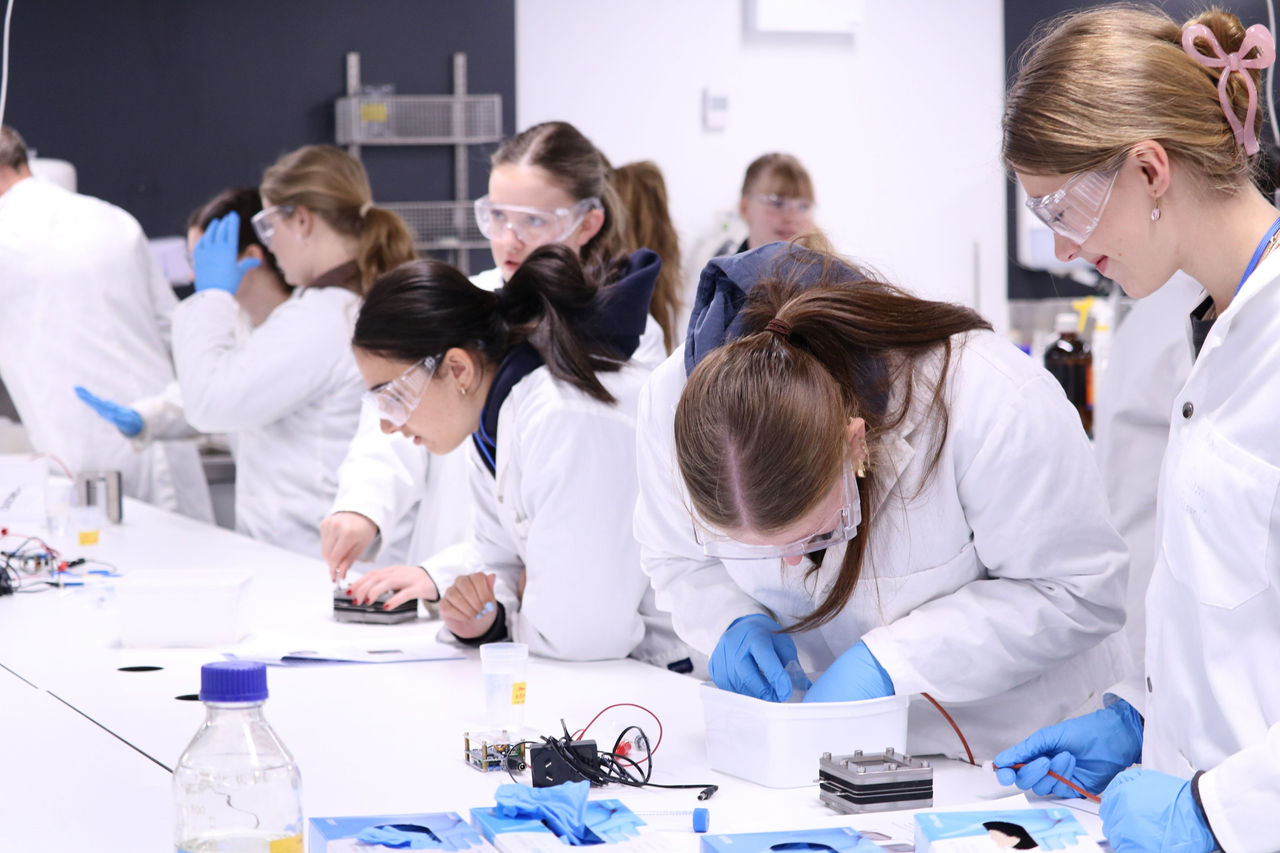


Photo caption: Students at UC's 2025 WiE CAN Camp
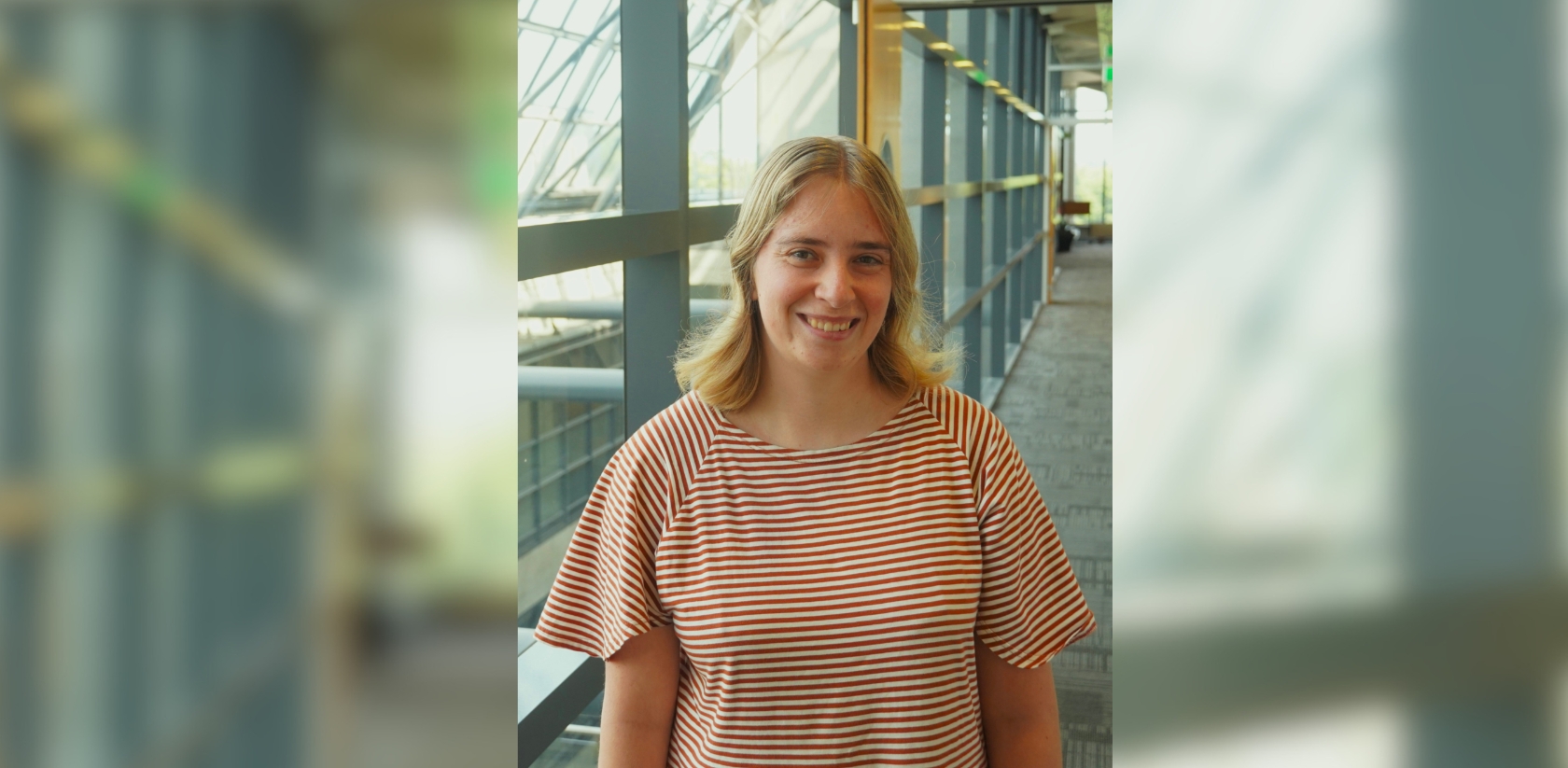
When Jordan Hill spotted a Facebook ad in 2018 asking, “Are you a Year 12 student interested in physics and maths?” she applied to UC’s Women in Engineering Canterbury (WiE CAN) camp on a whim. At the time, she was set on a career in health science, following the well-trodden path of her peers. But that week-long summer camp for Year 13 girls, supported by the Tait Foundation, changed everything.
“I had no family in engineering, no exposure to it at school, and honestly no idea what engineers really did,” Jordan recalls. “At WiE CAN, I discovered how broad engineering is, how much it connects to improving people’s lives, and that it was about far more than just bridges and hard hats.”
Now a PhD student in mechanical engineering at UC, Jordan is not only thriving in the field she once never considered, but she is also helping inspire the next generation. She has returned to the WiE CAN camp every year since 2020 as a Residential Assistant and academic lead. In these roles, she helps guide participants who are just like her—curious and capable, but unsure if engineering is for them.
Since 2022, the Tait Foundation’s support, and new multi-year funding, has provided stability for WiE CAN, giving hundreds of young women the opportunity to experience hands-on workshops in mechatronics, civil, electrical and chemical engineering, and more. The fully funded camp removes financial barriers for students across New Zealand. It has a remarkable impact: over 50% of participants go on to study engineering and other STEM subjects at UC. Female enrolments in undergraduate engineering at UC have risen steadily since WiE CAN’s inception.
“The Tait Foundation’s support is incredible,” Jordan says. “Without it, many students simply wouldn’t get this opportunity. They’re not just funding a camp—they’re changing the future of engineering in New Zealand by making sure women can see themselves in this profession.”
For Jordan, what began with a last-minute application has grown into a career path filled with possibilities. Now working towards a PhD and aiming to become a lecturer, she sees the camp as a turning point. “It’s crazy to think it all started with WiE CAN. I never thought I’d do a PhD, but engineering opened up possibilities I didn’t even know existed. Now, I want to give that same inspiration to others.”
.png)