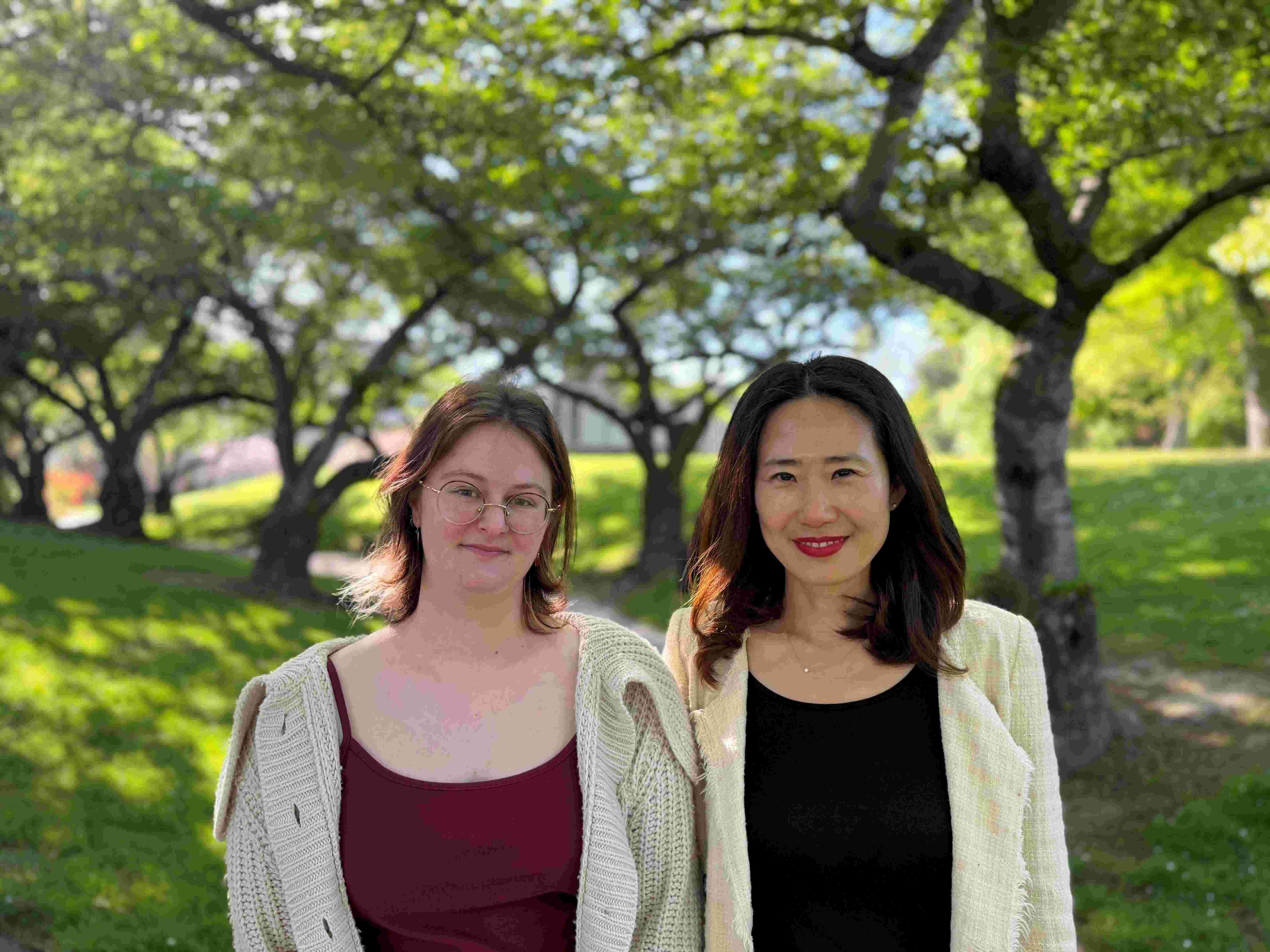


Research Connect provides a single entry point for industry, government, Maōri, non-profit organisations and community groups to engage with UC researchers, access specialist facilities, explore consultancy opportunities and develop collaborative research projects.
Connecting research with real-world needs
UC Deputy Vice-Chancellor Research and Innovation Professor Lucy Johnston says Research Connect has been designed to make research expertise more visible and accessible to those who can benefit from and contribute to it.
“Research has its greatest impact when it is connected to the people, organisations and communities who can apply new knowledge, ideas and technologies to real-world challenges. Many of today’s challenges require expertise from across disciplines, sectors and communities,” she says.
“Universities are key to bringing different kinds of expertise together, creating the conditions for collaboration, and helping turn research into practical benefit. That means being visible, accessible and open to partnership from the outset, co-designing research projects with key stakeholders.”
The new portal provides a pathway for partners to discover UC’s expertise and capabilities, identify opportunities for collaboration, and engage with researchers from the earliest stages of a project.
“Our role is not only to generate new knowledge but also to create the connections that enable that knowledge to be applied,” Professor Johnston says. “Strong partnerships help ensure research can inform policy, improve practice, support innovation and deliver meaningful benefits for Aotearoa New Zealand and beyond.”
From research to practical impact
UC research has already contributed to innovative start-up companies, demonstrating how research can move from the University into practical use.
Based at UC, Zuuka has created a wearable drug infusion device for insulin delivery. The patented technology was developed by UC PhD graduate Jake Campbell (Te Rarawa), who co-founded Zuuka in 2025 with UC Master of Business Administration graduate Jamie Cairns to commercialise the technology.
Other world-leading companies built on groundbreaking research developed at UC include Swaltech, which has revolutionised technology for patients with difficulty swallowing, and Zethos, which is set to transform critical mineral recovery globally.
Industry partners can also access specialist equipment to extend their own research and development capability. UC’s Confocal Microscope is just one example; it provides advanced biological and live-cell analysis and is the only one of its type in Aotearoa New Zealand.
Beyond industry, over in the education sector, the Better Start Literacy Approach developed at UC is delivering evidence-based structured literacy professional development to teachers around New Zealand - just one example of education and health research influencing positive change in society.
Building research impact beyond the university
Research Connect is part of UC’s Research Plan to 2030, which aims to strengthen research visibility, deepen external engagement and increase the impact of UC research beyond academia.
The Plan brings together three Research Commitments focused on societal and planetary resilience, environmental and social stewardship, and creating and harnessing technology for real-world benefit. These are supported by 10 Signature Capabilities that showcase established areas of UC research strength, including Antarctica, resilience, biodiversity, digital technologies and climate.
UC is also investing in research capability through summer scholarships, postgraduate scholarships, impact grants and seed funding to support new research and collaboration.
Research Connect provides a practical way for organisations and communities to explore that capability, find the right expertise and begin a conversation with UC about opportunities to work together.

What to read next
NZ study reveals gaps in women's heart healthcare
A review of 25 years of New Zealand research has revealed significant gaps in women's heart healthcare, highlighting opportunities to improve diagnosis, treatment and outcomes.

History goes hi-tech at Awaroa Godley Head
The University of Canterbury's HIT Lab is helping Awaroa Godley Head visitors enjoy a more immersive experience of the World War II heritage site.

UC geography graduate honoured for global science leadership
UC alumnus Distinguished Professor Emeritus Iain Hay has received a prestigious international Fellowship recognising his contributions to geography and scientific collaboration.

Are Kiwi businesses jumping blindly on the AI bandwagon?
AI doesn’t have to play an inevitably dominant role in our lives, businesses and future, argues a guest speaker for an upcoming UC public lecture.

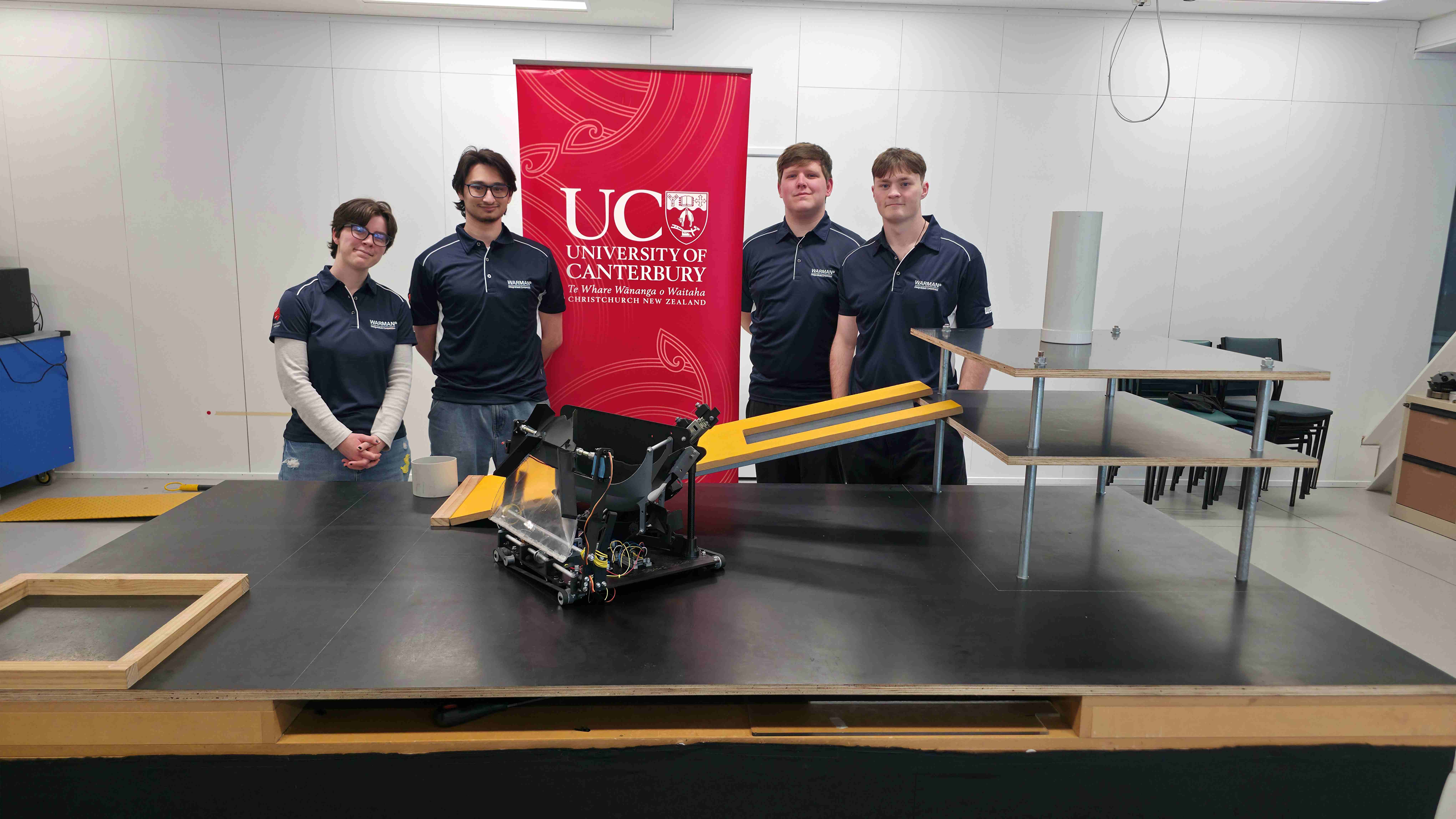
UC engineering students win international competition
A robot designed to transport rocks automatically has helped four UC engineering students claim an international title.
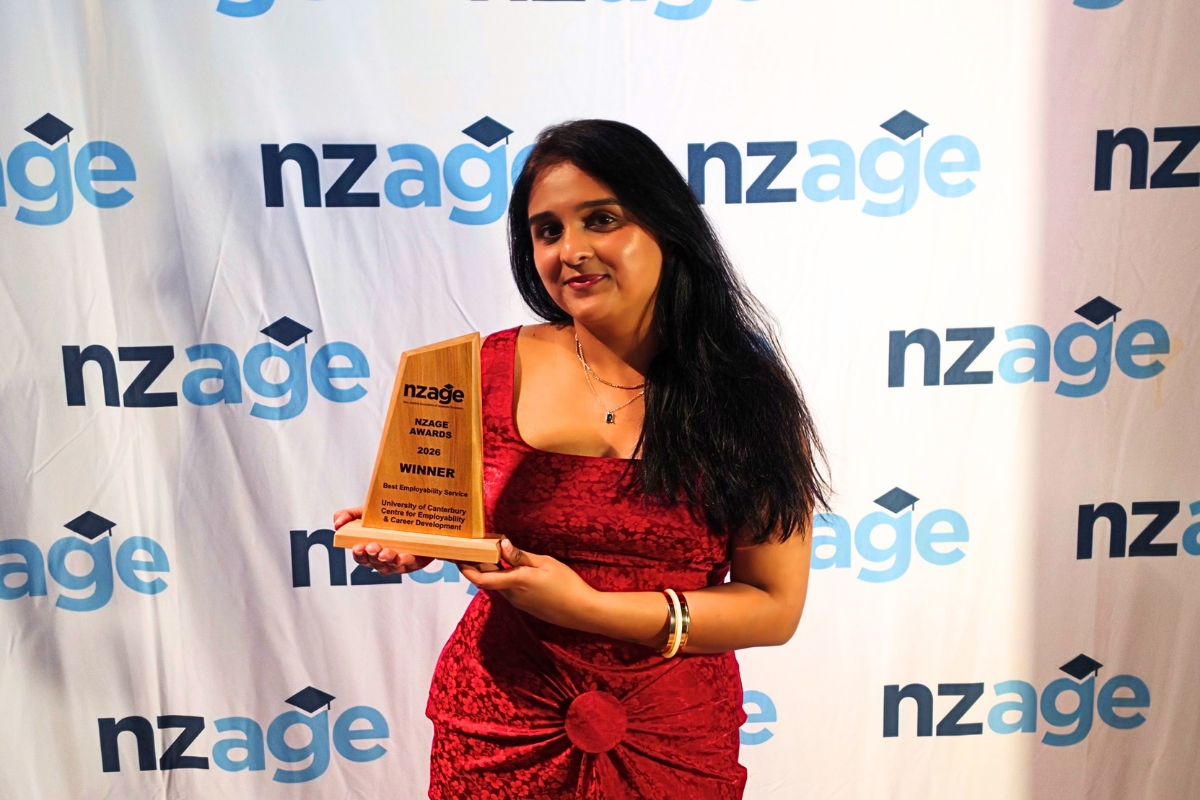
UC wins national award for employability service
UC has been recognised for excellence in helping students develop career-ready skills and connect with employers.
Fair suppliers strengthen business resilience
Businesses are better able to withstand disruption when suppliers make fair decisions and turn strong relationships into flexible action, UC research finds.
Digital models to help predict natural hazards in Kiwi capital
An innovative project using digital simulations to predict future hazards in New Zealand’s capital city takes its name from science fiction.
UC research challenges how we think autistic children learn
New UC research is challenging assumptions about how autistic children learn language.