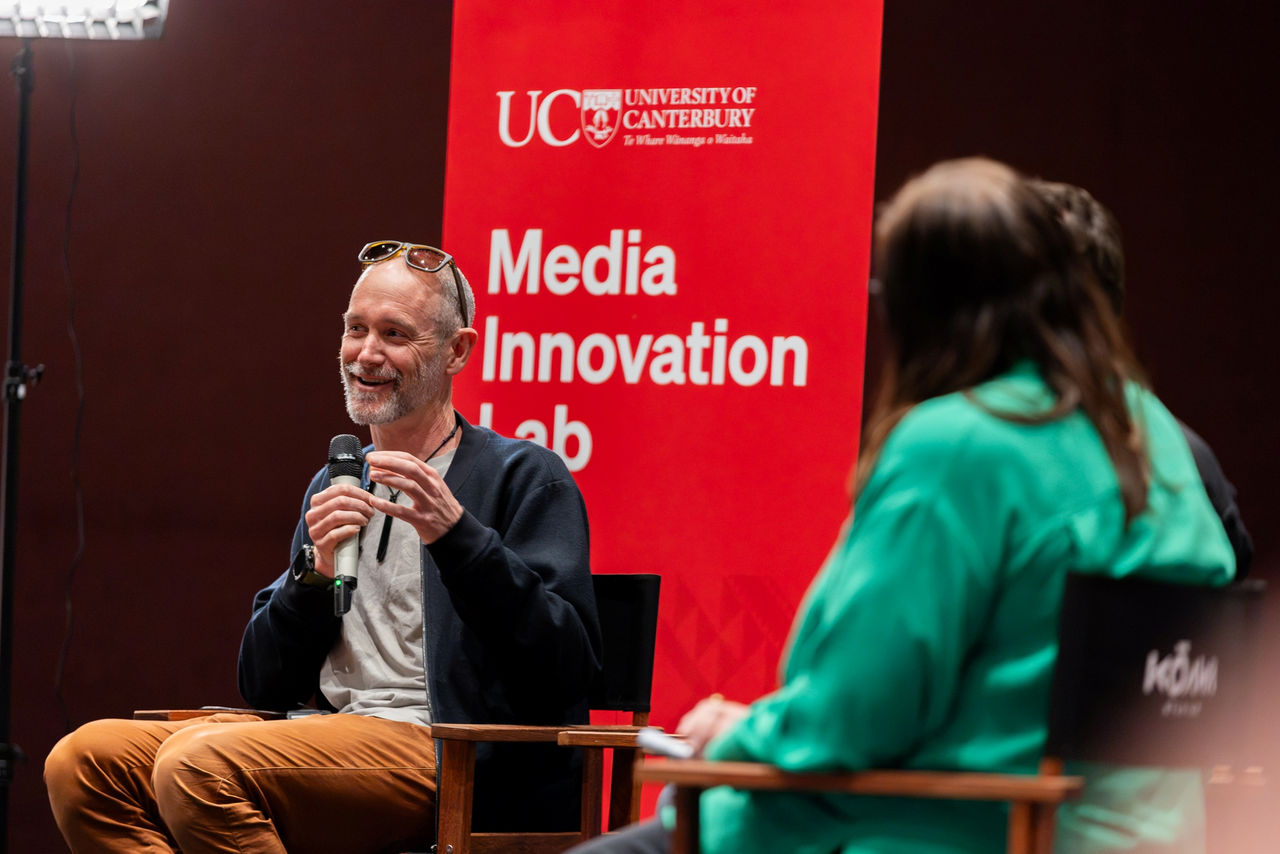


Photo caption: Author Nic Low at the launch of the Media Innovation Lab at UC, speaking about his plans for his residency.
The official launch of the Media Innovation Lab (MIL) last night celebrated a new initiative from Te Whare Wānanga o Waitaha | University of Canterbury (UC) to support journalists and public storytelling in Aotearoa.
The residencies, supported by the Acland Foundation, give journalists the opportunity to explore an important issue or technological approach, with access to academic expertise and Digital Screen Campus facilities.
Low says it's rare to have dedicated time and resources to spend on a single story.
“It's a privilege being able to combine extensive reporting with historical research like this, and to have time to craft the piece using both literary techniques and new imaging technology,” he says.
"Up until 1975, unearthing taonga Māori was finders-keepers, and a huge amount of cultural heritage went into private hands. For years I've heard stories about significant taonga Māori held in private hands. I'm using the residency to explore the world of collectors, whether that's whānau with a couple of inherited pieces on their mantelpiece or those with museum-grade private collections. I plan to share stories from collectors, auction houses, archaeologists, museum professionals and iwi reps."
The opportunity to step out of busy roles and investigate an issue more comprehensively is valuable for journalists, as well as media organisations and audiences, says Professor Donald Matheson, co-creator of the new lab alongside colleagues Dr Tara Ross, Dr Conan Young and Associate Professor Jim Marbrook.
“There are a thousand amazing stories of Aotearoa New Zealand not being told just now,” Professor Matheson says. “We want to help tell them through the residencies. But we also want to help the industry explore new technologies of storytelling and new ways of working with communities.”
The MIL’s industry board members bring cross-media support to the initiative with Patrick Crewdson, Director of AI and Product at RNZ, freelancer Toby Longbotton, Keith Lynch, Editor in Chief at Stuff Digital and Miriyana Alexander, Associate Editor at the New Zealand Herald, bringing significant media experience.
Speaking at the event, Miriyana Alexander said the industry needs support for creativity, collaboration and experimentation. “What I think is extra exciting is that the Media Innovation Lab initiative isn’t just about individuals. It is about storytelling for the wider public, sharing information for the media industry and about creating a hub for journalists, filmmakers, academics, students and media organisations to come together, share ideas, learn from each other and build a genuine community of practice.”
The lab’s first resident Charlie Mitchell, Senior Journalist at The Press, is developing a digital publication about Te Waihora Lake Ellesmere.
The lab will initially offer two 12-week journalist residencies each year, funded through a $50,000 contribution from the Acland Foundation, with plans to develop further initiatives in the future.
UC’s communications and digital screen students benefit from industry connections with media and the wider media sector through work placements and initiatives such as the MIL.


What to read next
NZ study reveals gaps in women's heart healthcare
A review of 25 years of New Zealand research has revealed significant gaps in women's heart healthcare, highlighting opportunities to improve diagnosis, treatment and outcomes.

History goes hi-tech at Awaroa Godley Head
The University of Canterbury's HIT Lab is helping Awaroa Godley Head visitors enjoy a more immersive experience of the World War II heritage site.

UC geography graduate honoured for global science leadership
UC alumnus Distinguished Professor Emeritus Iain Hay has received a prestigious international Fellowship recognising his contributions to geography and scientific collaboration.
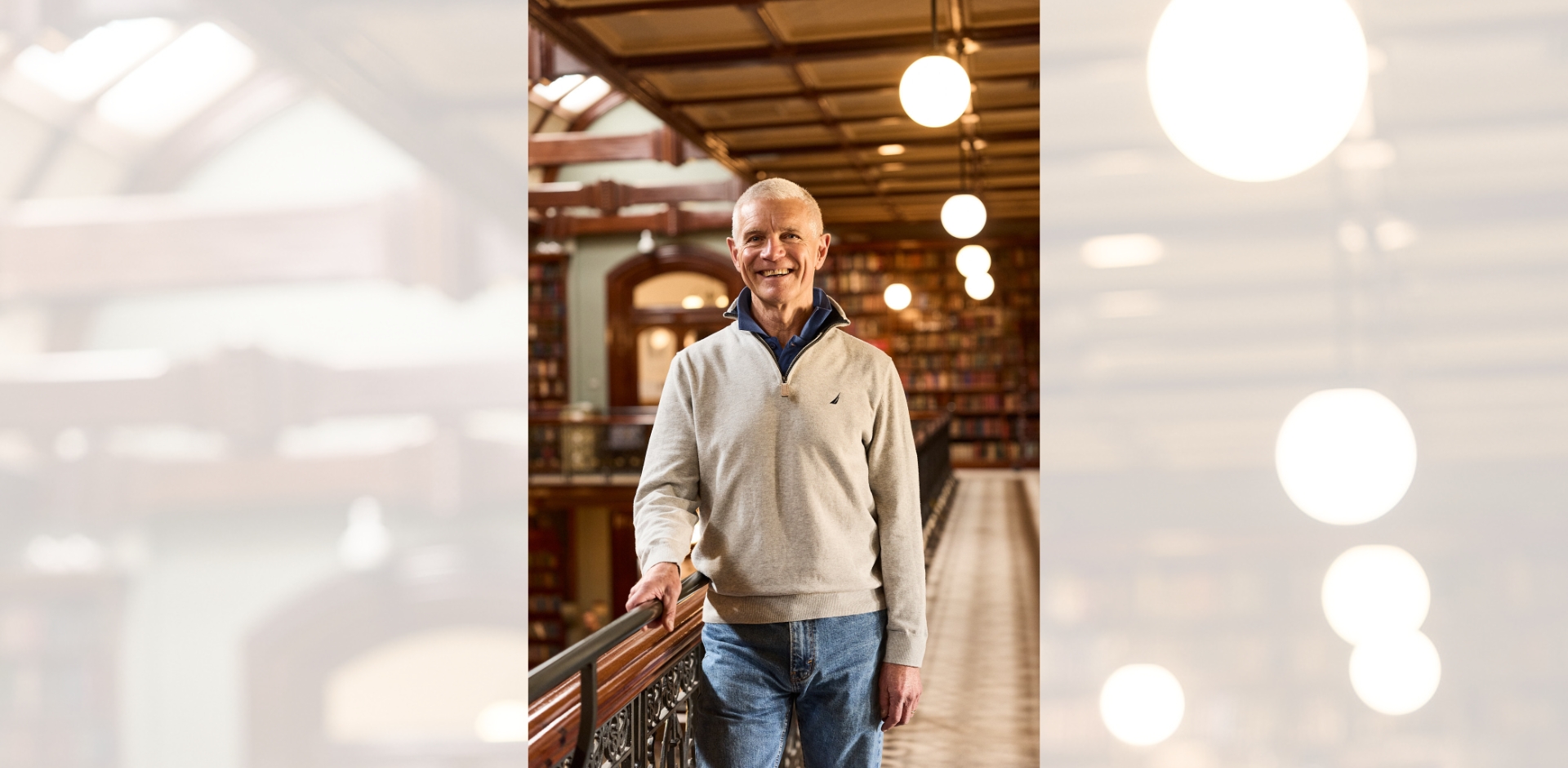
Are Kiwi businesses jumping blindly on the AI bandwagon?
AI doesn’t have to play an inevitably dominant role in our lives, businesses and future, argues a guest speaker for an upcoming UC public lecture.

UC engineering students win international competition
A robot designed to transport rocks automatically has helped four UC engineering students claim an international title.
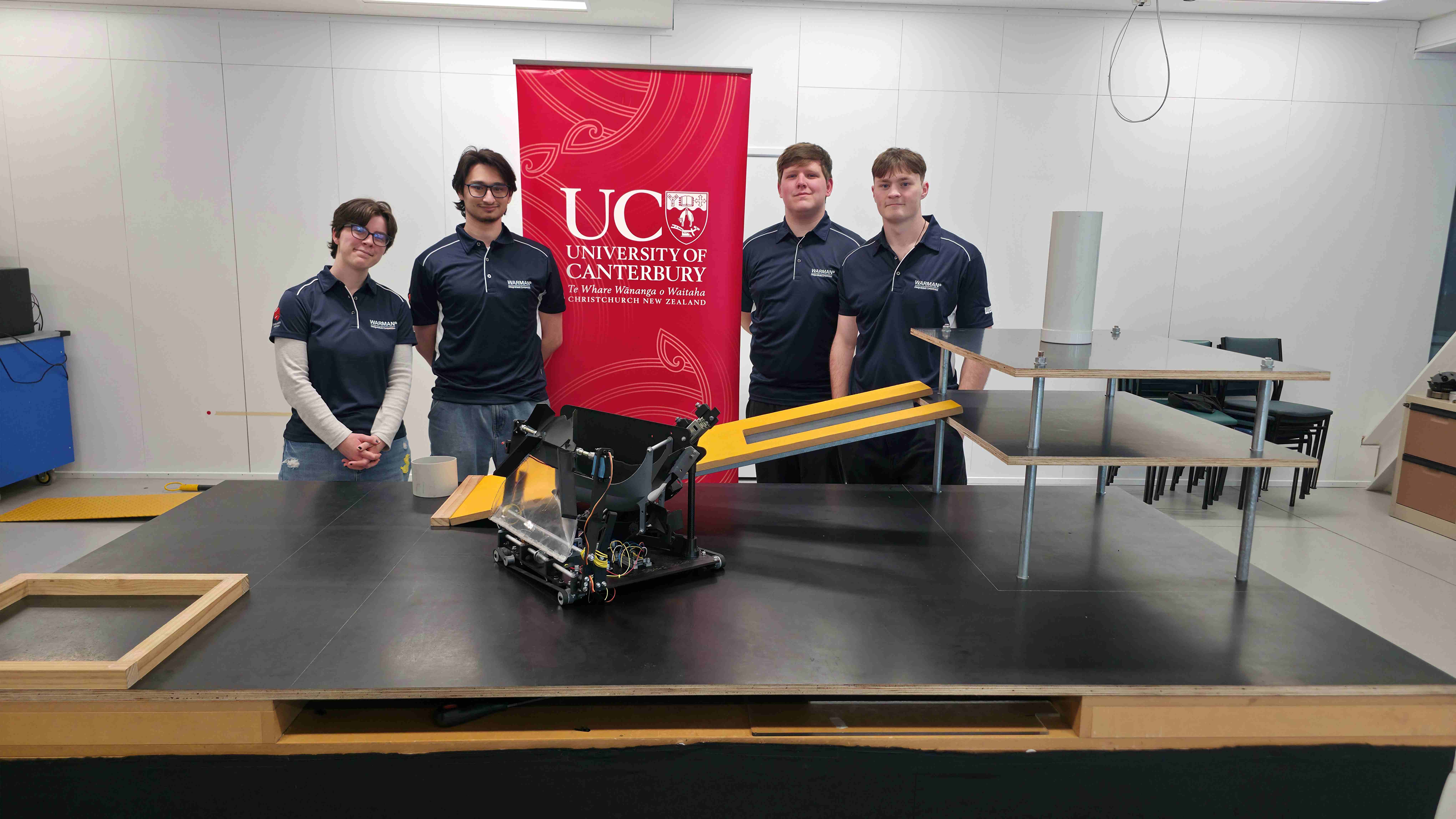
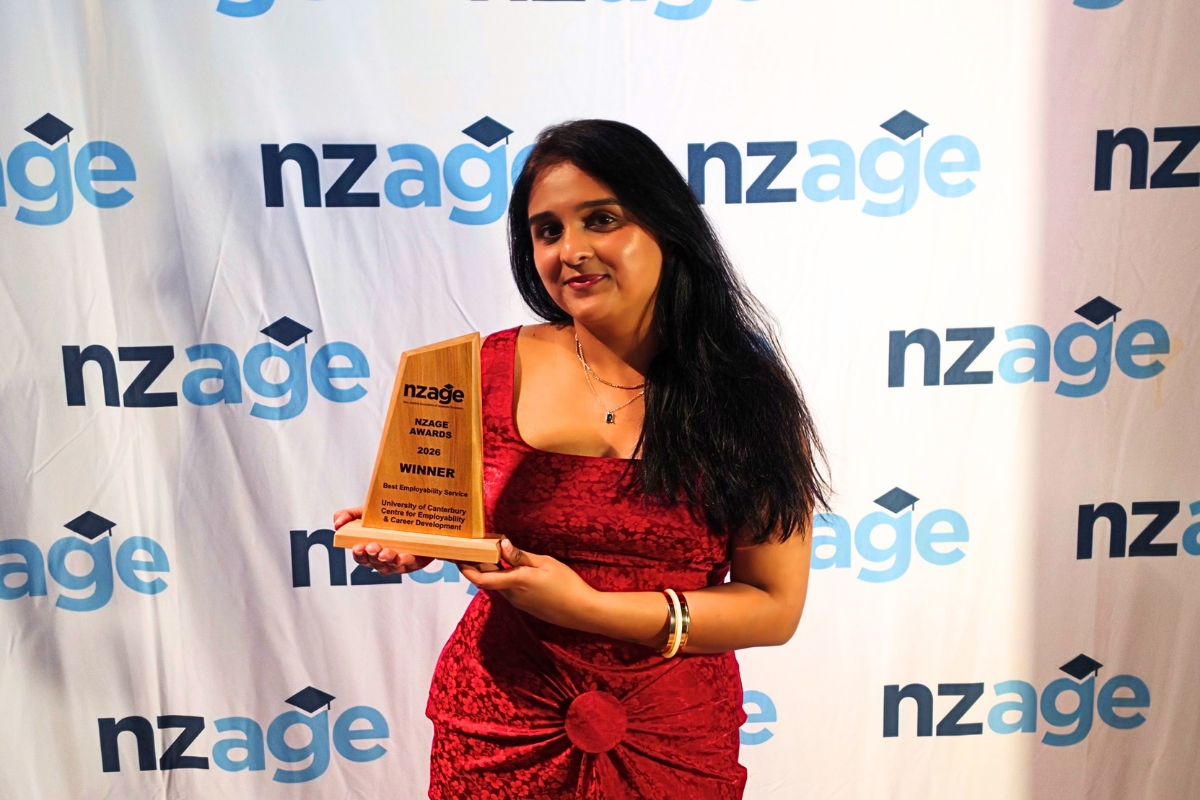
UC wins national award for employability service
UC has been recognised for excellence in helping students develop career-ready skills and connect with employers.
Fair suppliers strengthen business resilience
Businesses are better able to withstand disruption when suppliers make fair decisions and turn strong relationships into flexible action, UC research finds.
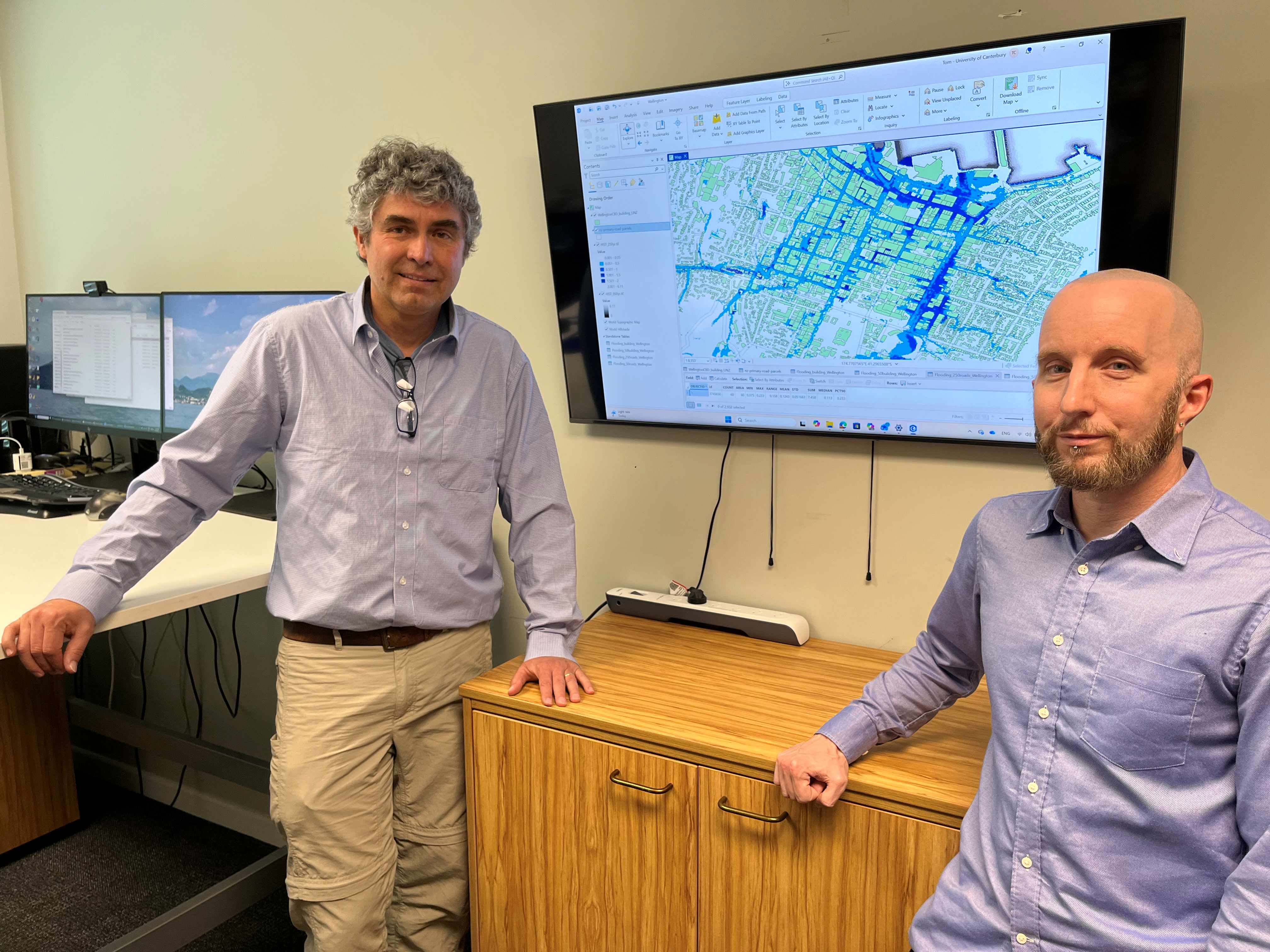
Digital models to help predict natural hazards in Kiwi capital
An innovative project using digital simulations to predict future hazards in New Zealand’s capital city takes its name from science fiction.
UC research challenges how we think autistic children learn
New UC research is challenging assumptions about how autistic children learn language.