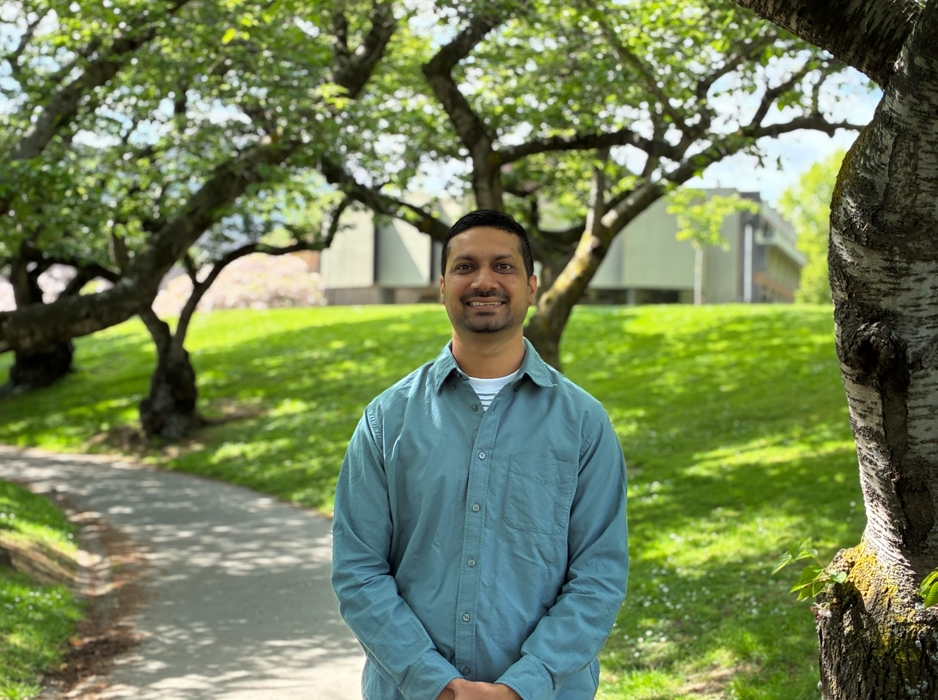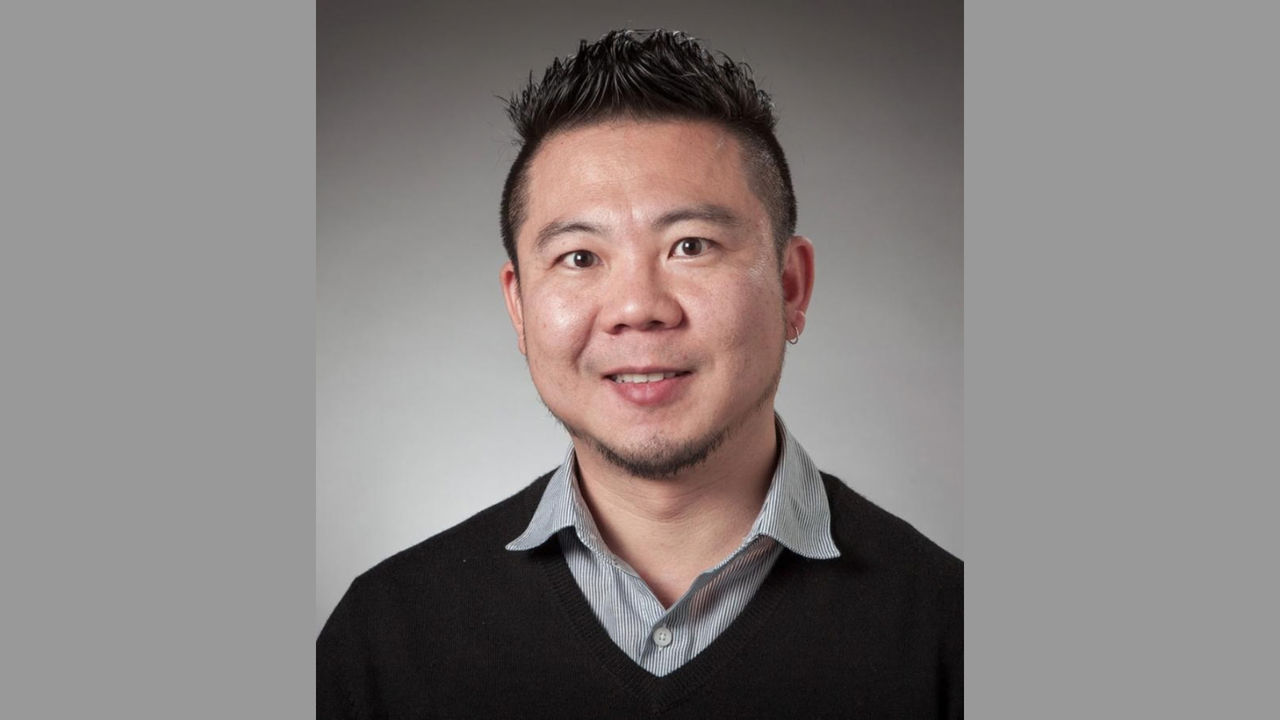


Photo caption: Dr Wei Teng, Lecturer at UC’s Language, Social and Political Sciences, Faculty of Arts
As more Asian New Zealanders report experiencing mental health challenges, a Te Whare Wānanga o Waitaha | University of Canterbury (UC) researcher is asking a critical question: can artificial intelligence (AI) help bridge language barriers when human translation resources are limited?
Seed-funded research led by UC scholar of Translation Studies Dr Wei Teng examined how effectively ChatGPT can translate two widely used mental health screening instruments — the Kessler Psychological Distress Scale (K10) and the Patient Health Questionnaire-9 (PHQ-9) — into Mandarin Chinese for use in Aotearoa New Zealand.
“These scales influence whether someone is identified as experiencing distress or depression, so if there’s something incorrect in the translation, that directly affects clinical decisions,” Dr Teng says.
Dr Teng, a passionate accessibility advocate, began the project after conversations with Josiah Jennings from Christchurch-based Asian Community Transformation Trust and registered clinical psychologist Dr Amy Wang. During these sessions, community leaders raised concerns about language barriers preventing Mandarin-speaking migrants from accessing appropriate mental health support.
While Mandarin versions of these tools already exist, Dr Teng says some translations feel overly formal or unnatural. “If the translation of questions to Mandarin sounds robotic and loses the tone of the source text, patients may not respond openly.”
To test whether AI could produce more natural, empathetic translations, Dr Teng designed structured prompts for ChatGPT, assigning it a professional role and specifying tone requirements such as “caring” and “clinically appropriate”. One carefully engineered prompt produced noticeably stronger results, suggesting AI could enhance translation quality when guided more precisely.
However, the study revealed a critical flaw; inconsistency.
When colleagues ran the same prompt through their own free ChatGPT accounts, the outputs differed in tone and naturalness. Because large language models generate responses based on account users’ previous interactions, results can vary between users, even when using identical instructions.
“In mental health, consistency matters,” Dr Teng says. “A screening tool must function the same way each time. Variability raises questions about reliability and reproducibility.”
Now working with AI researchers, Dr Teng is exploring whether more deterministic prompting or customised models could improve consistency. He stresses that while AI shows promise, clinical oversight and interdisciplinary collaboration are essential.
“There may be room for AI in this space,” he says. “But when people’s wellbeing is involved, trust and cultural sensitivity must come first.”
UC excels in linguistics research, ranked in the QS global top 100, and recognises the strong social value and impact of translation studies.
Interested in this field? Explore the Master of Applied Translation and Interpreting at the University of Canterbury.

.png)