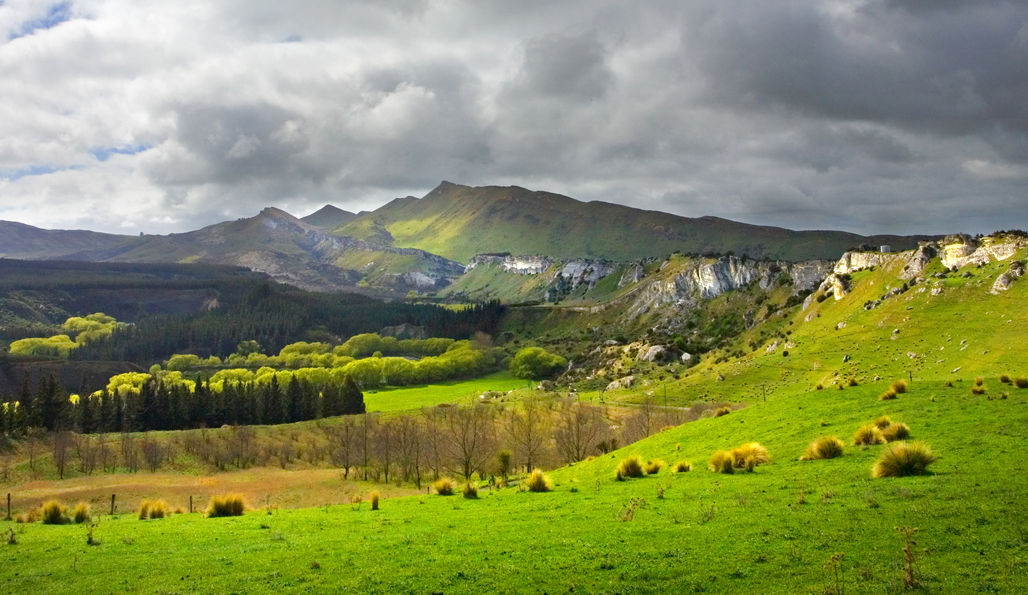

The Waitaha North Canterbury region is slowly being squeezed in front of our Australian and Pacific plate boundary. Gentle folds across the region are pushed up along faults, making the distinctive ranges and valleys of this wine growing and farming region, cored by the older marine sandstones ("greywacke") and mudstones of the Torlesse Supergroup. These folds also expose many different sedimentary rock layers, representing the Zealandia continent’s separation from the supercontinent Gondwana, around 100 million years ago, subsequent drowning beneath the waves, and finally rapid uplift as our plate boundary activated along the Alpine Fault. Most of the sedimentary rocks are marine and some are as young as 5 million years old in the northern part of the North Canterbury region. These represent the more recent areas of the South Island to be dragged up from the oceans, one earthquake at a time, a process no more well illustrated than during the 2016 Kaikōura Earthquake sequence, where some areas along the coast were lifted up to 10 m at once.
-
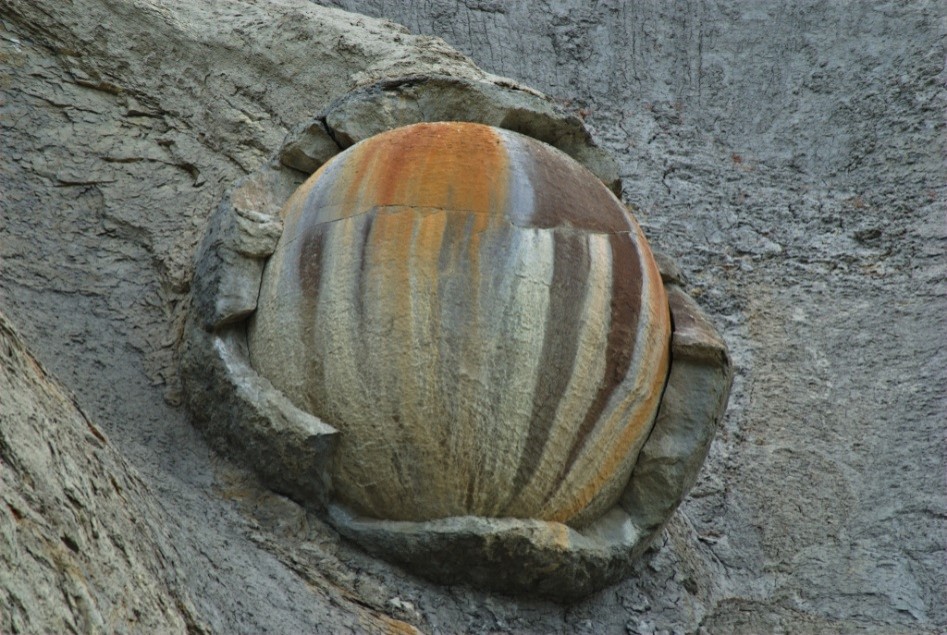
Waipara Concretions
Te Kaihīnaki
17 June 2026
-
Waipara Concretions
Te Kaihīnaki
-

Waipara Concretions
-
Waipara Concretions
Te Kaihīnaki
-
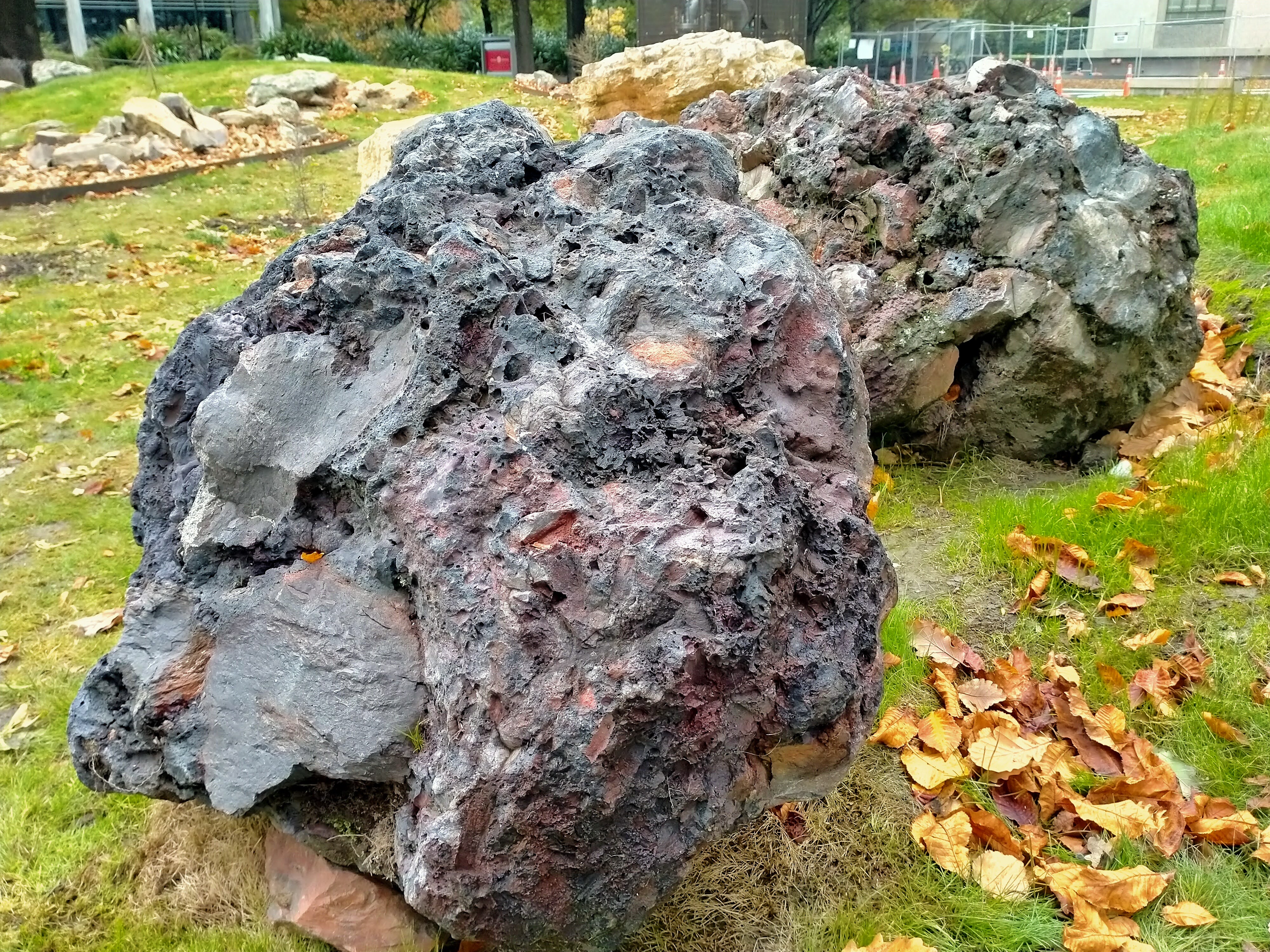
Mystery Rock!
17 June 2026
-
Mystery Rock!
-
Mystery Rock!
-
Mystery Rock!
-
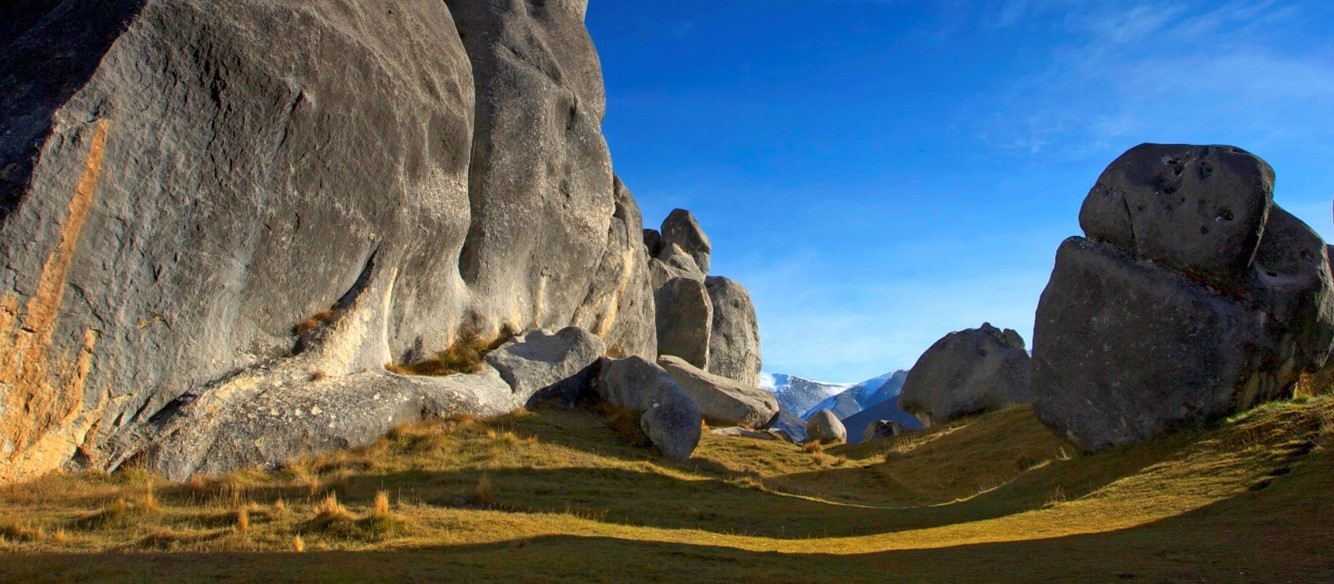
Limestone
pākeho, Kura Tāwhiti
17 June 2026
-
Limestone
pākeho, Kura Tāwhiti
-
Limestone
-
Limestone
pākeho, Kura Tāwhiti
-
Sandstone
hōanga
18 May 2026
.jpg)
-
Sandstone
hōanga
-
Sandstone
-
Sandstone
hōanga
-
Conglomerate
toka māhurehure
18 May 2026
.jpg)
-
Conglomerate
toka māhurehure
-
Conglomerate
-
Conglomerate
toka māhurehure
-
Syenite
22 September 2026
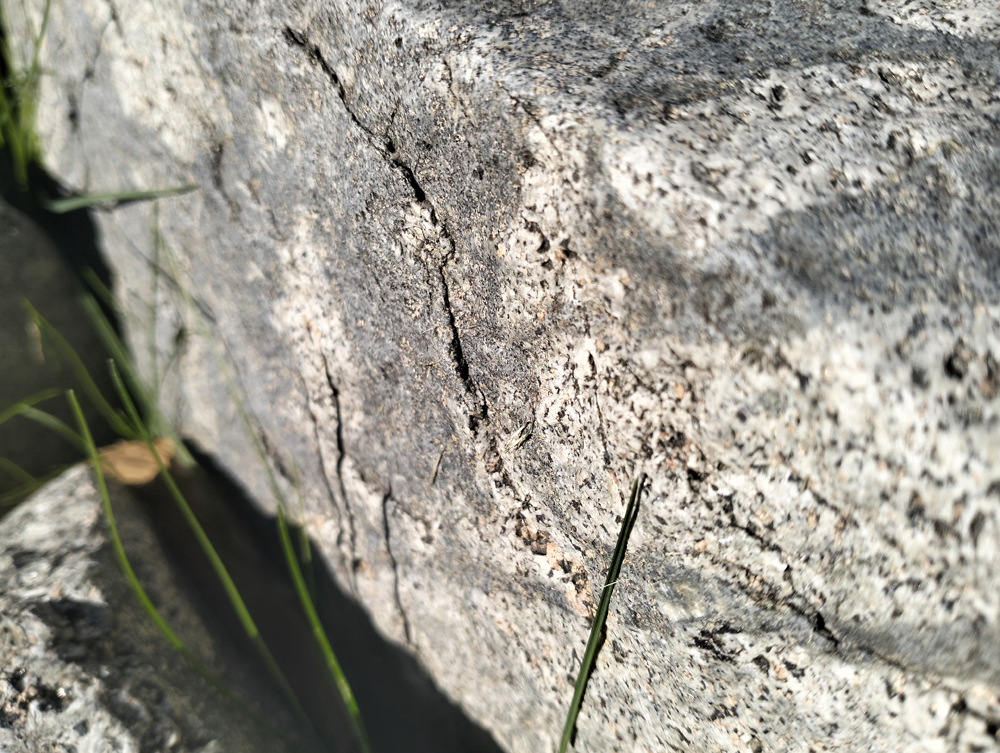
-
Syenite
-
Syenite
-
Syenite

