.png/_jcr_content/renditions/cq5dam.web.1280.1280.jpeg)


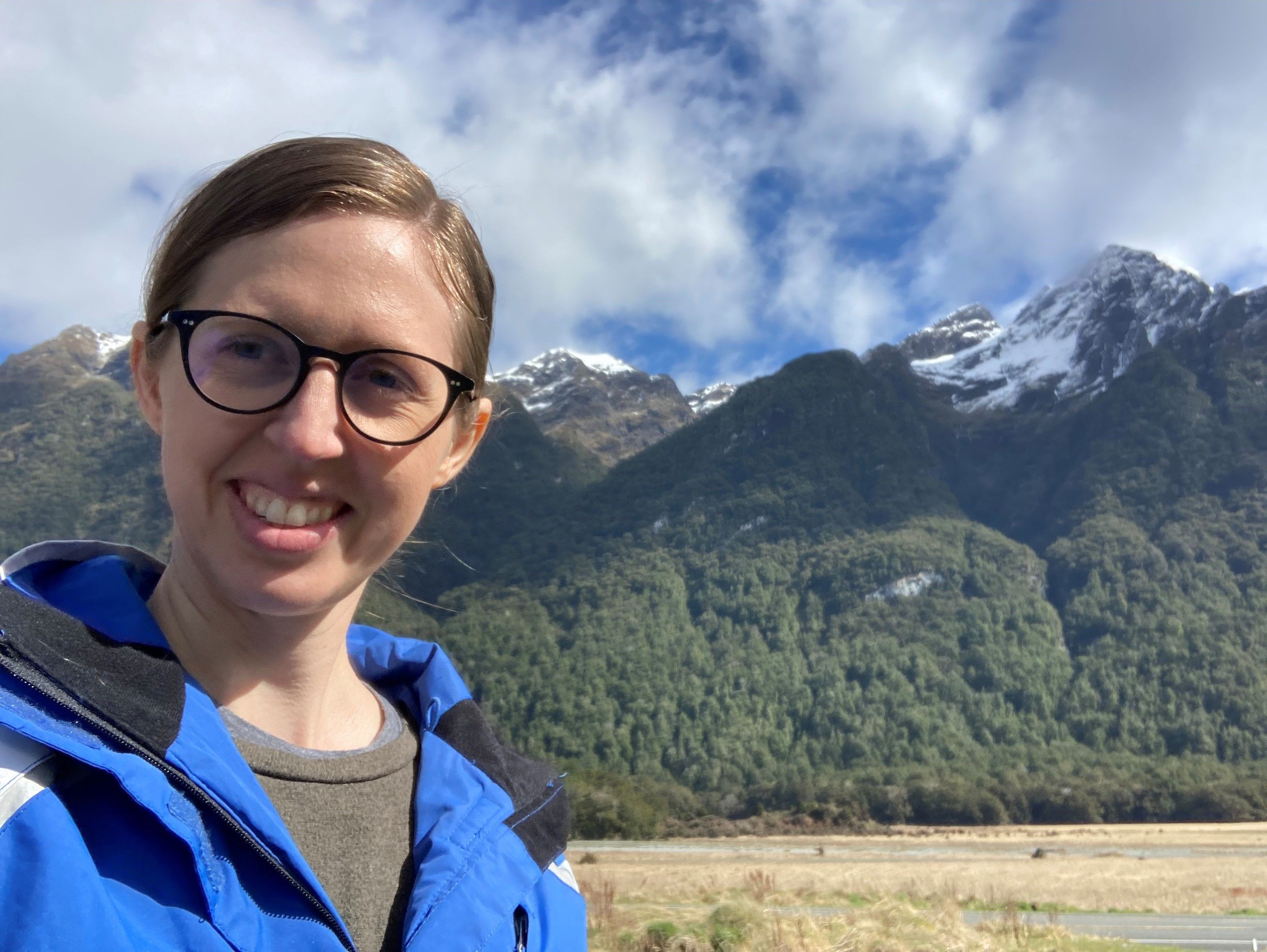
Photo caption: University of Canterbury School of Earth and Environment Professor James Shulmeister
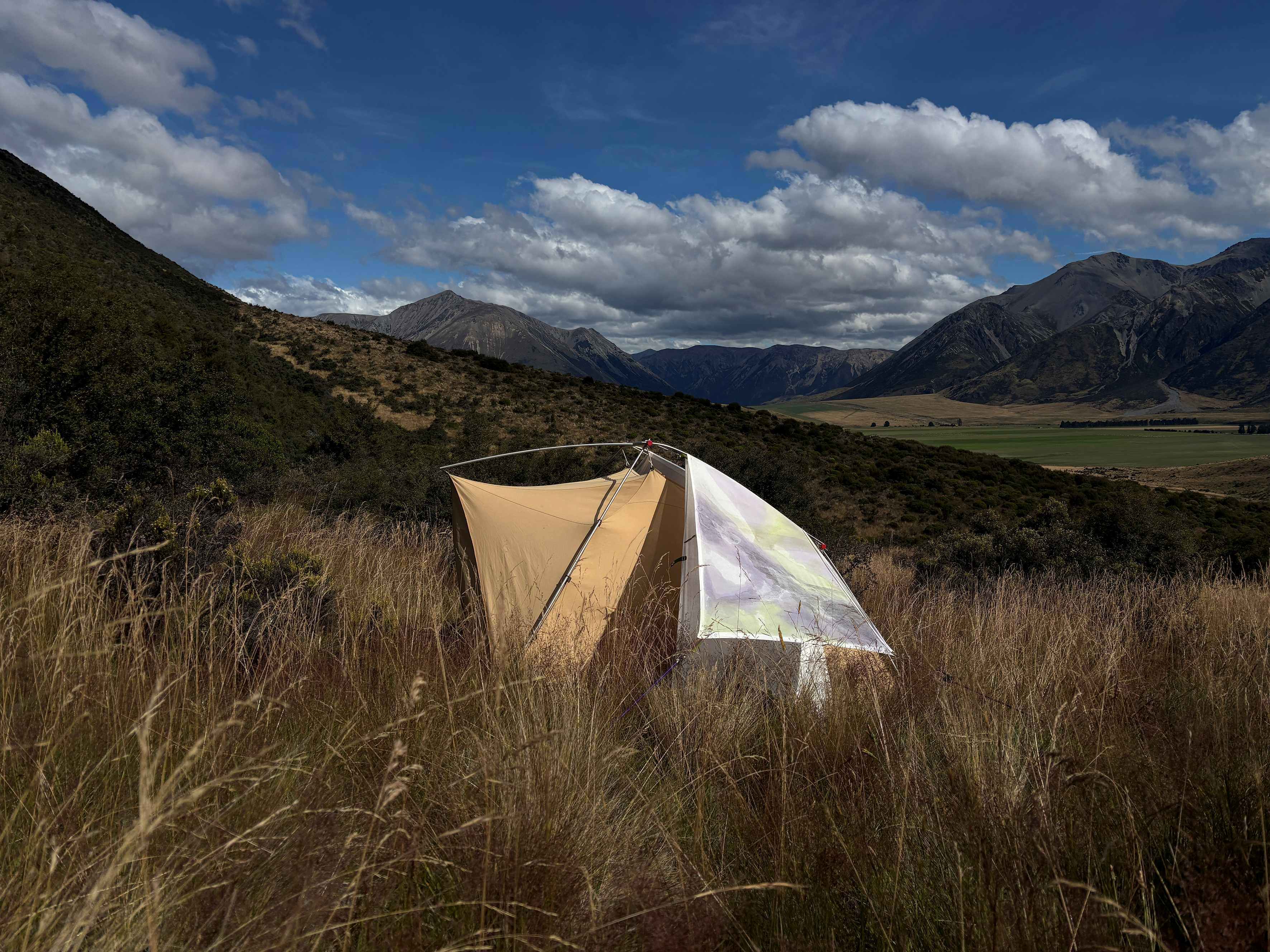
Photo caption: Researchers from the University of Canterbury’s School of Earth and Environment study how landscapes are shaped over time. Credit: Dr Kate Pedley, University of Canterbury.
Geomorphology helps us understand how rivers, coasts, mountains and landscapes change over time, and how people live alongside these dynamic environments.
As a major sponsor of the 11th International Conference on Geomorphology being held in Christchurch this week, Te Whare Wānanga o Waitaha | University of Canterbury (UC) is contributing both research expertise and real-world insight to the conference programme.
UC School of Earth and Environment Professor James Shulmeister says New Zealand has one of the most active landscapes in the world.
“As populations grow, land use intensifies and the climate changes, we are increasingly occupying parts of the landscape that were not traditionally heavily inhabited, making us more vulnerable.
“Geomorphology is a science of common sense. It helps build knowledge about how landscapes behave, and how people can make more informed decisions about how they interact with them,” he says.
As climate change and human use of the land increases, understanding these processes becomes more important for managing long-term risks to communities, infrastructure and the environment.
“Waitaha Canterbury provides exceptional real-world environments for studying how landscapes work and evolve.
“UC has the strongest single university group in the southern hemisphere for geomorphology. Within UC’s School of Earth and Environment, researchers are studying river systems, glaciers, landslides and coastlines, with particular expertise in understanding how these landscapes shape, and are shaped by, the environments around them,” Professor Shulmeister says.
Professor Shulmeister says that there’s a strong focus at the conference, “unsurprisingly,” on landslides and the impact of tectonic movements on landscapes, as well as enormous focus on our braided rivers.
Speaking at the conference are University of Potsdam Professor Oliver Korup, a leading geomorphologist and natural hazards researcher who undertook his PhD research in New Zealand’s Southern Alps, and Concordia University Professor Pascale Biron, a world-leading braided river specialist.
11th IAG International Conference on Geomorphology, 2–6 February 2026, hosted at Te Pae Christchurch Convention Centre
Held every four years, the conference will bring together more than 900 delegates from 45 countries
Co-hosted by the International Association of Geomorphologists and the Australia New Zealand Geomorphology Group where University of Canterbury is strongly represented
The conference includes a strong community focus, with a free public event on Living with Braided Rivers in Canterbury at Te Pae

More information
Jilly Resink-Campbell, Communications Advisor
media@canterbury.ac.nz
+64 27 223 5859
Or visit our media enquiries page.
.png)