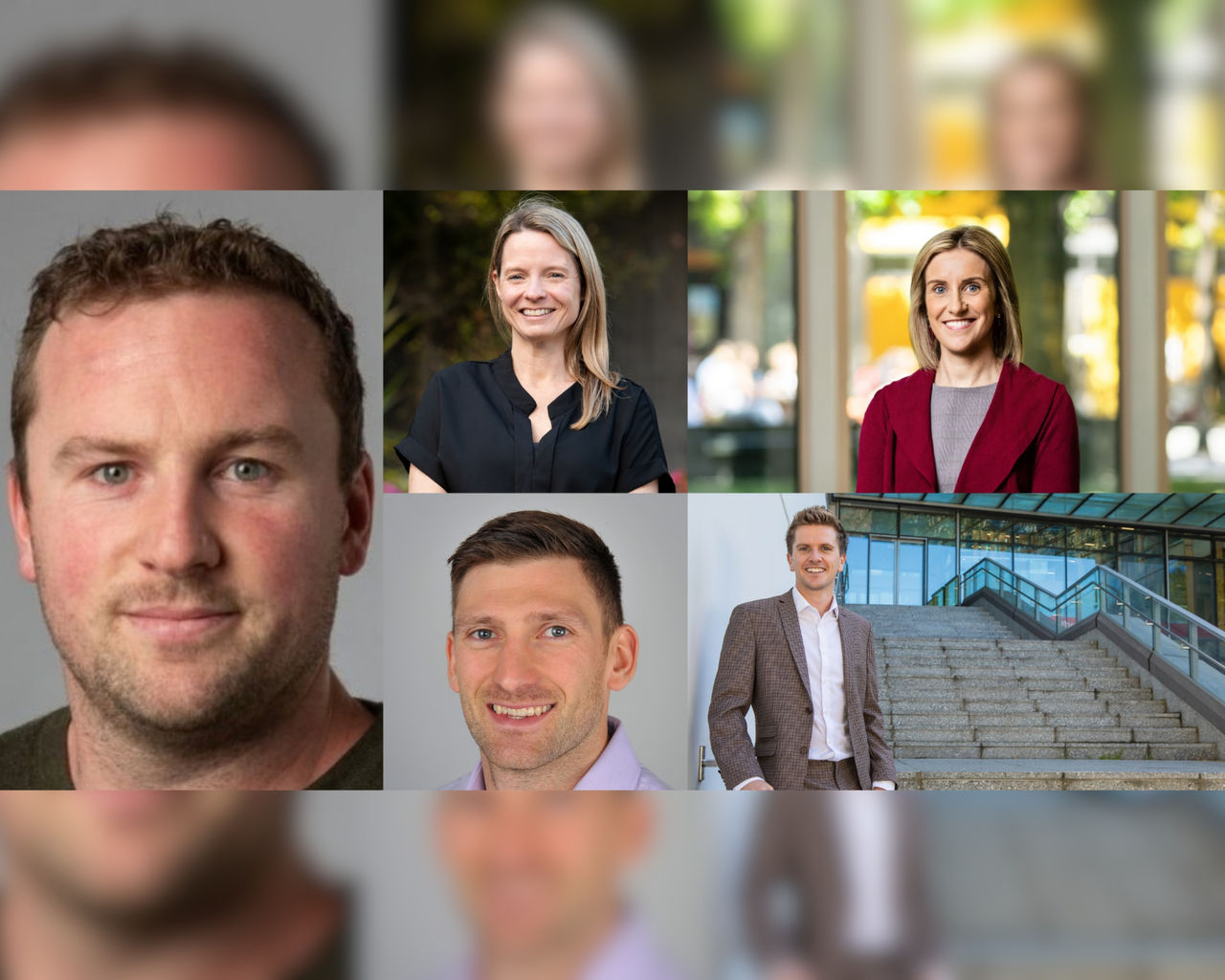


Photo caption: From left to right - Dr Liam Murphy, Dr Amy Osborne, Dr Lisa Furlong, Associate Professor Tim Chambers, and Dr Matthew Hobbs.
Te Whare Wānanga o Waitaha | University of Canterbury (UC) recipients are among researchers and students supported through almost $1.5 million awarded by CMRF in 2026.
Their research spans critical care, the effects of nitrate in drinking water on pregnancy outcomes, sleep disturbance in neurodivergent children and communication difficulties in Parkinson’s disease.
The largest UC award went to Postdoctoral Fellow Dr Liam Murphy, who received a $220,000 Emerging Researcher Fellowship for his project, Personalising haemodynamic support in circulatory shock patients, which aims to develop more personalised treatment for critically ill patients.
Dr Murphy is developing and validating a physics-based cardiovascular model using measurements already routinely collected in intensive care. The model could give clinicians a clearer, real-time picture of how each patient is responding to treatment, helping them decide which treatments are most likely to work.
“Accurately predicting and monitoring patient-specific response to these treatments is a major ‘holy-grail’ goal in the ICU,” Dr Murphy says.
He says the fellowship will help take the research closer to benefiting patients in intensive care.
“I am very grateful to CMRF for investing in this research and helping us take the next step towards translating our work into something that could ultimately benefit patients in intensive care.”
Other UC recipients received funding for research spanning public health, neurological conditions and child health, as well as professional development.
Dr Tim Chambers received a Major Project Grant of up to $120,000 for a national study examining whether nitrate exposure in drinking water is associated with adverse pregnancy outcomes.
Dr Kate Tyson received a PhD Scholarship worth $120,000 over three years to investigate treatment for communication difficulties in Parkinson’s disease, with a particular focus on acquired stuttering.
Dr Matt Hobbs and Dr Lisa Furlong each received $5,000 Travel and Personal Development Grants for professional development in epidemiology and speech and language research respectively, while Dr Amy Osborne received a $5,000 In Aid Grant for a pilot study exploring links between the oral microbiome and sleep disturbance in neurodivergent children.
Across its 2026 funding round, CMRF is supporting 14 researchers and 31 students in areas including mental health, public health, cancer, immunology, epidemiology and neurology.
UC’s six recipients were celebrated at CMRF’s 2026 Grand Awards Celebration on 1 October, alongside fellow grant recipients, research colleagues, donors, supporters and partners.

What to read next
NZ study reveals gaps in women's heart healthcare
A review of 25 years of New Zealand research has revealed significant gaps in women's heart healthcare, highlighting opportunities to improve diagnosis, treatment and outcomes.

History goes hi-tech at Awaroa Godley Head
The University of Canterbury's HIT Lab is helping Awaroa Godley Head visitors enjoy a more immersive experience of the World War II heritage site.

UC geography graduate honoured for global science leadership
UC alumnus Distinguished Professor Emeritus Iain Hay has received a prestigious international Fellowship recognising his contributions to geography and scientific collaboration.

Are Kiwi businesses jumping blindly on the AI bandwagon?
AI doesn’t have to play an inevitably dominant role in our lives, businesses and future, argues a guest speaker for an upcoming UC public lecture.

UC engineering students win international competition
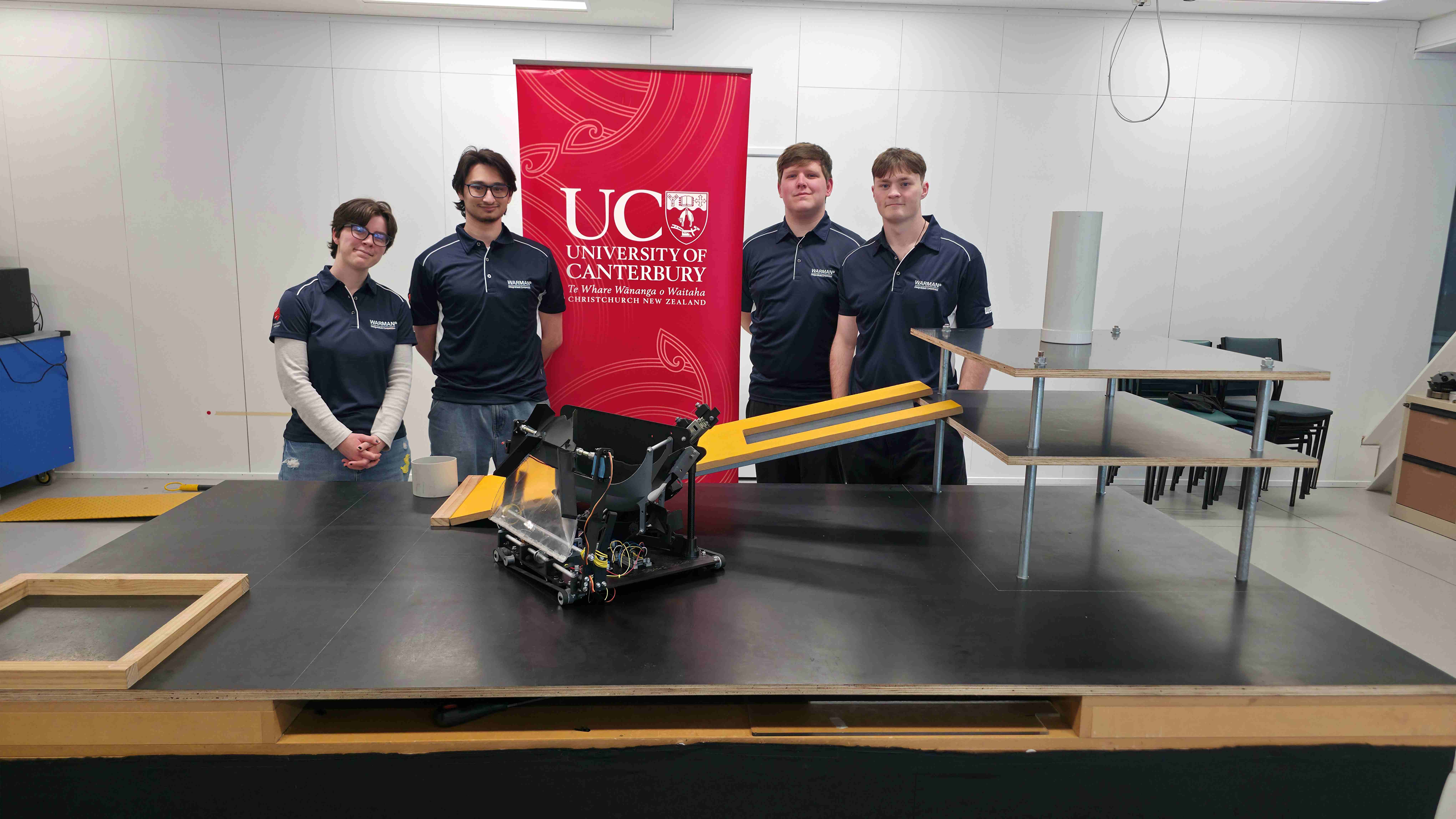
A robot designed to transport rocks automatically has helped four UC engineering students claim an international title.
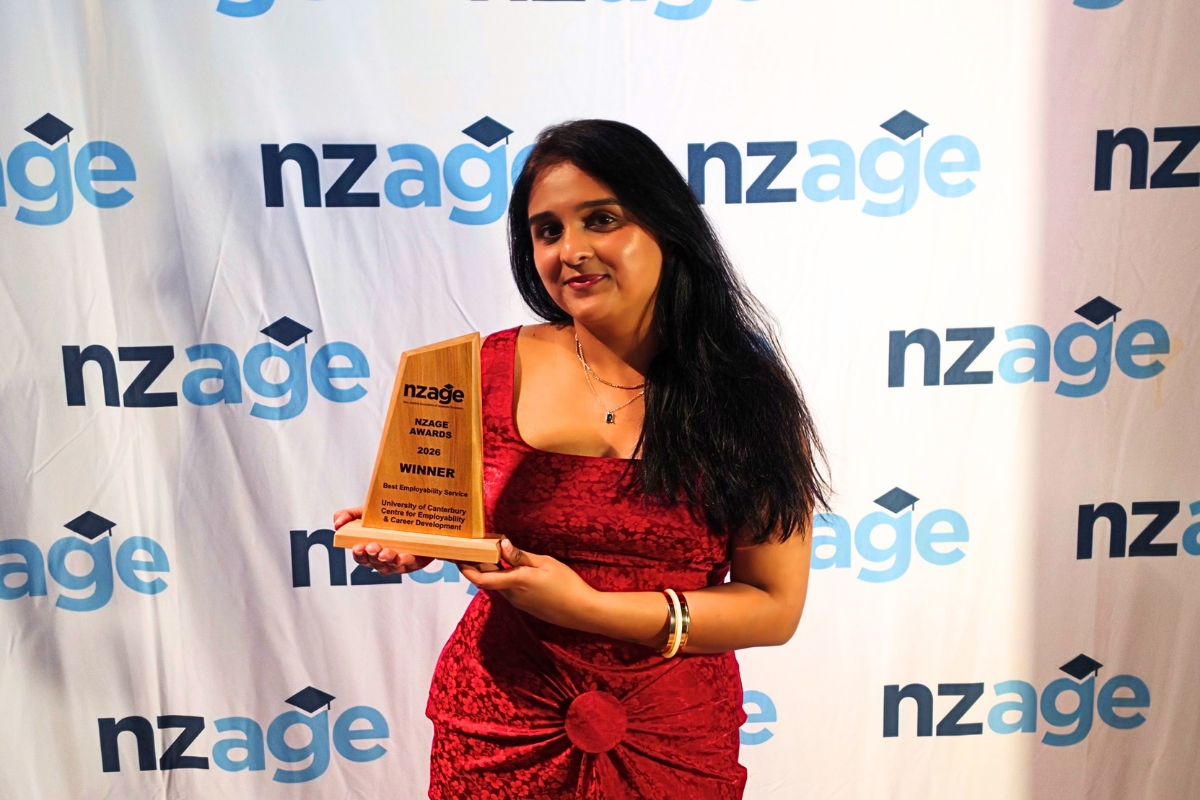
UC wins national award for employability service
UC has been recognised for excellence in helping students develop career-ready skills and connect with employers.
Fair suppliers strengthen business resilience
Businesses are better able to withstand disruption when suppliers make fair decisions and turn strong relationships into flexible action, UC research finds.
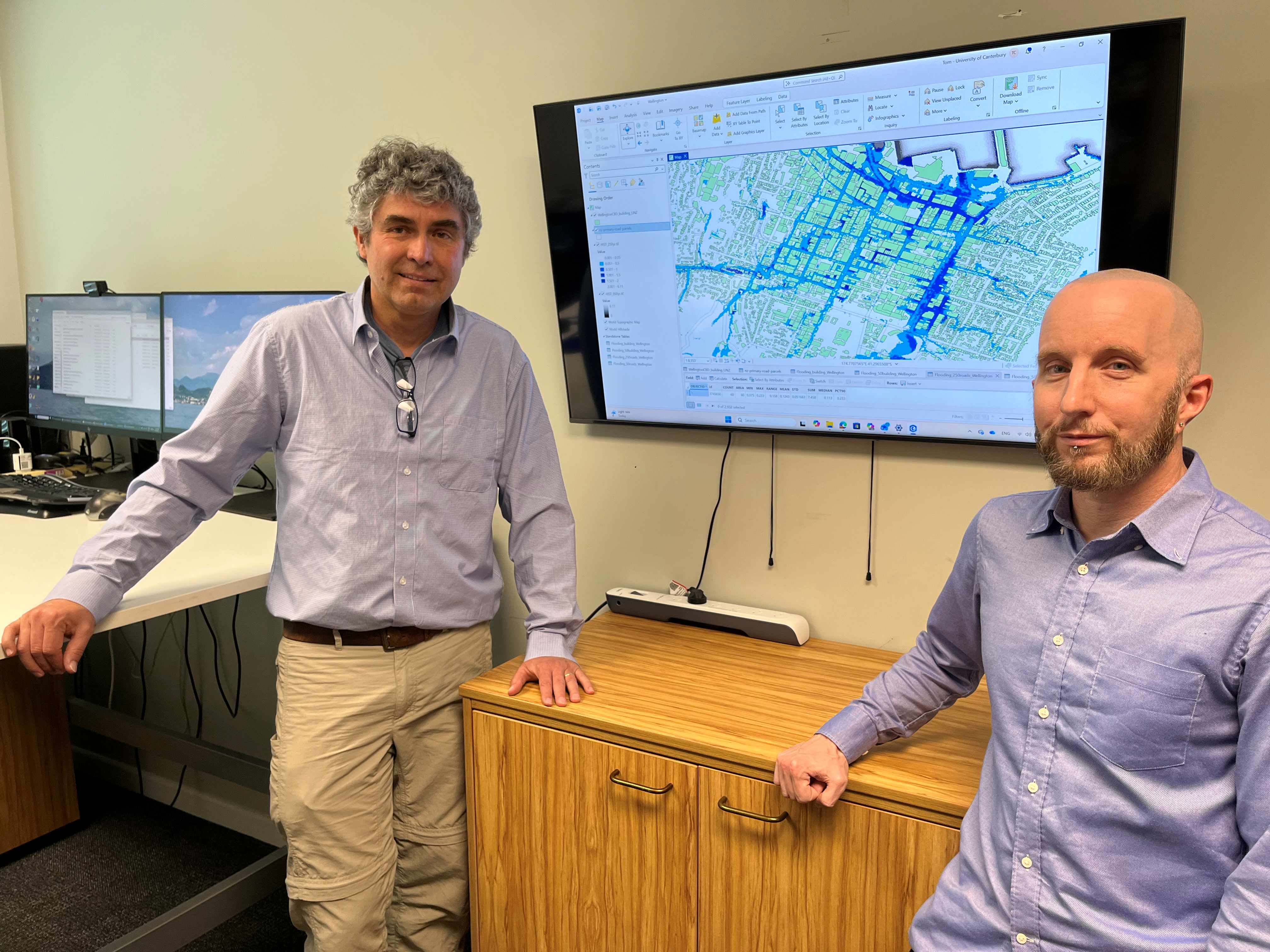
Digital models to help predict natural hazards in Kiwi capital
An innovative project using digital simulations to predict future hazards in New Zealand’s capital city takes its name from science fiction.
UC research challenges how we think autistic children learn
New UC research is challenging assumptions about how autistic children learn language.