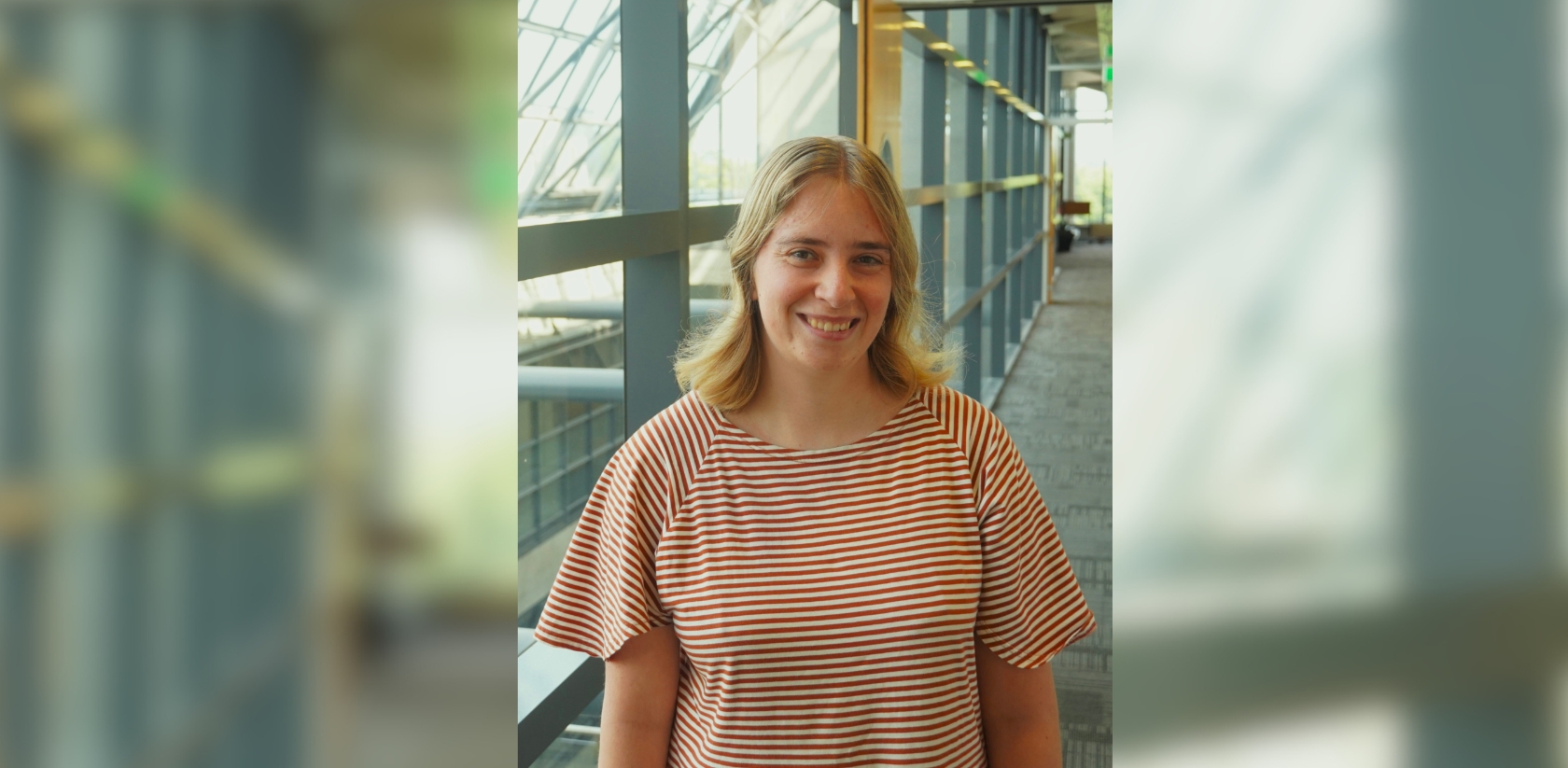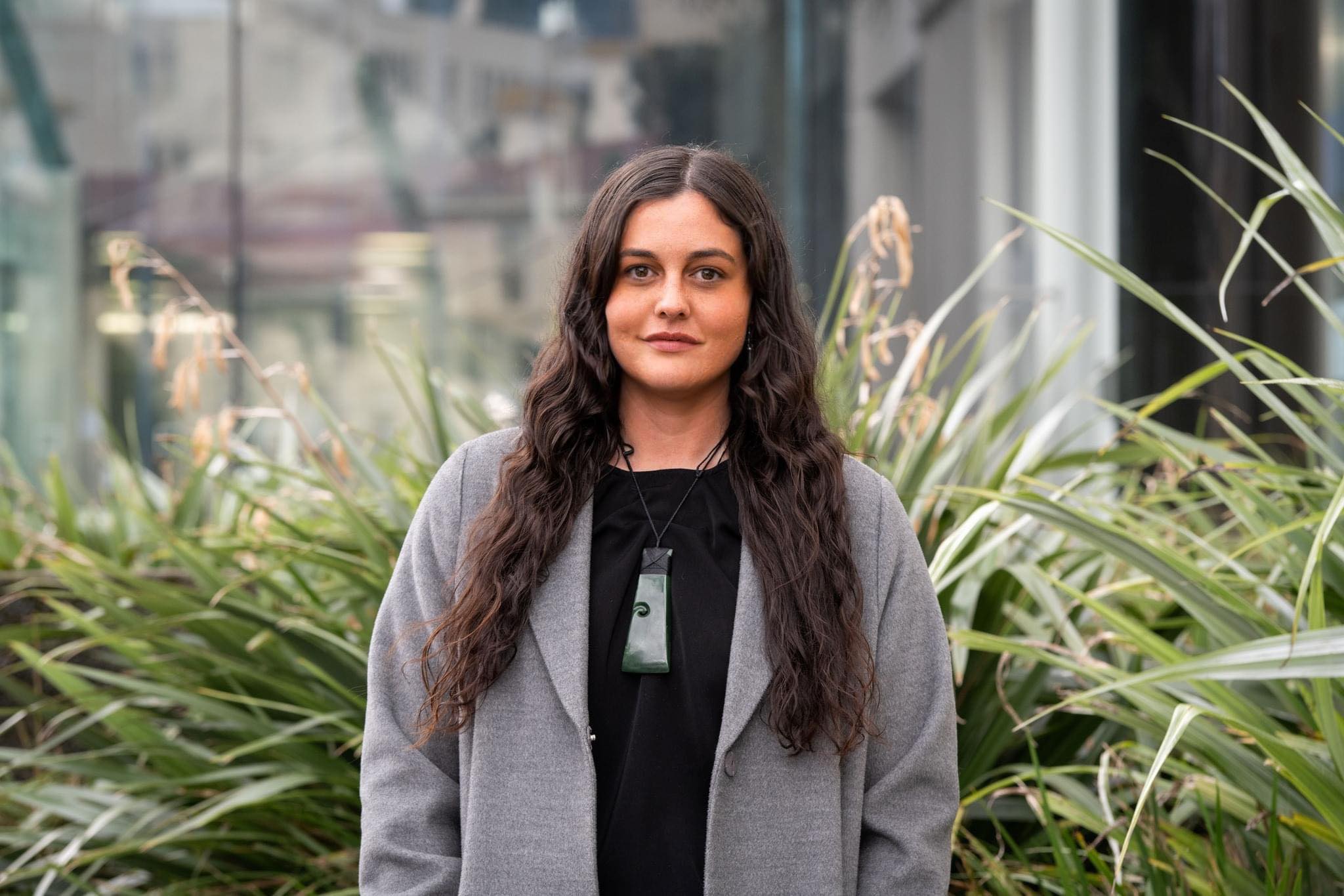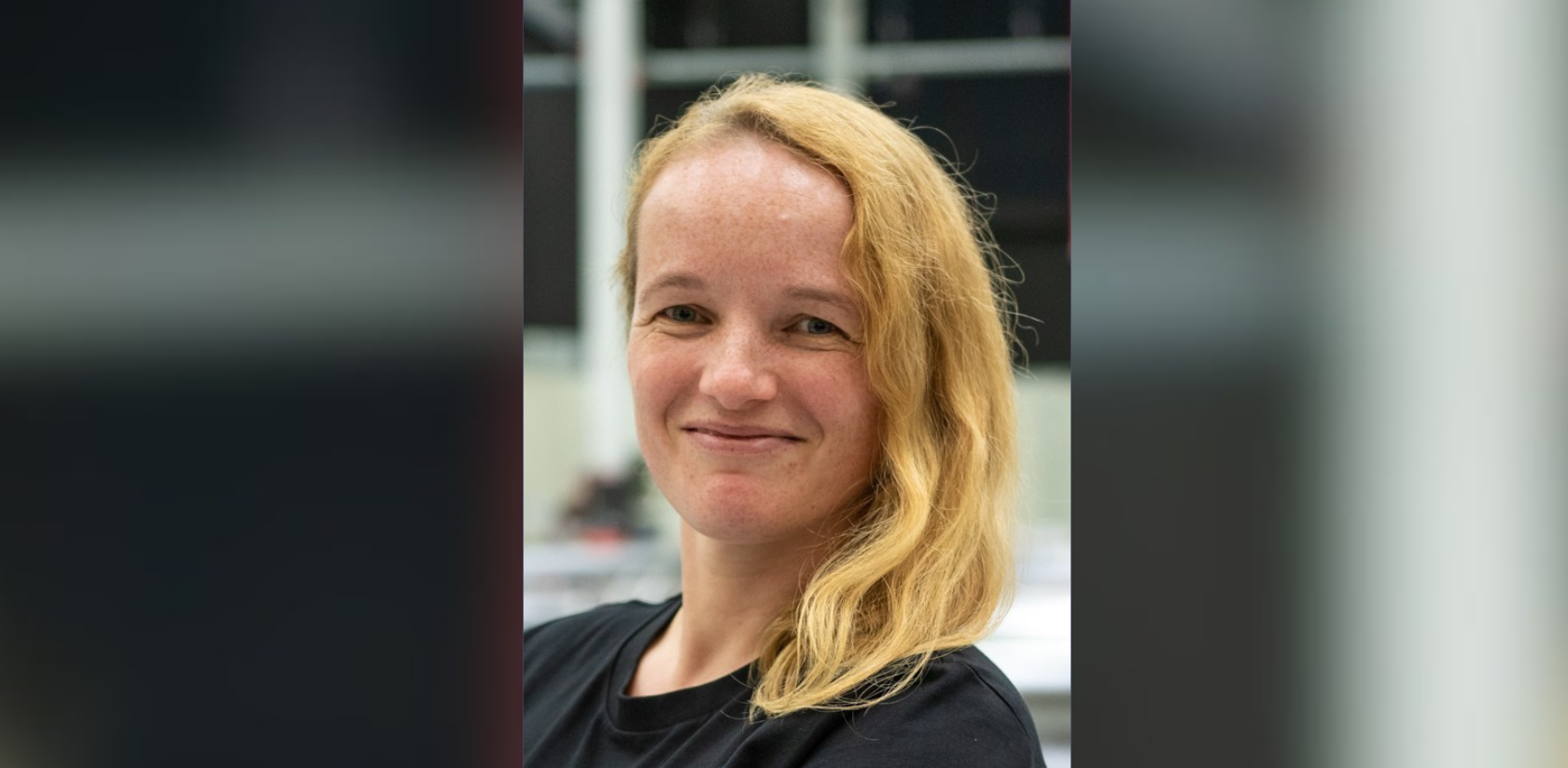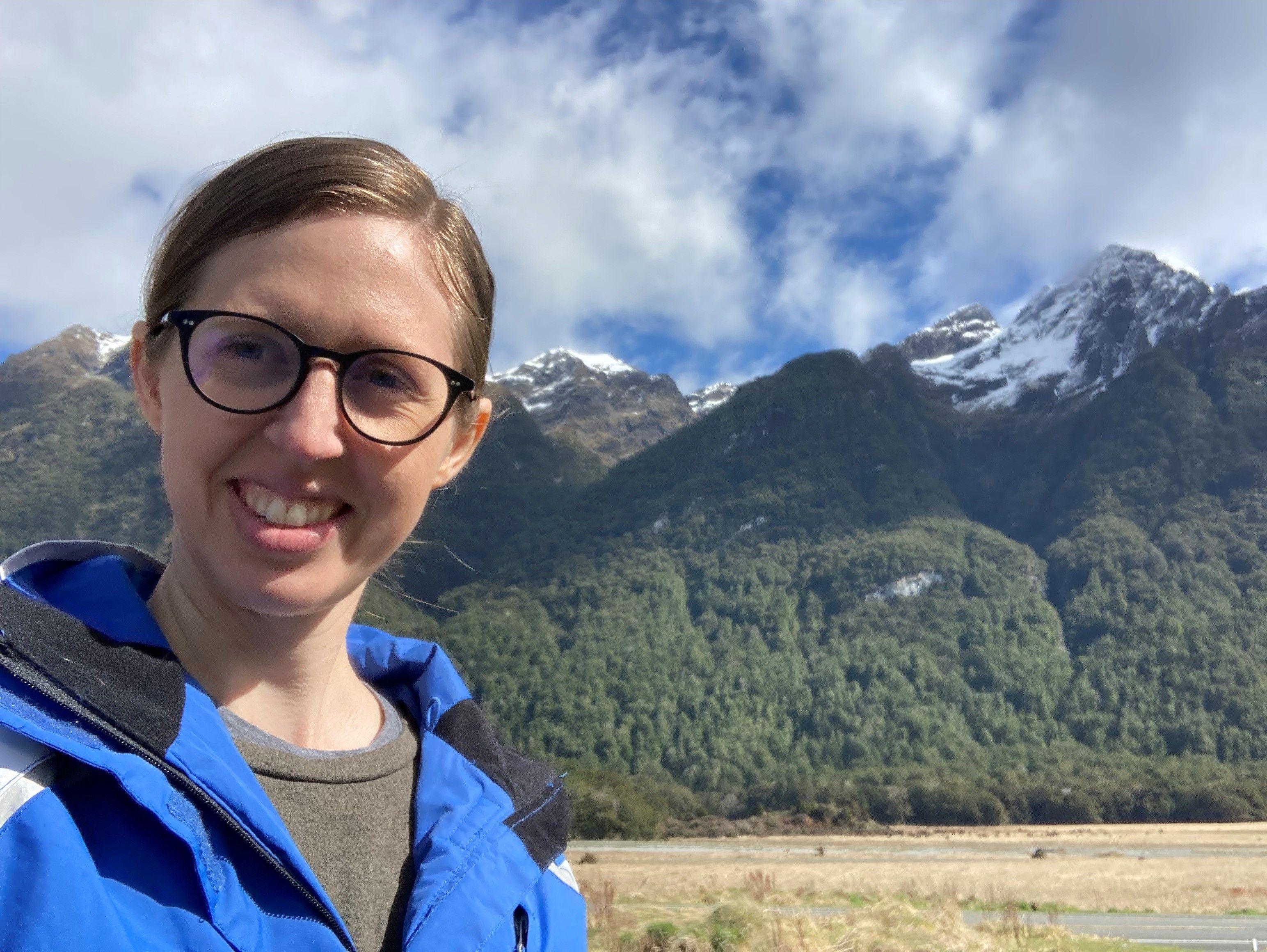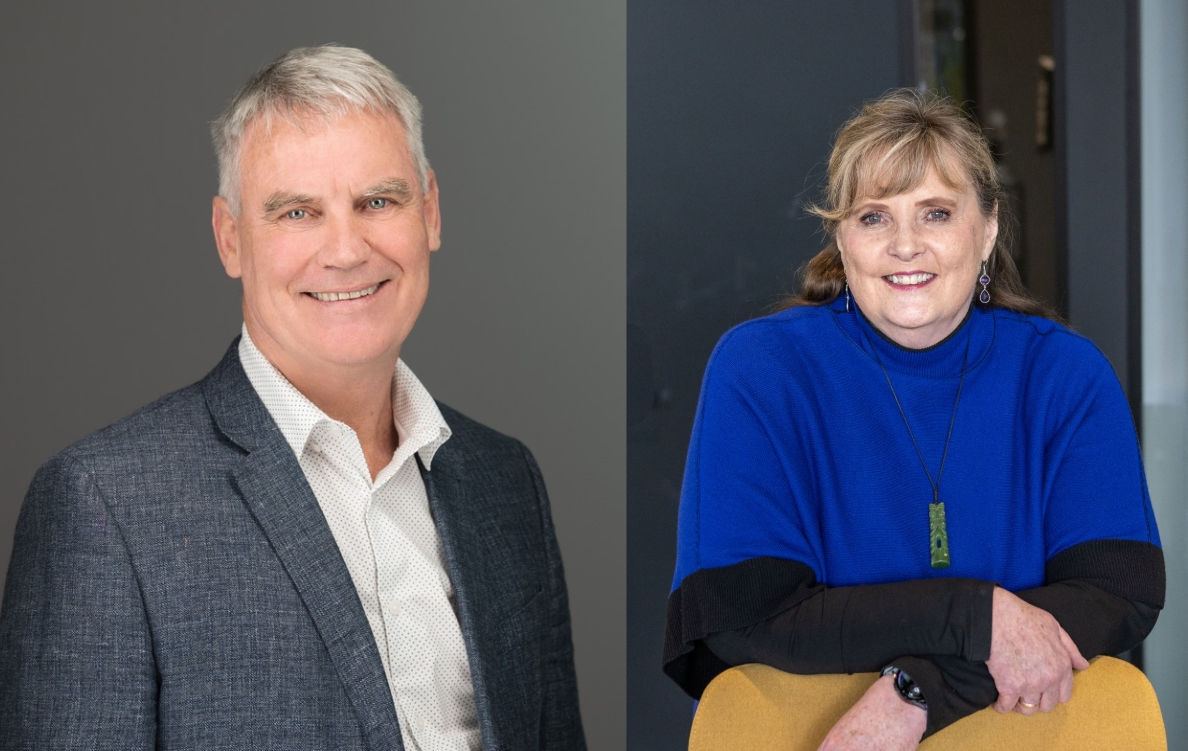


Photo caption: Authors David Meates and Carolyn Gullery.
Written by David Meates and Carolyn Gullery, two of the senior leaders behind Canterbury’s internationally recognised health-system transformation, One System: How relationships based on trust and a shared purpose transformed Canterbury’s health system examines how between 2007 and 2020 a fragmented collection of services became a more connected system organised around people rather than institutions.
“This is the story of how thousands of capable people, working across organisational and professional boundaries, came together around a shared purpose,” says Meates.
“It shows that complex systems can change, but not simply through restructuring, tighter control or another plan imposed from the top.”
The book traces Canterbury’s efforts to bring more care closer to home, strengthen clinical leadership, make better use of data and funding, and align hospitals, general practice, community services and other organisations around the needs of people.
Professor Sir Chris Ham, who has studied health-system reform internationally and written the book’s foreword, says Canterbury’s experience has significance far beyond New Zealand.
“The transformation achieved in Canterbury is one of the most important examples of integrated health-system change internationally. This book provides a rare and valuable account of how it was achieved and the leadership required to sustain it,” Professor Sir Ham says.
Over the timeframe, Canterbury supported a growing and ageing population while reducing reliance on hospital care, enabling more elderly people to remain in their own homes and avoiding much of the growth in acute demand experienced elsewhere in New Zealand.
Gullery says the book arrives at a time when health systems in Aotearoa New Zealand and internationally are under severe strain.
“We want people to come away with hope. We are in a period when many people can see that existing approaches are not working but are unsure where to begin.
“This book shows that change is possible. It does not offer a blueprint, but it does show how a system can be made better.”
One of the book’s central messages is that lasting transformation does not come from imposing a predetermined plan. It grows from building shared purpose, trusting the people closest to the work and aligning organisations around better outcomes for the people they serve.
Gullery says the lessons extend well beyond health.
“This is not only a health story. It is about how people work together across boundaries to achieve a shared outcome,” she says.
“The same ideas matter in leadership, governance, public policy and any setting where no single organisation can solve the problem alone.”
Canterbury’s approach attracted significant international attention as it developed, including from the King’s Fund, the World Bank and health-system leaders around the world.
The book also explores how the strength of a connected system was tested under extraordinary pressure, including the Canterbury earthquakes, the 2019 mosque terrorist attacks and the COVID-19 pandemic.
Meates says the book is intended to provoke curiosity and reflection rather than present Canterbury as a model to be copied.
“I hope people read it and ask: what actually happened there, how did they do it, and what could we learn from it?” he says.
“At its heart, the book is about what becomes possible when people stop defending the boundaries of their organisations and begin taking collective responsibility for the whole system.”
One System: How relationships based on trust and a shared purpose transformed Canterbury’s health system by David Meates and Carolyn Gullery, is published by Canterbury University Press. RRP $49.99, 288 pages, ISBN 978-1-98-850356-1. It will be available from bookstores and through Canterbury University Press.
About the authors
David Meates MNZM is an internationally recognised health system leader and former Chief Executive of the Canterbury and West Coast District Health Boards. Over more than a decade, with responsibility for a health system involving more than 18,000 people, he led the transformation of the Canterbury Health System from a mix of fragmented services into an integrated system organised around people, shared purpose and collective responsibility. David now advises boards and leaders across sectors on governance, leadership and how to achieve lasting change in complex systems.
Carolyn Gullery is a New Zealand health system leader and strategist in service redesign and commissioning who has gained international recognition. As Executive Director of Planning, Funding and Decision Support for the Canterbury and West Coast District Health Boards, she was accountable for a $1.8 billion annual budget and designed the alliancing, funding and information foundations on which the transformation of the Canterbury Health System depended. Carolyn now advises health systems and organisations around the world on analytics, commissioning and integrated care.