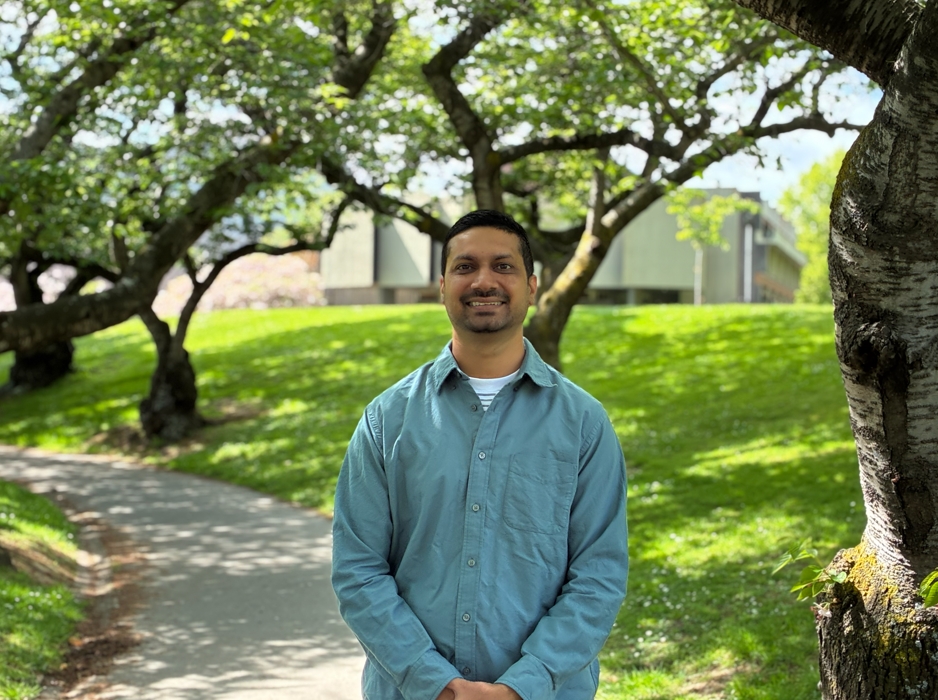


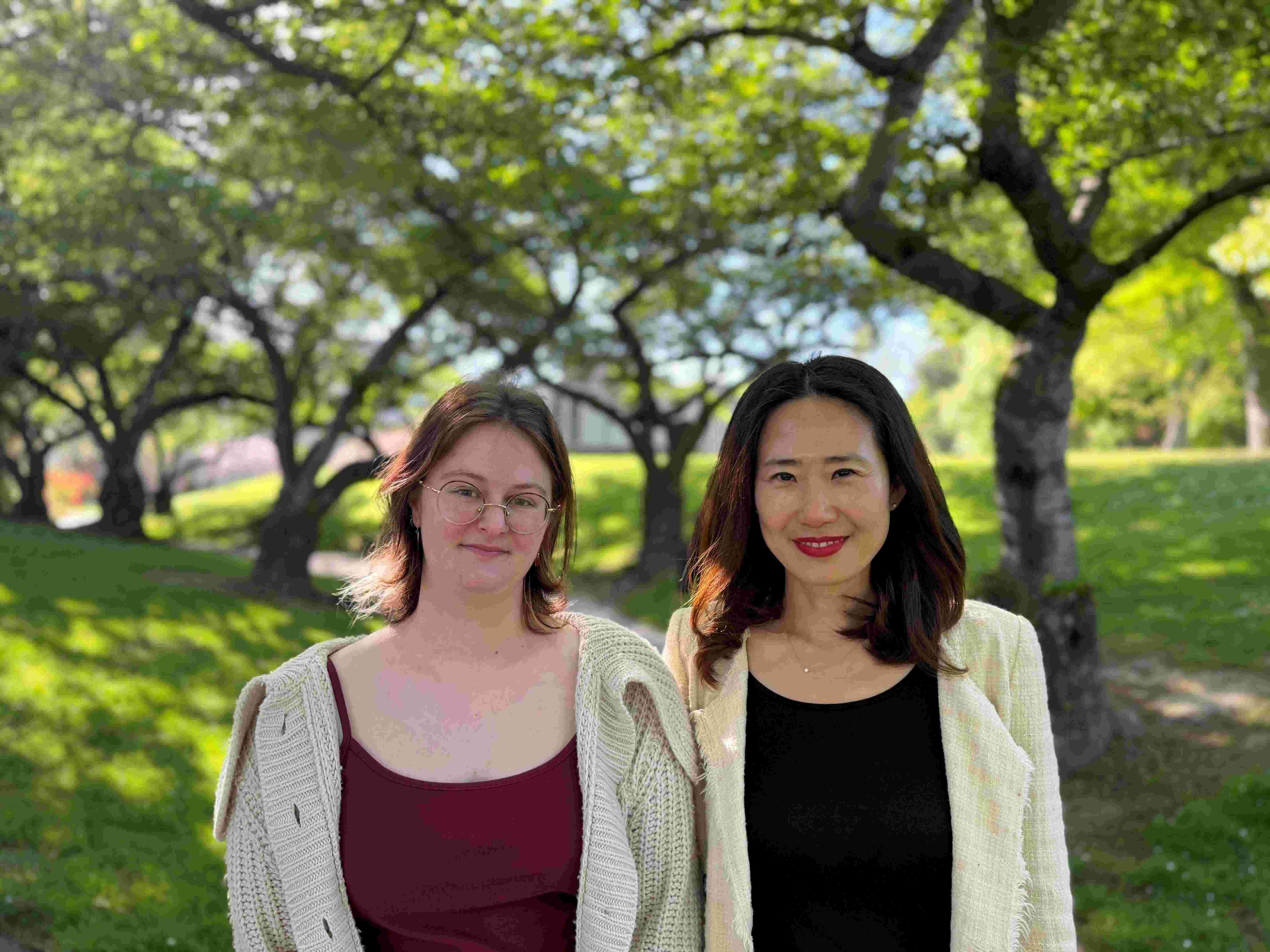
Photo caption: University of Canterbury Senior Lecturer Dr Lin Mussell has won the Early and Emerging Career Researcher Award for 2025.
Dr Lin Mussell, a Senior Lecturer in the Department of Political Science and International Relations at Te Whare Wānanga o Waitaha | University of Canterbury (UC), has won the University’s Early and Emerging Career Researcher Award for 2025.
The award is recognition of her outstanding national and international contributions to public policy relating to criminalisation, prisons and justice.
Dr Mussell moved from Canada to join UC in April 2023, and she has completed a book on the intergenerational impacts of carceral policies on whānau in New Zealand, Australia, and Canada, which will be published early next year by the University of British Colombia Press.
The book examines how policy practices have impacts beyond an individual, across multiple generations and throughout the community.
“There's a tendency to focus on people as problems, but I’ve followed a different approach. Appreciative inquiry, for example, involves focusing on strengths,” Dr Mussell says. “So, rather than saying this 17-year-old is the problem, looking at the fact that he was impacted by different policies, structures and institutions including state care and poverty, and that he will have ideas on how to create change.
“I'm really interested in how different institutions interconnect; so state care, youth justice, involuntary hospitalisation, and education, and how all those places need to be sites subject to change. I’m keen to build a picture of how state decisions impact the person, their family and their community.”
Dr Mussell chose to study public policy in Canada after working for not-for-profit organisations. She wanted to make a difference and realised she needed to understand how government decisions are made to identify levers for change in the justice system.
“I wanted to find ways to democratise policy making more. Right now, it's often very much a technocratic exercise. Citizens might feel a bit pushed out and, particularly, the people most impacted by policy decisions might not feel like they're engaged with or heard.”
Dr Mussell understands that punitive justice approaches often have broad appeal. “People want to feel safe, and they want to see people make amends in certain ways. But some of those approaches aren’t necessarily effective or making things safer.”
Dr Mussell’s most recent journal articles have advanced concepts of deinstitutionalisation and trans-institutionalisation of prisons, governance of risk, and prison alternatives. She says being an academic allows her to pursue her passion for research. “I also really enjoy having students who are excited to learn. Some of them really want to understand the world better, and how they can create change, so their enthusiasm rubs off.”
She leads UC’s Master of Policy and Governance programme and has organised postgraduate field trips to Parliament providing master’s and PhD students with invaluable experience in public policy.
Dr Mussell is a member of organisations that include people with lived experience of the criminal justice system. She shares her knowledge and policy expertise with the Aotearoa Ethics Committee and has also worked with Aotearoa Justice Coalition and People Against Prisons Aotearoa.
She was also a volunteer facilitator in a public speaking group for men imprisoned at Rolleston Prison, near Christchurch. Dr Mussell says helping the participants build their writing and oratory skills was rewarding. “Sometimes they would share a narrative from their life, and you can learn a lot from them.”
A thank you email from Rolleston Prison illustrates the impact of this work. “The feeling of being judged, not good enough, and that general barrier that most are faced with has been broken down in this group.”
Dr Mussell will receive her award at a UC Hui Whakamānawa | Celebration of Success ceremony on 3 December.


What to read next
UC geography graduate honoured for global science leadership
UC alumnus Distinguished Professor Emeritus Iain Hay has received a prestigious international Fellowship recognising his contributions to geography and scientific collaboration.

Are Kiwi businesses jumping blindly on the AI bandwagon?
AI doesn’t have to play an inevitably dominant role in our lives, businesses and future, argues a guest speaker for an upcoming UC public lecture.

UC engineering students win international competition
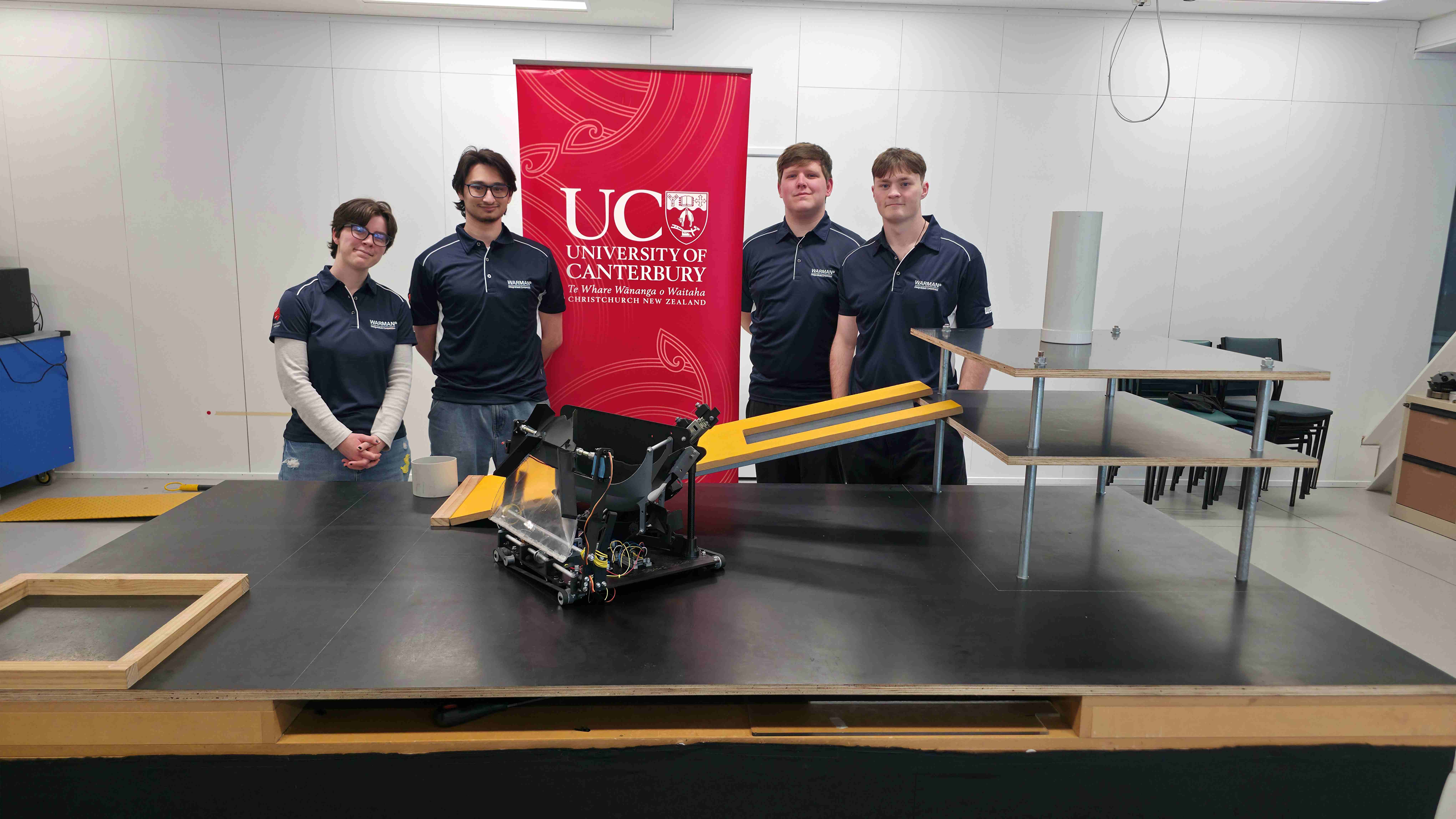
A robot designed to transport rocks automatically has helped four UC engineering students claim an international title.
UC wins national award for employability service
UC has been recognised for excellence in helping students develop career-ready skills and connect with employers.

Fair suppliers strengthen business resilience
Businesses are better able to withstand disruption when suppliers make fair decisions and turn strong relationships into flexible action, UC research finds.
Digital models to help predict natural hazards in Kiwi capital
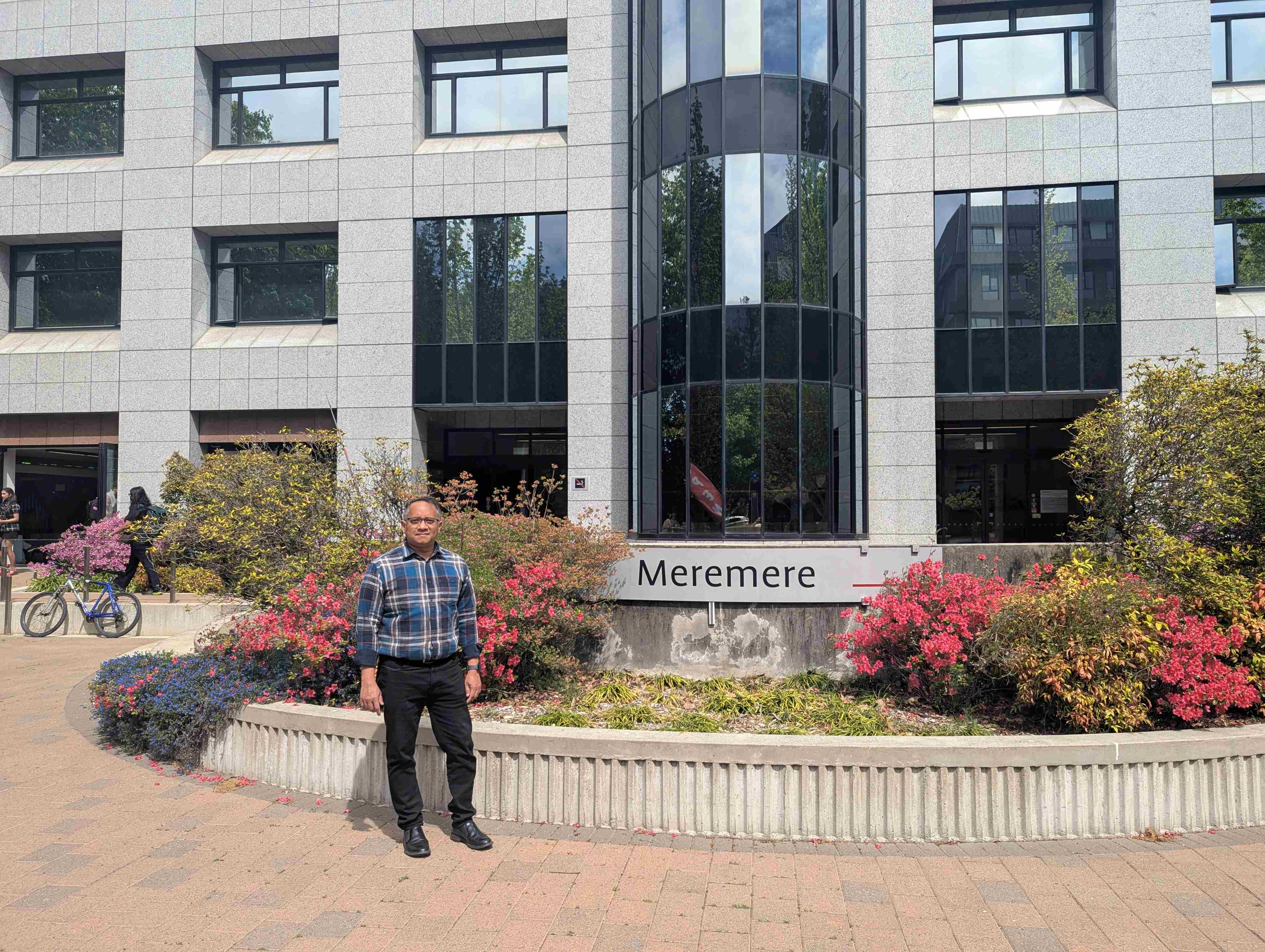
An innovative project using digital simulations to predict future hazards in New Zealand’s capital city takes its name from science fiction.
UC research challenges how we think autistic children learn
New UC research is challenging assumptions about how autistic children learn language.
Tiny robots, big potential: UC PhD explores new frontier
A UC researcher is pioneering laser-controlled robot swarms thinner than a human hair — work he believes could one day transform medicine and manufacturing.

UC research puts local knowledge at heart of resilience
UC research explores how Pacific Island nations can better use place-based knowledge to strengthen disaster planning and resilience.