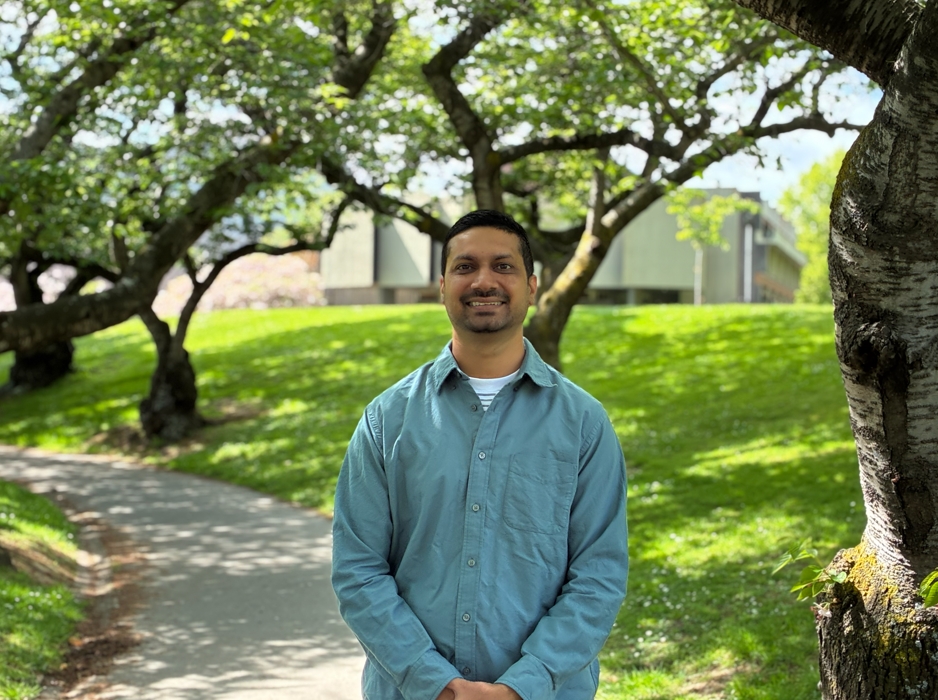


Te Whare Wānanga o Waitaha | University of Canterbury (UC) Chemical and Process Engineering master’s student Josh McArdle’s research takes a circular economy approach using a waste material to decrease the CO₂ emissions of the industry.
In collaboration with the Robinson Research Institute at Victoria University of Wellington, his research explores using precipitated iron residue (PIR), a common waste material from mineral processing for iron production. Global research efforts are currently focussed on using green hydrogen to reduce ironmaking emissions, and McArdle’s research has created a pellet feedstock suitable for these new green hydrogen processes through blending PIRs with ironsand.
“Currently considered waste, these residues are produced at a scale of 100 million tonnes per year and are expected to increase as renewable energy systems and technologies like electric vehicles expand,” McArdle says.
These PIRs are often stored in waste ponds and landfills or disposed of in countries with poor environmental regulations without suitable environmental protection measures. McArdle says there is significant scope for improved utilisation of these waste materials.
McArdle blended PIRs with New Zealand’s titanomagnetite ironsand to create pellets. He demonstrated that his blending approach is beneficial for green hydrogen powered ironmaking, most notably when using a 5% blend of PIR. This novel approach not only diverts waste disposal but can also enhance the speed and efficiency of existing iron production streams.
His supervisor, UC Chemical and Process Engineering Professor Matt Watson, says, “blending is a good idea because, while these byproducts contain iron from other minerals processes, there isn’t enough of them to completely replace all of the iron ore that’s used today. It creates value from a waste product by blending it into an existing process.”
McArdle says a key focus for his research was on sustainability, which is also a major theme within the Chemical and Process Engineering department. “The world uses an extraordinary amount of material, for example from the mining and refining of rocks and minerals, however, we need to adapt such processes to eliminate negative consequences for the environment and people.”
The global increase in demand for mineral processing also decreases the quality of mined iron ores such as titano-magnetite ironsand. “Inherently lower quality iron ores mean you'll need more electricity to heat them up. These ores also contain more gangue (worthless) material, which doesn’t produce iron metal,” McArdle says.
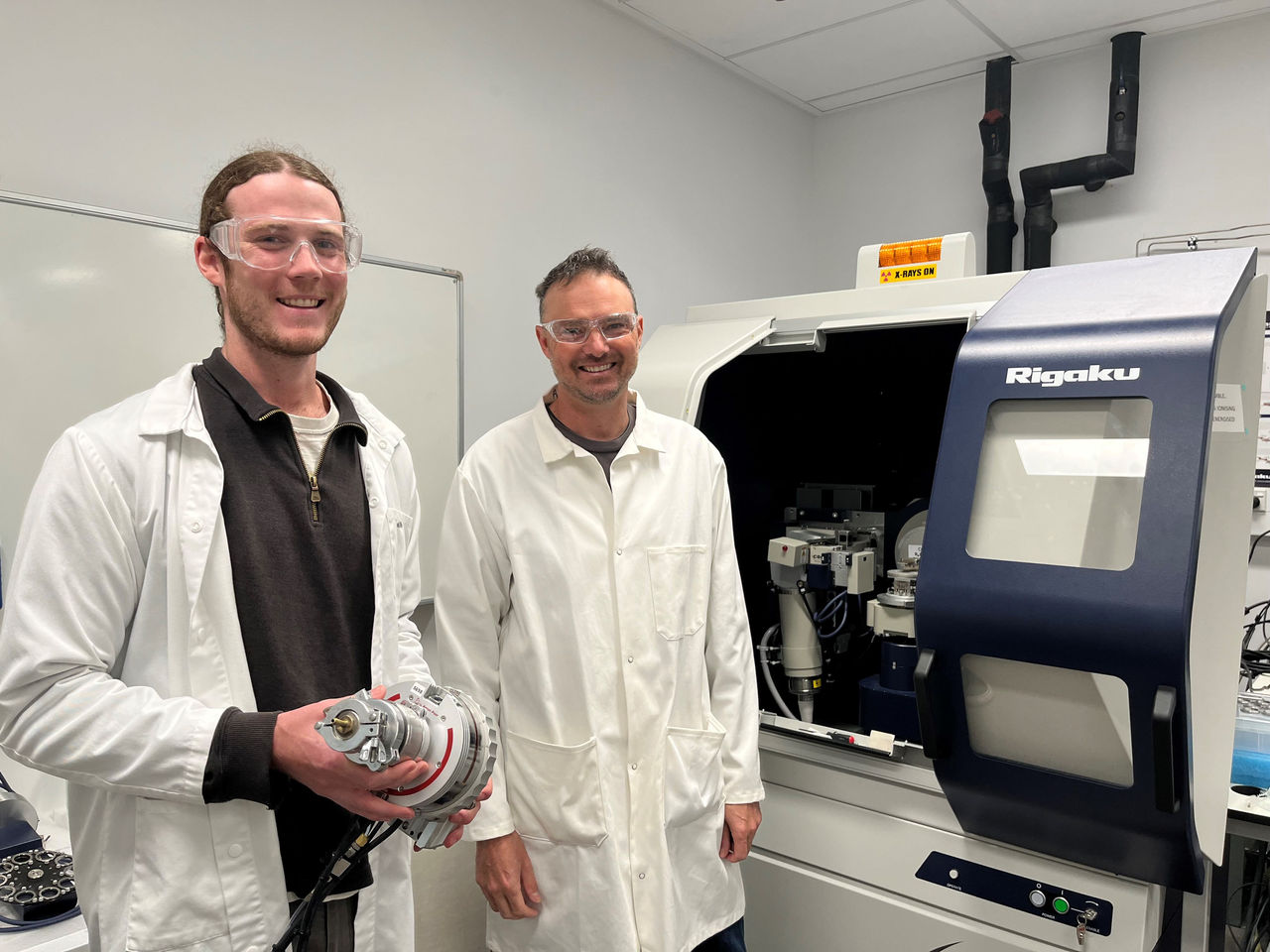
Using an X-ray diffractometer with a temperature-controlled hydrogen environment, McArdle heated his samples to 900 °C to test their suitability for iron making. “There’s some pretty neat techniques that Josh was using, and he was the first to do them here at UC with this new capability that we have, which is cool,” Professor Watson says.
While this research is promising, Professor Watson says the steel industry is hundreds of years old and requires careful steering, suggesting further research is required to demonstrate how using PIRs might work at a larger scale.

 Sustainable Development Goal (SDG) 9 - Industry, innovation and infrastructure.
What to read next
UC geography graduate honoured for global science leadership
UC alumnus Distinguished Professor Emeritus Iain Hay has received a prestigious international Fellowship recognising his contributions to geography and scientific collaboration.

Are Kiwi businesses jumping blindly on the AI bandwagon?
AI doesn’t have to play an inevitably dominant role in our lives, businesses and future, argues a guest speaker for an upcoming UC public lecture.

UC engineering students win international competition
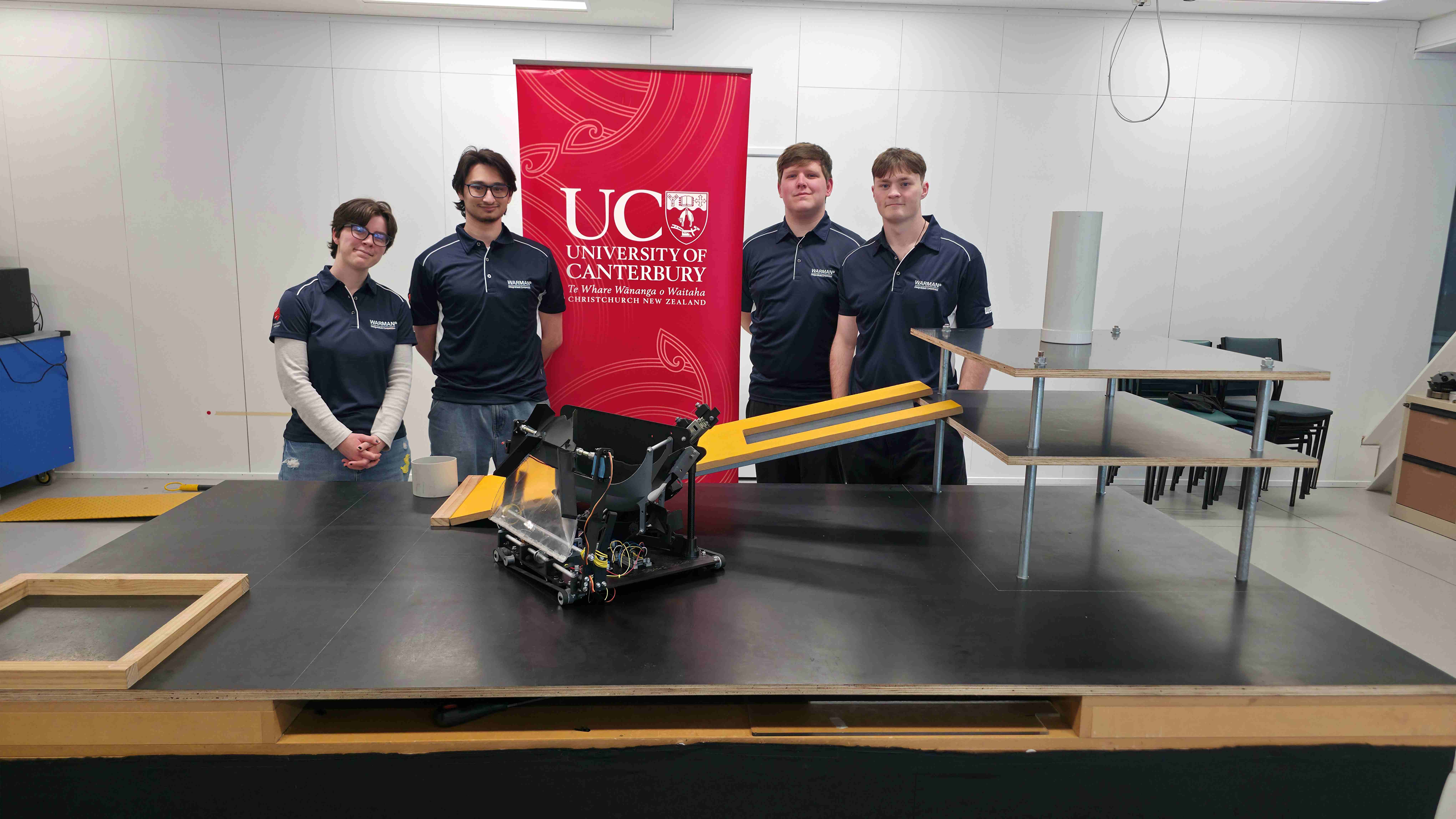
A robot designed to transport rocks automatically has helped four UC engineering students claim an international title.
UC wins national award for employability service
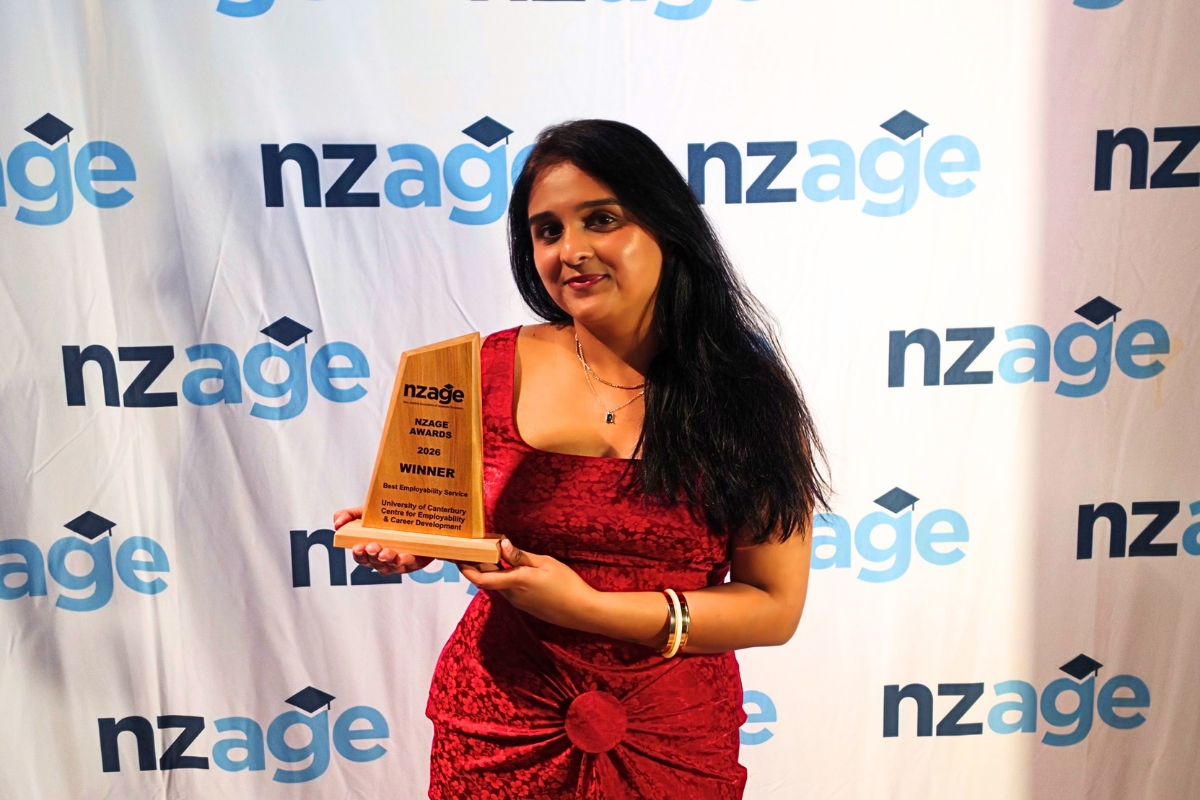
UC has been recognised for excellence in helping students develop career-ready skills and connect with employers.
Fair suppliers strengthen business resilience
Businesses are better able to withstand disruption when suppliers make fair decisions and turn strong relationships into flexible action, UC research finds.
Digital models to help predict natural hazards in Kiwi capital
An innovative project using digital simulations to predict future hazards in New Zealand’s capital city takes its name from science fiction.
UC research challenges how we think autistic children learn
New UC research is challenging assumptions about how autistic children learn language.
Tiny robots, big potential: UC PhD explores new frontier
A UC researcher is pioneering laser-controlled robot swarms thinner than a human hair — work he believes could one day transform medicine and manufacturing.
UC research puts local knowledge at heart of resilience
UC research explores how Pacific Island nations can better use place-based knowledge to strengthen disaster planning and resilience.