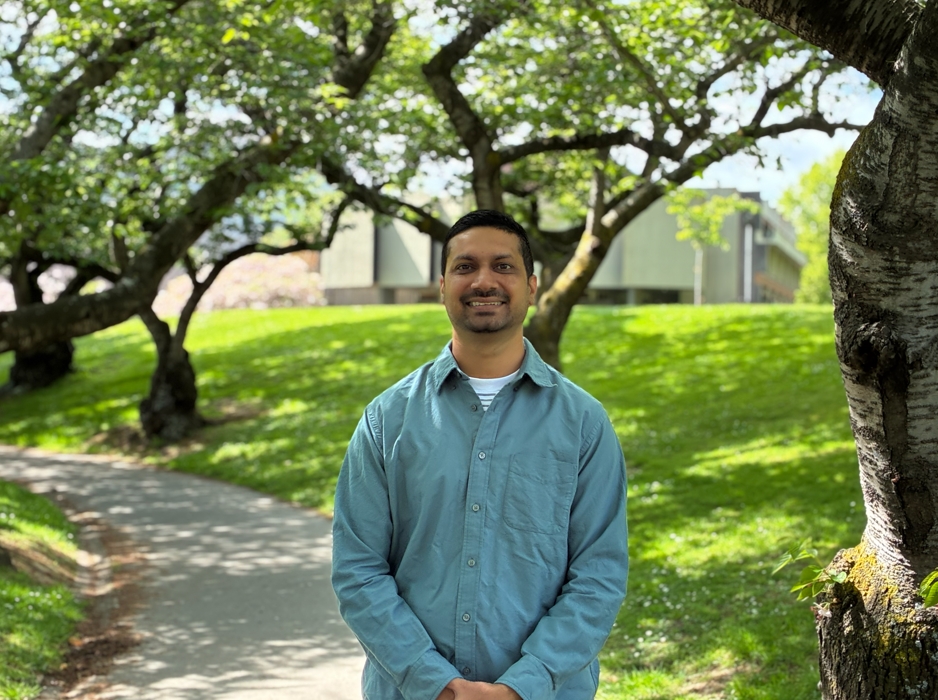


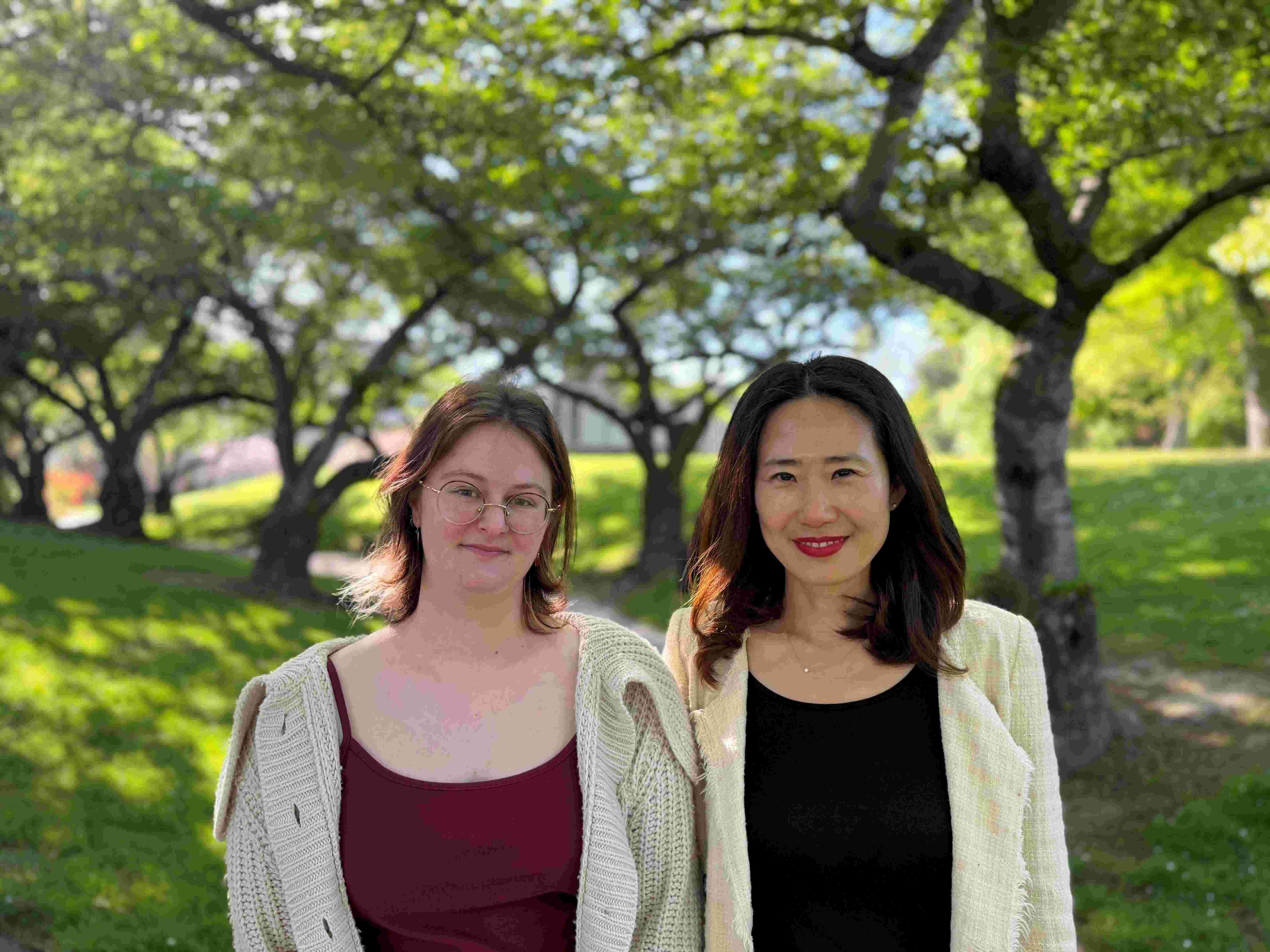
Photo caption: UC Senior Lecturer Dr. Valerie Sotardi
A study of child health and wellbeing has revealed that starting high school and self-identity are the biggest causes of stress for young teens, and a University of Canterbury (UC) | Te Whare Wānanga o Waitaha researcher hopes the results will shape future support services.
The ‘Our Voices’ study sought responses directly from approximately 1000 13-year-old participants about their experiences navigating adolescence in Aotearoa and has already released a series of findings as part of its Summer Snapshot series.
Their families are participating in the Growing Up in New Zealand longitudinal study that aims to better understand the diverse and complex journey young people experience growing up in New Zealand.
The latest report to come from the Our Voices study, ‘Navigating Rough Waters: Support Networks for Youth’ led by UC Senior Lecturer Dr Sotardi, identifies key stressors and how teens overcome tough times. Dr Sotardi, a leading educational psychology researcher in New Zealand, helped identify the most common emotional, social and academic challenges 13-year-olds face, and what help mechanisms they use to overcome those challenges.
“What we found was interactions at school and understanding who you are, and self-acceptance were the most commonly reported challenges,” she says.
The significance of the high school transition was reflected in the teens’ responses. Workload or getting good grades, making new friends, and trying to fit in were the most common sources of stress.
The teens were asked what helped them get through tough times, with nearly three quarters emphasising the importance of family and whānau support, friends, mentors and even social media influencers as key coping mechanisms.
Many of the teens regularly used more than one coping strategy, with a quarter of participants using activities such as gaming to provide a distraction from the stress they were experiencing.
“We found that key social relationships were how the teens coped best, but also distraction and escapism were legitimate forms of coping as well - reading, music and gaming all helped regulate emotion and helped create space for teens to pause and reflect,” Dr Sotardi says.
By showing adolescence as a critical developmental stage that is marked with commonly experienced challenges, educators, community organisations and policy makers can make more informed decisions about future support services.
“There is now the potential to develop programmes that promote positive relationships and reinforce how safe school environments contribute to stronger emotional wellbeing for young people across Aotearoa.”
The Our Voices project was established by Professor Susan Morton at the University of Auckland in 2019 and is now led by Associate Professor Kane Meissel alongside a multidisciplinary team of national and international experts.
The collaborative research programme was designed to utilise innovative research methods and policy partnerships to facilitate closing the wellbeing gap within a generation. The programme leveraged prior investment by building on the extensive information collected from the cohort of children and families participating in the Growing Up in New Zealand longitudinal study.
This research will enable longitudinal studies in New Zealand and internationally to address shared challenges in an era of increasing digital connectivity, and to process such data in a timely way to have increased societal impact.

What to read next
UC geography graduate honoured for global science leadership
UC alumnus Distinguished Professor Emeritus Iain Hay has received a prestigious international Fellowship recognising his contributions to geography and scientific collaboration.

Are Kiwi businesses jumping blindly on the AI bandwagon?
AI doesn’t have to play an inevitably dominant role in our lives, businesses and future, argues a guest speaker for an upcoming UC public lecture.

UC engineering students win international competition
A robot designed to transport rocks automatically has helped four UC engineering students claim an international title.
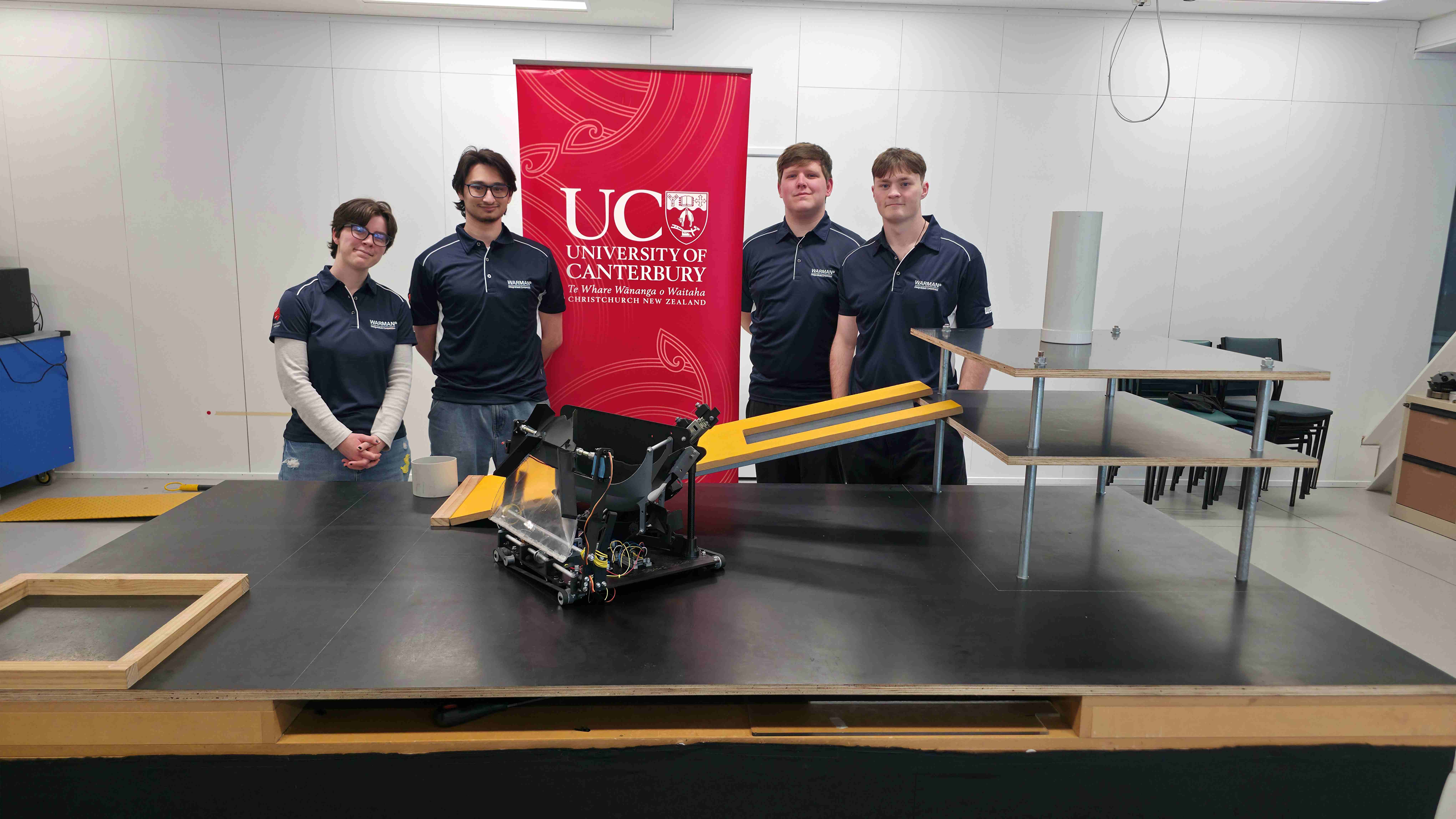
UC wins national award for employability service
UC has been recognised for excellence in helping students develop career-ready skills and connect with employers.

Fair suppliers strengthen business resilience
Businesses are better able to withstand disruption when suppliers make fair decisions and turn strong relationships into flexible action, UC research finds.
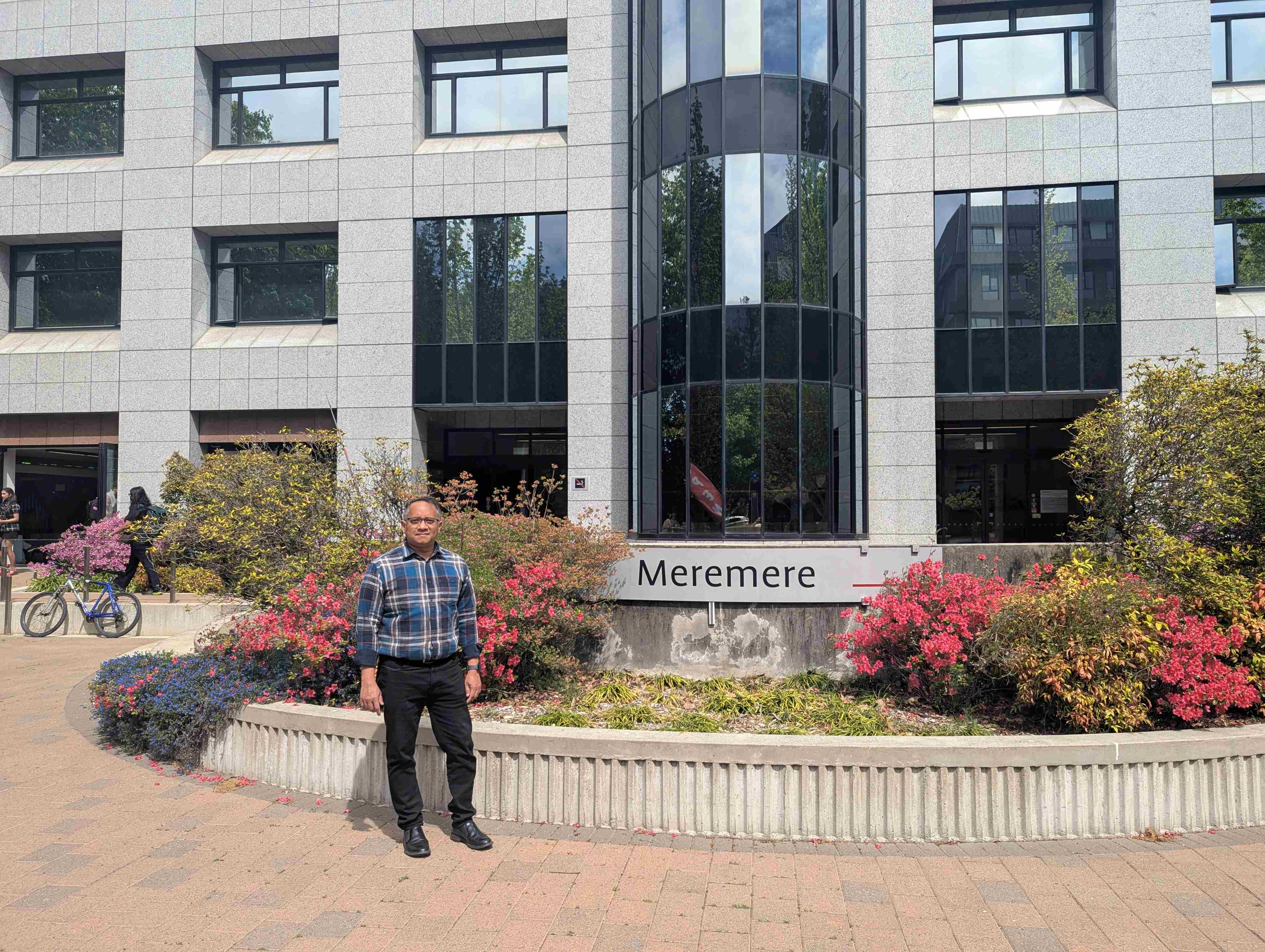
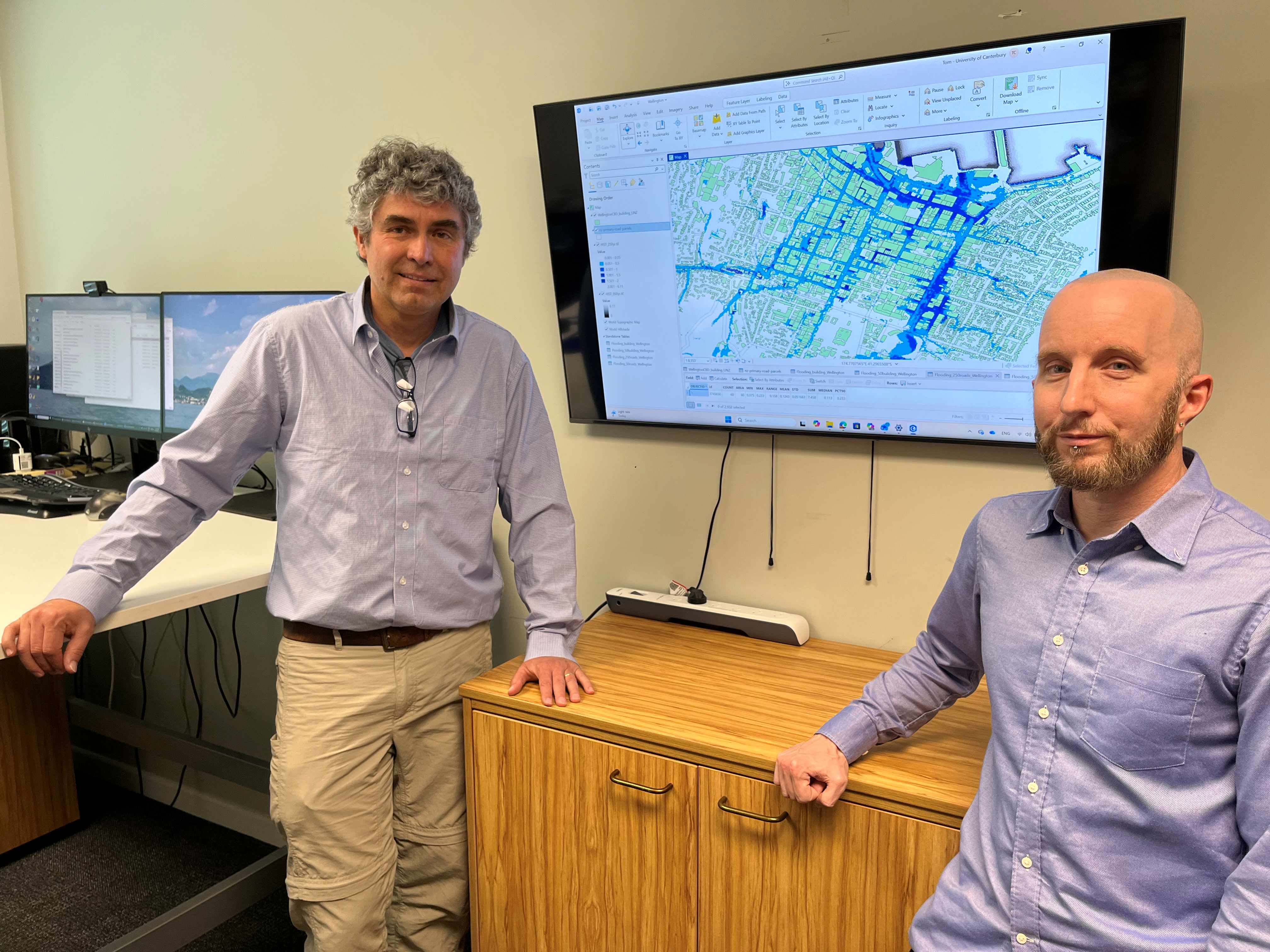
Digital models to help predict natural hazards in Kiwi capital
An innovative project using digital simulations to predict future hazards in New Zealand’s capital city takes its name from science fiction.
UC research challenges how we think autistic children learn
New UC research is challenging assumptions about how autistic children learn language.
Tiny robots, big potential: UC PhD explores new frontier
A UC researcher is pioneering laser-controlled robot swarms thinner than a human hair — work he believes could one day transform medicine and manufacturing.
UC research puts local knowledge at heart of resilience
UC research explores how Pacific Island nations can better use place-based knowledge to strengthen disaster planning and resilience.