

Schist is a type of metamorphic rock, meaning it has undergone processes that change the composition or structure of the rock. Schist can start off as many kinds of rocks, sedimentary or igneous, but the metamorphism it undergoes is what turns it into schist! Schists also have grades, which show how metamorphosed the rock is, ranging from low-grade to high-grade.
Metamorphism comes in a few different forms, including:
- Regional – tectonic forces over a large area from plate boundary faulting and the creation of mountains (orogenic uplift), twist, pull or compress rocks to change them.
- Dynamic – Smaller scale than regional metamorphism, when rocks are twisted and pulled along a faultline.
- Contact – Heat generated by nearby volcanism ‘cooks’ the rocks, forming new minerals and changing the rocks texture and structure.
- Hydrothermal – Similar to contact metamorphism but occurring due to the presence of hydrothermal fluids flowing near or through the rock. Both the heat and chemicals from the water interact with the rock and make changes.
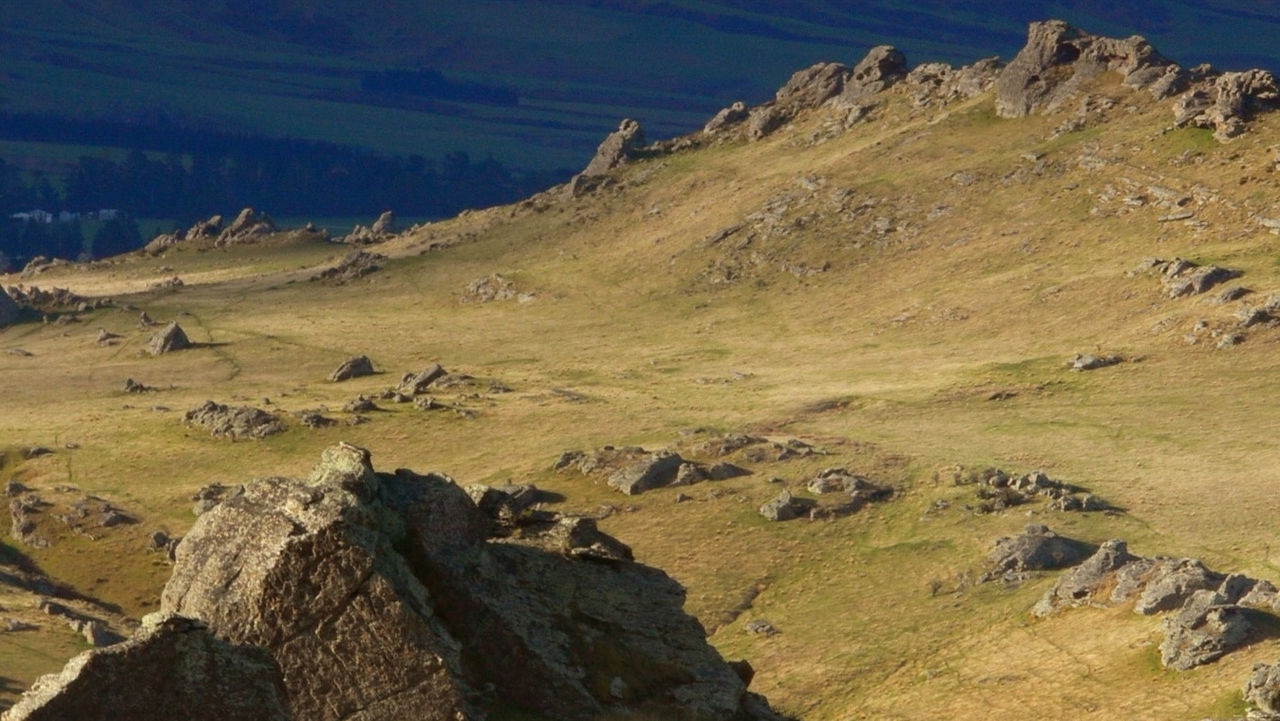
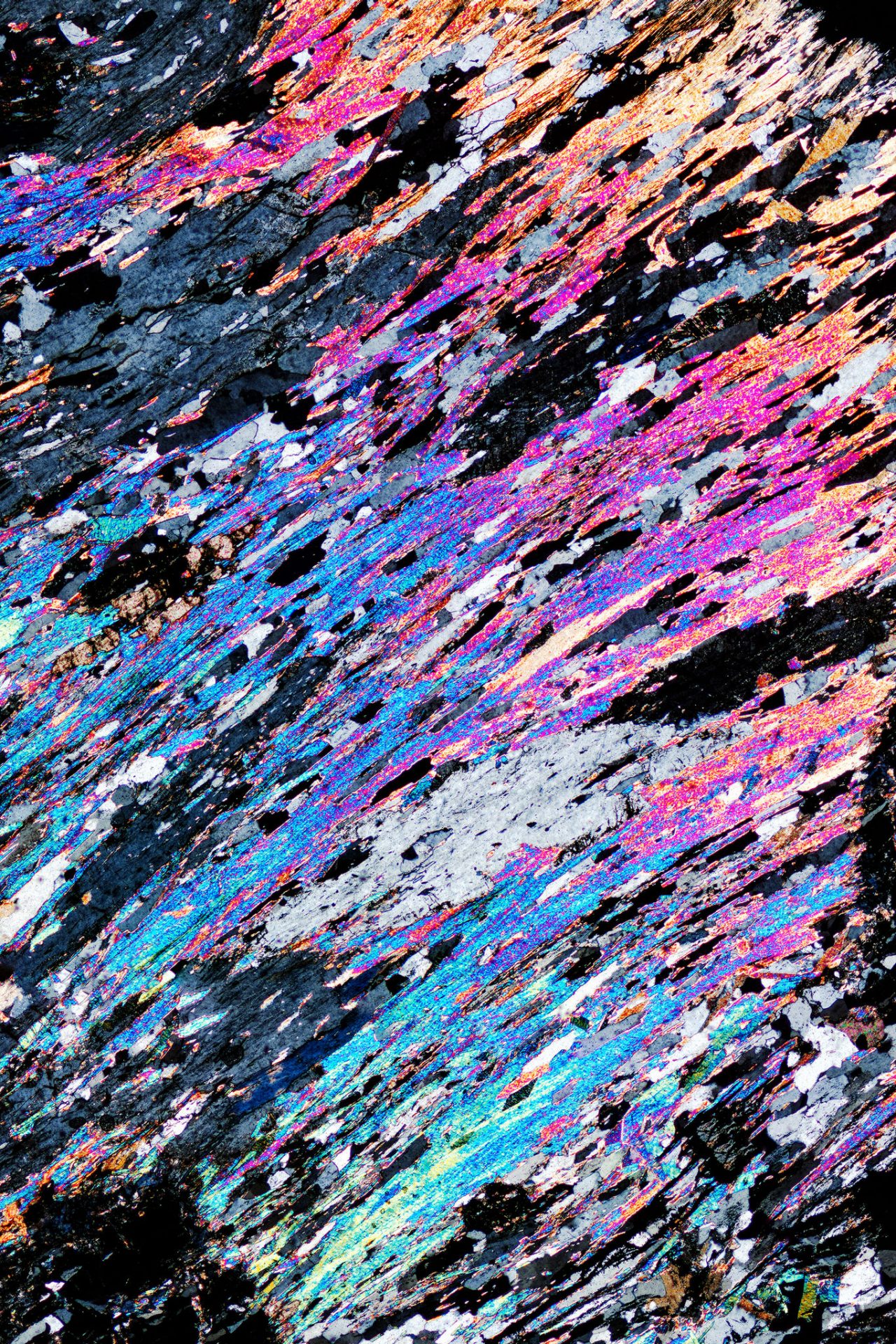
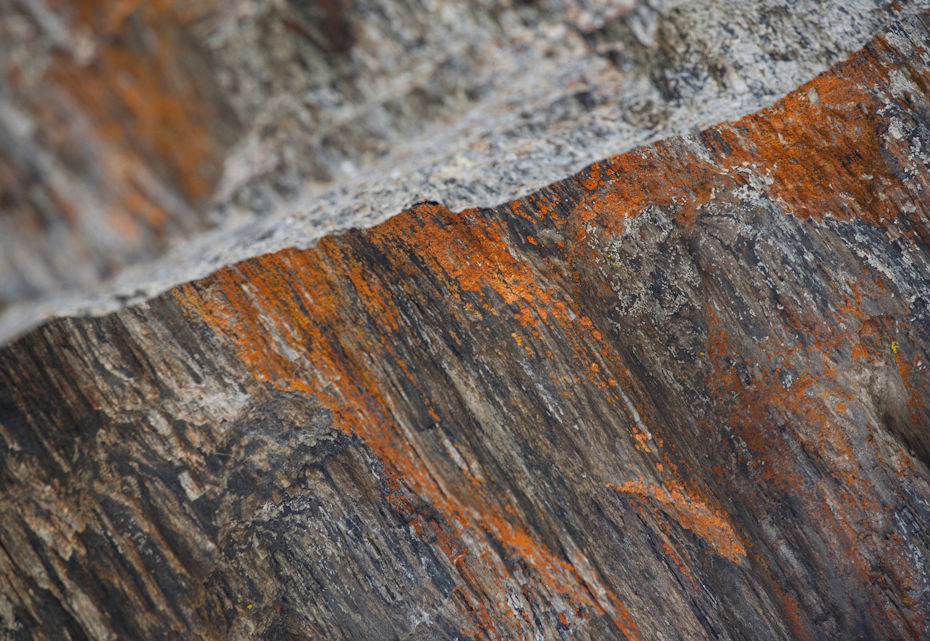
Schist generally occurs through regional metamorphism close to where mountains are being formed and is a medium-grade metamorphic rock. In New Zealand, schist occurs near the Southern Alps, mountains being created by the tectonic plate boundary between the Pacific and Australian plates. Something that make schists unique are their swirling and wavey patterns, known as schistosity. These patterns are formed when heat and compression from burial and pressure make certain minerals recrystallise and align into parallel layers (this is called foliation), which can then be deformed to become wavey!
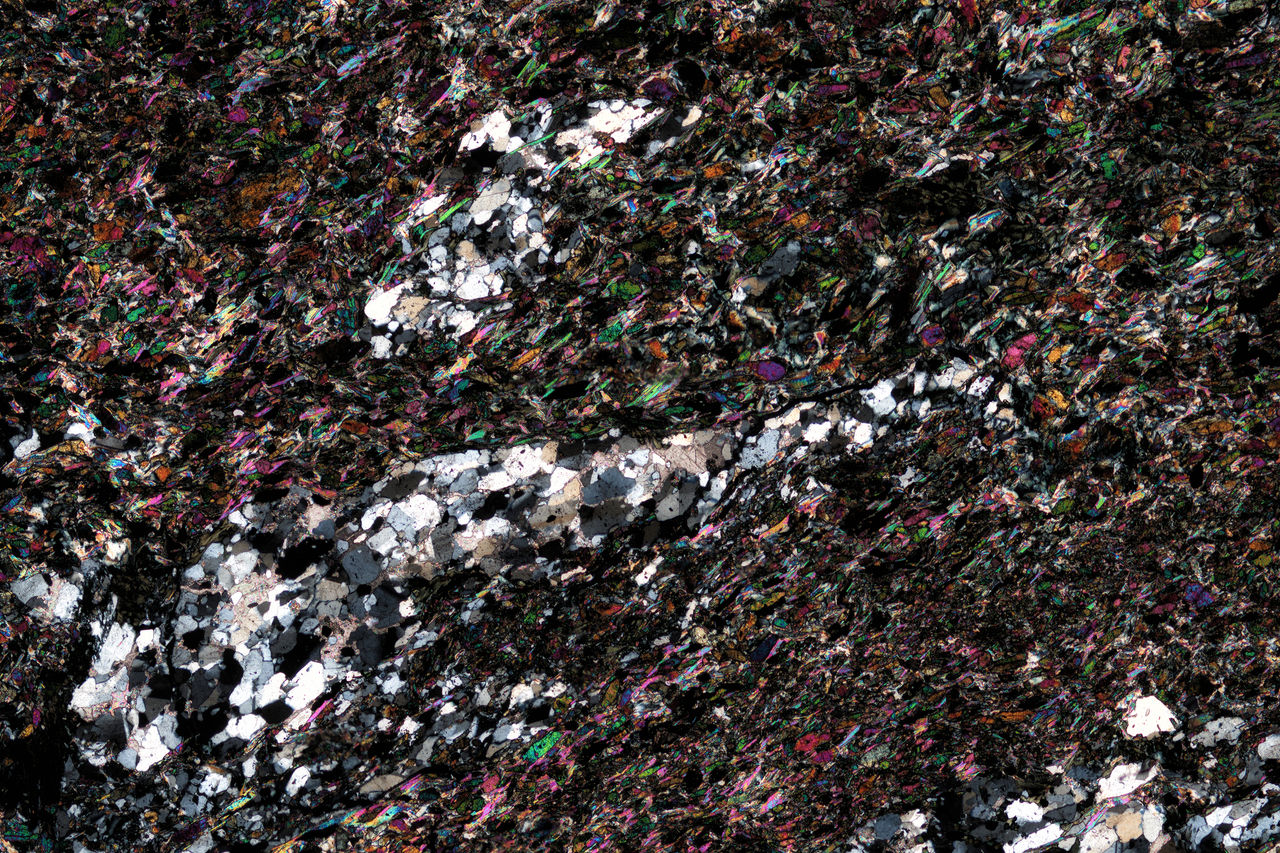
Phyllite is another kind of metamorphic rock, it can be made from the same ‘parent’ rocks as schist, but looks different. It is a low-grade metamorphic rock, meaning it isn’t changed as much by metamorphism as schists. Notice there is no wavey texture here! Phyllite undergoes foliation, the recrystallisation and alignment of minerals, but then metamorphism stops, leaving behind flat layers of different minerals stacked on top of one another.