

This PhD is one of four interconnected, fully funded UC Connect PhD Scholarships co-developed by Te Whare Wānanga o Waitaha | University of Canterbury (UC) and Te Papa Atawhai |Department of Conservation (DOC). Together, these projects investigate the ecological processes that sustain New Zealand's iconic braided rivers—from ecosystem functioning and biological invasions to species persistence and conservation. Successful candidates will join UC's Freshwater Ecology Research Group (FERG), working alongside UC researchers, DOC scientists and a collaborative cohort of PhD students tackling complementary ecological questions with direct conservation impact.
See the other related projects:
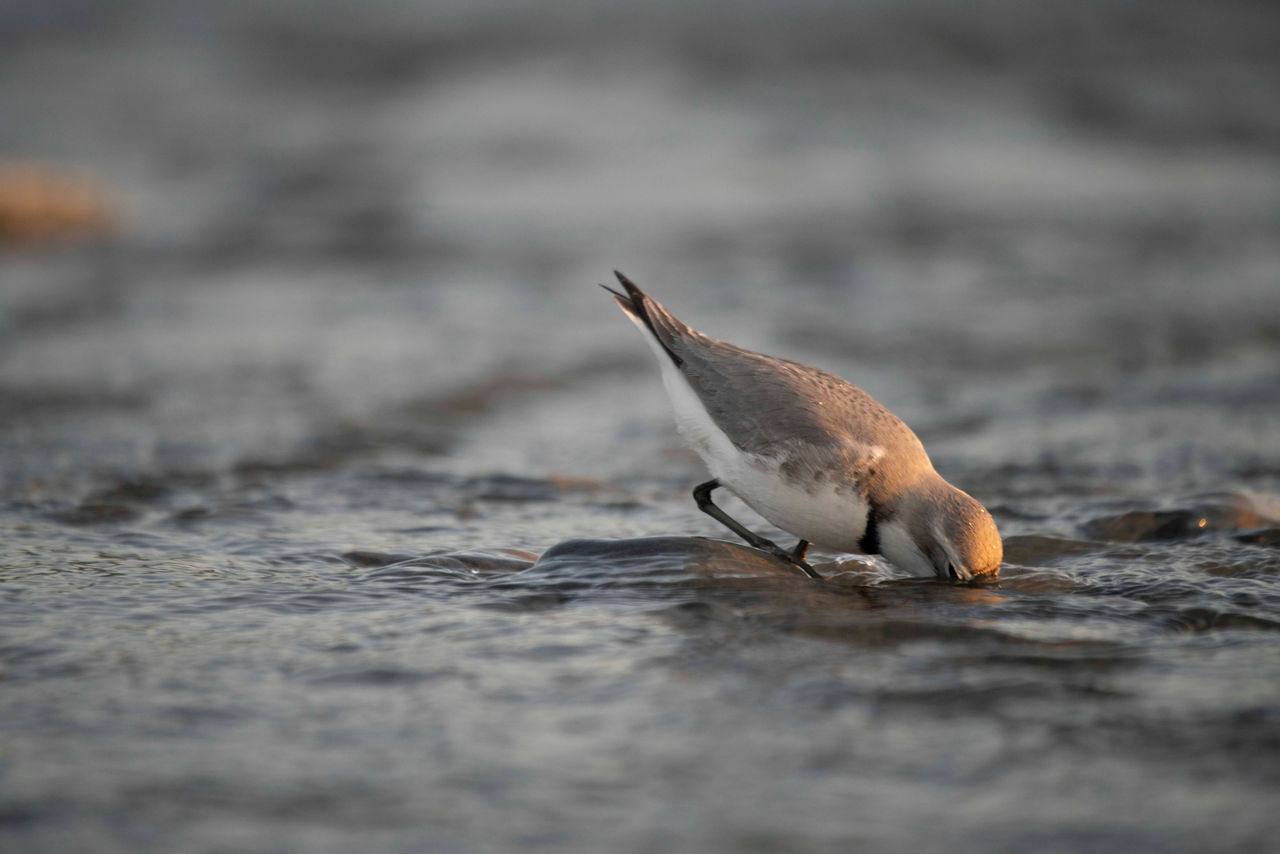
Braided river birds nest on the braidplain but depend on water. River productivity underpins the food webs that sustain many of New Zealand's threatened braided river birds, yet predicting how freshwater processes, terrestrial threats and river dynamics combine to shape bird populations remains a major conservation challenge. Understanding these connections is essential for conserving one of New Zealand's most distinctive and threatened ecosystems.
This three-year PhD will investigate how freshwater processes and terrestrial threats shape braided river bird populations, generating knowledge to guide conservation management, strengthen long-term monitoring and improve evaluation of restoration outcomes.
Using field ecology, spatial analysis and long-term monitoring data, you'll investigate questions such as: how do freshwater processes influence bird abundance and breeding success; how do flow regimes, aquatic food resources, predators and habitat interact to shape bird populations, which factors most strongly influence bird population resilience; and how can this knowledge improve conservation management, monitoring design and evaluation? The project will be refined with the successful candidate to reflect their interests and emerging management priorities.
The research builds on one of New Zealand's most comprehensive braided river bird monitoring programmes, together with hydrological records, and predator management data. These complementary datasets provide an exceptional platform for investigating ecological processes while strengthening long-term conservation monitoring, supported by specialist expertise and technical support from UC and DOC.
This PhD is integrated with DOC's freshwater science and restoration programmes. The successful candidate will contribute to research and the Ngā Awa River Restoration Programme in the Upper Rakitata catchment, working alongside DOC scientists, and partners, including iwi, to deliver research that informs conservation management. You will join UC's Freshwater Ecology Research Group and be supervised by Dr Helen Warburton, Professor Angus McIntosh, and experienced DOC freshwater scientists or other specialists, and be part of a linked science and conservation team. Additionally, The project will also have some field support from DOC, and ideally, given the logistical challenges of fieldwork in the upper Rakitata, the candidate will be able to collaborate with other students.
You'll work at the interface of aquatic and terrestrial ecology, advancing understanding of how freshwater processes shape terrestrial biodiversity while informing evidence-based conservation of New Zealand's iconic braided river ecosystems.
External Research Partner: Department of Conservation
Supervisors
Primary Supervisor: Dr Helen Warburton
Other Supervisor(s): Professor Angus McIntosh
Key qualifications and skills
We are seeking a motivated student with a background in ecology, freshwater science or a related discipline, an enthusiasm for field research and quantitative ecology, and an interest in applied conservation. We welcome applicants with diverse experiences and perspectives, including mātauranga Māori, kaupapa Māori research, community-led conservation, or working across different knowledge systems. Experience with ecological statistics is highly desirable. Skills such as GIS, bird ecology, freshwater ecology, remote sensing or four-wheel driving are advantageous but not essential.
Applicants must meet the University of Canterbury’s PhD entry requirements, hold a current driver’s licence, and be willing to work collaboratively in remote high-country environments.
The successful candidate must be enrolled at UC by 1 May 2027 – earlier enrolments are encouraged.
Does the project come with funding
Per annum: Stipend of $32,650 plus PhD tuition fees. The project has additional funding available towards research expenses.
Funding duration: Three years (360 points)
Final date for receiving applications
15 September 2026 (midnight)
How to apply
This is a UC Connect Scholarship and applications must be made through the Scholarship Portal in your myUC account. Emailed applications will not be considered. Find out more here: University of Canterbury Scholarship Portal - UC Connect - Braided River Resilience: Understanding Ecosystems to inform Conservation
Keywords
Freshwater Ecology; Freshwater Ecosystems; Conservation Biology; Conservation Science; Braided Rivers; River Ecology; Ecosystem Ecology; Ecosystem Functioning; Ecosystem Services; Invasion Ecology; Biological Invasions; Invasive Species; Aquatic-Terrestrial Ecology; Disturbance Ecology; Restoration Ecology; Freshwater Restoration; River Restoration; Biodiversity; Food Web Ecology; Aquatic Plants; Macrophytes; Plant Ecology; Freshwater Fish; Threatened Freshwater Fish; Bird Ecology; Threatened Birds; Threatened Species; Population Ecology; Spatial Ecology; Landscape Ecology; River Connectivity; Ecological Theory; Quantitative Ecology; Field Ecology; Conservation Monitoring; Environmental Monitoring; Environmental Science; High-country Springs; New Zealand; Galaxiid; Upland Longjaw Galaxias; Wrybill; Black-fronted Tern; Banded Dotterel; Erythranthe guttata; Monkey Musk; Nasturtium officinale; Watercress; Taonga species; Wai Māori, Awa, Rakitata; mahinga kai; Mahika kai; ki uta ki tai