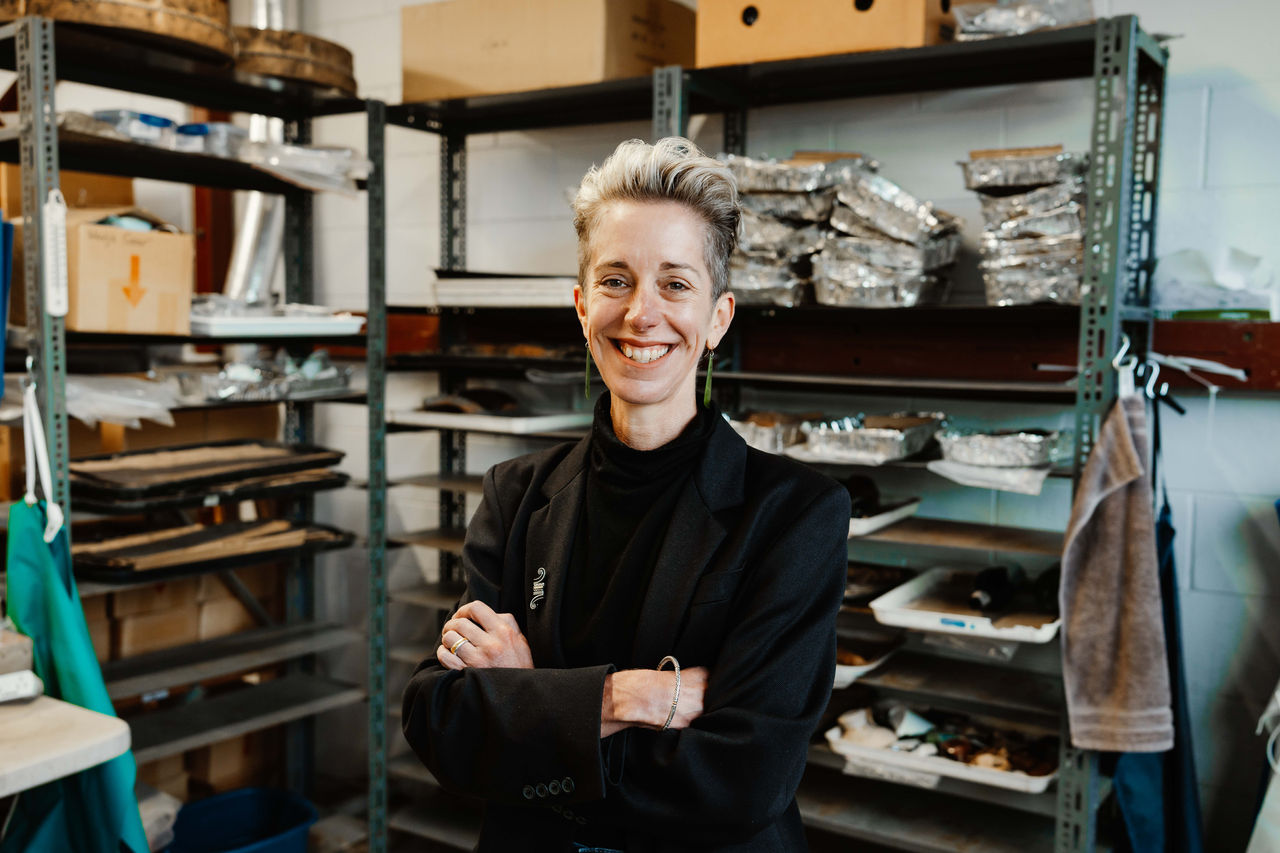
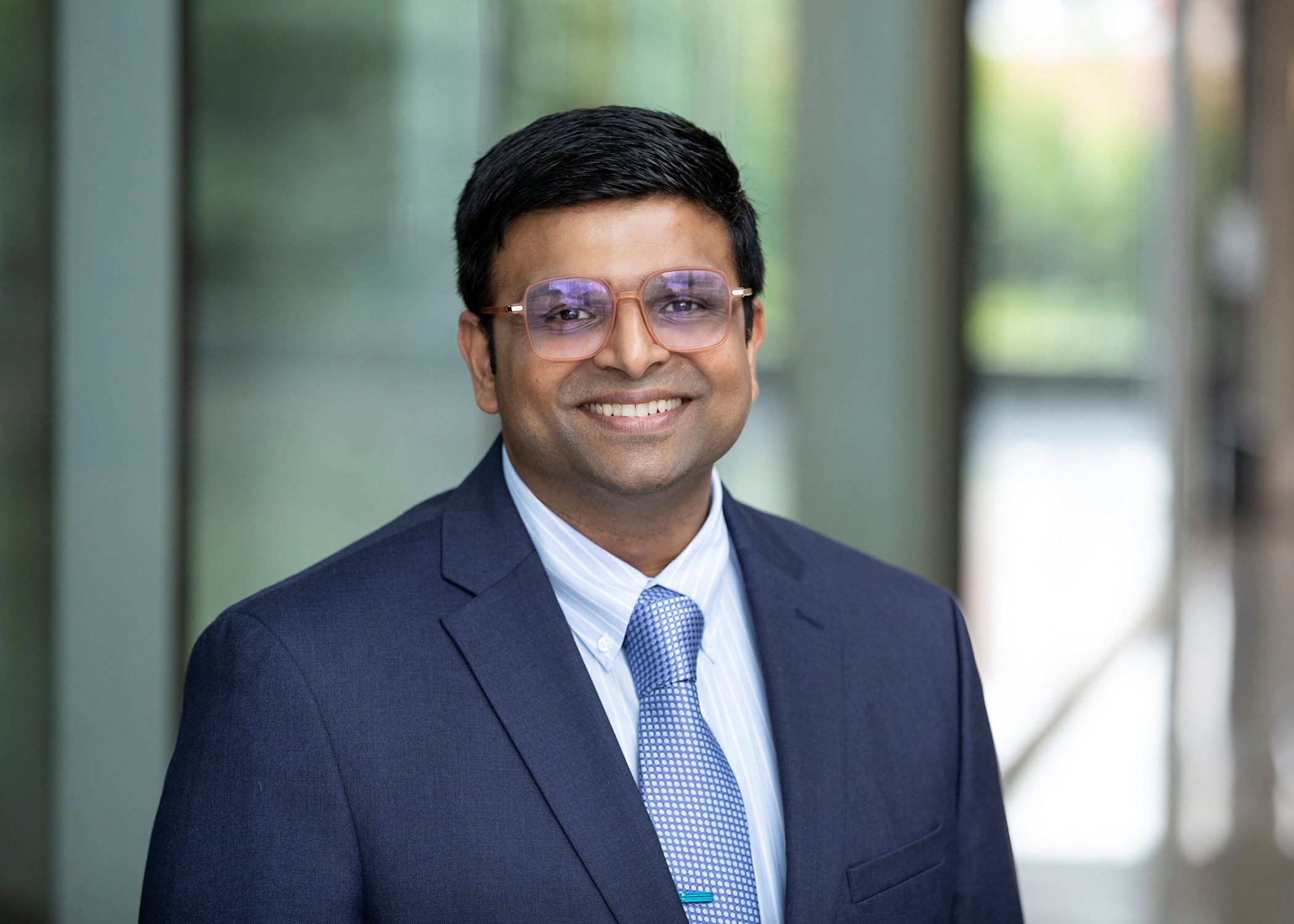
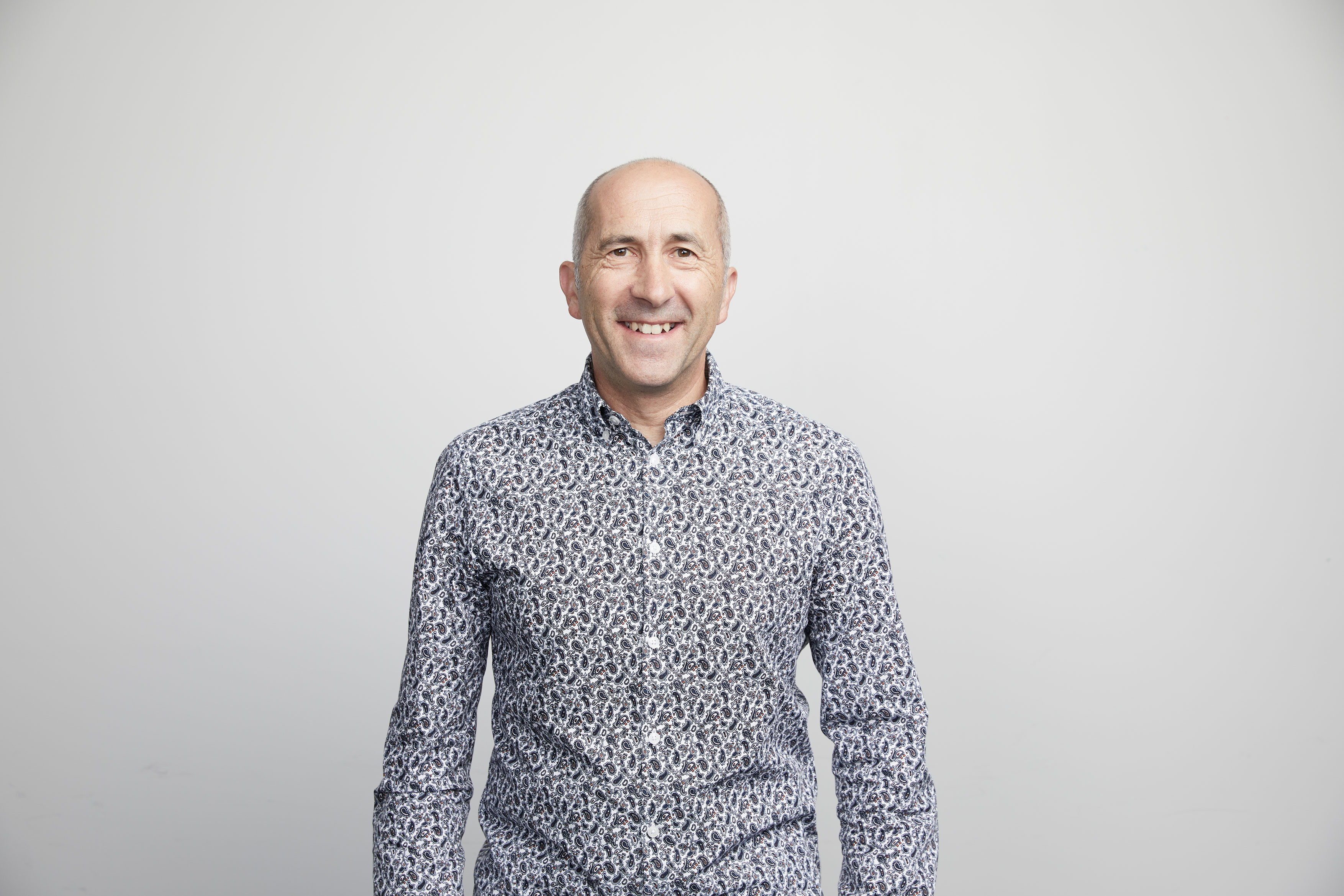
Katharine is an archaeologist with over 20 years of experience in the field. When the earthquakes struck Canterbury, she was one of the few people in the city doing archaeological work, founding and running Underground Overground Archaeology. She sold the company in 2017 and embarked on her PhD here at UC. She is now Chair of the Christchurch Archaeology Project, an organisation passionate about understanding and protecting Aotearoa's archaeological heritage.
What first sparked your interest in archaeology and history? And what led you to pursue your PhD at UC?
I honestly couldn't tell you what sparked my interest in archaeology - terrible answer, I know! It's just what I've always wanted to do. In general, I'm a pretty curious person, I love learning about different times, places and people, and I love the sense of discovery - and detective work - that are part of archaeology. I also love that it's not just desk-based, you get to do this work outdoors! And I love that archaeologists work with material, tangible things. In terms of doing my doctoral study at UC, it was the chance to work with Katie Pickles, whose work and perspective on Ōtautahi Christchurch's past I've long admired.
Could you tell us a bit about the Christchurch Archaeology Project and your upcoming exhibition Cathedral Square Unearthed?
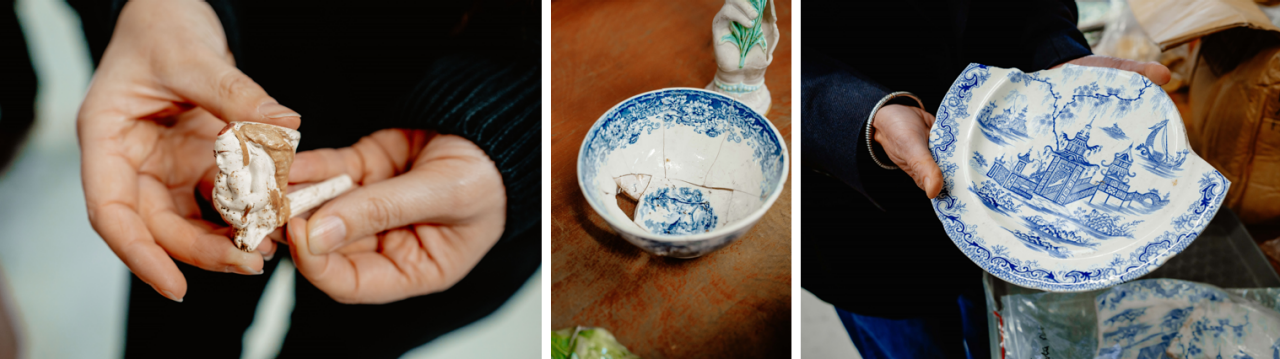
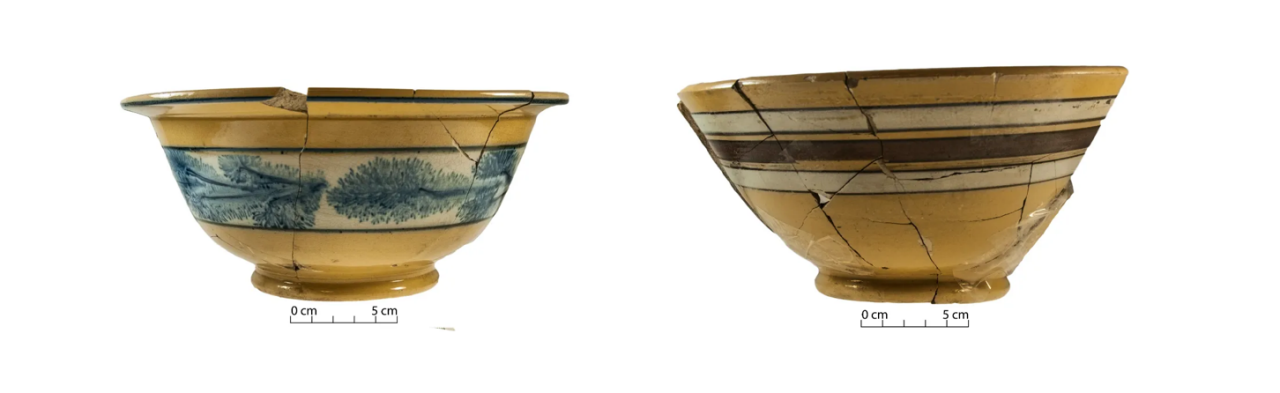
Christchurch Archaeology Project is a not-for-profit I set up with two friends and colleagues, to save, share and resaerch Ōtautahi Christchurch's archaeological heritage. We hold an internationally significant collection of archaeological material from the city and surrounding areas and we want to realise the full potential of this, by sharing it with the people of Christchurch through a range of outreach projects and by carrying out research to better understand the city's past and its place in the world. The Cathedral Square Unearthed exhibition is part of this mahi. It's being held in Christ Church Cathedral, 16-22 February 2026, and showcases the stories of the people and businesses associated with the square, from Ngāi Tūāhuriri's presence through to the men, women and children who lived and worked there in the 19th century, all told through the archaeology we've uncovered.