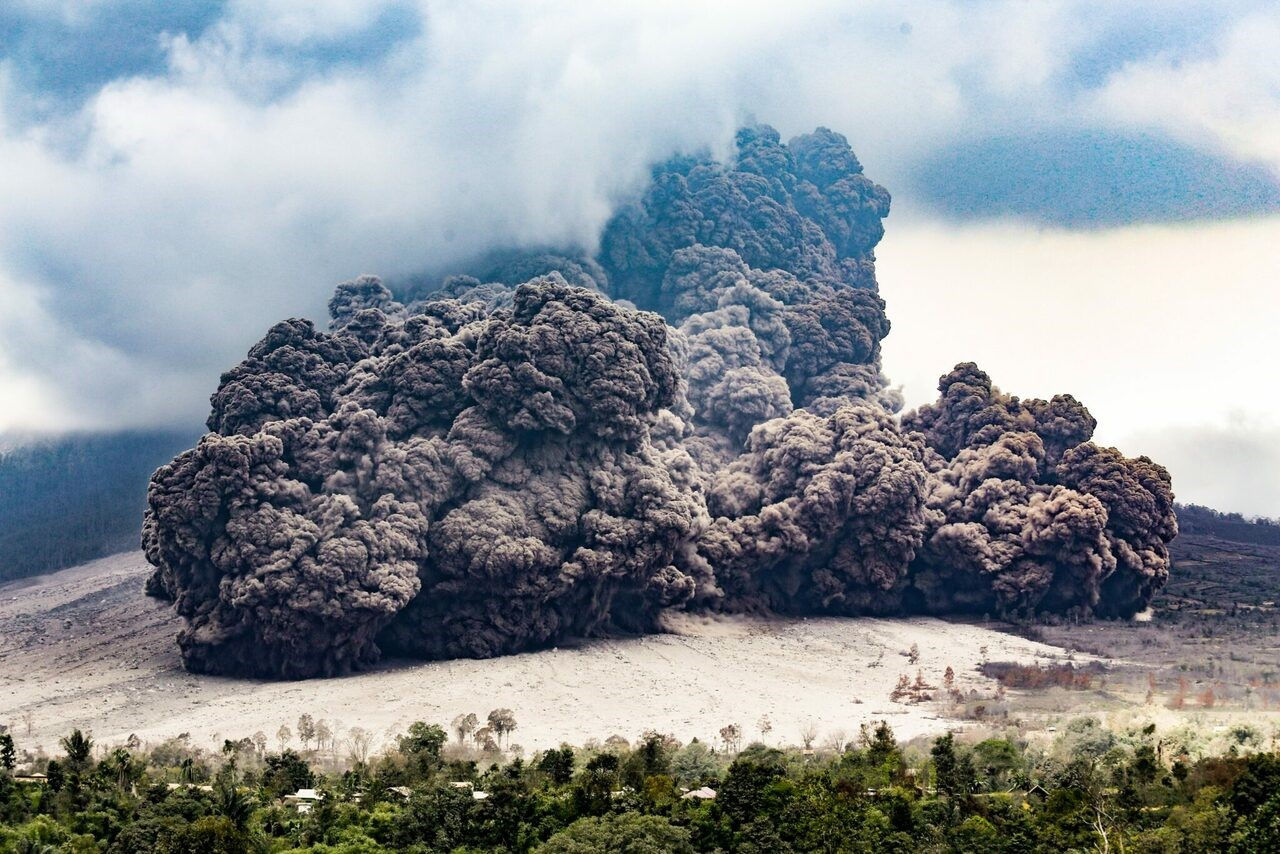


Hazardous mass movements, including pyroclastic density currents (PDCs) and snow avalanches, produce seismic and acoustic signals, which can be used to detect, monitor, and characterise flow properties. However, much remains unknown about how the flow's physical properties relate to the observed geophysical signals.
We are advertising for a PhD student to perform large-scale numerical simulations of mass movements using MFIX, which has previously been used for modelling PDCs (see here for an example: https://doi.org/10.1029/2021JB022442). The PhD student will run the MFIX simulations and couple them to wave propagation models to simulate seismic and acoustic signals generated by the mass movement.
The University of Canterbury PhD scholarships are for 3 years at NZ$35,000 + tuition fees and student levies. The New Zealand system is entirely research focused with no coursework during the PhD program.
The successful candidate should expect to start by August 2026.
Supervisors
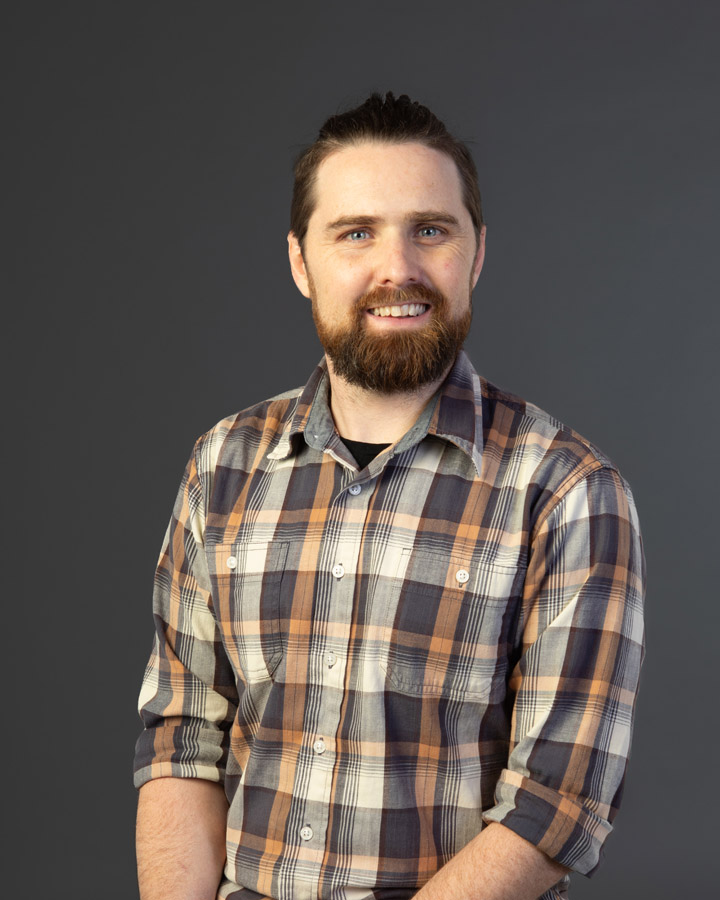
Primary Supervisor: Leighton Watson
Key qualifications and skills
This project will involve running large simulations on high-performance computing environments. Prior knowledge/experience working in these environments will be beneficial as well as an understanding of computational fluid dynamics. Prior experience with MFIX would be highly advantageous. The project will also involve applying complex mathematical methods to the simulation outputs, such as the integral representation to calculate acoustics. Hence, the student will need a comprehensive mathematical background.
Does the project come with funding
Yes:
- Scholarship for 3 years at NZ$35,000 + tuition fees and student levies.
Final date for receiving applications
Ongoing
How to apply
The PhDs are open to all qualified candidates irrespective of nationality. To apply, please contact leighton.watson@canterbury.ac.nz by email with the subject line “Modelling PhD” and provide the following: • A one-to-two-page cover letter explaining why you are interested in this project, what are your career aspirations, and how will doing this PhD assist you in achieving those goals. Including a description of your experience with high performance computing, computational fluid dynamics, and mathematical expertise. • Your CV and copies of undergraduate/masters academic records (note that these do not need to be “official” versions at this stage) • Contact details for two academic references • A writing sample. For example, this could be a prior publication or report from a class project.
Keywords
volcano; pyroclastic density current; natural hazards; computational fluid dynamics; modelling