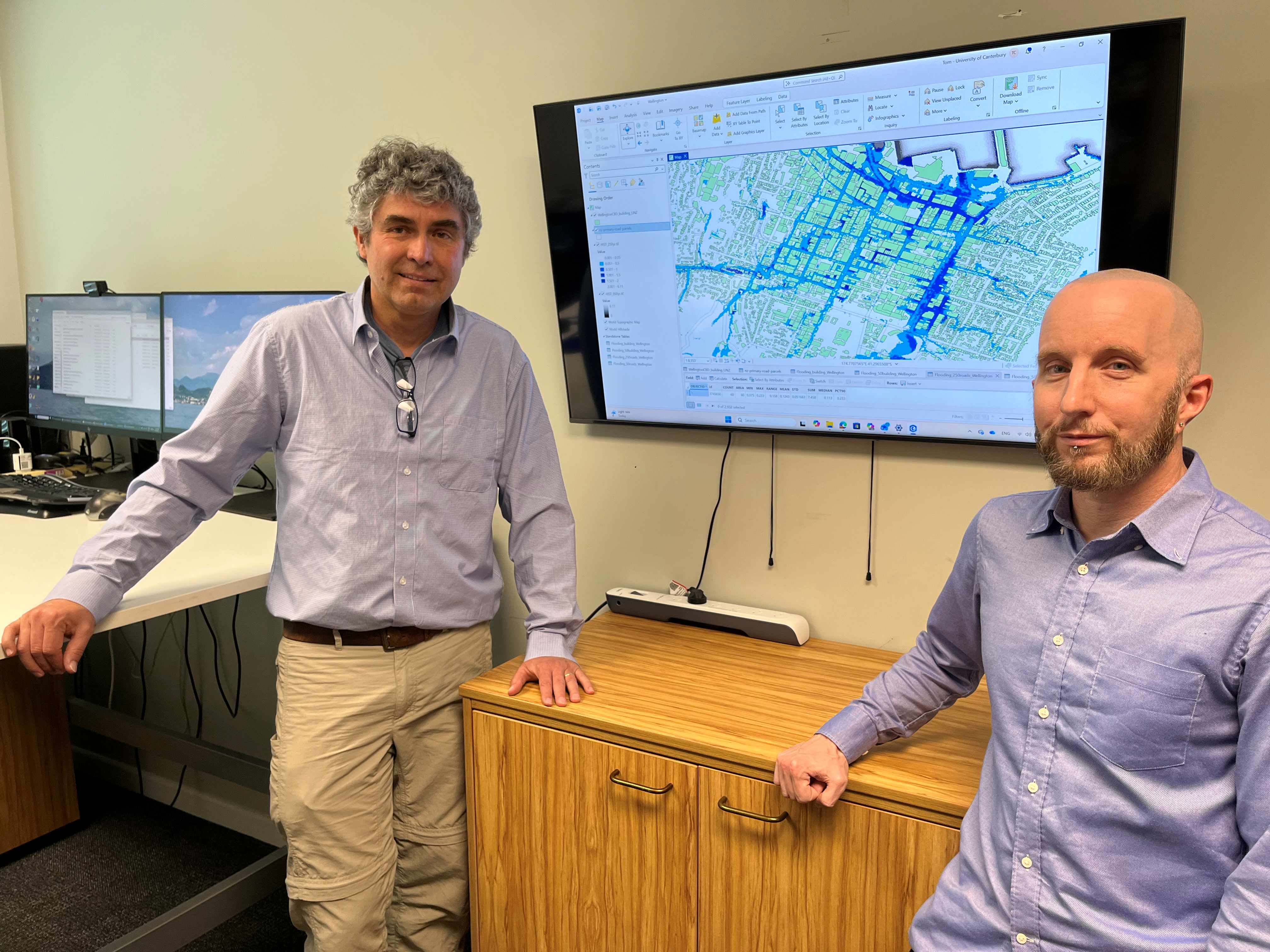


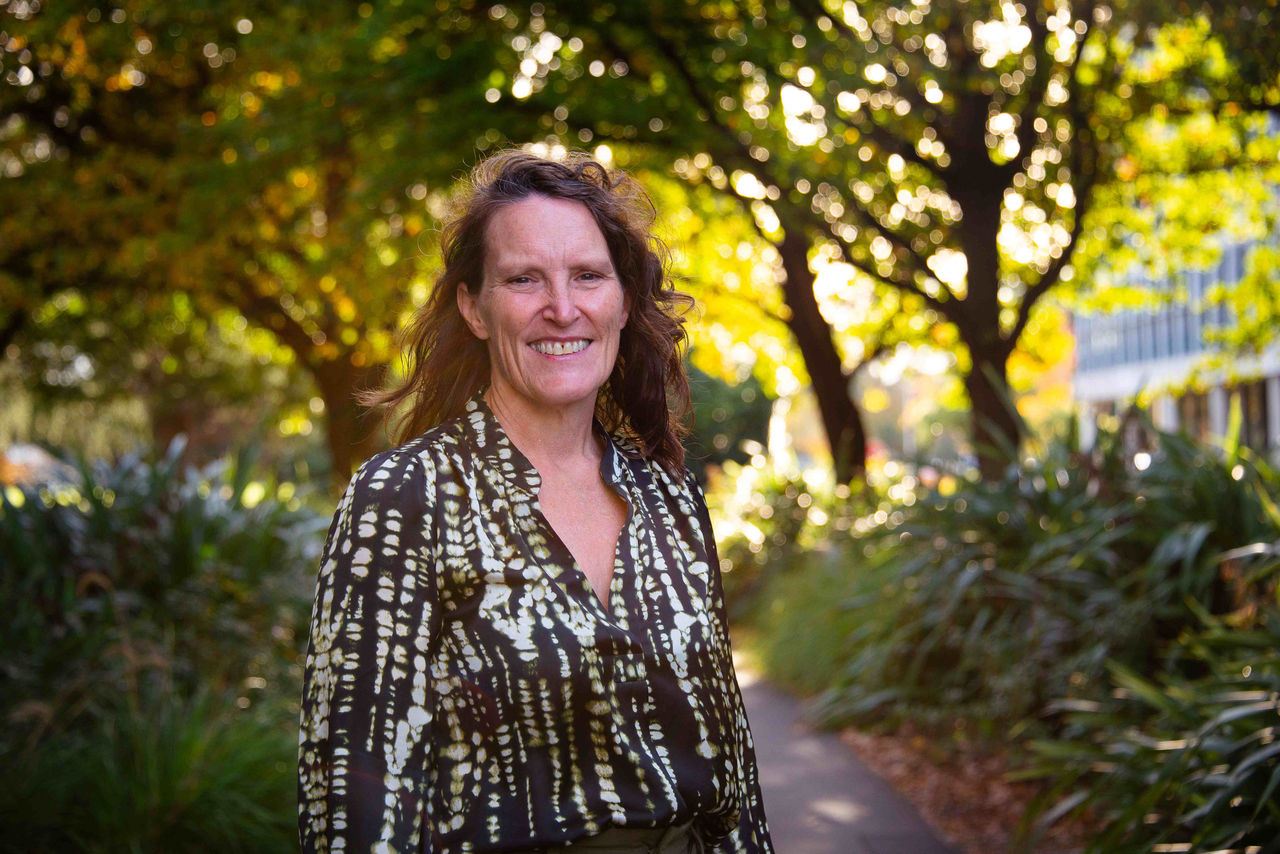
The keen multisport competitor’s day job is Tumu Tuarua Akoranga | Deputy Vice-Chancellor Academic (DVCA) at Te Whare Wānanga o Waitaha | University of Canterbury (UC). In this role she holds responsibility for leading the University’s teaching and learning strategy. In a nutshell, her goal is to help students stay at university and thrive while they’re here.
After completing her first Half Ironman events earlier this year in Tauranga and Wānaka, she knows first-hand that success takes hard work and a good support crew.
“Sometimes I do some of my best thinking when I’m out on a long run or ride,” she says. “Often I might be faced with some challenge at work and by the time I’ve gone for a run, or a ride, and I’ve slept on it, the next day I have a sense of how I’m going to tackle it. So that’s been really helpful.”
Along with her high-energy pursuits outside of work, Professor Moran’s academic background has also given her a unique understanding of how to support students to learn and succeed.
Born in Canada, she has a Master of Science degree from the University of Western Ontario and she worked clinically as a speech and language therapist there for several years. She later researched how head injuries in adolescents affect their ability to learn language and says this has been a useful foundation for her current role.
“I learned how memory and context can both facilitate or constrain learning, and that’s carried over to how I think about learning today for all our students.
“As DVCA I’ve been, along with my colleagues, very interested in student success. That’s about understanding how our systems facilitate or constrain success in our students. So, it’s about scaffolding; bringing our students to the next level and having an opportunity for them to succeed.”
Professor Moran moved to New Zealand in 1995 after being drawn here by her interest in travel and outdoor pursuits. She completed a PhD in Speech and Language Therapy at the University of Canterbury in 2002.
She has been DVCA at UC since 2019, after holding several other senior leadership roles, and is proud of what her team has achieved in terms of improvements across the board in student success. “There are a couple of really big initiatives that I oversee in my portfolio. One of them is our Kia Angitu | Student Success Programme which is a collection of initiatives really focused on boosting first-year success, because we’ve found that the first year at university is critical for future achievement.”
UC is now taking part in a Tertiary Education Commission-funded project aimed at scaling up the Kia Angitu programme, not only at UC, but across the higher education sector in Aotearoa.
“UC was awarded the grant and we are partnering with Victoria University of Wellington to trial a programme of student success that we can roll out to the sector. That’s been really exciting to be part of,” Professor Moran says.
“UC Online has been another fantastic initiative and we’re seeing some real wins there. Our Master of Health Sciences Nursing programme in the UC Faculty of Health is one of the fastest-growing in New Zealand and it means students can stay where they live and still study.
“I think UC is in good heart and we’re a very responsive, agile and innovative university.”
Her advice to other aspiring leaders, particularly women, is to remember to be themselves.
“For young women leaders, I would say, be yourself, be authentic, be brave with your decisions and don’t feel you have to know everything. To all young leaders, I would say, take advantage of the knowledge and experience of the people around you.”
While she’s currently training for an upcoming triathlon, Professor Moran also has clear goals for the future at UC. She says the rise of artificial intelligence (AI) is already driving changes to teaching and assessment and throwing up new challenges. “We’re continuing to learn as a result of that. It keeps it exciting.
“I want to see UC’s accessible, flexible and future-focused strategy be realised. I want students to experience lifelong learning, and I want them to be able to embrace and harness the new technology that’s coming to the fore. I want UC to be really responsive to that and leading the way in our curriculum innovations.”
 Sustainable Development Goal (SDG) 4 - Quality Education.
What to read next
UC celebrates its Manaaki New Zealand scholar
After completing their studies at the University of Canterbury, 15 Manaaki New Zealand scholars are preparing for the next chapter of their journeys.

NZ study reveals gaps in women's heart healthcare
A review of 25 years of New Zealand research has revealed significant gaps in women's heart healthcare, highlighting opportunities to improve diagnosis, treatment and outcomes.

History goes hi-tech at Awaroa Godley Head
The University of Canterbury's HIT Lab is helping Awaroa Godley Head visitors enjoy a more immersive experience of the World War II heritage site.

UC geography graduate honoured for global science leadership
UC alumnus Distinguished Professor Emeritus Iain Hay has received a prestigious international Fellowship recognising his contributions to geography and scientific collaboration.

Are Kiwi businesses jumping blindly on the AI bandwagon?
AI doesn’t have to play an inevitably dominant role in our lives, businesses and future, argues a guest speaker for an upcoming UC public lecture.
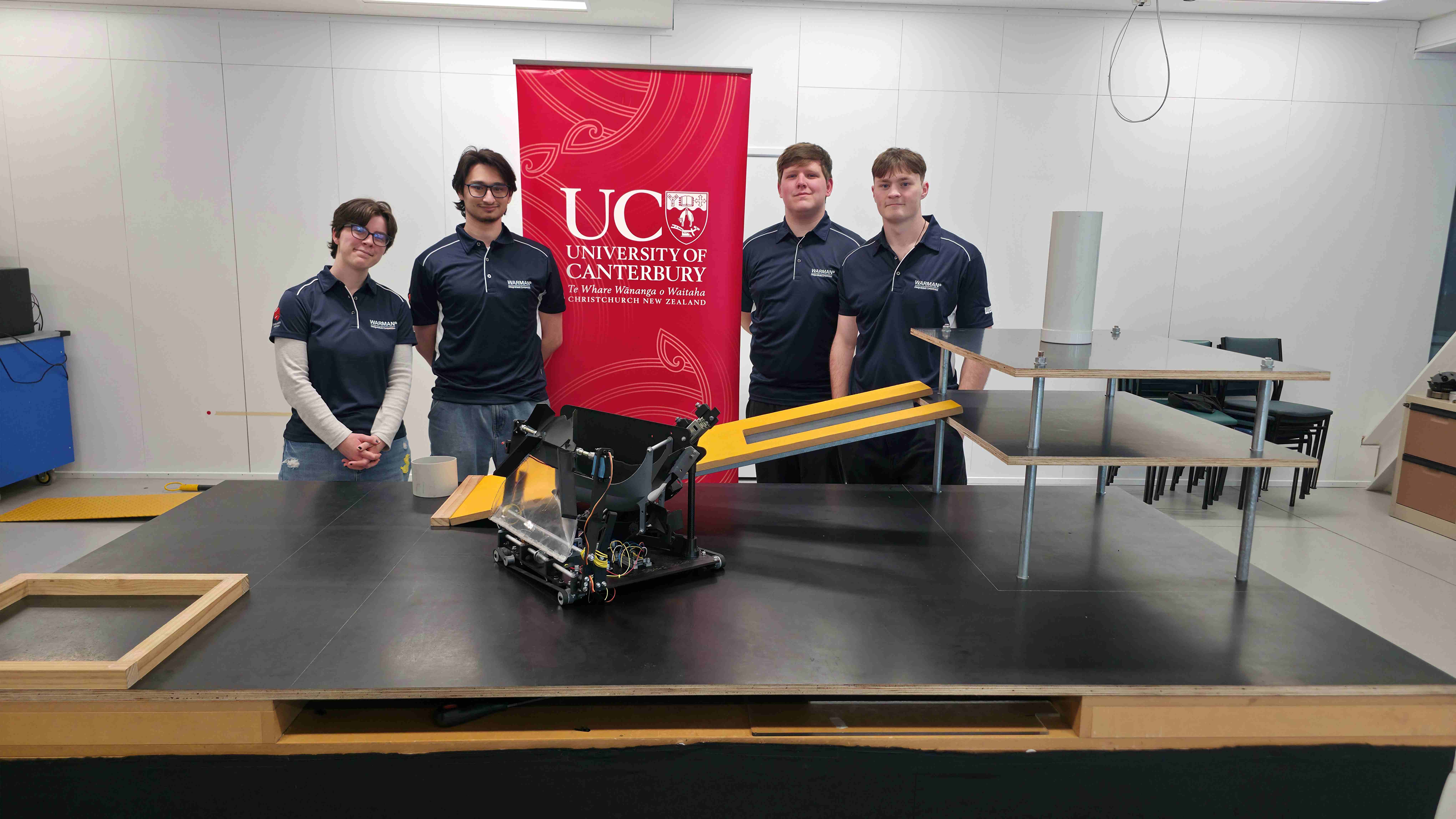
UC engineering students win international competition
A robot designed to transport rocks automatically has helped four UC engineering students claim an international title.
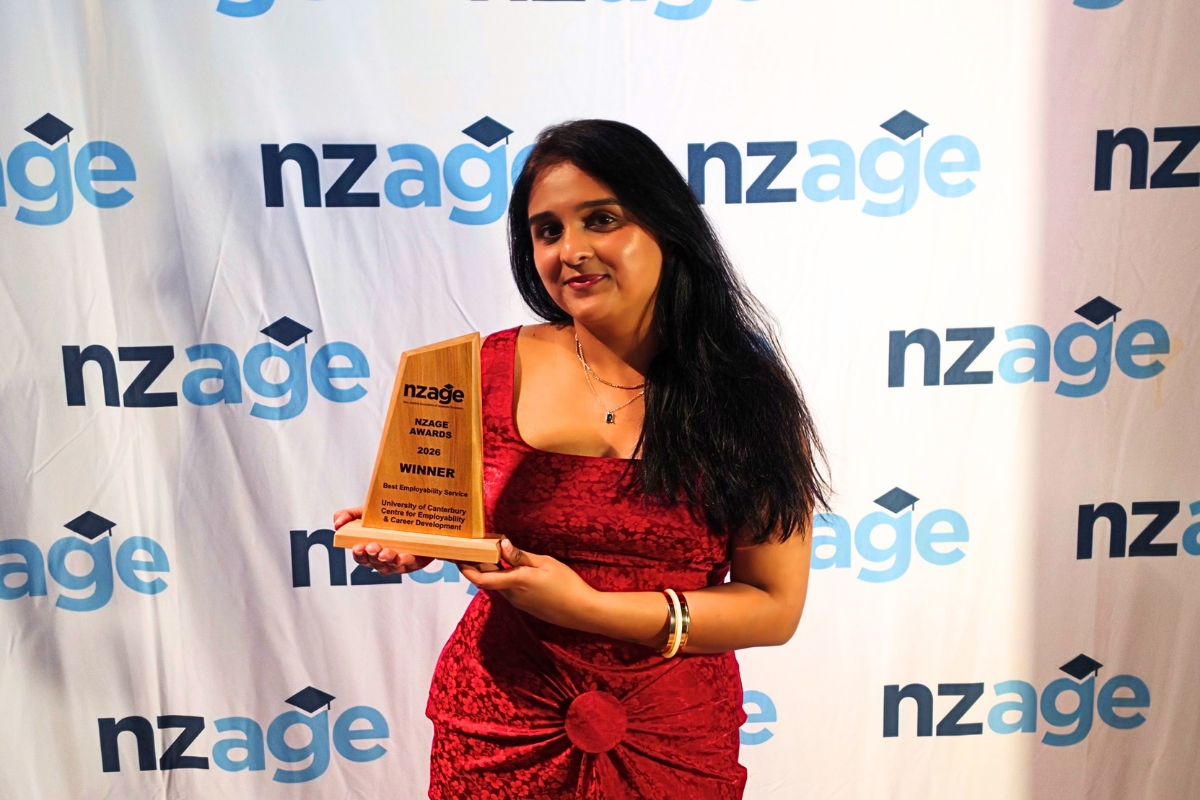
UC wins national award for employability service
UC has been recognised for excellence in helping students develop career-ready skills and connect with employers.
Fair suppliers strengthen business resilience
Businesses are better able to withstand disruption when suppliers make fair decisions and turn strong relationships into flexible action, UC research finds.
Digital models to help predict natural hazards in Kiwi capital
An innovative project using digital simulations to predict future hazards in New Zealand’s capital city takes its name from science fiction.