Always a keen sportsman, Jack Mann returned to his home town Christchurch to become an itinerant advisor in physical education to the Canterbury Education Board after completing a Physical Education Course at Dunedin Teacher’s Training College in the 1940s.
He became a popular figure in this capacity as he travelled around primary and secondary schools at the same time as he undertook university studies at the University of Canterbury as a part time student. He received his BA in 1952 and an MA with first-class honours in psychology in 1954.
He then taught at the Christchurch Teacher’s College and the Heaton North Intermediate School before being appointed as a lecturer back at the College in 1958 where he quickly earned a reputation for his talent and skill in front of a class.
An Imperial Relations Fellowship to the London Institute of Education saw him in England for the next two years where he earned his PhD from his dissertation on “Success and Failures in Teachers’ College Courses”.
With this new experience and knowledge he returned to the Christchurch Teachers’ College in 1964 to become senior lecturer, vice-principal and then principal of the Primary Division in 1968. When the Minister for Education announced the College was to have a single ‘super-principal’, Jack Mann applied and was appointed to the position in 1975.
His task of combining the Primary and Secondary divisions was formidable with two separate campuses six kilometres apart that had developed very different characters. He was know for being open, direct, a clear practical thinker who listened to people and said what he thought – character traits which helped him achieve this amalgamation with the support of all concerned.
Despite a preference to stay when the College roll fell dramatically in the early 1980s, Jack Mann took an early retirement when it was obvious staff numbers would need to be reduced. He was awarded an OBE in 1987 as a fitting recognition of his many years of service to education and the community.
The Jack Mann Auditorium on the Dovedale campus of the University of Canterbury is named for him.
More alumni stories
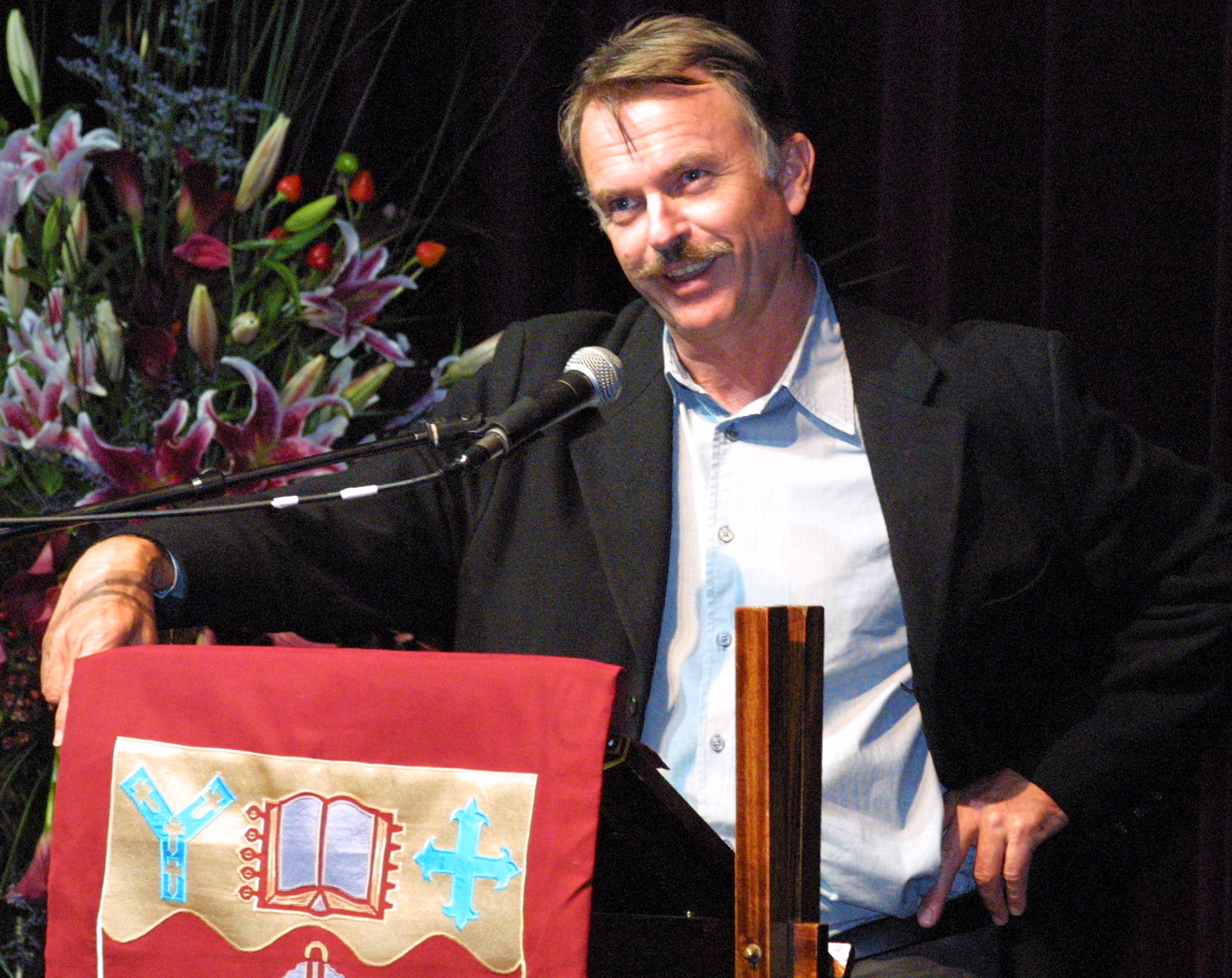
Sir Sam Neill
Sir Sam was one of New Zealand's most celebrated actors, internationally renowned for films including Jurassic Park, The Piano and Hunt for the Wilderpeople. Beyond the screen, he was also a passionate environmental advocate and successful winemaker.
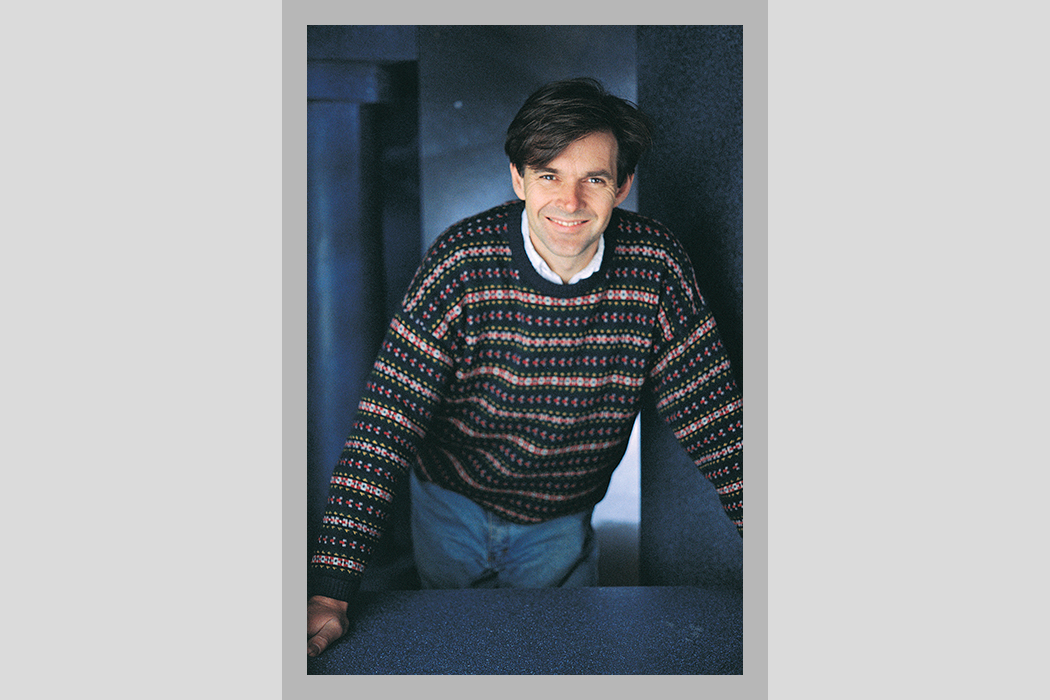
John Britten
John Britten designed the world-renowned Britten motorcycle, a ground-breaking invention that won races and set numerous speed records on international circuits.
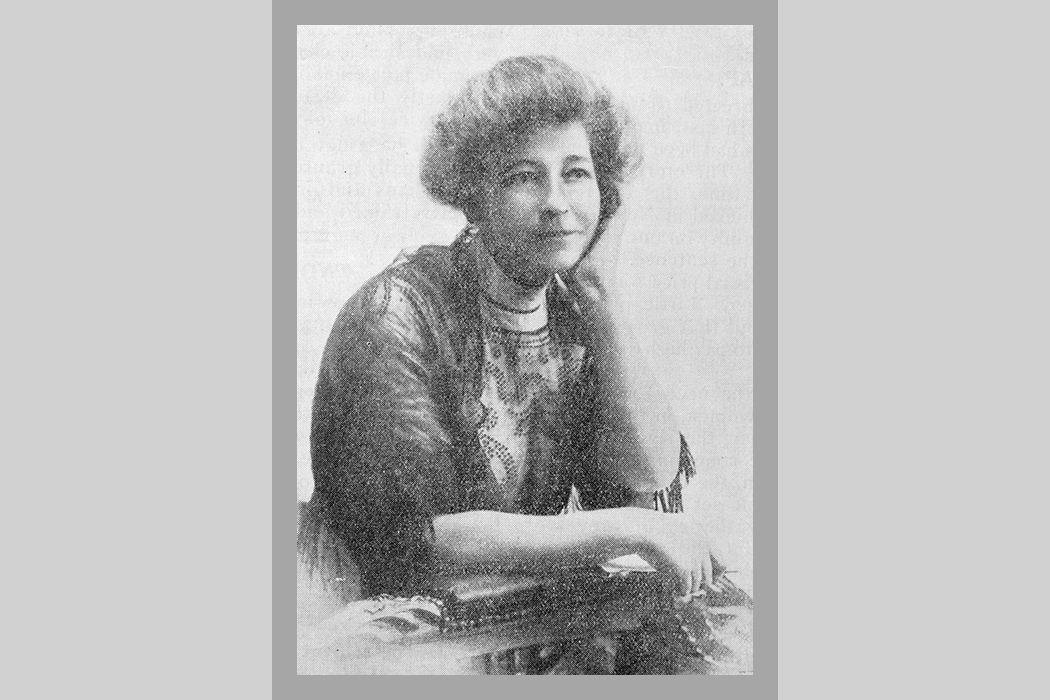
Ada Wells
Ada Wells was a well-known teacher, reformer, and activist in late nineteenth-early twentieth century Christchurch.
Alice Candy
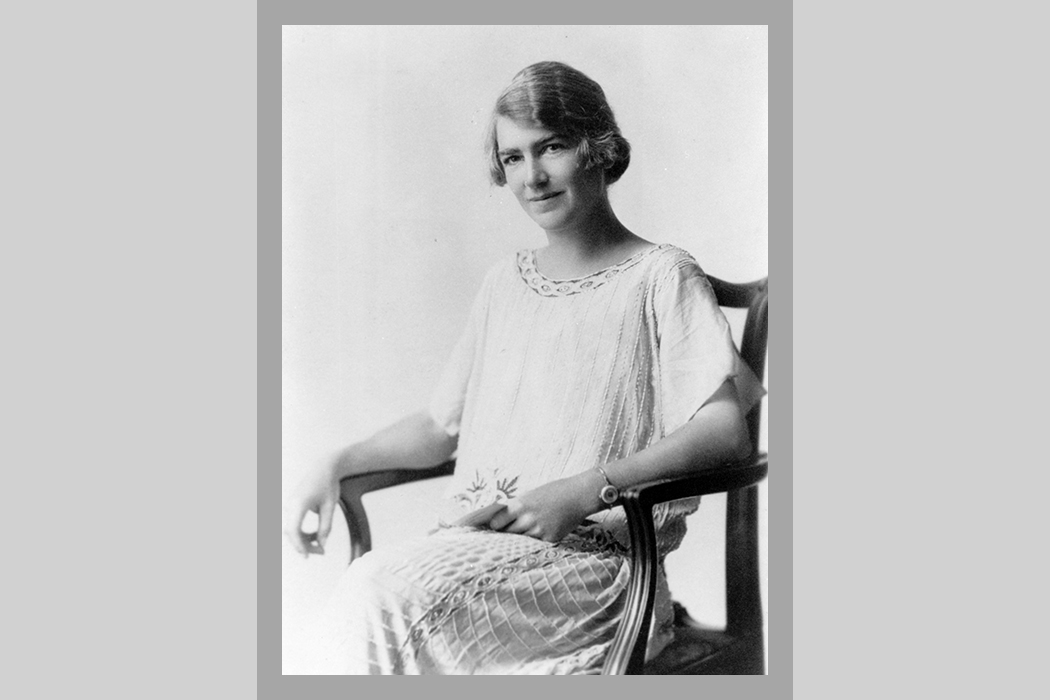
Alice Candy was the first female academic staff member to have a distinctive influence on UC.
Sir Āpirana Ngata
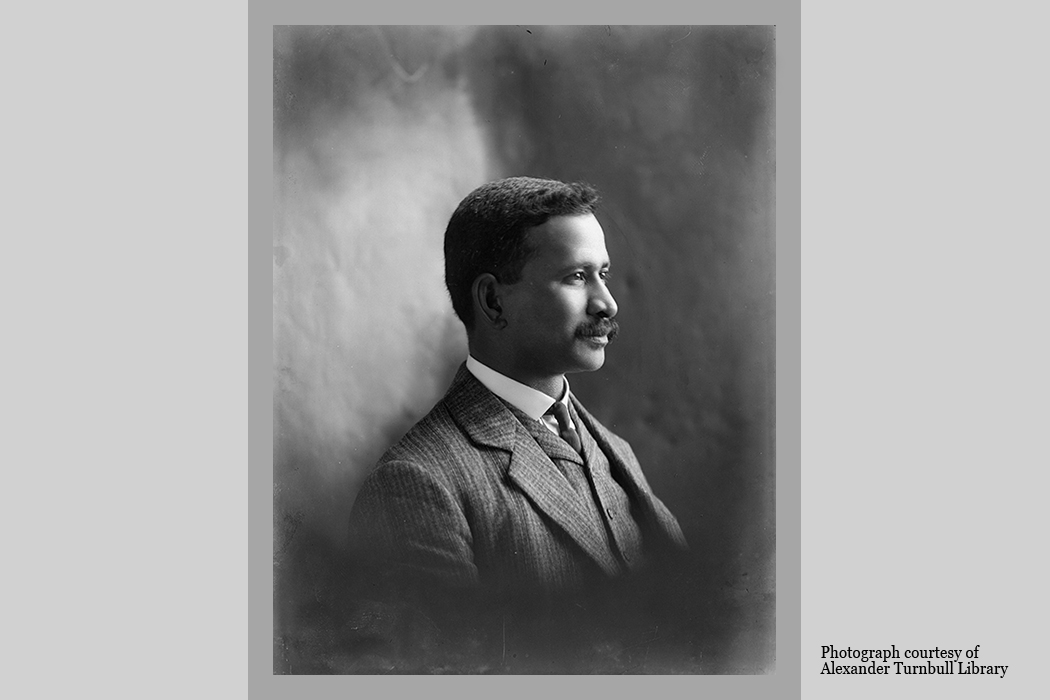
Sir Āpirana Ngata was the first Māori to graduate from a University in New Zealand in 1893.
Beatrice Tinsley
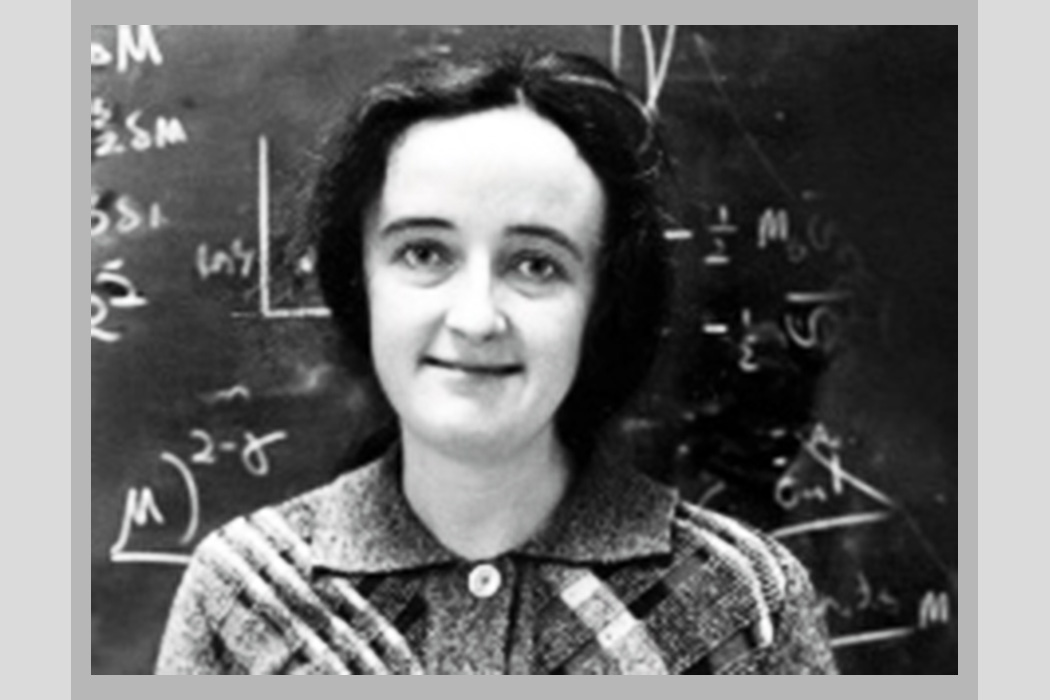
Beatrice Tinsley was one of the most creative and significant theoreticians in modern astronomy.
Elsie Locke
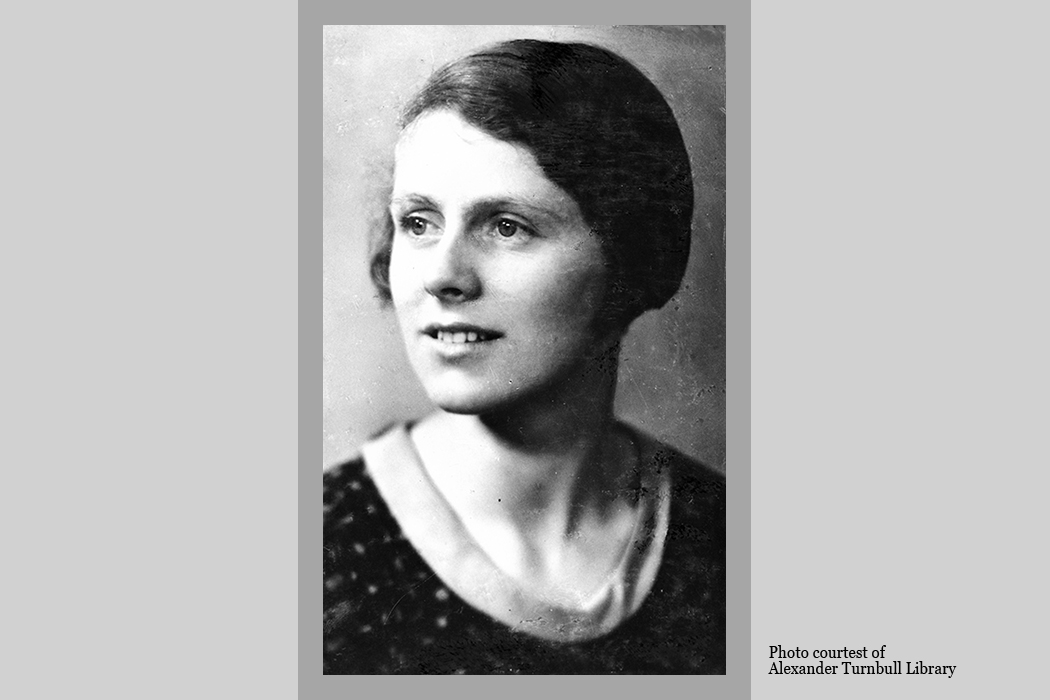
Elsie Locke was a writer, historian and renowned activist in the peace and feminist movements in New Zealand.
Ernest Rutherford
Nobel Laureate, Ernest Rutherford, became known as ‘the father of the atom’ for his discovery of atomic structure.
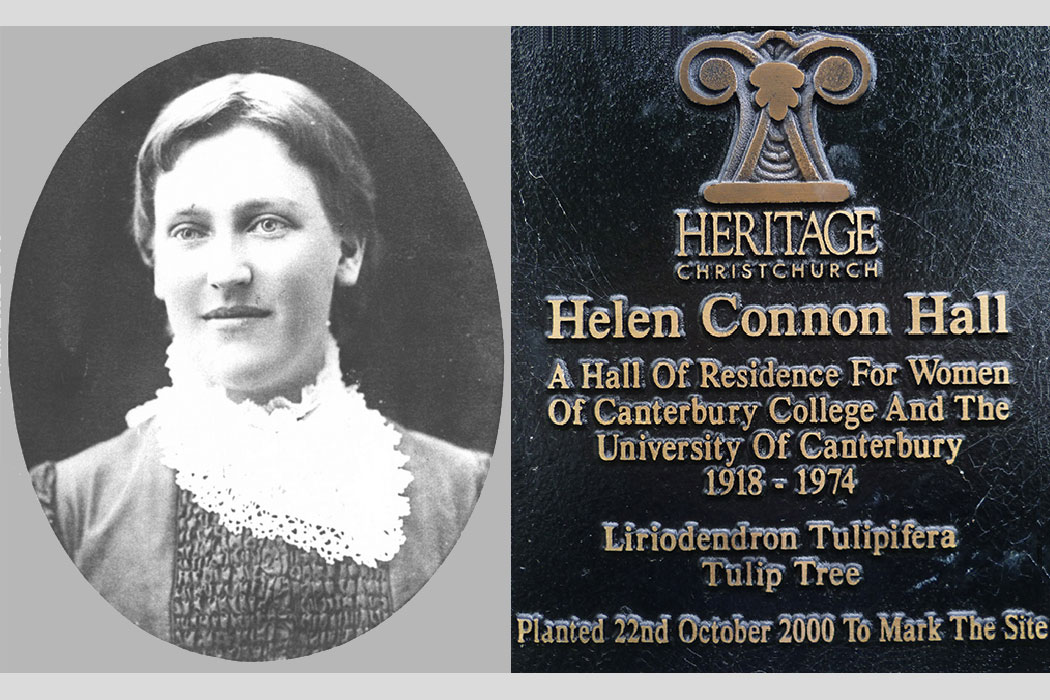
Helen Connon
Helen Connon was Canterbury College’s first woman student and the first in the British Empire to receive an Honours degree when her Master of Arts was conferred in 1881.