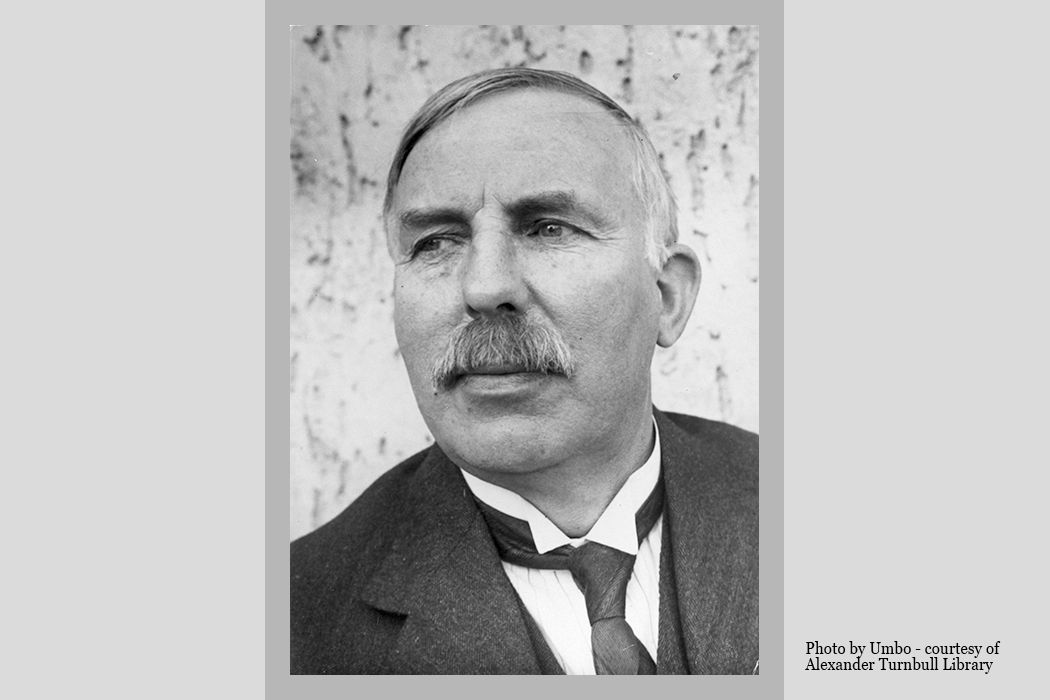

Ernest Rutherford left Canterbury College with three degrees in 1895. He moved to Cambridge’s Cavendish Laboratory, an outstanding researcher and innovator working at the very edge of electrical technology.
He was the first non-Cambridge graduate to become one of its research students and worked with Professor J. J. Thomson who was soon to discover an object smaller than an atom – the electron. Rutherford’s interest in radioactivity itself was aroused through his research on electrical conduction in gases, where he utilised rays from radioactive atoms.
In 1898, he discovered that two different rays (which he named alpha and beta) were emitted from radioactive atoms. Soon afterwards, he took up a professorship at McGill University in Montreal, Canada, where he continued to unravel the mysteries of radioactivity. In 1908 he was awarded the Nobel Prize in chemistry for his investigations into the disintegration of elements and the chemistry of radioactive substances.
In 1907, he relocated to Victoria University in Manchester where he eventually produced the nuclear model of the atom. He was knighted in the 1914 New Year’s Honours List, and in 1917, while engaged in atomic science for war work, he became the first person to split the atom - his overarching claim to lasting scientific fame.
New Zealand paid tribute to this remarkable man in 1991 by embedding his portrait on the New Zealand $100 note alongside his Nobel Prize medal and the Mōhua bird.
More alumni stories
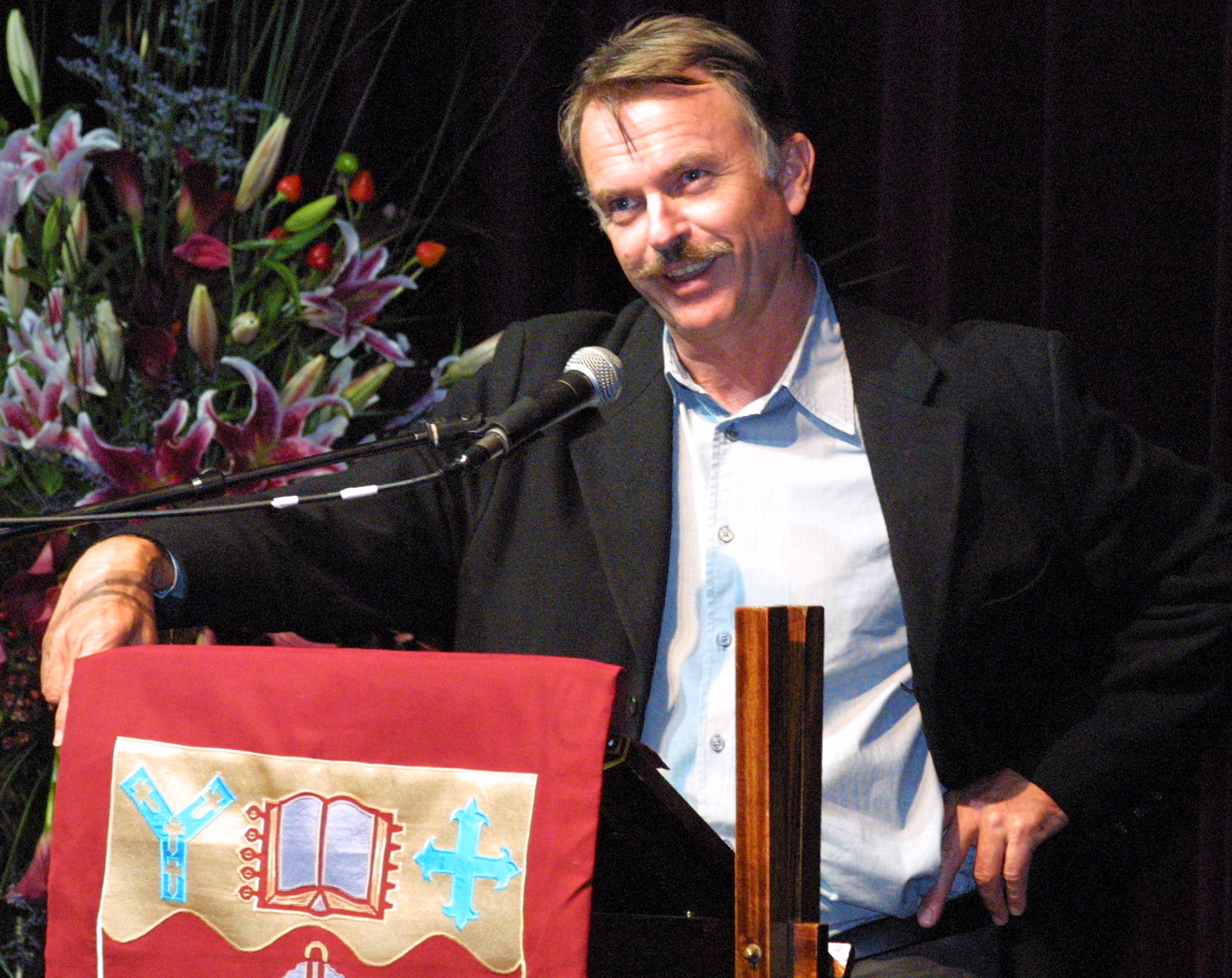
Sir Sam Neill
Sir Sam was one of New Zealand's most celebrated actors, internationally renowned for films including Jurassic Park, The Piano and Hunt for the Wilderpeople. Beyond the screen, he was also a passionate environmental advocate and successful winemaker.
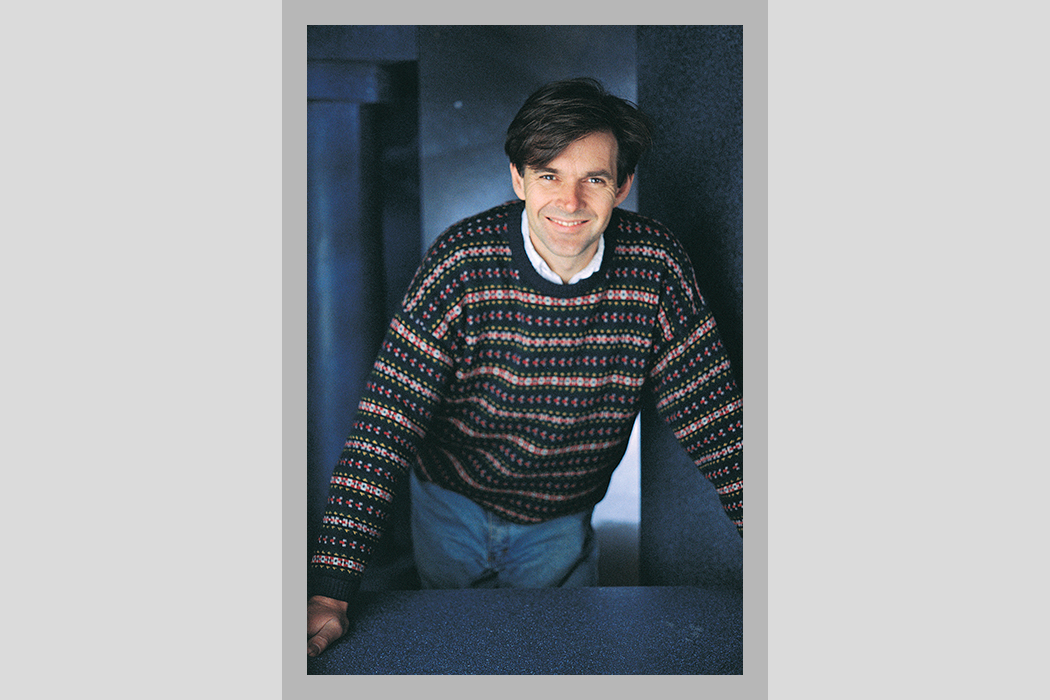
John Britten
John Britten designed the world-renowned Britten motorcycle, a ground-breaking invention that won races and set numerous speed records on international circuits.
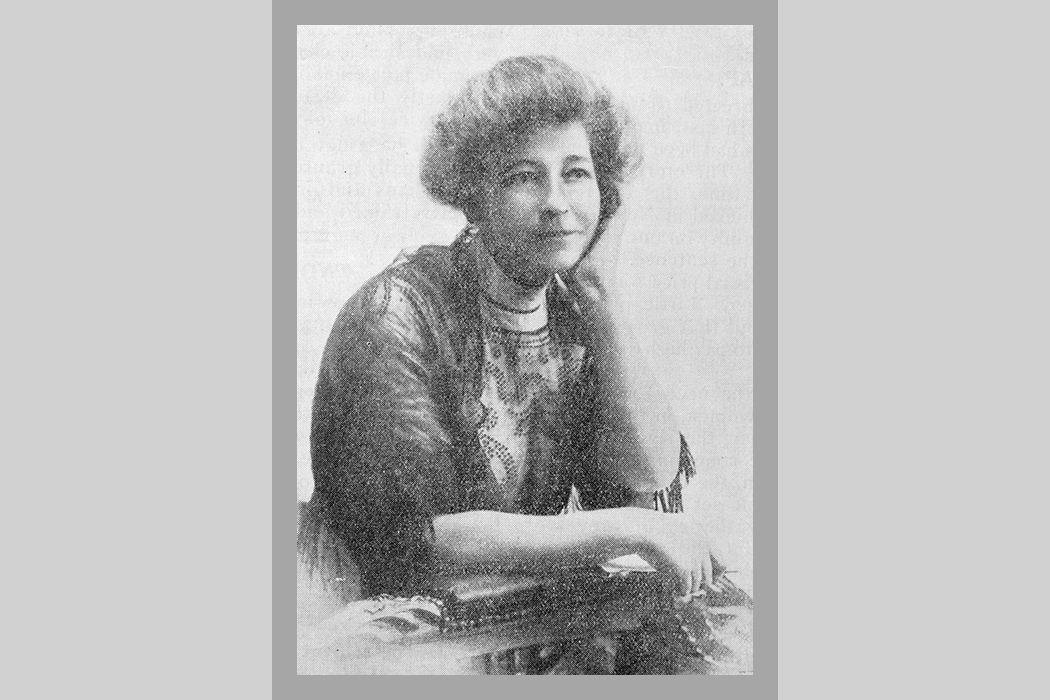
Ada Wells
Ada Wells was a well-known teacher, reformer, and activist in late nineteenth-early twentieth century Christchurch.
Alice Candy
Alice Candy was the first female academic staff member to have a distinctive influence on UC.
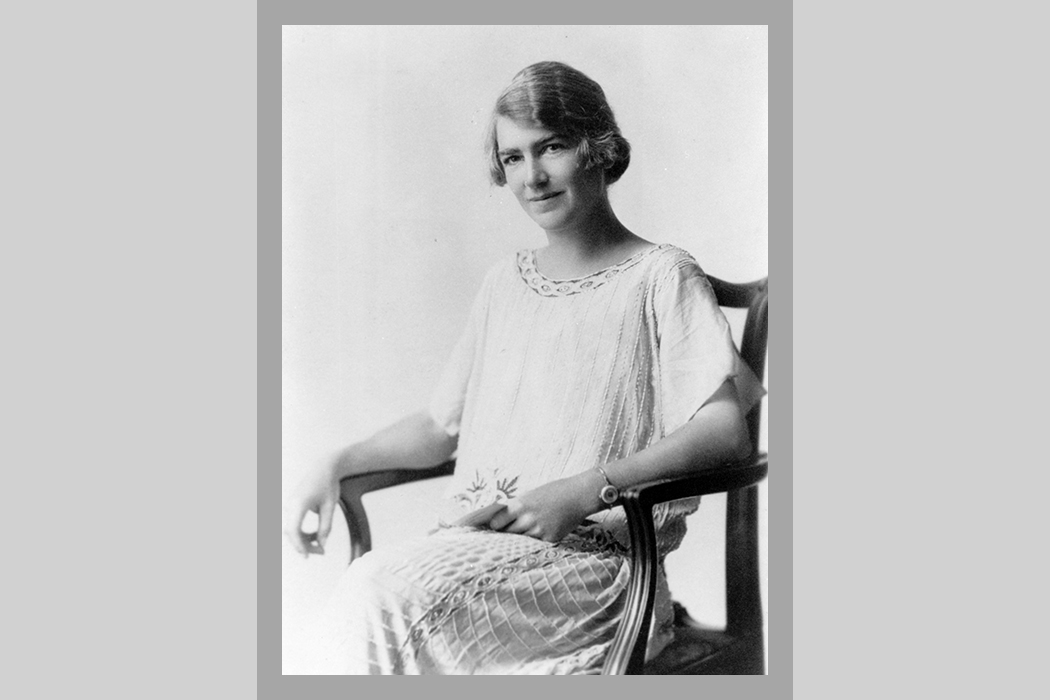
Sir Āpirana Ngata
Sir Āpirana Ngata was the first Māori to graduate from a University in New Zealand in 1893.
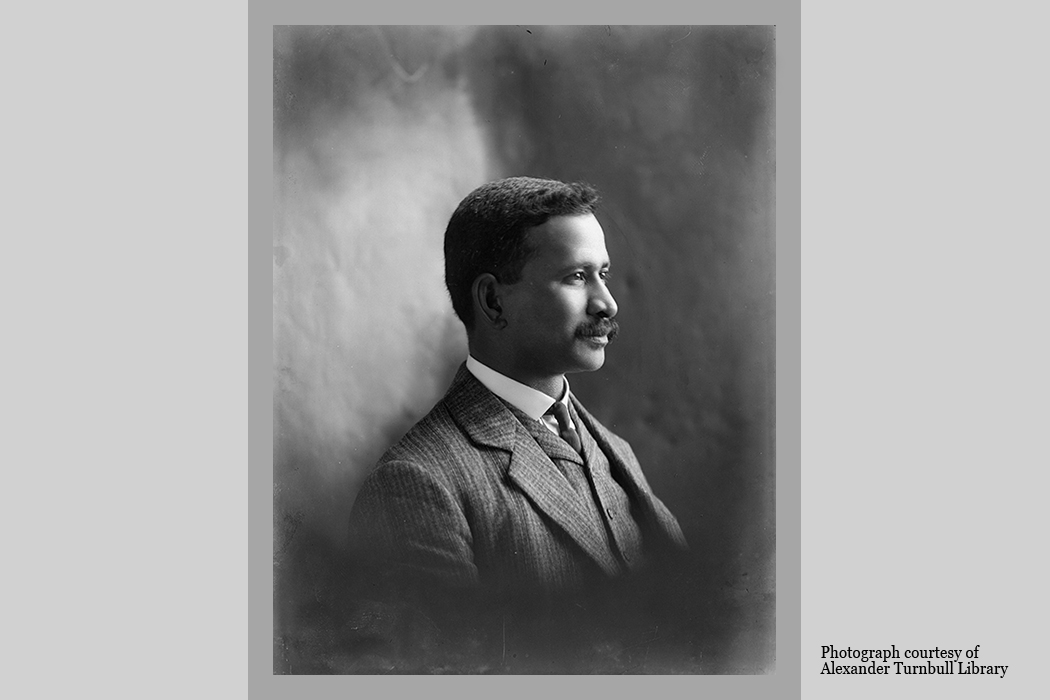
Beatrice Tinsley
Beatrice Tinsley was one of the most creative and significant theoreticians in modern astronomy.
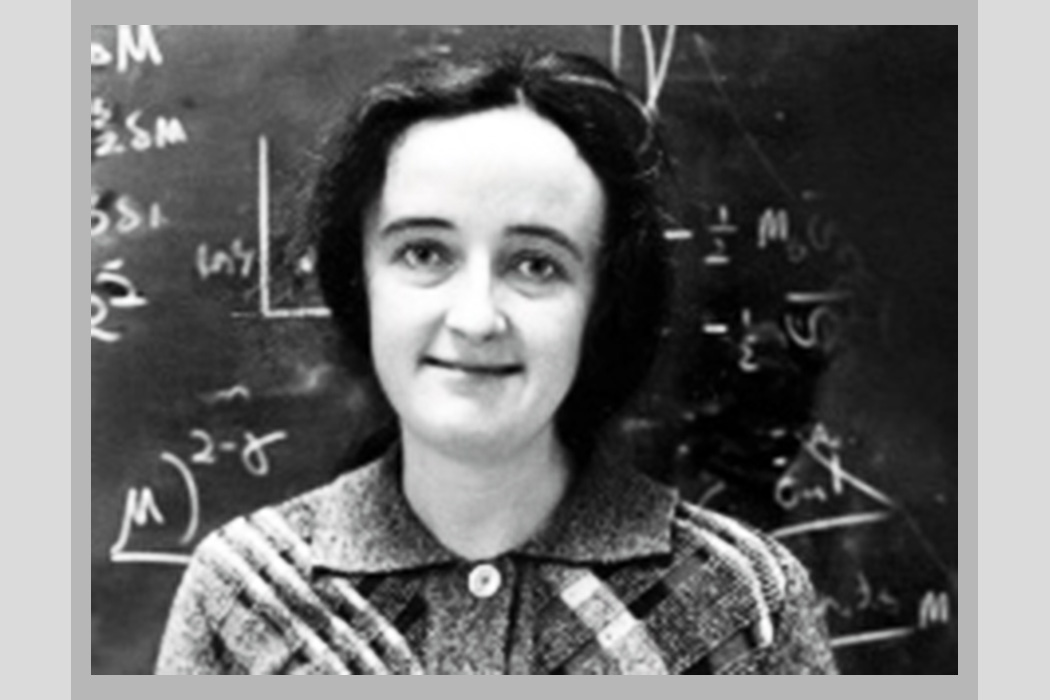
Elsie Locke
Elsie Locke was a writer, historian and renowned activist in the peace and feminist movements in New Zealand.
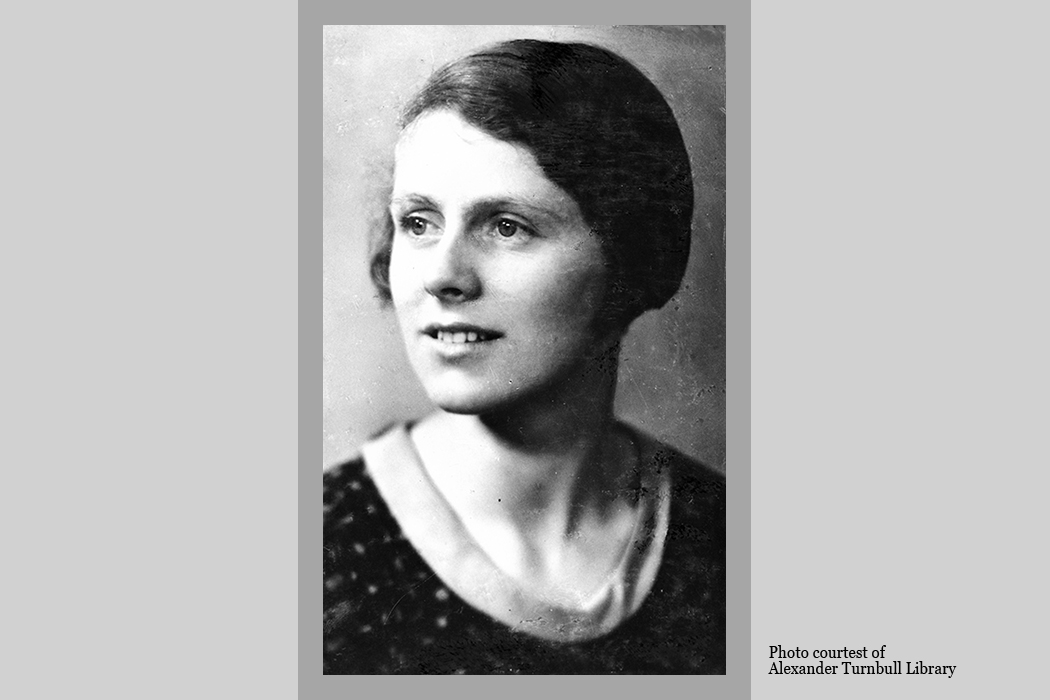
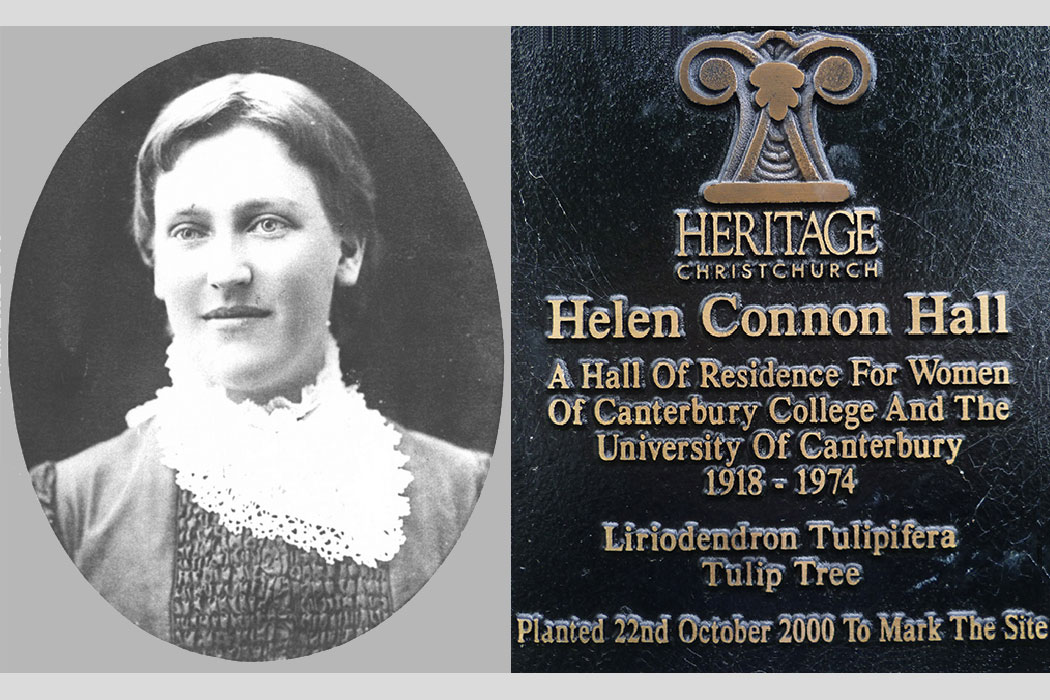
Helen Connon
Helen Connon was Canterbury College’s first woman student and the first in the British Empire to receive an Honours degree when her Master of Arts was conferred in 1881.
Henry Field
Henry Field was an educational psychologist who made a significant contribution to development of the Christchurch Teachers College.


