

Places built for discovery
UC's field stations provide access to environments that cannot be replicated on campus.
They enable hands-on teaching, field research, long-term scientific observation and collaboration, while giving students opportunities to put their learning into practice and develop valuable research skills.
Cass Field Station
A living laboratory in the Southern Alps
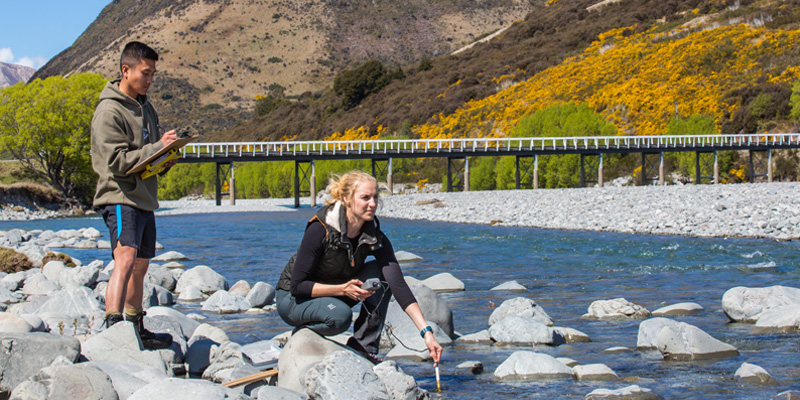
For more than a century, Cass Field Station has supported research and teaching in Aotearoa New Zealand's natural environment.
Today, students and researchers use Cass to study areas including climate change, biodiversity, freshwater ecosystems, geology and sustainable land use.
Its long history has also created valuable environmental records and research collections, allowing researchers to understand how ecosystems and landscapes change over time.
Your support can help strengthen facilities, advance environmental research and give more students access to field-based learning.
Ōtehīwai Mt John Observatory
Exploring the southern sky
Set high above Takapō Lake Tekapo, Ōtehīwai Mt John Observatory gives UC students and researchers an exceptional place from which to explore our universe.
Home to professional research telescopes and specialist astronomical equipment, Mt John supports scientific research, international collaboration and student learning.
For students, the Observatory provides the opportunity to move beyond theory, working with real astronomical equipment, gathering data and experiencing research first-hand.

Nigerian Montane Forest Project
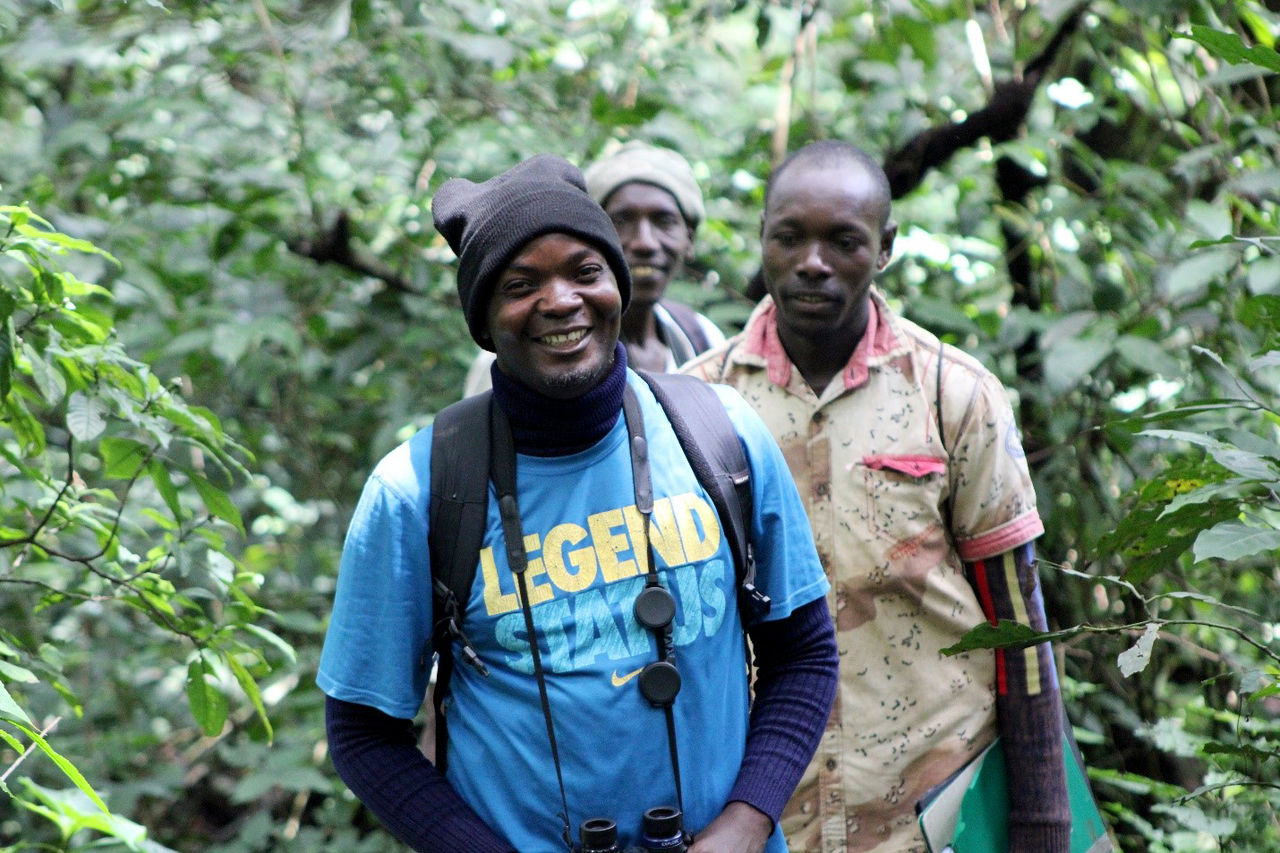
For more than 20 years, the Nigerian Montane Forest Project has brought together research, conservation, education and local communities to help protect Nigeria’s rare montane forests.
Based at the Ngel Nyaki Forest Reserve on the Mambilla Plateau, the Project supports research into one of Nigeria’s most biodiverse montane forests. Ngel Nyaki is home to more than 24 endangered plant species, the endangered Nigerian chimpanzee and a remarkable range of other wildlife.
Alongside scientific research and forest restoration, the Project works closely with local communities through education, employment, conservation initiatives and sustainable business development. This community-led approach is helping to develop a model for the long-term management and protection of threatened forests.
Help shape the next discovery
Make a gift
UC's field stations have supported generations of students and researchers. By supporting these special places, you can help protect opportunities for hands-on learning, strengthen important research and ensure future generations continue to experience discovery where it happens.

