

Menu

Wananga Landing
Profile image
Topic

Molluscs

12 May 2026
HOW TO APPLY

Molluscs are one of the most diverse and successful groups of animals on Earth, ranging from tiny snails to giant squids. They can be found in oceans, rivers, forests, and even deserts, showing an incredible variety of shapes, sizes, and lifestyles. Some molluscs have hard protective shells, while others, like octopuses and slugs, have little or no shell at all. This diversity has allowed them to adapt to many different environments across the planet.

Molluscs first evolved more than 500 million years ago during the Cambrian Period and have survived major changes in Earth’s history ever since. Over time, they developed into many different groups, including gastropods, bivalves, and cephalopods. Their long fossil record, especially from creatures such as ammonites, provides important evidence about the evolution of life and the history of ancient oceans.
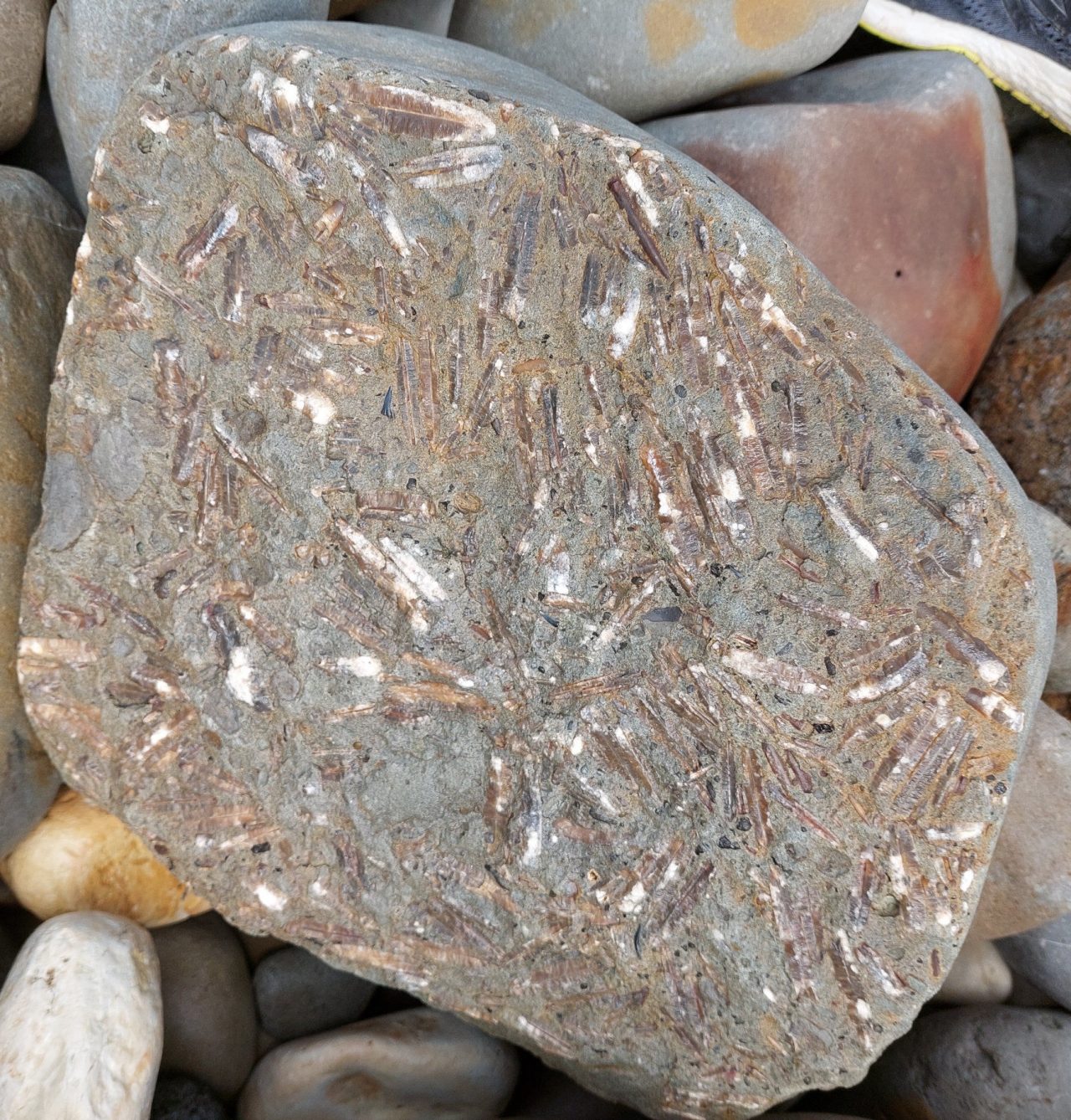
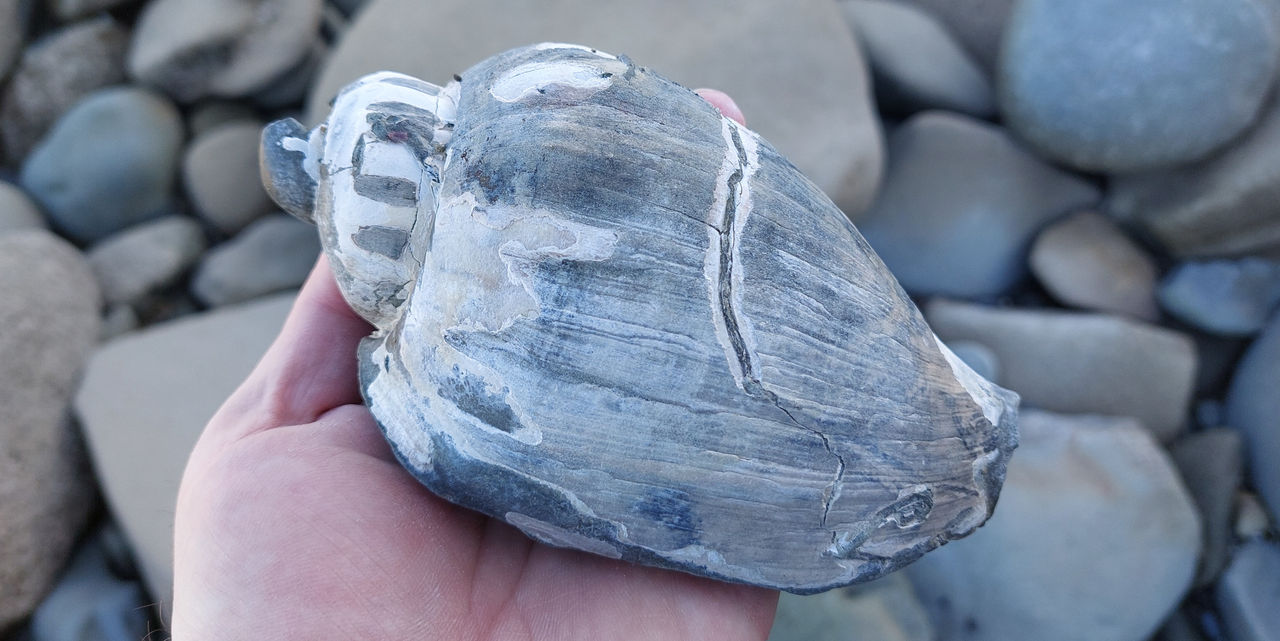
Photo Caption: Cretaceous aged belemnites that have been replaced by calcite. There are several black shark teeth visible, (c) Mamlambo Fossils

Some of the more well-known classes of molluscs:

  • Bivalves (clams, oysters, scallops)
  • Cephalopods (octopi, squid, cuttlefish, ammonites, nautiloids, belemnites)
  • Gastropods (freshwater and marine snails, paua)
  • Scaphopods (tusk shells)
  • Monoplacophora - a deep-water animal that look very similar to limpets but not closely related to gastropods

Photo caption: A large fossil gastropod from the North Canterbury coast, (c) Mamlambo Fossils

Molluscs are some of the most common fossils found and are therefore a useful fossil to use to get the geological date of an area if it is sedimentary. Fossils that can be used to date an area often called “index fossils”.


Ammonites help geologists determine the age of sedimentary rock layers because they changed and evolved quickly, were found all over the world, and are common in marine rocks from the Mesozoic Era. Since each ammonite species existed for only a short period of geological time, sometimes as short as a few hundred thousand years, finding a particular species in a rock layer helps scientists work out the rock’s age quite accurately. This method is much faster and less costly than sending samples away to be dated using something like radio isotope testing or Optically Stimulated Luminescence (OSL).

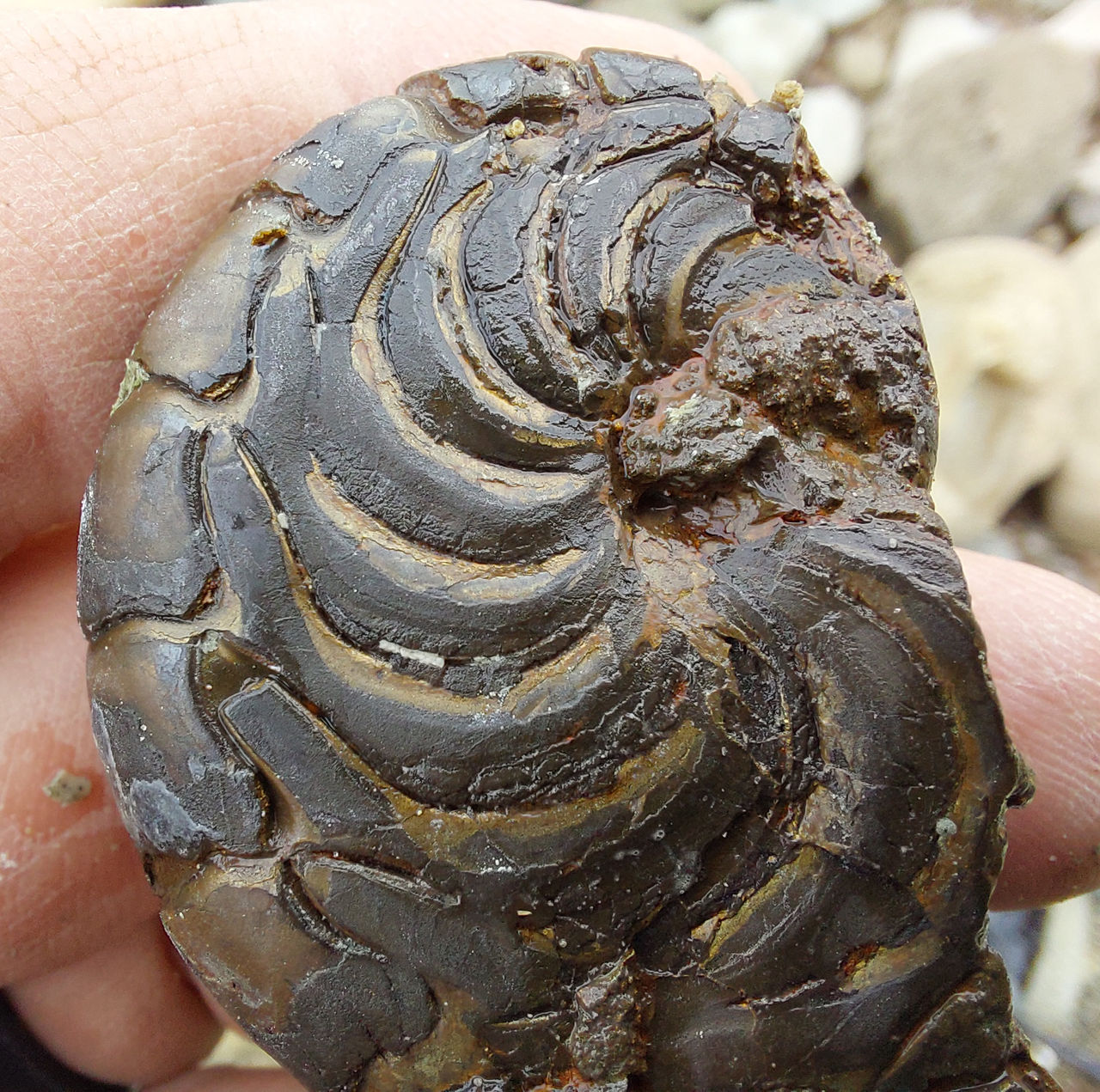
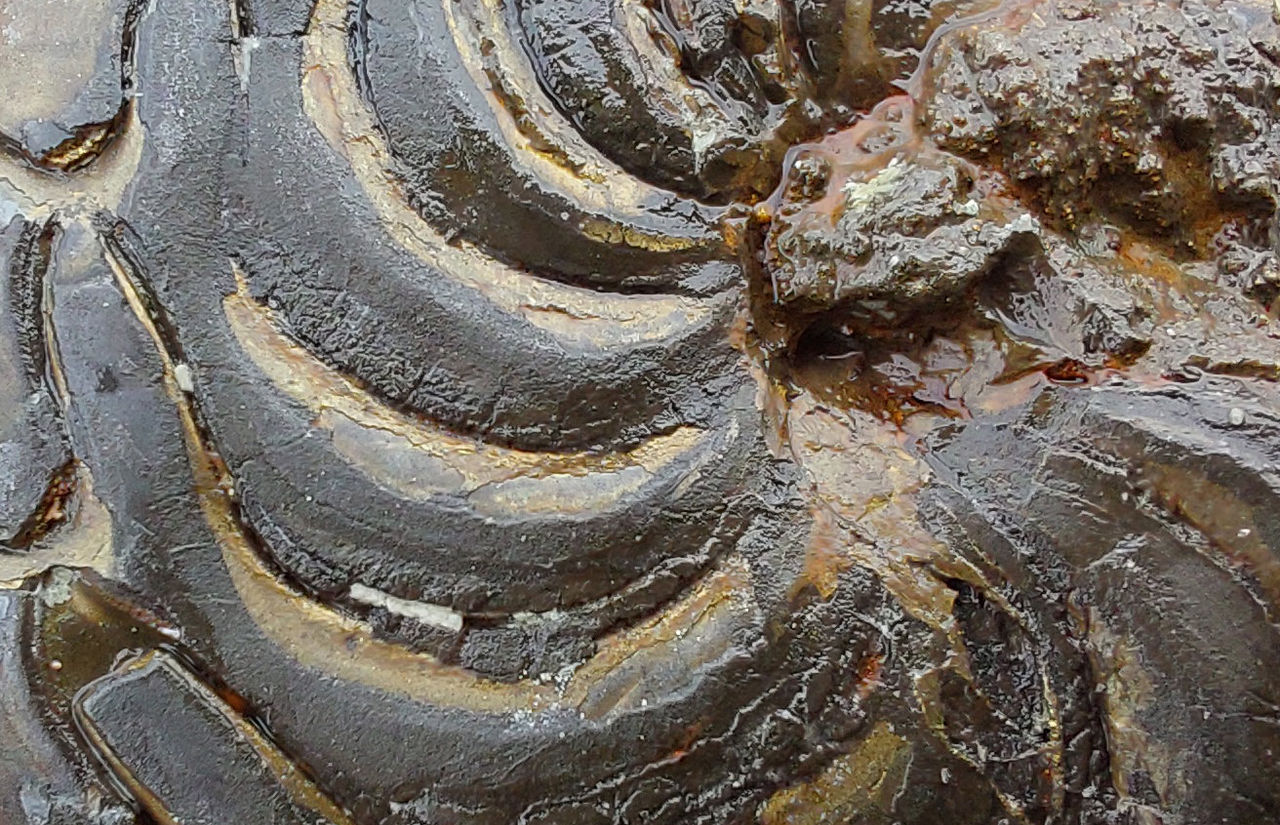
nautiloid

Photo caption: A fossil nautiloid, probably Arturia, with iron pyrites replacement giving it a metallic sheen. Found in North Canterbury, (c) Mamlambo Fossils


Scallop, also called pecten, shells can be a valuable source of strontium for dating geological deposits because the ratio of strontium isotopes (87Sr / 86Sr) in the oceans has changed over time. By measuring this ratio in a fossil shell, it can be correlated with the global marine strontium isotope record to estimate the age of the fossil-bearing sediments. For this method to be reliable, the pecten shell must either occur within the same rock unit as the fossil being dated or remain in the original sedimentary layer under study. A shell found loose on a beach or in a river is generally not useful for dating, as it may have been transported from a different location and therefore may not represent the age of the sediments at the site. Pecten shells are ideal for this type of measurements as they are composed of low-magnesium calcite, which is highly resistant to alteration. This means that the ratio measured is that of the seawater when the animal was alive rather than it being changed afterwards by the environment or fossilisation process.

Photo caption: The ratio of Strontium isotopes present in some fossil shells can give an estimate as to when the animal was alive, helping to date the geologic layer it was found in. (c) [van der Meer et al. (2022)]

References:
van der Meer, D. G., Scotese, C. R., Mills, B. J. W., Sluijs, A., van den Berg van Saparoea, A.-P., & van de Weg, R. M. B. (2022). Long-term Phanerozoic global mean sea level: Insights from strontium isotope variations and estimates of continental glaciation. Gondwana Research, 111, 103–121. https://doi.org/10.1016/j.gr.2022.07.014


Privacy Preferences

By clicking "Accept All Cookies", you agree to the storing of cookies on your device to enhance site navigation, analyse site usage, and assist in our marketing efforts.