

Menu

Wananga Landing
Profile image
Wananga Landing
Topic

Trachyte

17 March 2026
HOW TO APPLY

Alongside the basaltic rock, which makes up most of the Lyttelton and Akaroa volcanoes, Trachyte is another igneous rock commonly present, particularly around Lyttelton. Trachyte is an extrusive volcanic rock meaning the minerals cooled quickly from molten magma or lava at or near the surface of a volcano.

Trachyte varies in colour, from dark to light overall, but is usually dominated by larger light coloured crystals called phenocrysts. Most of these phenocrysts are alkali feldspars, like orthoclase. Smaller mafic minerals are sometimes present in trachyte too, like biotite, pyroxene and amphibole. This rock is usually porphyritic, meaning it has large and distinct minerals, with some smaller less easily seen crystals scattered in between. The groundmass, the rock between the phenocryst crystals, is made of fine grained crystals too small to see in Trachyte.
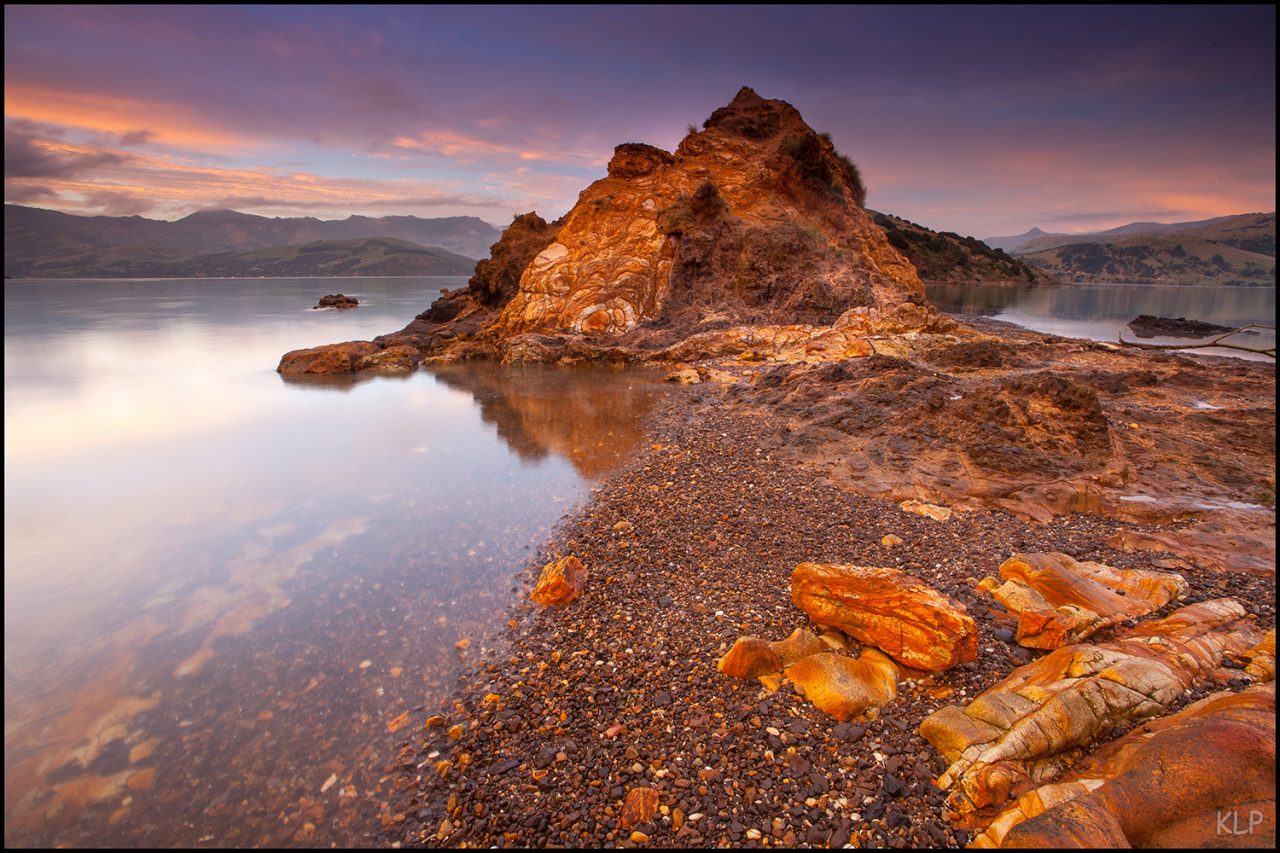
 

Trachyte at Onawe Peninsula, Akaroa

Trachyte lava has a moderate viscosity, this is largely due to its moderate silica (SiO2) content of 60-65%. Trachyte is found on the Lyttelton volcano mainly in dikes, smaller volcanic columns which push up through the layers of the volcano. 


Despite erupting from the same volcano, the trachyte and basaltic lavas of the Lyttelton Volcano are very different. This is due to the processes they undergo on their way to the surface! Trachyte takes longer to come up to the surface, allowing some crystals to settle out, while other components increase in concentration, changing which crystals and what kind of groundmass we see in the final erupted lavas!

See what crystals you can find in the trachyte in the UC Rock Garden! Keep an eye out for rectangular feldspars! 

Privacy Preferences

By clicking "Accept All Cookies", you agree to the storing of cookies on your device to enhance site navigation, analyse site usage, and assist in our marketing efforts.