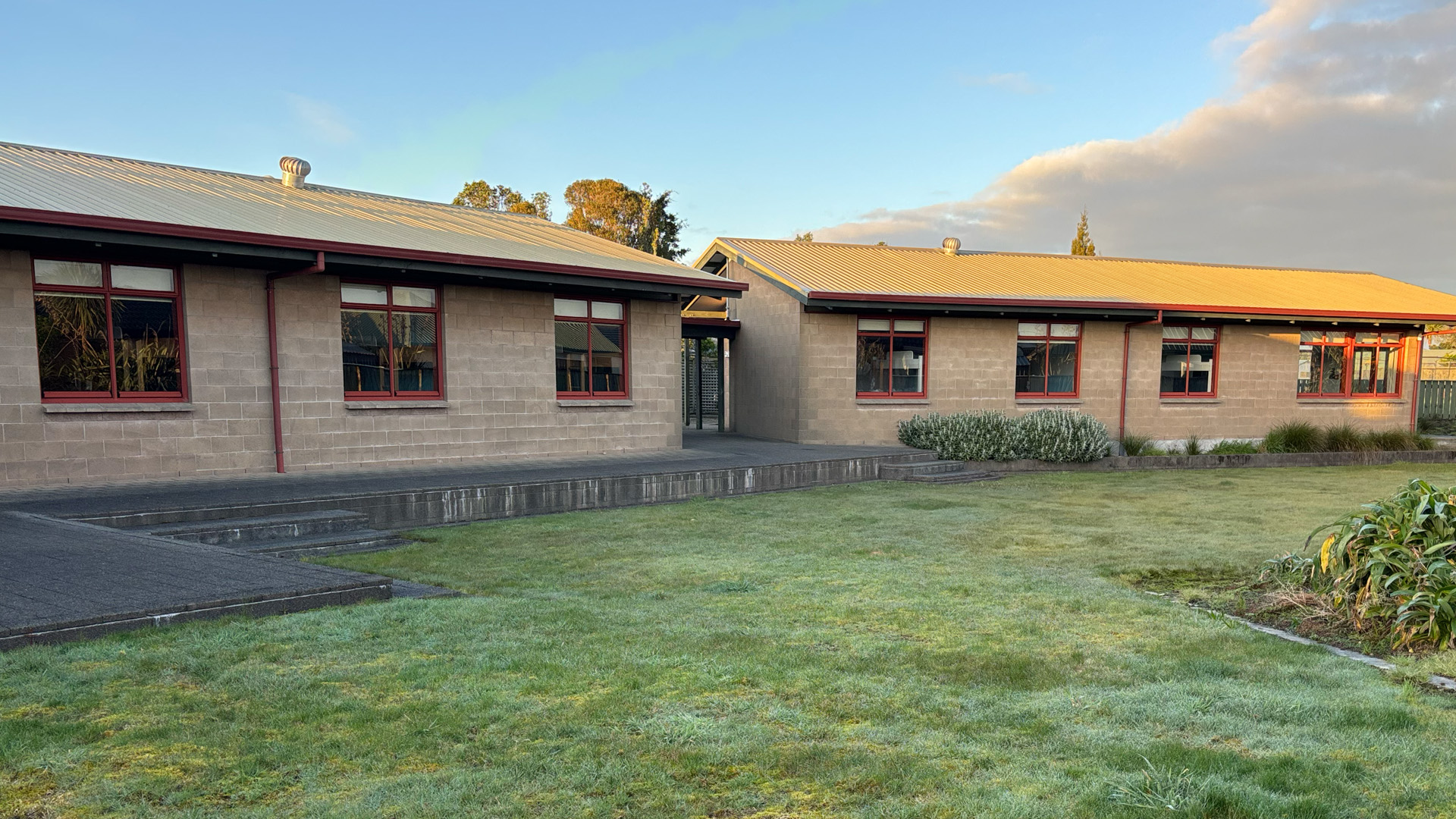


About Westport




Overview
Located on the West Coast of the South Island, Westport Field Station provides access to some of New Zealand's most diverse geological and ecological landscapes. From rugged coastlines and river systems to podocarp forests, limestone formations and coal-bearing geology, the region offers exceptional opportunities for field-based teaching and research.
Opened in 1995, Westport is the newest of the University of Canterbury's field stations. It serves as a multi-purpose base for teaching, research and community engagement, particularly in geology, environmental science, natural hazards and forestry. The station also reinforces UC's long-standing connection with the West Coast and supports collaboration with local communities, schools and industry.
Westport is an important destination for field-based learning, particularly in geology and forestry. Students gain first-hand experience investigating landscapes, geological processes, natural resources and environmental management challenges in settings that cannot be replicated on campus.
The station supports courses such as GEOL241 Field Studies B - Field Techniques and FORE225 Forest Biology, where residential field trips allow students to develop practical skills, undertake field investigations and experience the complexity of real-world environmental systems. The immersive nature of these experiences helps build confidence, technical expertise and professional capability.
Westport is an important destination for field-based learning, particularly in geology and forestry. Students gain first-hand experience investigating landscapes, geological processes, natural resources and environmental management challenges in settings that cannot be replicated on campus.
The station supports courses such as GEOL241 Field Studies B - Field Techniques and FORE225 Forest Biology, where residential field trips allow students to develop practical skills, undertake field investigations and experience the complexity of real-world environmental systems. The immersive nature of these experiences helps build confidence, technical expertise and professional capability.
Westport supports research across geology, natural hazards, freshwater science, forestry and environmental management. The region contains geological formations, ecosystems and resource management challenges that are unique within the South Island, making it an essential location for many research programmes.
Researchers use the station as a base for investigating topics such as landscape evolution, mining impacts, freshwater ecosystems, hazard management and environmental restoration. The field station also facilitates applied research projects developed in partnership with industry and local communities, ensuring research outcomes address real-world challenges.
Westport supports research across geology, natural hazards, freshwater science, forestry and environmental management. The region contains geological formations, ecosystems and resource management challenges that are unique within the South Island, making it an essential location for many research programmes.
Researchers use the station as a base for investigating topics such as landscape evolution, mining impacts, freshwater ecosystems, hazard management and environmental restoration. The field station also facilitates applied research projects developed in partnership with industry and local communities, ensuring research outcomes address real-world challenges.
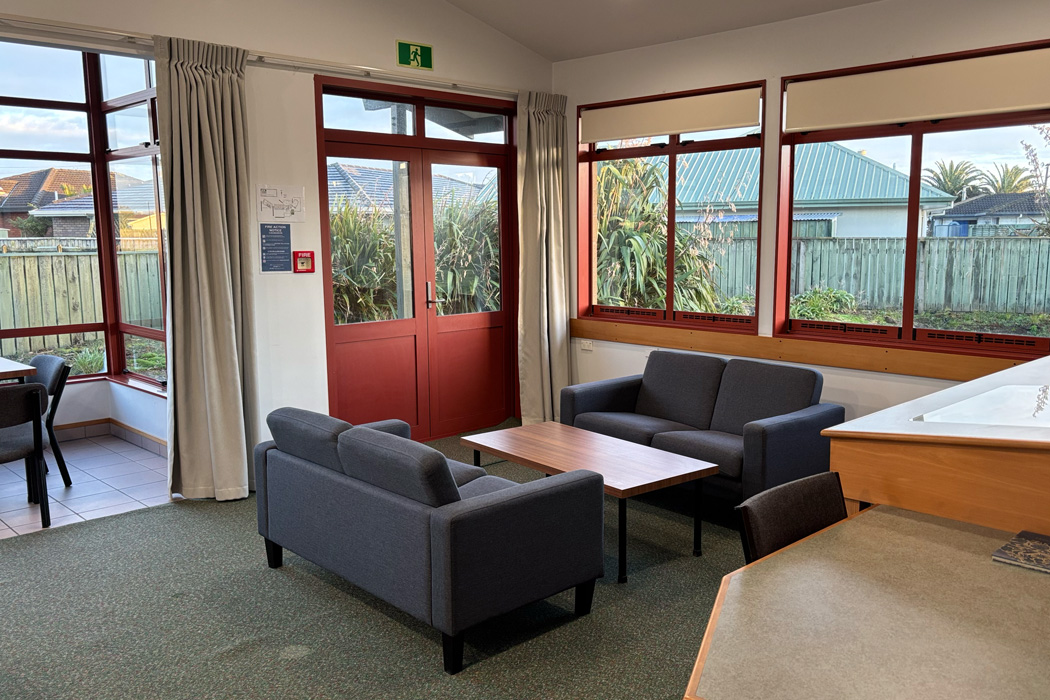
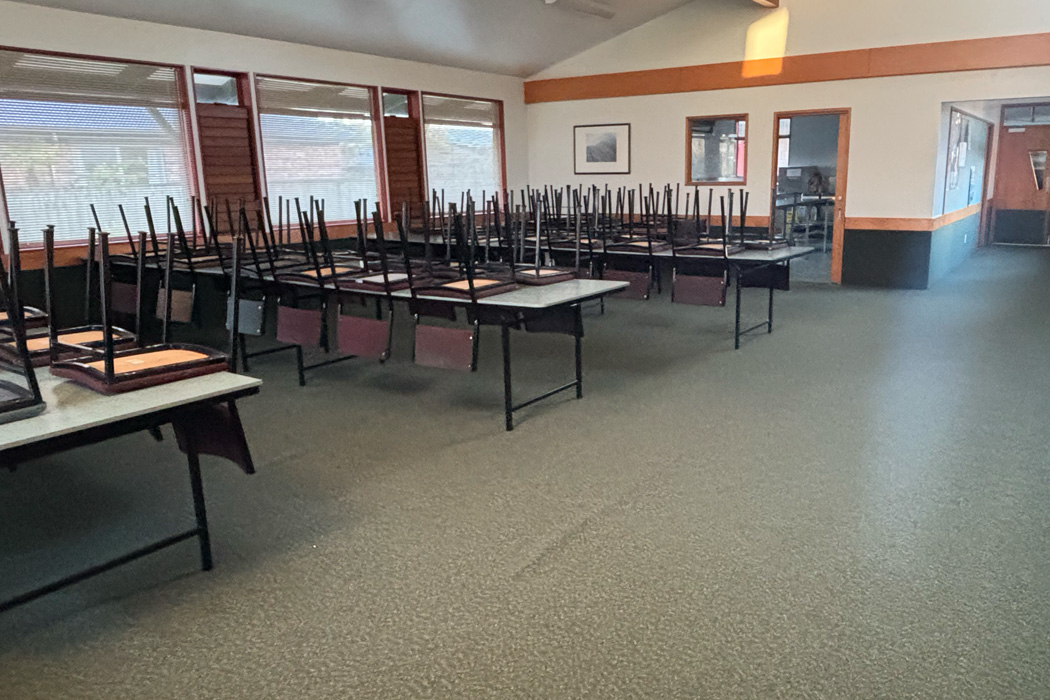
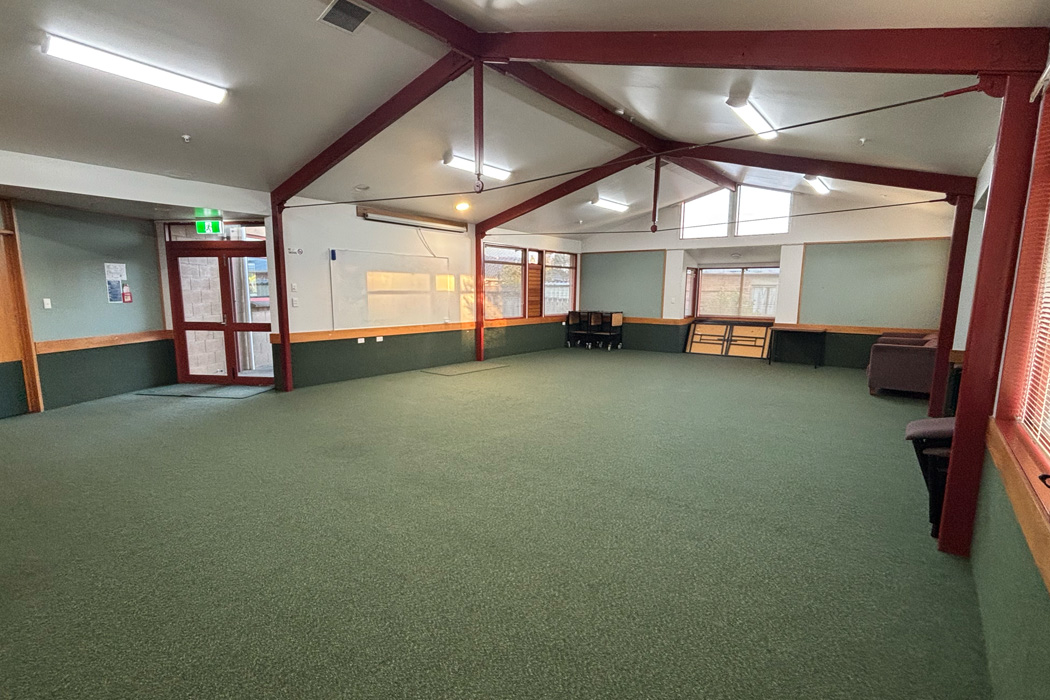
Westport Field Station comprises two buildings designed to support both teaching and research activities. The main accommodation building can host large teaching groups, while a separate research flat provides dedicated space for smaller research teams and longer-term projects.
Together, the facilities can accommodate up to 46 people, its practical layout makes it well suited for residential field courses, workshops and collaborative research activities.
Westport Field Station comprises two buildings designed to support both teaching and research activities. The main accommodation building can host large teaching groups, while a separate research flat provides dedicated space for smaller research teams and longer-term projects.
Together, the facilities can accommodate up to 46 people, its practical layout makes it well suited for residential field courses, workshops and collaborative research activities.
The West Coast offers an extraordinary concentration of natural diversity within a relatively small area. Researchers and students can access coastal environments, river systems, native forests, mountains and nationally significant geological formations within easy reach of the station.
Many of the geological features and forest ecosystems studied from Westport are not found elsewhere in the South Island. This makes the region particularly valuable for teaching and research in earth sciences, forestry, environmental management and natural hazards.
The West Coast offers an extraordinary concentration of natural diversity within a relatively small area. Researchers and students can access coastal environments, river systems, native forests, mountains and nationally significant geological formations within easy reach of the station.
Many of the geological features and forest ecosystems studied from Westport are not found elsewhere in the South Island. This makes the region particularly valuable for teaching and research in earth sciences, forestry, environmental management and natural hazards.
UC has a strong tradition of working alongside schools, industry and regional stakeholders across the West Coast. Partnerships with mining, quarrying and environmental organisations provide opportunities for students and researchers to contribute directly to solving practical challenges facing the region.
Research and teaching activities based at Westport have informed projects ranging from freshwater ecology to geoscience education. The station also played a role in the development of UC's Earth Science Garden, which brings geological specimens and field-based learning experiences onto the Ilam campus.
UC has a strong tradition of working alongside schools, industry and regional stakeholders across the West Coast. Partnerships with mining, quarrying and environmental organisations provide opportunities for students and researchers to contribute directly to solving practical challenges facing the region.
Research and teaching activities based at Westport have informed projects ranging from freshwater ecology to geoscience education. The station also played a role in the development of UC's Earth Science Garden, which brings geological specimens and field-based learning experiences onto the Ilam campus.
As UC's primary base on the West Coast, the field station supports a wide range of outreach and engagement activities. Schools, iwi groups, industry organisations and community partners regularly use the facility for education, training and collaborative projects.
The station provides an important connection between the university and the West Coast community, helping foster partnerships that support environmental stewardship, education and regional resilience.
As UC's primary base on the West Coast, the field station supports a wide range of outreach and engagement activities. Schools, iwi groups, industry organisations and community partners regularly use the facility for education, training and collaborative projects.
The station provides an important connection between the university and the West Coast community, helping foster partnerships that support environmental stewardship, education and regional resilience.
Westport Field Station plays a vital role in enabling field-based education and research in one of New Zealand's most distinctive environments. Continued investment will help maintain facilities, strengthen community partnerships and expand opportunities for students and researchers to work in the region.
By supporting Westport, donors can help ensure that future generations continue to benefit from hands-on learning, impactful research and strong connections between the University of Canterbury and the West Coast community.
Westport Field Station plays a vital role in enabling field-based education and research in one of New Zealand's most distinctive environments. Continued investment will help maintain facilities, strengthen community partnerships and expand opportunities for students and researchers to work in the region.
By supporting Westport, donors can help ensure that future generations continue to benefit from hands-on learning, impactful research and strong connections between the University of Canterbury and the West Coast community.
Contact the Field Facilities Centre
For any enquiries, please contact the Field Facilities Manager.

