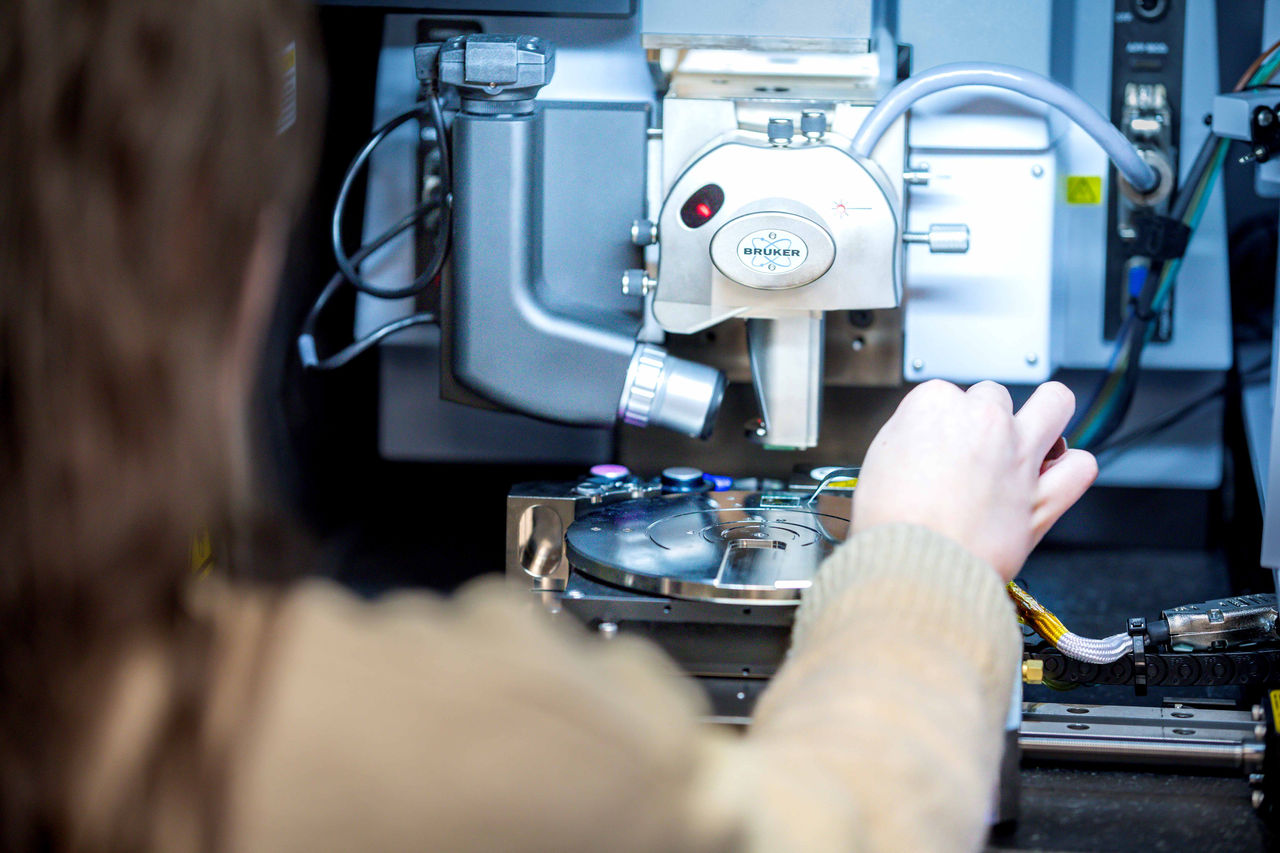


Cu-30Zn brass alloy being used as a model alloy for grain growth experiments (Klemms etch under polarised light)
Research Theme Members
Areas of Expertise
Materials thermodynamics, phase transformations, characterisation, structure-property relations and microstructural evolution in alloys and ceramics; theoretical and computational materials including variational approaches to materials modelling, phase-field/diffuse interface modelling, prediction and analysis of microstructural evolution and computational thermodynamics (CALPHAD) to develop understanding of metallic and ceramic materials
Research Interests
Interfaces in ferroelectric ceramics; molten oxide electrolysis for critical materials; structural alloy characterisation and performance


Detailed materials characterisation using electron microscopy to study microstructural evolution

Scanning electron microscopy and texture analysis of metal alloys using EBSD
Current Postgraduate Opportunities:
Project Title: High-throughput characterisation of novel alloys
Project summary: We have developed a high-throughput technique for characterising the strain-time-temperature relations for recrystallisation of structural alloys. This project builds on our previous work to explore the limits of the technique in industrial alloys for property determination including phase transformation kinetics, recrystallisation and electrochemical behaviour. This is largely an experimental project.
Funding/stipend: Applicants encouraged to apply for a UC Doctoral Scholarship
Application deadline: Applications accepted at any time
Project Title: Inert anode development for molten oxide electrolysis of critical metals
Project summary: Our interdisciplinary molten oxide electrolysis research team is developing zero-carbon processes for selectively reducing target critical metals from all-oxide mixed molten oxides. We work on refractory metals and rare earths. This project focusses on development of an inert anode that will enable oxygen gas to be the bi-product of metal reduction instead of greenhouse gases. This project has both theoretical and experimental aspects.
Funding/stipend: Funding is being sought for this project. Applicants encouraged to apply for a UC Doctoral Scholarship
Application deadline: Applications accepted at any time
Project Title: Optimising refractory bricks for service conditions
Project summary: In collaboration with an industry partner, our team is investigating refractory brick performance and lifetime management in service conditions. In this project, the structure-processing-properties-performance relationships in aggressive service conditions will be investigated in order to devise inspection and retirement criteria. This project has both theoretical and experimental aspects.
Funding/stipend: Funding is being sought for this project. Applicants encouraged to apply for a UC Doctoral Scholarship
Application deadline: Applications accepted at any time
Areas of Expertise
Processing-structure-property relationships of engineering materials; light metal and steel metallurgy; polymeric and composite materials; materials degradation and corrosion; materials characterisation; thermomechanical analysis and testing; optical, electron and atomic force microscopy; failure analysis of materials.
Research Interests
Magnesium-based biodegradable orthopaedic implant materials; development of bio-based materials including bioaerogels, biopolymers and biocomposites; novel encapsulant materials for nutraceuticals; polymer recycling

SEM micrograph of the cross-section of man-made cellulose fibres

Fracture surface of an all-cellulose composite laminate exhibiting ductile behaviour
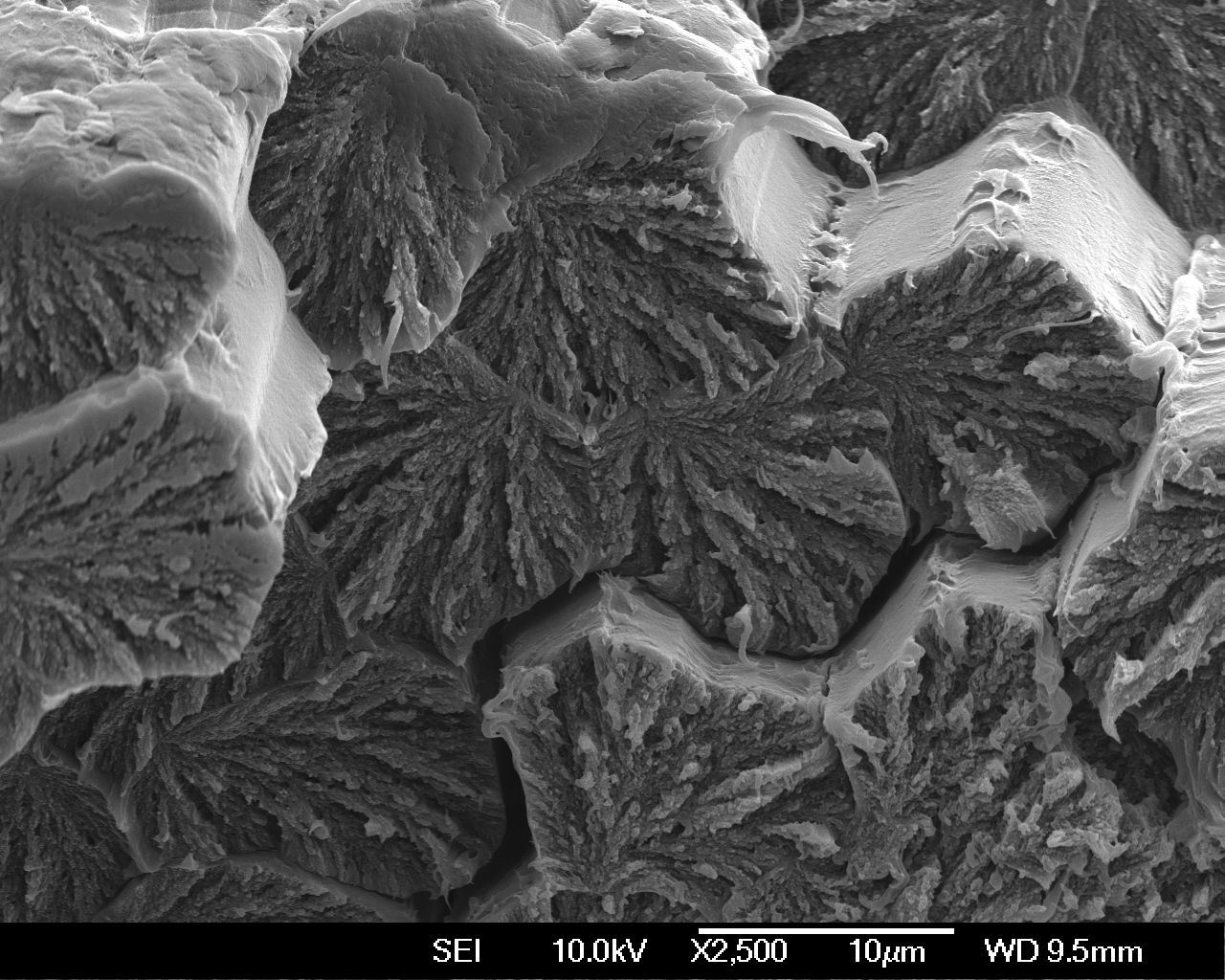
Fracture surface of an all-cellulose composite laminate showing failure within the matrix interphase

SEM micrograph of all-cellulose composite prepared by NaOH dissolution
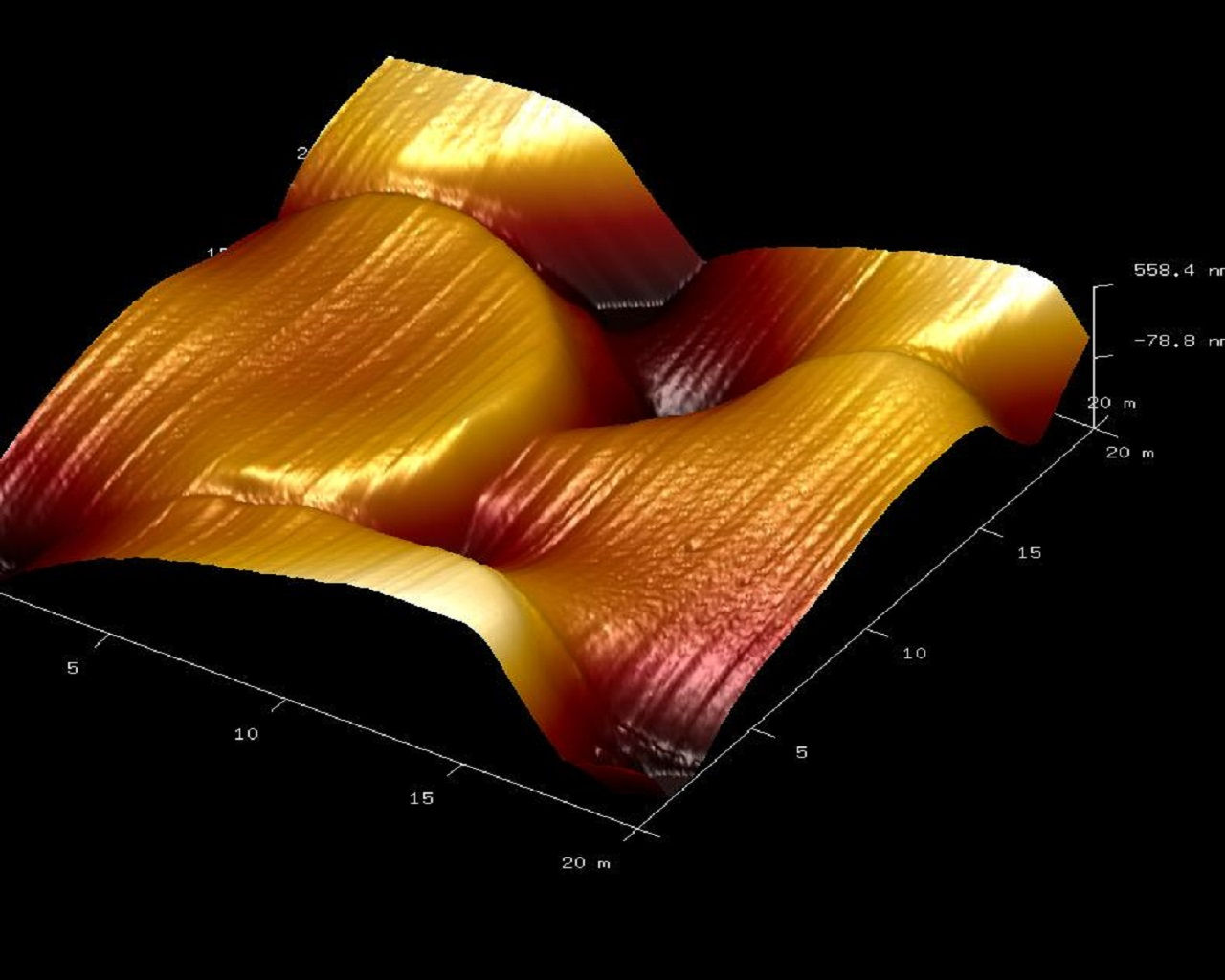
Surface topography of all-cellulose composite via atomic force microscopy
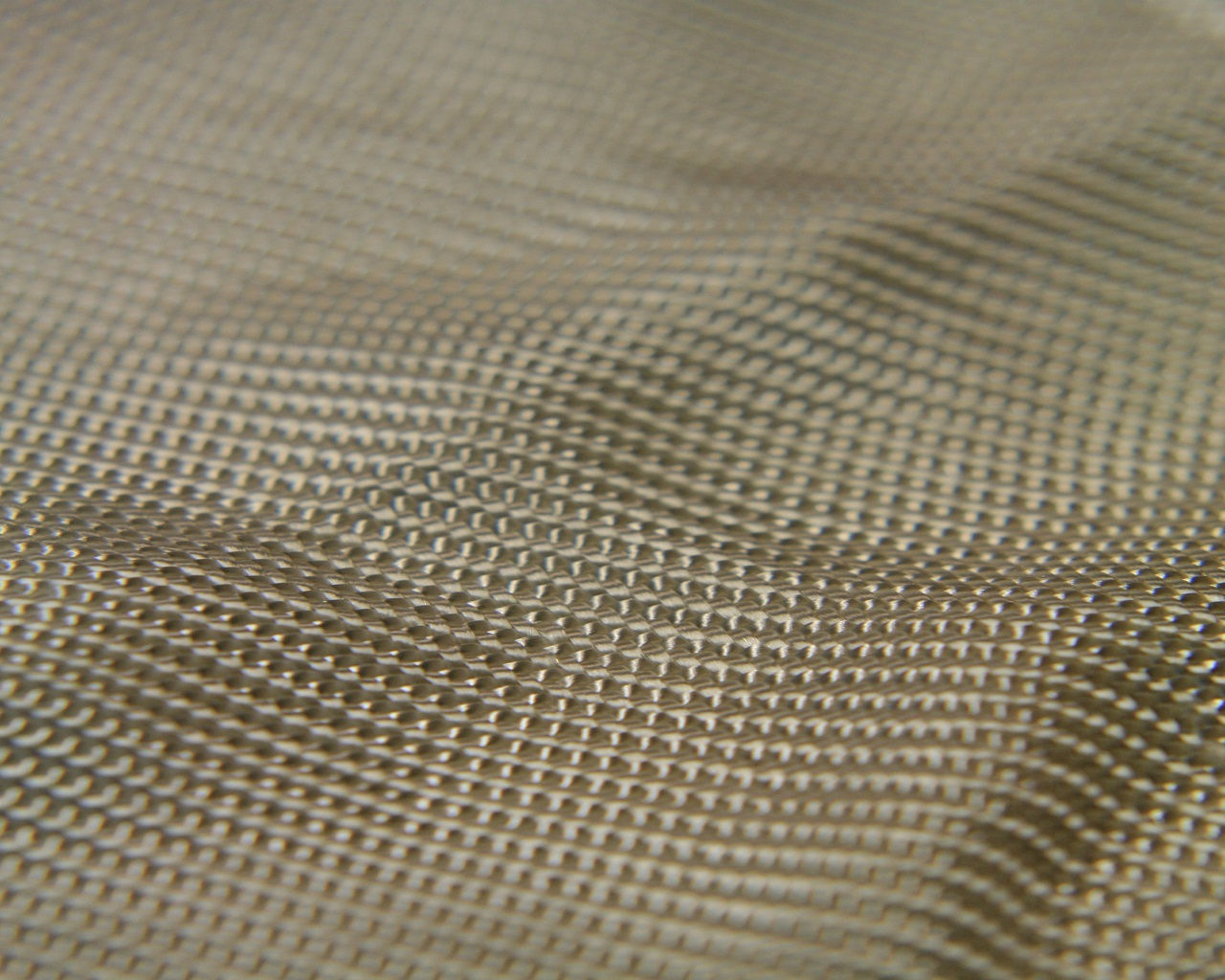
Technical woven textile of man-made cellulose fibres for bio-based composites applications
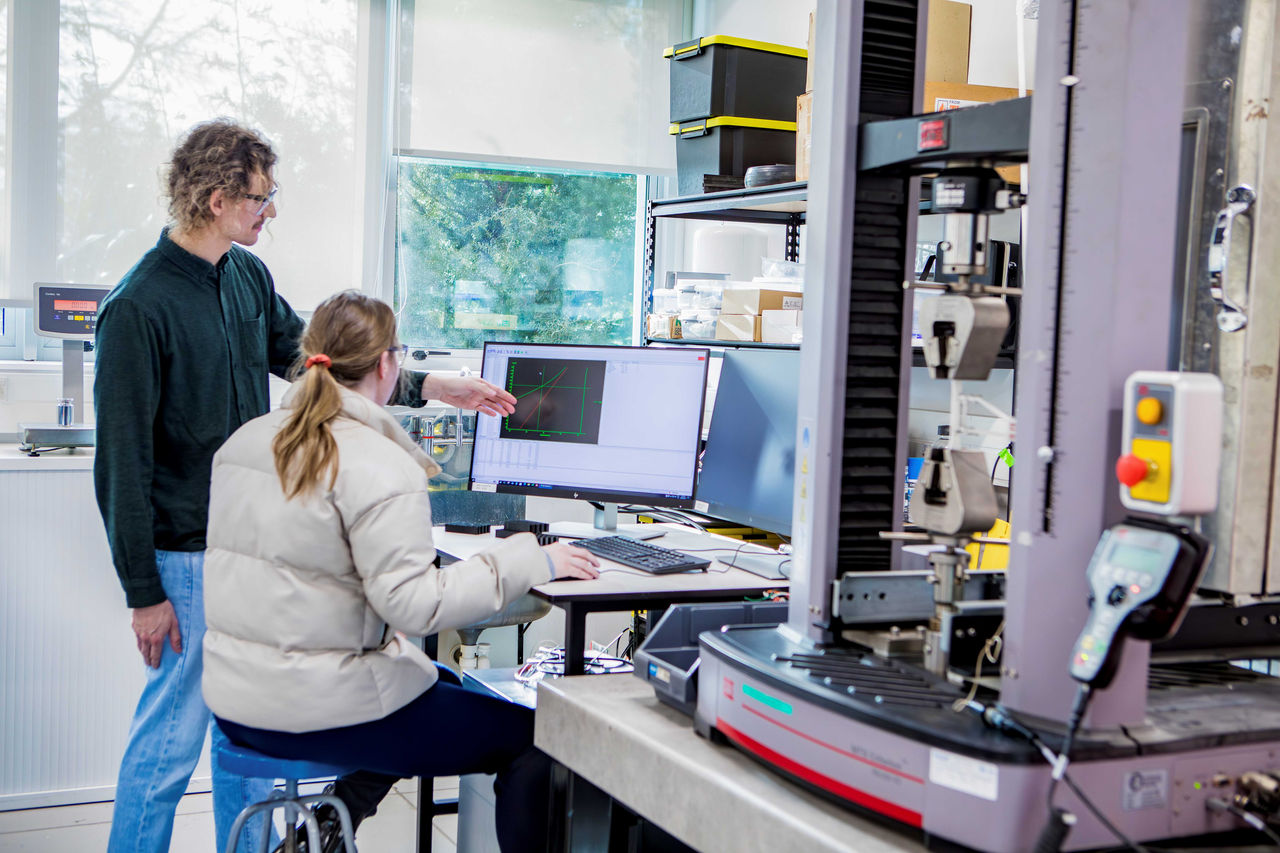
Mechanical testing and analysis of soft and hard materials
Current Postgraduate Opportunities:
Project Title: Frost-resilient grapevines for water-smart New Zealand vineyards
Project summary: University of Canterbury (UC) and Bragato Research Institute (BRI) are seeking a PhD research student to investigate new ways to identify grapevines with increased resilience to spring frost. This funded PhD offers the opportunity to work with an interdisciplinary academic-industry team on a challenge of direct importance to Aotearoa New Zealand's wine sector. The successful candidate will develop advanced expertise in thermal analysis, plant stress physiology, imaging, quantitative phenotyping, and predictive modelling, while contributing to research that could help vineyards adapt to future climate and freshwater constraints. We are seeking a highly motivated candidate with a honours or master’s qualification in mechanical, chemical, materials science, agricultural or environmental engineering; plant science; plant physiology; viticulture; horticulture; or a closely related discipline.
Funding/stipend: Tax-free stipend valued at NZ$32,650 per annum plus tuition fees
Application deadline: 15 September 2026
Project Title: Composite liquid hydrogen tank condition monitoring
Project summary: Globally, Fabrum is partnering with numerous companies and organisations who are developing liquid hydrogen aircraft that promise a cleaner future for the aviation industry. Fabrum supplies mission critical composite cryogenic tank technology, essential for the development of light-weight fuel systems. Presently, the enabling technology developed by Fabrum is being used by three separate aircraft developers under special test-flight certifications until 2027. The full qualification of the tank materials is needed ahead of both commercial deployment and aviation certification of the technology. However, the structural and vacuum insulation performance of the tanks over a lifetime of extreme temperature and pressure cycles is unknown. Additionally, the critical data and understanding needed to support such a qualification is lacking in the literature.
While the basic failure mechanisms of composite materials under cryogenic conditions are mostly described in the literature using small-scale coupon tests, there is a distinct lack of knowledge in terms of scaling effects under cyclic cryogenic conditions and how this translates to a full-scale structure.
The objective of this project is to build the key knowledge and methods to support qualification of Fabrum’s composite liquid hydrogen tanks. It will be achieved through conducting research in the following areas:
• Identification of the key failure mechanisms that limit the operational life of a composite storage tank by physically simulating the in-service cyclic conditions in coupons and full-scale structures.
• Determination of how scaling of results from laboratory coupon testing could be used to inform the monitoring of the in-service performance of storage tanks.
• Determination of required protocols for the safe in-service monitoring and maintenance of the tank technology, including non-destructive testing, performance testing and conditioning/servicing to determine lifecycles for replacement, that will be in-line with the emerging aviation certification standards.
The ground-breaking work in this project will help to propel Fabrum onto the global stage as a key supplier of liquid hydrogen storage technology.Funding/stipend: Funding is being sought; Applicants encouraged to apply for a UC Doctoral Scholarship
Funding/stipend: Funding from Applied Doctorates Scheme (ADS). Full tuition fees covered for 3 years. Tax-free annual stipend (NZD$36,212 per annum) for 3 years, with a 2% per year increase. Insurance costs covered for international students. Minimum 6 months embedded with an industry partner (Fabrum).
Application deadline: 10 September 2026 at 23:59 NZST. Apply at ADS website: Application Form: Doctoral Research Project Submission
Project Title: Bio-based composites in biocontrol applications
Project summary: Grapevine trunk diseases are serious and widespread problems in vineyard that are caused by various groups of fungi that may operate collectively (aka esca) to destroy entire vineyards, and is a multi-million dollar problem worldwide. Trunk diseases of grapevine are caused by numerous pathogens, including Eutypa lata, Phaeomoniella chlamydospora, and species of Botryosphaeriaceae (incl. Botryosphaeria and aggregate genera), Phomopsis and Phaeoacremonium. Since infections occur mainly through pruning wounds, that have been shown by previous research to stay susceptible for up to 6 weeks after pruning, long-term pruning wound protection is required for prevention of infection. We intend to develop a multifunctional/smart materials approach to help protect grapevines against a variety of fungal diseases. The concept is to apply simple degradable biomaterials that act as a barrier to the infiltration of fungi into grapevines, with the aim of protecting pruning wounds (the recognized infection court for fungal infection) during the first 6 weeks of healing. Further work will explore the feasibility of impregnating these material with bioactive molecules.
Funding/stipend: Funding is being sought; Applicants encouraged to apply for a UC Doctoral Scholarship
Application deadline: Apply any time
Project Title: Next generation bioaerogels
Project summary: The primary goal of prebiotic and probiotic supplements is to selectively enhance and deliver beneficial bacteria to the gut microbiome in order to restore the microflora balance. However, current methods of encapsulation provide highly variable efficacies in terms of potency due to the processing conditions, product storage, and physiological conditions within the gastrointestinal tract. The colon harbors the majority of the gut microflora although the pathway for probiotics to reach the colon is challenged by low pH found within the gastrointestinal tract. For instance, the pH can reach as low as 1.0 in the stomach, rising to 6.6 in the proximal small intestine and 7.5 in the ileum before falling sharply to 6.4 in the cecum, which is inhibitory to most bacteria, including probiotics. The goals of the research are to investigate novel methods of probiotic encapsulation and delivery that enhance the potency, efficacy and release characteristics of probiotics as nutritional supplements. We will combine our own detailed knowledge of processing of novel proteins and polysaccharide materials with our leading edge knowledge in prebiotics and probiotics science to innovate the oral delivery of probiotic bacteria to the gut microbiome. The vision is to create synbiotics (prebiotics + probiotics) with new types of encapsulant materials.
Funding/stipend: Funding is being sought; Applicants encouraged to apply for a UC Doctoral Scholarship
Application deadline: Apply any time

Areas of Expertise
Corrosion science and engineering; materials electrochemistry; microstructure–corrosion relationships; finite element modelling; electron microscopy; X-ray photoelectron spectroscopy; atomic spectroscopy
Research Interests
Passive film breakdown in corrosion-resistant alloys; evolution of localized corrosion in aerospace structures and life prediction; electrochemical additive manufacturing of multi-elemental alloys; electrochemistry at the micro- and nanoscale
Current Postgraduate Opportunities:
Project Title: Ions to Alloys: Electrochemical Additive Manufacturing of Multi-Element Alloys
Project summary: Electrodeposition underpins technologies ranging from microelectronics and biosensors to advanced energy systems. Yet, one of its most important scientific frontiers—predictive multi-metal alloy deposition—remains fundamentally unsolved. This project aims to address this long-standing challenge by transforming electrochemical additive manufacturing into a high-throughput, spatially resolved platform for theory development. In-situ atomic spectroelectrochemistry using a scanning droplet flow cell, combined with in-situ FTIR spectroscopy, will provide time-resolved, element-specific flux measurements to directly interrogate electrolyte speciation and selective elemental deposition. Correlated microscopy will link transient elemental flux imbalances to nucleation and growth dynamics, enabling the development of a mechanistically grounded framework for predictive multi-metal electrodeposition.
Funding/stipend: Funding is being sought; Applicants encouraged to apply for a UC Doctoral Scholarship
Application deadline: Apply any time
Project Title: Origin of Everything: Nanoscale Mechanisms of Passive Film Breakdown
Project summary: Nanoscale heterogeneity in passive oxide films that spontaneously form on metal and alloy surfaces ultimately determines their corrosion resistance, yet the origin and evolution of this heterogeneity remain poorly understood. Consequently, the design of corrosion-resistant alloys remains largely empirical. This project will investigate the “invisible” compositional and crystallographic heterogeneity within passive films in relation to alloy composition and microstructure, including grain boundaries and crystallographic orientation. Advanced techniques such as atomic force microscopy, electron microscopy, and element-resolved electrochemistry will be used to uncover the nanoscale mechanisms governing passive film stability and breakdown.
Funding/stipend: Funding is being sought; Applicants encouraged to apply for a UC Doctoral Scholarship
Application deadline: Apply any time
Project Title: Point of No Return: Kinetics of Localized Corrosion in Aerospace Structures
Project summary: Corrosion of high-strength aluminum alloys remains a major challenge for aerospace structures. While the mechanisms of corrosion are relatively well understood, the kinetics of pit growth and the evolution of corrosion morphology—which ultimately control structural failure—remain poorly quantified. This project aims to develop accelerated laboratory methods to reproduce realistic corrosion damage observed under service conditions. In-situ microscopy will be used to monitor corrosion evolution in real time, while MATLAB-based image and video analysis will extract quantitative information on corrosion kinetics. The resulting damage morphology will then be correlated with fatigue life to develop predictive models identifying the “point of no return” for structural integrity.
Funding/stipend: Funding is being sought; Applicants encouraged to apply for a UC Doctoral Scholarship
Application deadline: Apply any time

Inhouse design and manufacture of biodegradable biomaterials for use in orthopaedic devices

Consulting and R&D on materials-related challenges

Mechanical testing of polymeric and composite materials

Areas of expertise
Materials processing and heat treatment, mechanical testing and thermomechanical analysis
Research interests
Application of mechanical testing and thermomechanical analysis techniques; study of material properties and performance; processing-properties relationships of materials; computational modelling of materials

Fibre welding in an all-cellulose composite via ionic liquid dissolution

Determination of matrix volume fraction in an all-cellulose composite via image analysis

Non-contact optical extensometer used to measure tensile strains during mechanical testing

Atomic force microscopy for characterisation of the nanostructure of fibrillar materials

Tensile testing of metallic alloys
Areas of expertise
Electron microscopy and materials characterisation, failure analysis and metallography, atomic force microscopy and surface characterisation
Research interests
Application of electron microscopy techniques including SEM, EDS, and EBSD for compositional and crystallographic analysis; nanoscale surface characterisation using atomic force microscopy; failure analysis and metallographic investigation of engineering materials; processing-properties relationships in structural and high-temperature alloys

Failure anlaysis of industrial components and products for industry and commercial partners

