

Summer Startup Cohort 2026/27
28 October 2026
HOW TO APPLY
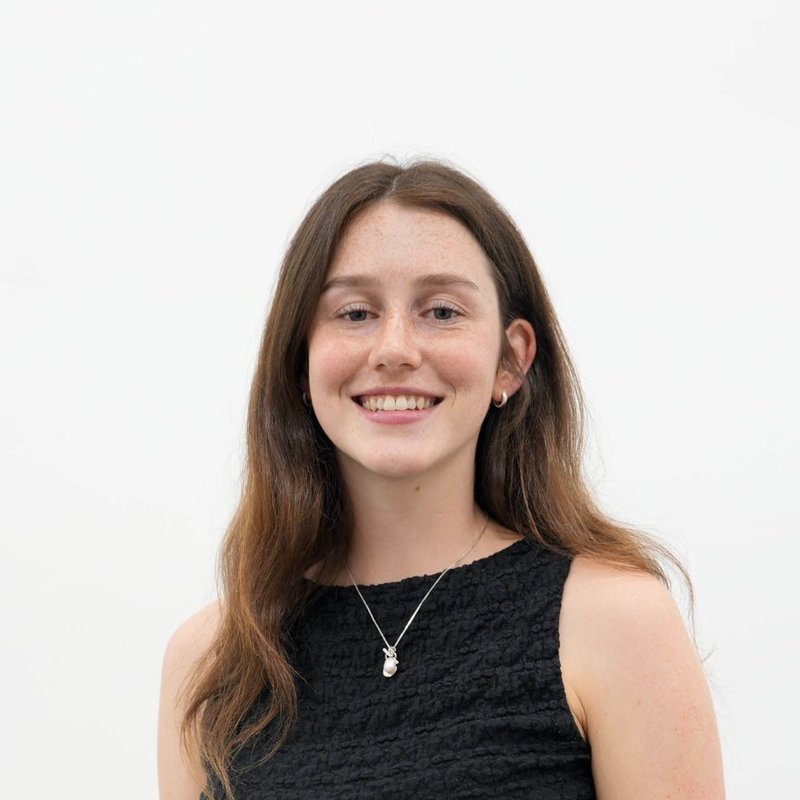
Emily O'Connor - Master’s in Business
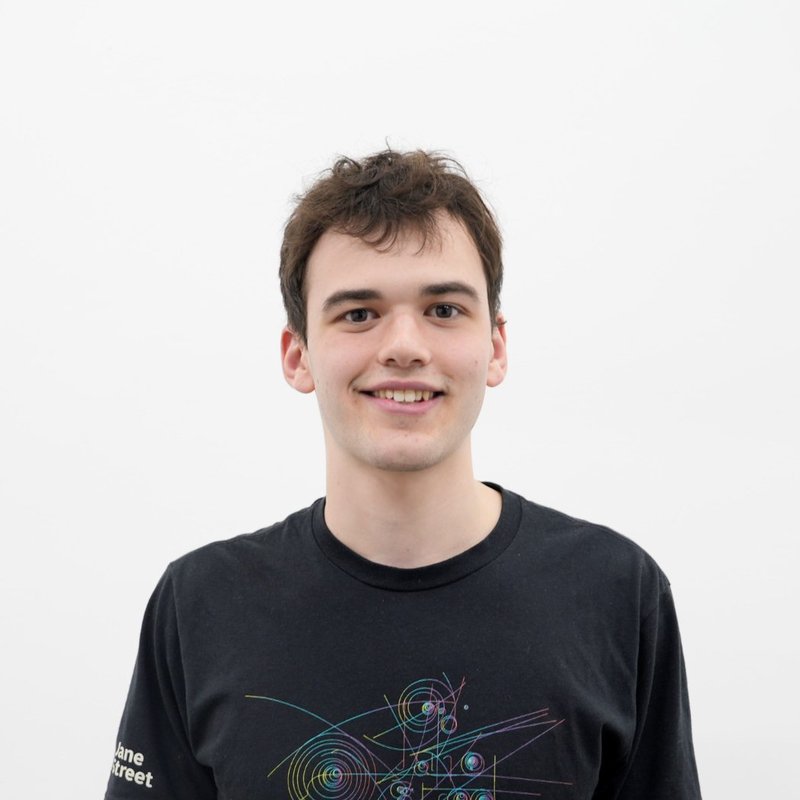
Archer Simpson - Bachelor of Engineering with Honours in Software Engineering
Other Founders: Axel McKenna, Noah Mellish-Temple & Stella Henry
68.9% of New Zealand building consent applications get hit with a Request for Information (RFI). Each one can add weeks of delay and reads like a verdict on the applicant’s competence, even when the design was sound.
Our goal at ARRO is to take nationwide consenting delays from weeks to hours.
ARRO is a consenting intelligence platform for architects. Feed ARRO your plans and our AI enabled engine will highlight any components within the drawing that are likely to generate an RFI when submitted to the council, so that you can have the opportunity to review and amend the documentation before it is sent off.
Fewer RFIs. More bullseyes
Ballet Branded
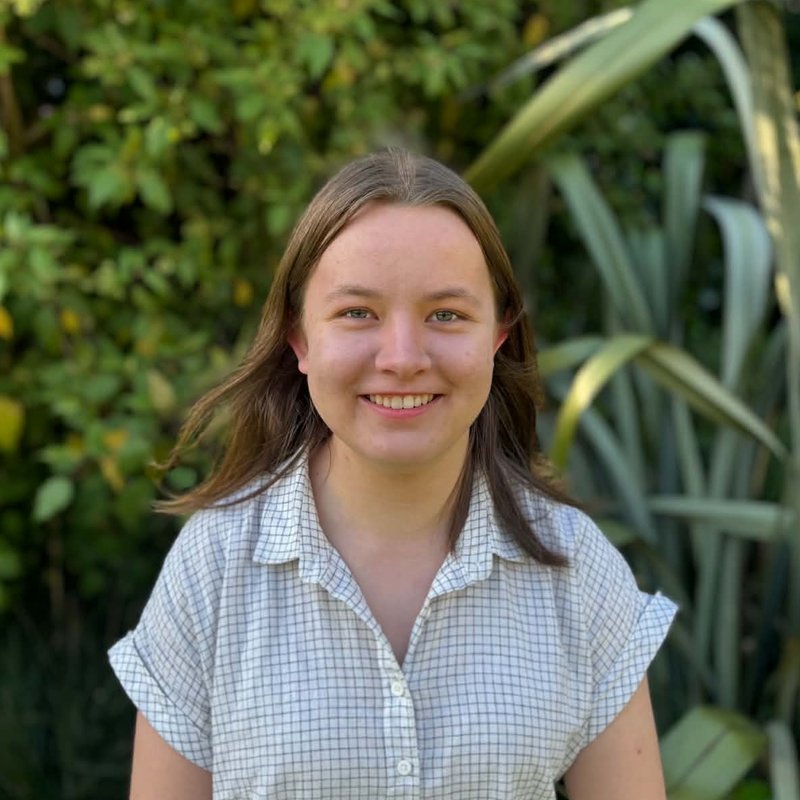
Monique Camden - Bachelor of Product Design in Industrial Product Design
The goal of Ballet Branded is to create custom pointe shoes for all dancers, beginner to professional, which are made to last. A stronger, more fitting shoe combining tradition with innovation.
Upon buying a pair of shoes, many dancers must break them. They may snap the shank to support their unique arches, rip out elastic and pinch the heel just to reach a comfortable fit. Not to forget the darning of the box and sewing of the ribbons.
We should be listening to dancers before they are fitted, working out exactly what elements they need before creating the shoe. If pointe shoes are hand crafted, why are they not crafted with a little more care?
Fitoff
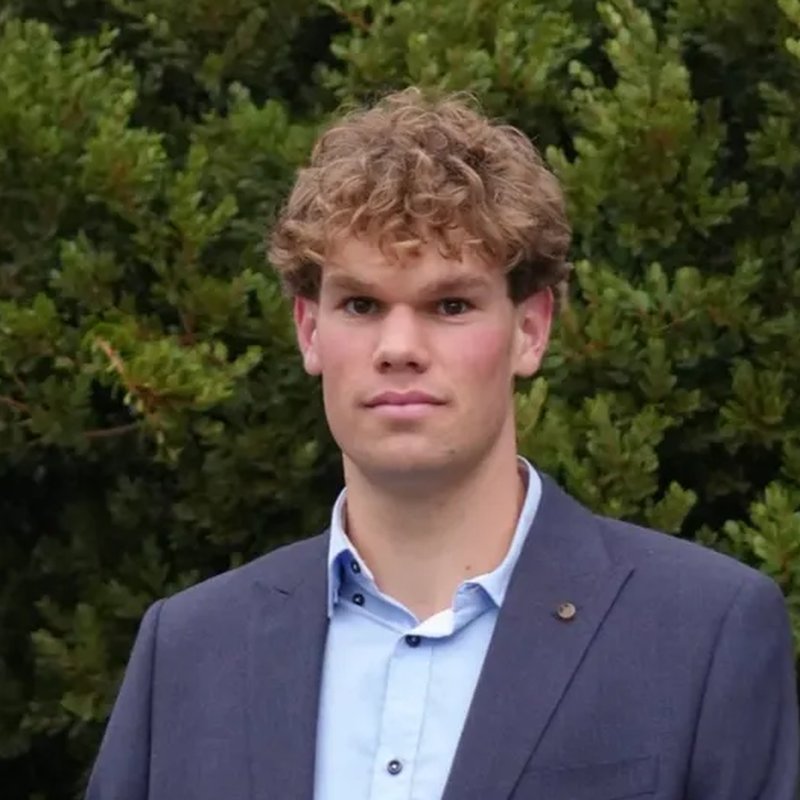
Zac Hintz - Bachelor of Commerce in Finance & Accounting
Most small trade businesses are guessing when they price a job. Owners quote from memory, usually after a full day on the tools, and most have no way of knowing whether their prices are right because there’s nothing to compare against. Small jobs are hit hardest, since the time spent quoting, invoicing and chasing payment can wipe out the margin.
Fitoff turns a firm’s past jobs into the quote for its next one. It learns what the business has charged before and what each job actually cost, then proposes a quote in minutes for the owner to approve. It adds no extra work for the person on site.
New Zealand alone has around 80,000 small construction businesses, almost 98% of the industry. Fitoff is built for plumbers, electricians, builders and other trades, starting in New Zealand and Australia.
Global Cargo Space
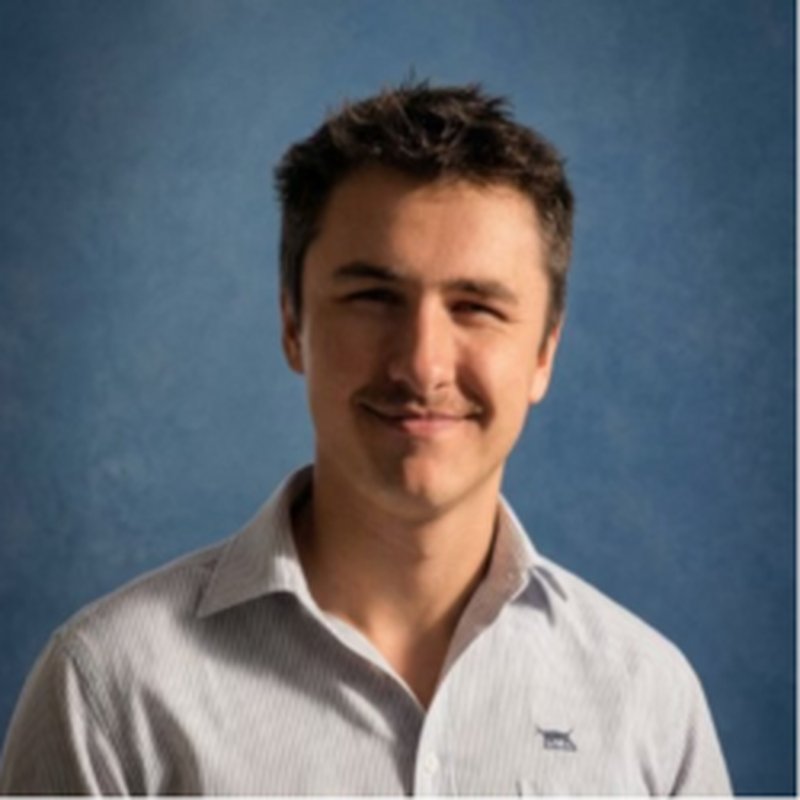
Lewis Turner - Bachelor of Commerce in Entrepreneurship and Innovation (Lincoln University)
Global Cargo Space is a New Zealand sea freight marketplace that connects importers and exporters with verified freight providers.
Arranging international freight is still a slow, manual process. Businesses email several providers individually, wait days for responses, and receive quotes in different formats that are difficult to compare. Once a shipment is booked, the documents, updates and correspondence end up scattered across email threads.
Global Cargo Space replaces that with a single platform. A business enters its shipment details once, and trusted New Zealand freight companies compete for their shipment. Every quote appears side by side, showing the price, transit time, what is included and each provider’s rating, so the business can choose with confidence.
Once a provider is chosen, messaging, documentation and shipment tracking are managed in one place through to delivery. For freight providers, the platform delivers qualified, ready-to-quote shipments directly, without the cost of finding them.
Grounded
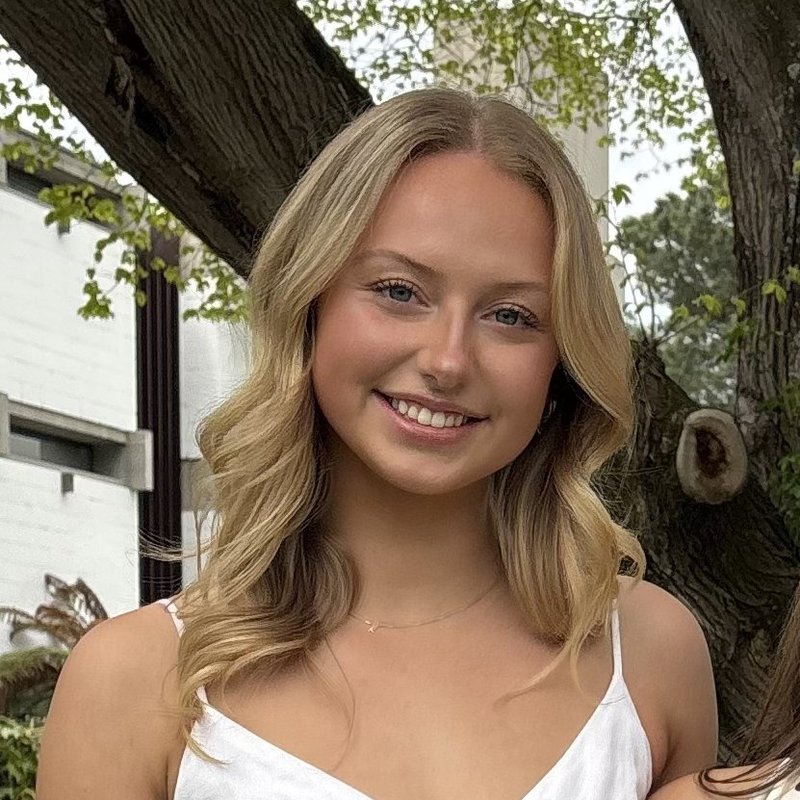
Ruby Robinson - Bachelor of Commerce in Accounting with minor in Innovation
Grounded is a student wellbeing venture designed to help young people build positive everyday routines through simple, guided and screen-free experiences. Its first product, Grounded 66, is a 66 day guided wellbeing journal combining daily reflection prompts with small, achievable real world actions. Grounded aims to make looking after mental wellbeing feel simple, accessible and enjoyable, empowering young people to build healthy habits, prioritise themselves and create lasting positive change in their everyday lives.
Hanki NFC Contact Tracing
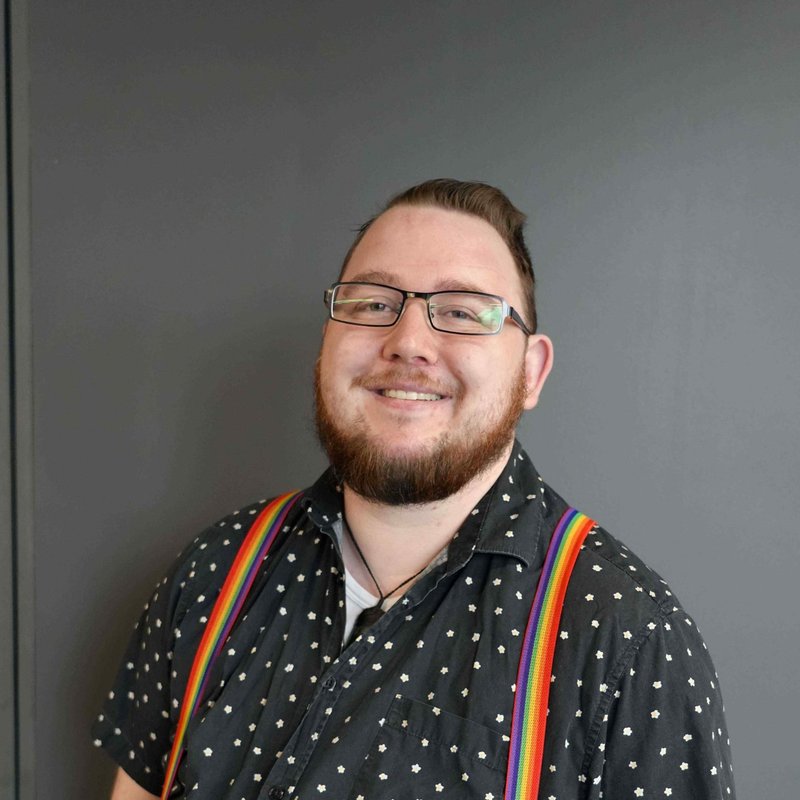
Sage Anastasi - Doctor of Philosophy (PhD)
An HIV diagnosis is a life-altering event. Contact tracing procedures have many pain points for our communities. We’re expected to name partners and recall details during a crisis, when we might not even have their names and numbers in the first place. Details blur. Faces fade. Warnings never arrive. Transmission chains stay intact.
Our team is building a better sexual health contact tracing system. We’re using NFC technology to create private, anonymous, one-tap connections. Your info stays on your phone – we don’t learn who you meet. We send sexual health alerts through an encrypted server, the same way WhatsApp and Signal protect your messages. We’re even making NFC wearables and keychains so that you can use our system without getting out your phone.
Kiwi Blind Boxes
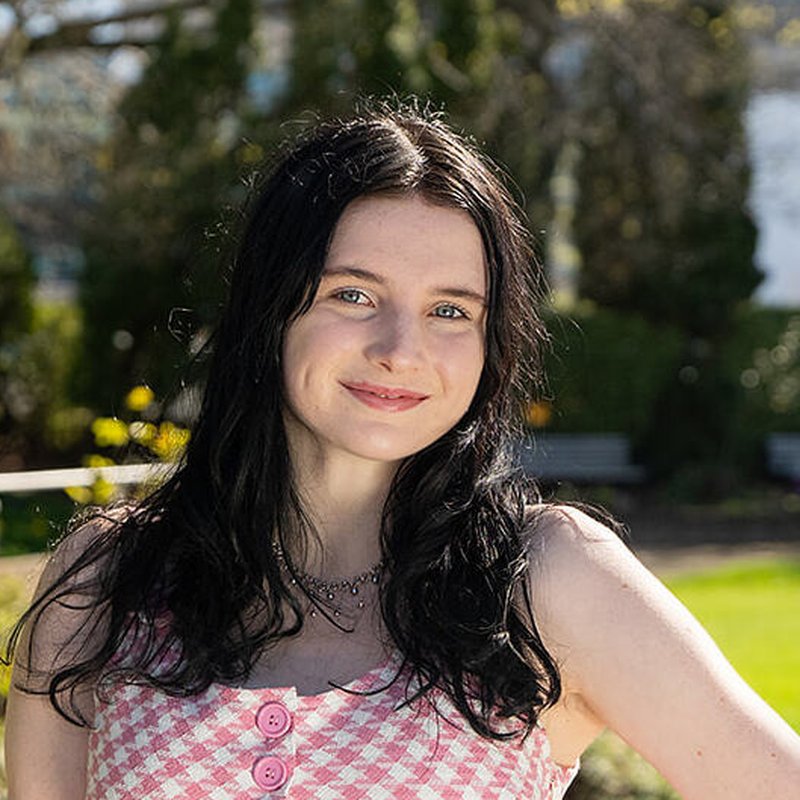
Naomi Tull - Bachelor of Digital Screen with Honours in Game Development with minor in Computer Science
New Zealand is home to over 200 native bird species, and with extinction rates rising rapidly, we’re set to lose far too many of them. With 56 species already completely extinct since human settlement, it’s time to change the narrative and protect our precious taonga before it’s too late.
Kiwi Blind Boxes is a product with a social impact.
By combining social trends and youth aesthetic values with our natural environment, we are creating unique designs for the planet and showcasing New Zealand’s national identity at the same time. With portions of each purchase being sent straight back to the species who need it, this is a product with an impact, and a vision for a brighter Aotearoa.

Mahino Project
Furgus McMullan - Bachelor of Engineering with Honours in Biomedical & Mechanical Engineering
The Mahino Project it is a collaboration of clinicians, students, academics and engineers across Aotearoa New Zealand and the Kingdom of Tonga. The team spans public health, audiology, otolaryngology, nursing, biomedical engineering and product design.
The project is grounded in core Tongan values: faka’apa’apa (respect), anga fakatokilalo (humility), tauhi vaha’a (healthy relationships) and feveitokai’aki (mutual honouring).
It responds to the large gap in healthcare infrastructure and workforce training opportunities between New Zealand and our Pacific neighbours through sustainable capacity transfer.
The current focus is on developing accessible and affordable earing health tools to be used in nursing education. A focus is being placed on the use of 3D printing in Tonga to produce diagnostic tools from within the healthcare system; reducing the high burden of ear disease and freeing up tertiary healthcare resources. All projects focus on safety, preferences of the end-users, and repair for long term use.
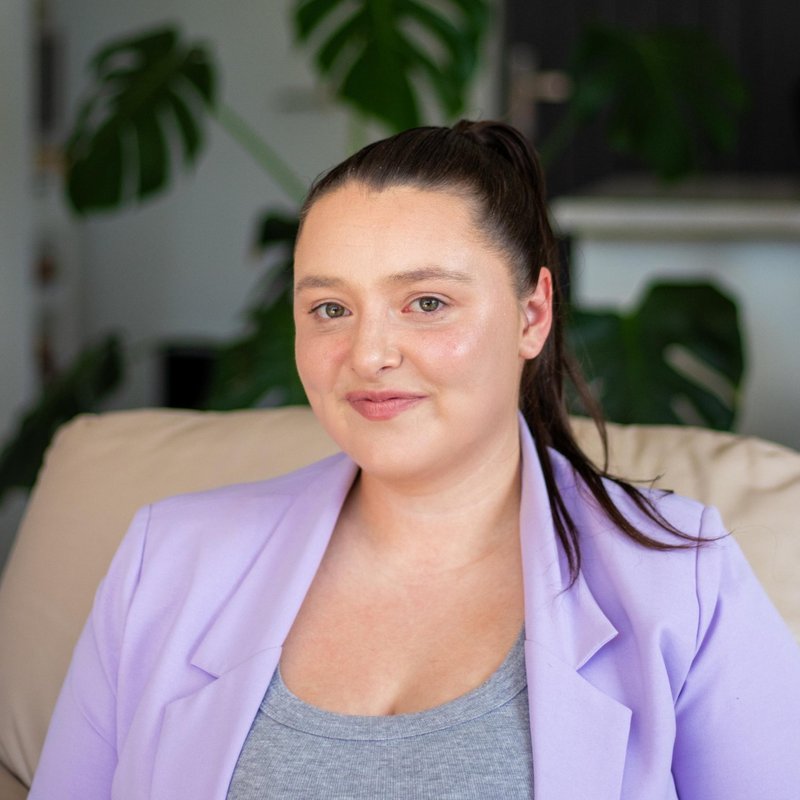
Melt
Bounty Courage - Bachelor of Product Design in Chemical Formulation Design
What if your shampoo could disappear without the bottle?
Melt is reimagining the way we use shampoo through an innovative liquid shampoo capsule designed to dissolve completely in water. Inspired by the convenience of laundry pods, Melt aims to combine the familiarity of liquid shampoo with a new approach to packaging.
The venture is exploring the potential of bio-derived, water-soluble materials to create a capsule that holds liquid shampoo but disappears when it’s time to use it.
The vision is simple: keep the shampoo you love, rethink the packaging, and leave nothing behind.

Mobey
Reuben Knight - Bachelor of Product Design in Industrial Product Design
Poor posture is our generation’s smoking.
Spinal pain and deformity are becoming increasingly prevalent in young people due to stooping over devices and slouching at computers, creating a growing global health challenge with long-term impacts on respiratory function, musculoskeletal pain, and joint function. I bet you’re sitting up straighter already...
I have worked alongside my father, a high-performance physiotherapist, to develop Mobey, a novel home therapy device designed to progressively mobilise the spine and counteract excessive upper-back curvature.
The resulting design is an integrated mat that delivers comfortable, clinically guided treatment through carefully developed inflation protocols that stretch and stimulate the deep postural muscles, combining scientific research with years of clinical physiotherapy experience.
Mobey is effortless to use because spinal health should be easy.
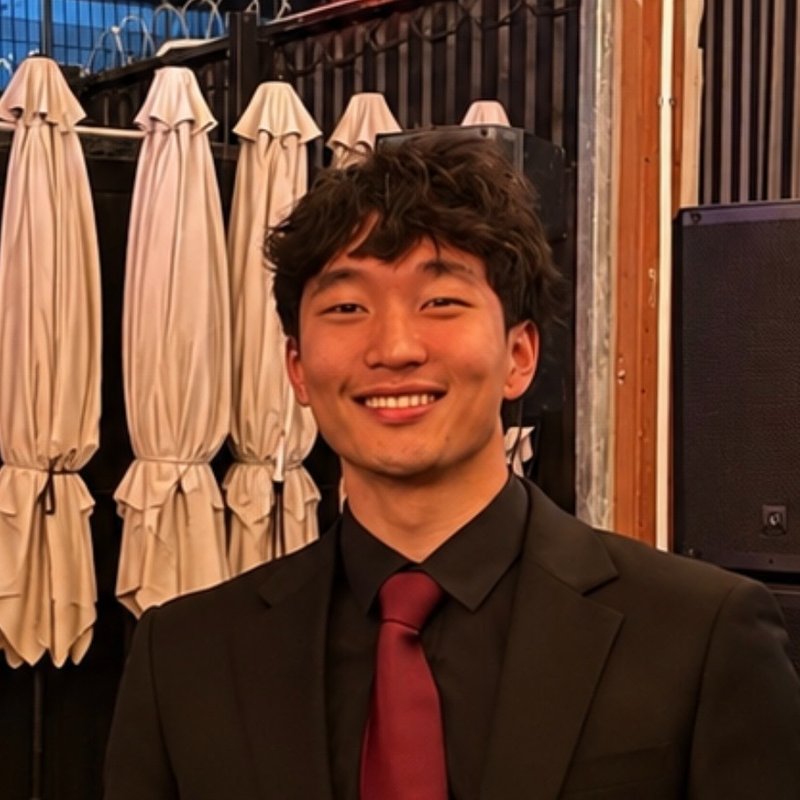
OliveAI
Daniel (Joohyung) Uhm - Bachelor of Science in Financial Engineering
OliveAI makes lectures easier to follow with live transcription and translation, helping students learn across language and accessibility barriers. It turns lecture content into organised notes and AI-powered study resources, so students can focus on understanding in the moment and revisit key ideas afterwards.
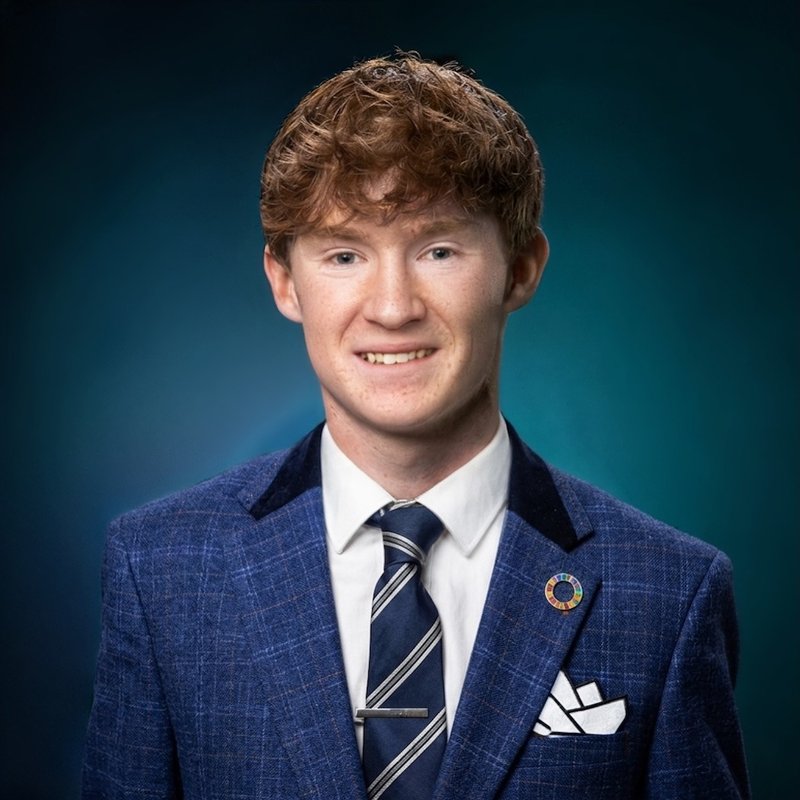
Openfield
Cairo Akehurst - Bachelor of Science in Computer Science
Openfield is making farm monitoring easier and building the foundation for AI to help farmers run their operations.
Farms use sensors to measure things like water use, tank levels, soil moisture, and weather. However, connecting these sensors often requires complicated installation, different software systems, and multiple subscriptions. The information ends up spread across separate apps, leaving farmers to piece it together and work out what needs attention.
Openfield is developing one system that connects existing sensors and brings their information together. Our hardware and guided setup make installation simpler, while our online platform allows installers to check equipment, troubleshoot problems, and manage customer sites remotely. For farmers, this means less time checking equipment and comparing dashboards, with clearer information to help catch leaks, empty tanks, and equipment failures earlier.
We are starting with agricultural water monitoring and working through the installers and monitoring companies that already support farms. This allows farmers to keep using equipment they own and work with service providers they trust.
Our longer-term goal is to become the gateway between agriculture and AI. AI needs more than isolated readings; it needs to understand what each sensor measures, where it is, and how it relates to the wider farm. Openfield will make that connected information available to the next generation of AI applications, enabling them to identify problems, recommend actions, and automate routine work.
Our vision is simple: farmers should not have to spend their day managing technology or interpreting data. The technology should do that work in the background so they can focus on farming.
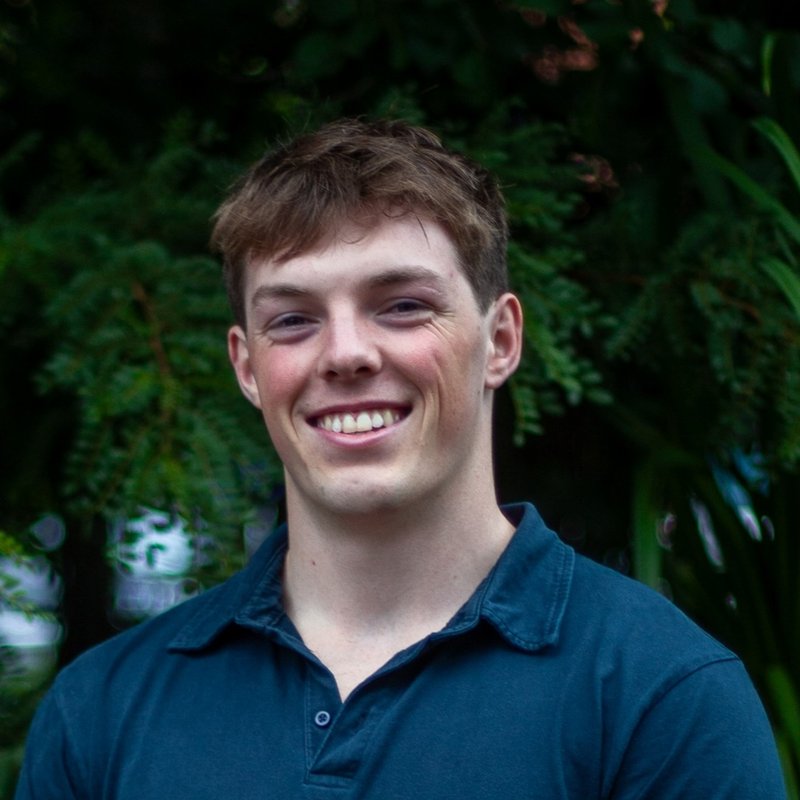
Presavelle
Liam Bately - Bachelor of Engineering with Honours in Biomedical & Mechanical Engineering
Presavelle is developing a low-cost pressure-sensing mat to help healthcare teams recognise prolonged loading and intervene before a pressure injury develops. These injuries can cause significant pain and disrupt recovery, yet early warning signs can be difficult to identify, particularly in darker skin tones.
Our approach combines a thin sensor grid with software that maps pressure over time. The aim is to give nurses a clear picture of where pressure is concentrated and how long it has persisted, supporting timely repositioning and more informed care.
Founded by University of Canterbury engineering student Liam Bately, the venture builds on research into pressure injury detection and early prototyping supported by the New Zealand Wound Care Society. Initial work focuses on testing individual sensors, developing a larger sensing grid, and exploring how pressure data can be translated into useful alerts.
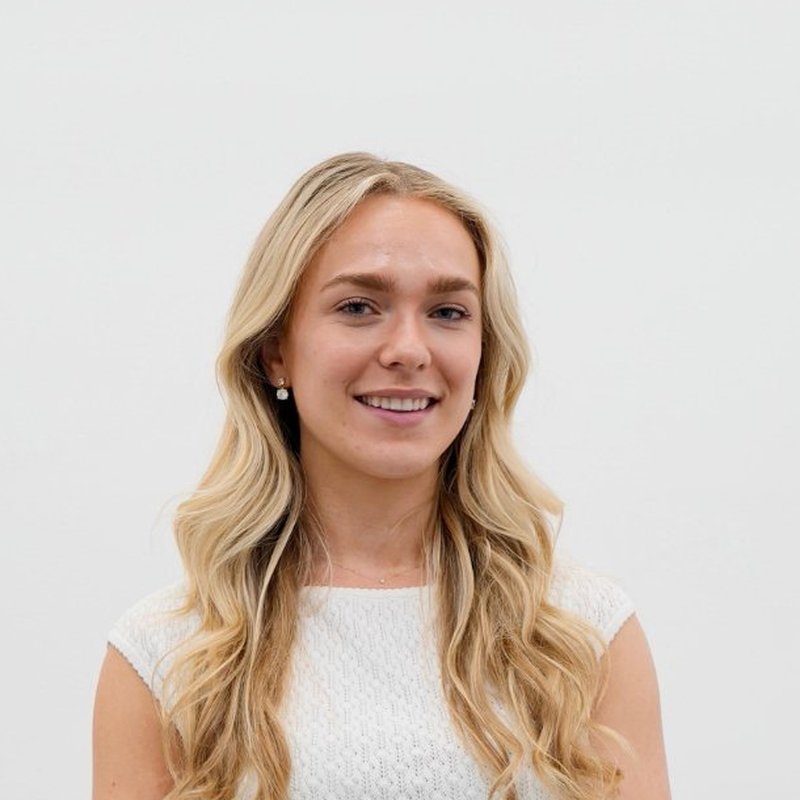
Second Self
Skye Robb-Watson - Bachelor of Science in Finance with minor in Biological Sciences
Do you ever wish there were two of you?
Second Self is a membership-based personal assistant service designed to give you your time back for the things that are most important to you. Our assistants take care of your bookings, your errands, and your life admin that never quite ends.
Every assistant is vetted and trained, and works in person or remotely, depending on what suits you. Book by the time that works for you with your preferred assistant.
Founder Skye Robb-Watson spent two years as a personal assistant, with clients asking for more help than she could take on alone. So she built Second Self, and developed the app that facilitates it, keeping your preferences, communication, bookings and billing in one place.
Launching in Christchurch first.
What do you wish you had more time for?
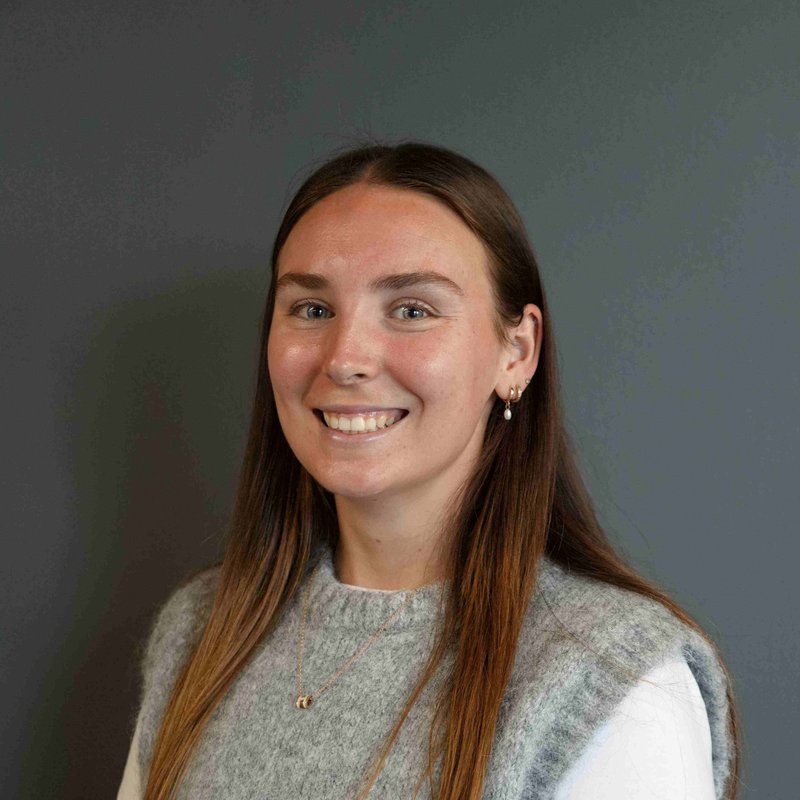
Soloist Solutions Ltd
Emily Lambie - Bachelor of Laws & Bachelor of Commerce
Soloist Solutions is a Christchurch-based software venture that creates custom software for businesses outgrowing their spreadsheets.
Many small and medium businesses run on a patchwork of disconnected spreadsheets for staff, stock, sales and bookings. Soloist Solutions replaces these with a single, tailored platform that includes a live dashboard, so owners and managers can see their whole operation in one place and spend less time on admin.
Its first major project is AquaOps, a web-based application being developed for Christchurch City Council. AquaOps is designed to save time, improve efficiency and lift staff productivity by simplifying the way aquatic facility teams are scheduled and managed.
Founded by Emily Lambie, a University of Canterbury Law and Commerce student, Soloist Solutions aims to make professional-grade, personalised software accessible to local organisations.
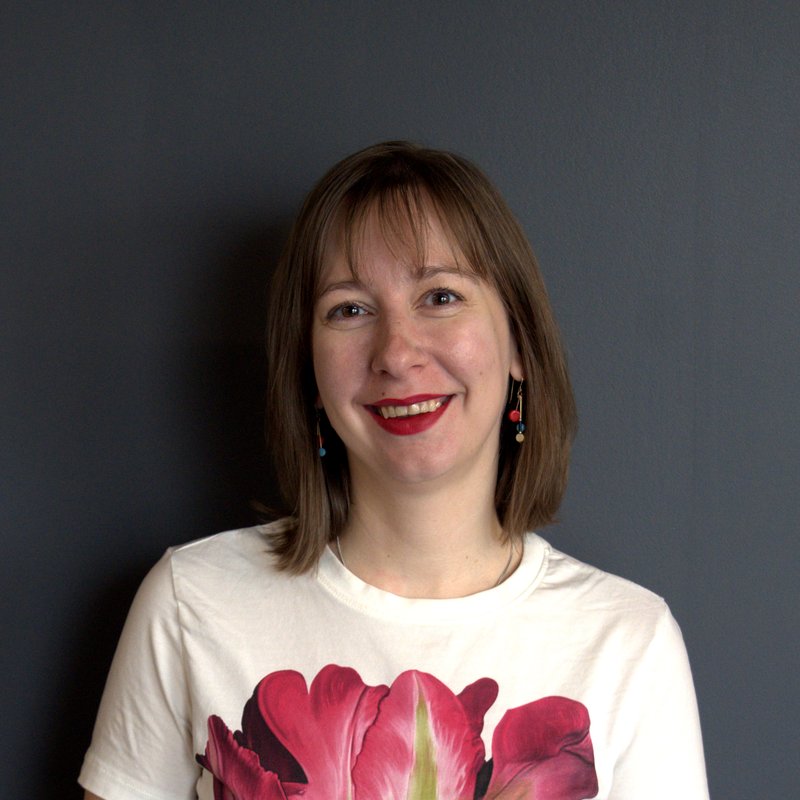

Totari
Anna Krupp - Master’s in Human Interface Technology
Asha Veach - Master’s in Human Interface Technology
Mark submitted a great job application. He used AI to polish his CV and came prepared with a rehearsed example for every interview question. But six months into the job, a customer gets the wrong delivery because of Mark’s mistake. Instead of owning it, he blames the warehouse and argues. The customer leaves a scorching review, the relationship is severed, and the contract is lost, costing the business thousands in revenue.
The moments that reveal true character are almost impossible to catch in a standard interview. That’s why we built Totari. We create immersive, job-specific simulations where candidates make real-time decisions, then sit down with their interviewer to talk through their choices. No scoring system, no right or wrong answers. Instead, we put human judgment back at the center of the hiring process by creating a shared experience to observe, discuss, and reflect on.
Totari offers an immersive, gamified interview experience where candidates navigate real job scenarios, helping employers see the true substance beneath the polish.
So the person you hire in the interview is exactly the person who turns up to work.
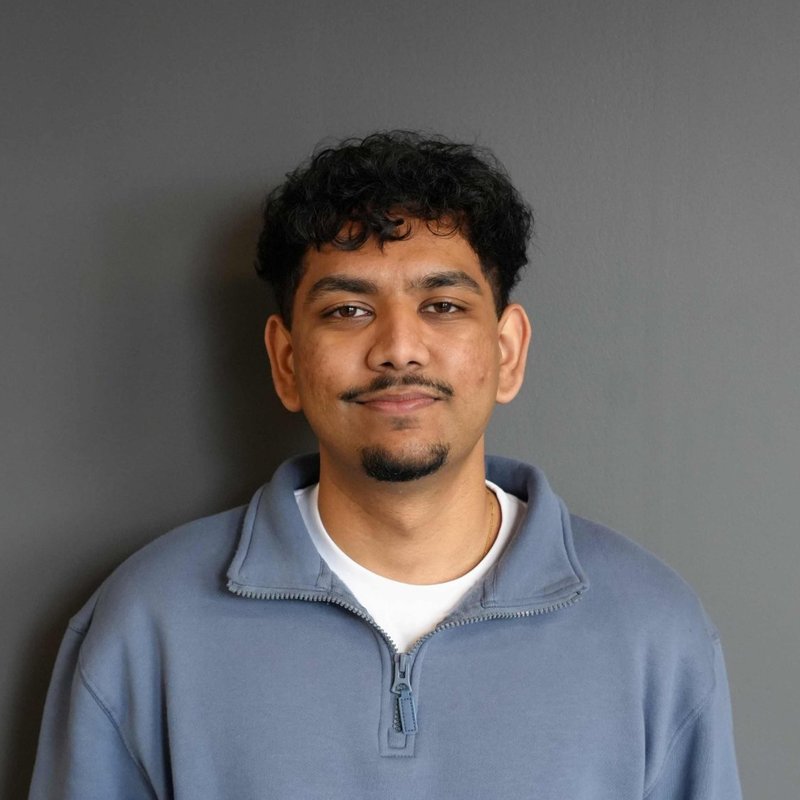

WoundNexus
Aditya Gupta - Bachelor of Engineering with Honours in Mechatronics Engineering
Allen Panikulam - Bachelor of Engineering with Honours in Computer Engineering
Himath Podiappuhami Mudiyanselage - Bachelor of Engineering with Honours in Chemical and Process Engineering
For people with diabetes, a small wound can cost them a limb. WoundNexus exists to stop that from happening.
We are building a personalised wound-care platform that scans, tracks and treats every wound as the individual it is, combining computer vision, smart biomaterials and 3D printing.
Diabetes turns minor wounds into major threats. Poor circulation stalls healing. Nerve damage hides injuries until they are serious. Infection sets in fast. Too often, the end result is hospitalisation or amputation.
Yet wound care hasn’t kept up. Products are built for the “average” wound, not the patient in front of you. Progress is judged by eye and recorded inconsistently. A wound can stop healing for weeks before anyone notices, and by then, it’s often too late.
We flip the model. We start with the wound, not the product.
A clinician scans the wound with a phone or tablet. Our computer-vision system maps its size, depth and tissue and builds a precise 3D model. That data drives a custom treatment: a protein-based hydrogel, spray, cream or dressing, formulated and 3D-printed for that exact wound.
Every scan builds a living record of the wound’s healing. Clinicians see instantly whether it is on track, and our system flags stalled healing or warning signs before they escalate. As the wound changes, the treatment changes with it. No guesswork. No missed decline. Just one clear, shared record that supports every clinical decision.
Patients get care built for them and see their progress. Clinicians get objective data and early warnings. Hospitals and aged-care providers cut complications, bed-days and costs. And by turning biological by-products into medical materials, we build a more sustainable bioeconomy.
Our mission: start with diabetic wounds, and end one-size-fits-all wound care for good.

