
About Cass




Overview
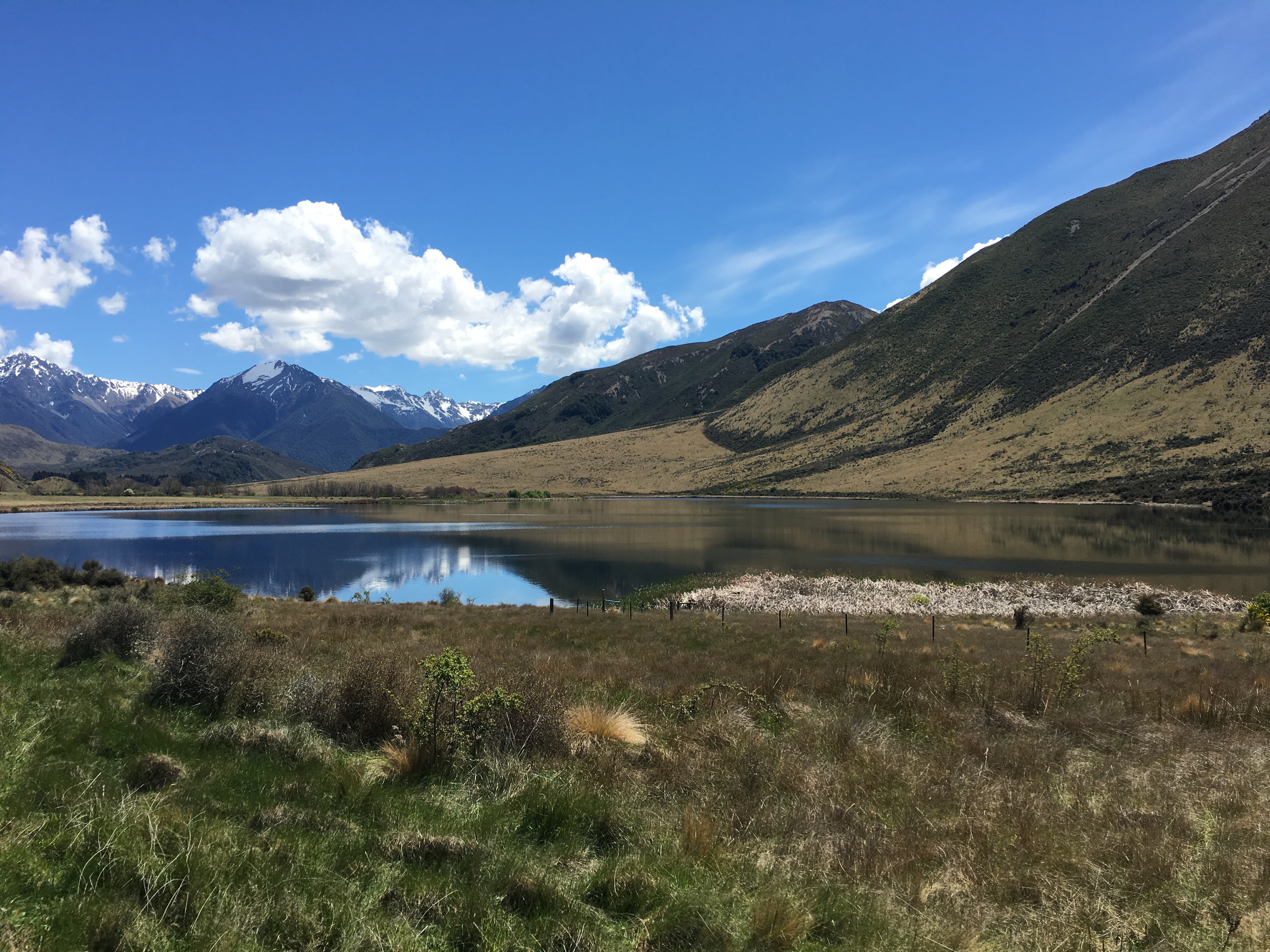
Nestled in the Upper Waimakariri Basin in the heart of the Canterbury high country, Cass Field Station is one of the University of Canterbury's most significant teaching and research sites.
Set within the 1,700-hectare Cass Mountain Research Area, the station provides direct access to alpine, freshwater, grassland and forest ecosystems that support hands-on learning and world-class environmental research.
Established in 1914 as the Canterbury College Mountain Biological Station, Cass has more than a century of history as a centre for field-based education and scientific discovery.
Today it continues to serve students, researchers, community groups and international collaborators, providing accommodation, teaching laboratories and access to long-term research sites and datasets.
For generations of UC students, Cass has been a classroom unlike any other. The station supports residential and day-trip teaching across biology, geography, geology, forestry, freshwater science and environmental management.
Students gain practical experience in real-world environments, developing field skills, scientific observation, teamwork and problem-solving abilities.
Several courses rely heavily on Cass, including WATR203 Freshwater Science Field Skills and BIOL305 Practical Field Botany, a flagship course delivered entirely in the field.
The station also hosts international students through the Frontiers Abroad programme, providing immersive experiences that showcase New Zealand's unique environments and research culture.
For generations of UC students, Cass has been a classroom unlike any other. The station supports residential and day-trip teaching across biology, geography, geology, forestry, freshwater science and environmental management.
Students gain practical experience in real-world environments, developing field skills, scientific observation, teamwork and problem-solving abilities.
Several courses rely heavily on Cass, including WATR203 Freshwater Science Field Skills and BIOL305 Practical Field Botany, a flagship course delivered entirely in the field.
The station also hosts international students through the Frontiers Abroad programme, providing immersive experiences that showcase New Zealand's unique environments and research culture.
Cass supports research across ecology, freshwater science, geology, climate science, forestry, environmental management and natural hazards.
Its combination of diverse ecosystems, long-term university stewardship and dedicated facilities creates opportunities that cannot easily be replicated elsewhere.
The station is particularly valuable for long-term studies, experimental research and repeat monitoring programmes.
Researchers benefit from access to protected research sites, established infrastructure and a living laboratory where ecological, climatic and hydrological processes can be studied over decades.
International researchers are encouraged to explore opportunities to collaborate with UC academics, visit Cass and engage through programmes such as the Erskine Fellowship.
Cass supports research across ecology, freshwater science, geology, climate science, forestry, environmental management and natural hazards.
Its combination of diverse ecosystems, long-term university stewardship and dedicated facilities creates opportunities that cannot easily be replicated elsewhere.
The station is particularly valuable for long-term studies, experimental research and repeat monitoring programmes.
Researchers benefit from access to protected research sites, established infrastructure and a living laboratory where ecological, climatic and hydrological processes can be studied over decades.
International researchers are encouraged to explore opportunities to collaborate with UC academics, visit Cass and engage through programmes such as the Erskine Fellowship.
Cass accommodates up to 43 people, making it suitable for both residential teaching and research programmes.
Key scientific resources include long-running weather monitoring, experimental freshwater mesocosms and access to the wider Cass Mountain Research Area.
The station's location allows researchers and students to work across a range of nearby environments while remaining based at a single field hub.
Cass accommodates up to 43 people, making it suitable for both residential teaching and research programmes.
Key scientific resources include long-running weather monitoring, experimental freshwater mesocosms and access to the wider Cass Mountain Research Area.
The station's location allows researchers and students to work across a range of nearby environments while remaining based at a single field hub.
One of Cass's greatest strengths is the continuity provided by long-term stewardship of the surrounding land.
Researchers have built valuable datasets that support studies of environmental change, biodiversity and ecosystem restoration.
Resources associated with Cass include weather records spanning more than a century, flora catalogues, freshwater research datasets, restoration monitoring programmes, biodiversity records collected through BioBlitz events, photographic monitoring sites and experimental stream mesocosms.
These resources continue to support new discoveries and student research projects.
One of Cass's greatest strengths is the continuity provided by long-term stewardship of the surrounding land.
Researchers have built valuable datasets that support studies of environmental change, biodiversity and ecosystem restoration.
Resources associated with Cass include weather records spanning more than a century, flora catalogues, freshwater research datasets, restoration monitoring programmes, biodiversity records collected through BioBlitz events, photographic monitoring sites and experimental stream mesocosms.
These resources continue to support new discoveries and student research projects.
Cass is a hub for collaboration between researchers, students, community organisations and environmental practitioners.
The station supports partnerships with groups including the Waimakariri Ecological and Landscape Restoration Alliance (WELRA) and the Upper Waimakariri Weeds Working Group.
Internationally, Cass contributes to global research initiatives such as DRAGNet, a worldwide grassland research network, and freshwater ecology collaborations that connect Canterbury research with scientists around the world.
These partnerships help position Cass as a globally relevant site for understanding environmental change and ecosystem management.
Cass is a hub for collaboration between researchers, students, community organisations and environmental practitioners.
The station supports partnerships with groups including the Waimakariri Ecological and Landscape Restoration Alliance (WELRA) and the Upper Waimakariri Weeds Working Group.
Internationally, Cass contributes to global research initiatives such as DRAGNet, a worldwide grassland research network, and freshwater ecology collaborations that connect Canterbury research with scientists around the world.
These partnerships help position Cass as a globally relevant site for understanding environmental change and ecosystem management.
While science is the station's primary focus, Cass also inspires creative and interdisciplinary work.
Artists, photographers and writers have drawn inspiration from the surrounding high-country landscapes for decades, including the celebrated visits of Rita Angus in the 1930s.
Today the station continues to host workshops, retreats, outreach activities and community engagement events that connect people with the natural environment.
While science is the station's primary focus, Cass also inspires creative and interdisciplinary work.
Artists, photographers and writers have drawn inspiration from the surrounding high-country landscapes for decades, including the celebrated visits of Rita Angus in the 1930s.
Today the station continues to host workshops, retreats, outreach activities and community engagement events that connect people with the natural environment.
For more than 100 years, Cass Field Station has enabled transformative learning, pioneering research and environmental stewardship.
Philanthropic support can help maintain facilities, expand research capability, strengthen student experiences and enhance long-term monitoring programmes that contribute to understanding environmental change.
By investing in Cass, donors can help ensure that future generations of students and researchers continue to benefit from one of New Zealand's most important field-based teaching and research environments.
For more than 100 years, Cass Field Station has enabled transformative learning, pioneering research and environmental stewardship.
Philanthropic support can help maintain facilities, expand research capability, strengthen student experiences and enhance long-term monitoring programmes that contribute to understanding environmental change.
By investing in Cass, donors can help ensure that future generations of students and researchers continue to benefit from one of New Zealand's most important field-based teaching and research environments.
Contact the Field Facilities Centre
For any enquiries, please contact the Field Facilities Manager.

