

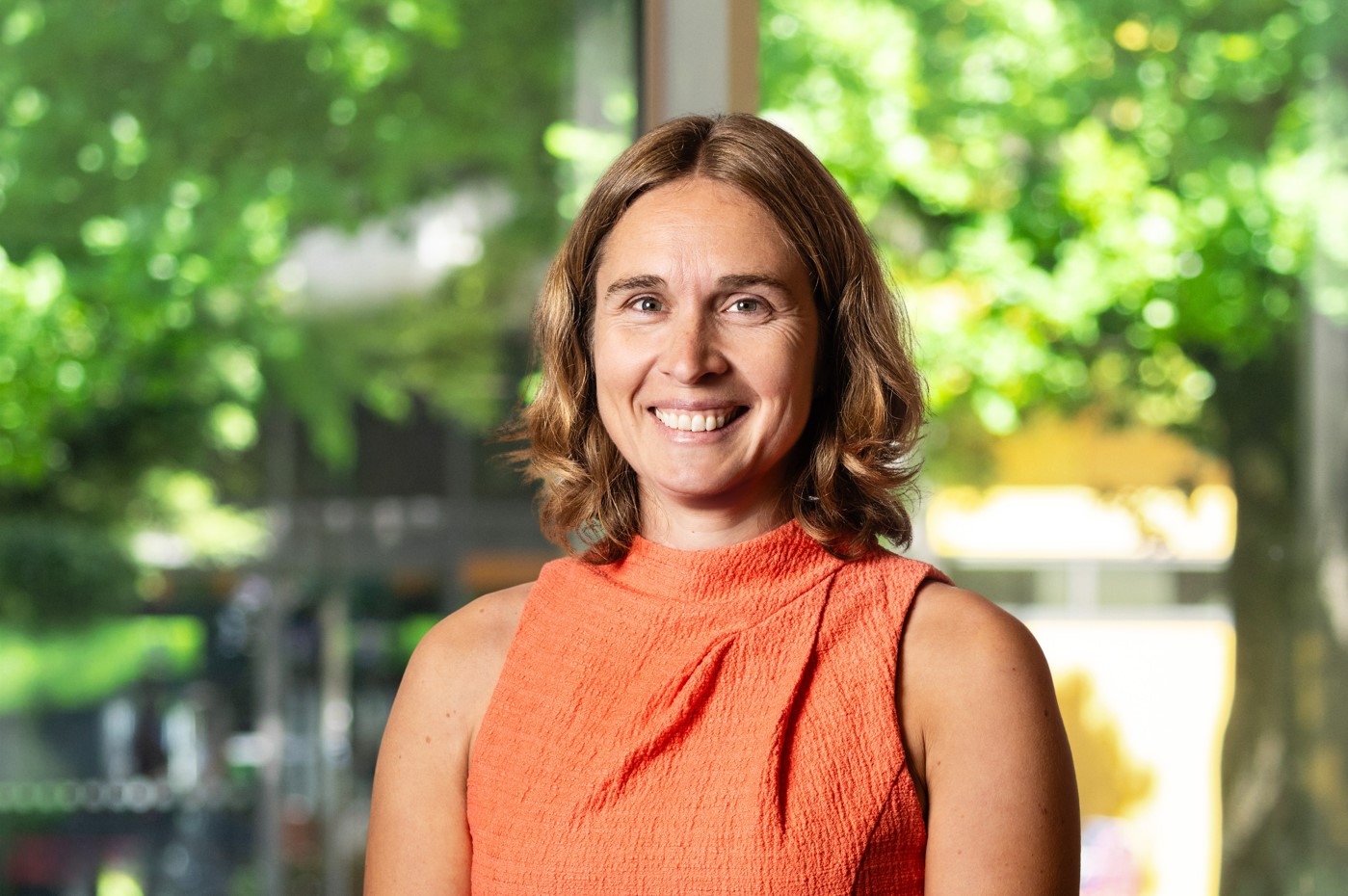
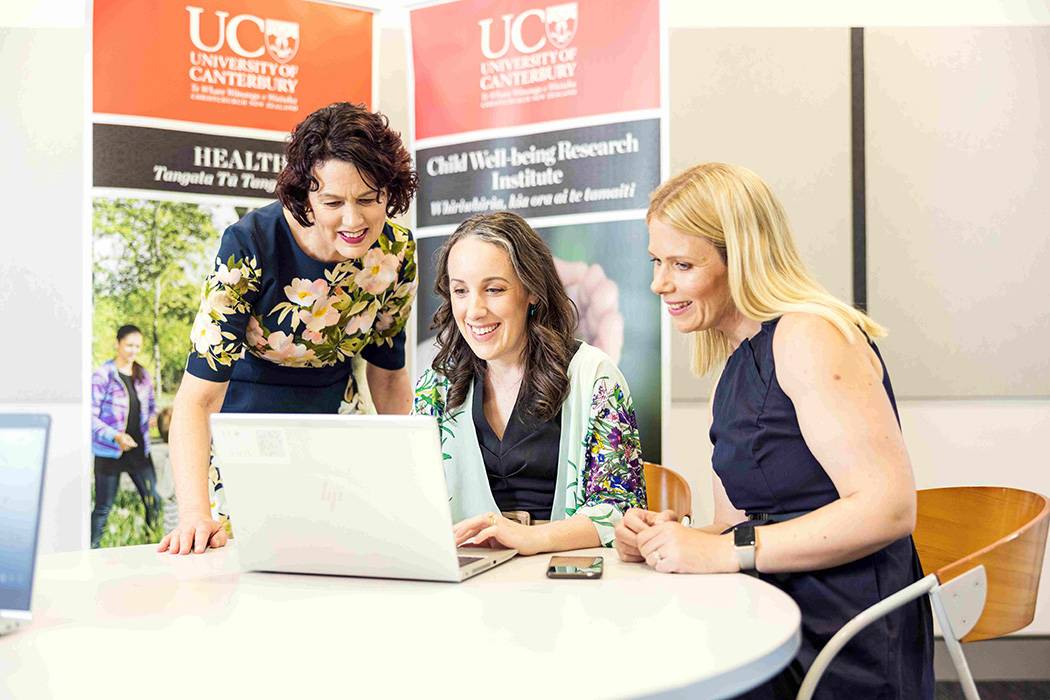
Photo caption: Professor Catherine Theys looking at brain scans.
Key points
- UC researchers are internationally recognised for pioneering systematic prospective research into acquired stuttering, including following stroke, Parkinson’s disease and functional neurological conditions.
- By investigating acquired neurogenic, functional and developmental stuttering, the team is uncovering shared and distinct brain mechanism that challenge traditional understanding of these conditions.
- Combining neuroscience discoveries with clinical research, the team is advancing assessment and developing more efficient, individualised treatment approaches, having a clear positive impact.
When stuttering develops later in life
While most stuttering begins in childhood, some people develop stuttering later in life, often suddenly. This can occur following neurological injury or illness, such as stroke or Parkinson's disease, or as part of a functional neurological disorder.
Acquired stuttering can have a profound impact on communication, confidence, employment and quality of life.
Research led by Professor Catherine Theys at UC's School of Psychology, Speech and Hearing has played a pioneering role in advancing understanding of acquired stuttering. Her team at Te Puna Pūtaiao Ioio | Speech-Language Neuroscience Lab and Te Kāhui Pā Harakeke | Child Well-Being Research Institute brings together expertise in neuroscience and speech-language therapy to investigate why stuttering develops and how it can best be supported.
Understanding stuttering across different conditions
A distinctive strength of the UC research programme is its investigation of stuttering across different neurological and functional conditions, while also drawing connections with developmental stuttering.
Rather than studying these forms of stuttering in isolation, the researchers examine their similarities and differences to better understand the mechanisms underlying stuttered speech.
The team's research has made important contributions to understanding acquired stuttering following stroke and in Parkinson's disease, including how symptoms develop and change over time. Its work on functional stuttering is also advancing understanding of a condition that has historically received limited research attention.
Alongside these clinical studies, advanced brain imaging research has identified – for the first time - common brain networks associated with acquired and developmental stuttering, providing important new insights into how the brain supports speech production.
The team is also conducting the world's first longitudinal neuroimaging study investigating brain changes associated with treatment in preschool children who stutter. By examining how the developing brain changes alongside improvements in speech, this research aims to uncover the neurological mechanisms underlying treatment outcomes.
Together, these complementary lines of research are helping build a comprehensive understanding of stuttering across different causes and stages of life.
Improving assessment and treatment
Professor Theys and her team have pioneered systematic prospective investigations and treatment approaches for acquired stuttering, an area where evidence-based clinical guidance remains limited.
By studying how stuttering presents and responds to treatment across different conditions, the researchers aim to identify which approaches work best, for whom, and under what circumstances.
This includes recognising that treatment needs may differ considerably between someone who develops stuttering following a stroke, someone living with a progressive neurological condition such as Parkinson's disease, and someone experiencing functional stuttering.
Integrating findings from neuroscience, behavioural research and clinical treatment studies is helping the team develop more targeted, individualised approaches to supporting people who stutter.
Understanding the neural basis of speech disorders is essential for developing more effective and personalised approaches to assessment and treatment.
– Professor Catherine Theys
Improving communication and wellbeing
Stuttering affects more than speech fluency. It can influence relationships, participation in education and employment, confidence and wellbeing.
The UC research programme recognises that effective support must consider each person's communication needs, experiences and priorities. This includes exploring how clinical approaches can better reflect the cultural values and perspectives of people and whānau in Aotearoa New Zealand.
Through internationally recognised research that bridges neuroscience, clinical practice and lived experience, the team is working to transform understanding and treatment of stuttering and improve outcomes for people affected by these conditions.
Professor Catherine Theys says "By studying different forms of stuttering together, we can gain insights that would be missed if we looked at each condition in isolation. Importantly, we bring these discoveries into clinical practice, so that people who stutter can access more effective, individualised support."
Talk to Catherine Theys about developmental stuttering, acquired neurogenic and functional stuttering, speech neuroscience, neurogenic speech disorders, Parkinson's disease, stroke-related communication disorders and speech-language pathology.
Last updated: October 2026
Related topics
Sustainable Development Goals (SDGs)

Contact
We gratefully acknowledge support from the Royal Society Te Apārangi Marsden Fund and the Canterbury Medical Research Foundation.
Read other showcases
Take a look at our showcases to see UC’s research expertise in practice.
Transforming diagnostics using biosensing
UC researchers are developing a biosensing platform that could transform disease detection, drug testing, and quality assurance.

Reducing head impacts in junior rugby
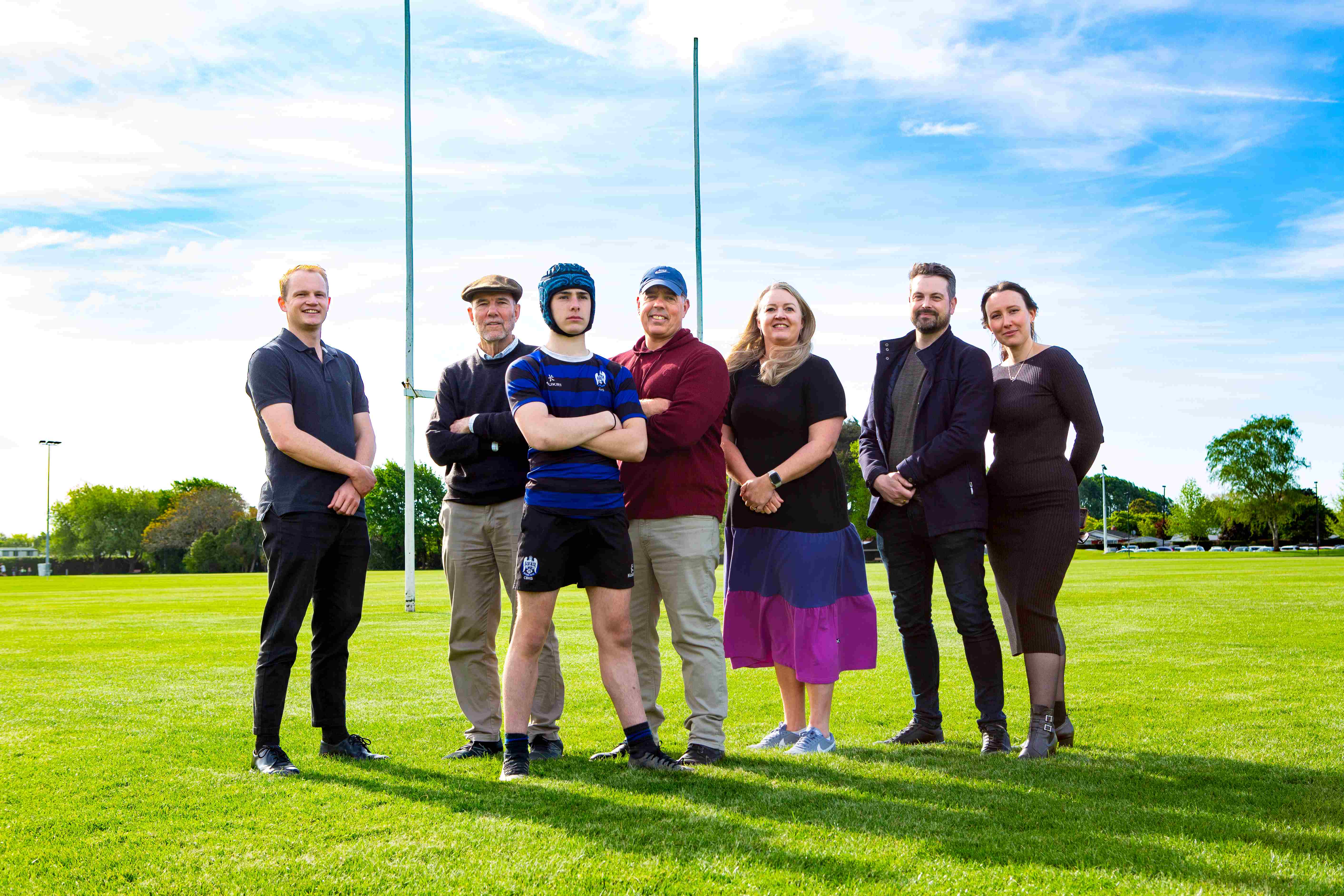
UC-developed protective headgear, named “Ruru”, reduced head impact forces by up to 40% in laboratory testing.
Turning hazard and risk research into action
UC researchers are translating natural hazard and climate risk research into practical approaches that help organisations make better decisions.
Precision Chroma: Improving biological medicine manufacture
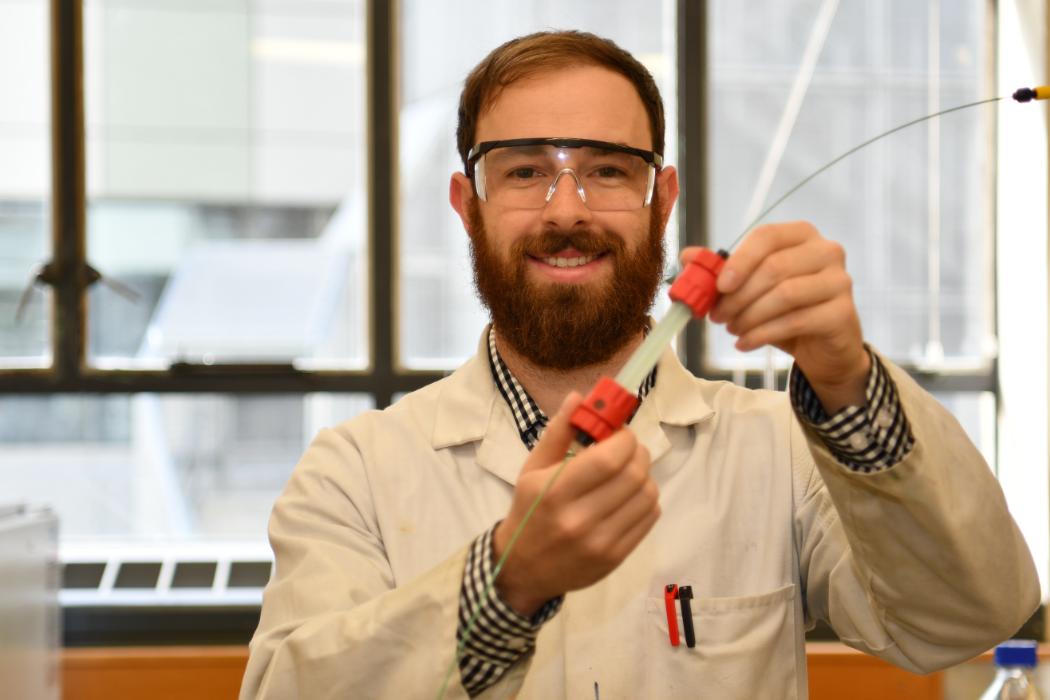
UC spinout Precision Chroma is commercialising a new method of chromatography to enhance manufacture of biological medicines.
Science for sustainable space development
UC researchers are helping understand potential environmental impacts of a growing space industry with increasing global rocket launches.

Building strong foundations in literacy
UC researchers are showing how structured early literacy teaching can set children on a path to reading and writing success.
Advancing the circular economy
UC researchers are exploring how businesses, consumers, and policymakers can accelerate the transition to a circular economy.

SwalTech: Restoring swallowing with biofeedback tools
UC spinout SwalTech is helping people with swallowing difficulties regain quality of life through rehabilitation technology.
Advancing drug checking with new technology
UC researchers are investigating advanced chemical analyses to improve drug checking services and support harm reduction.